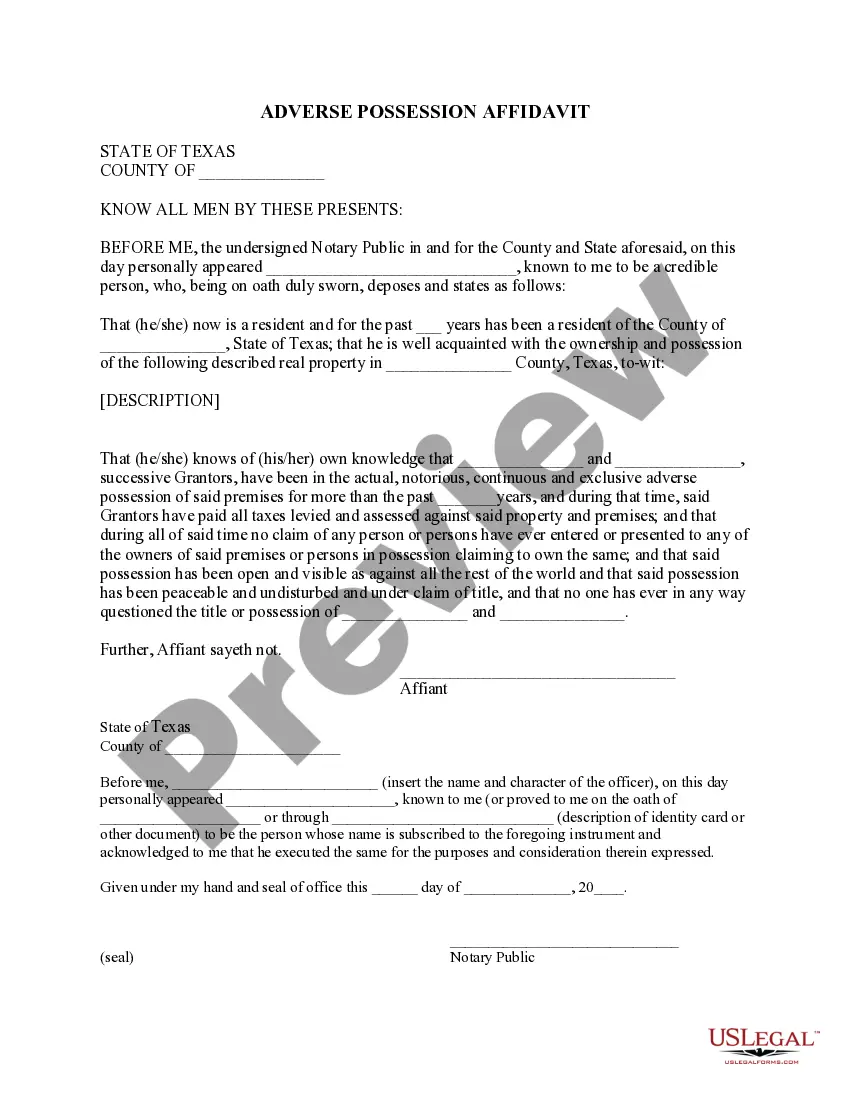
Grantors Towit Successive Withholding
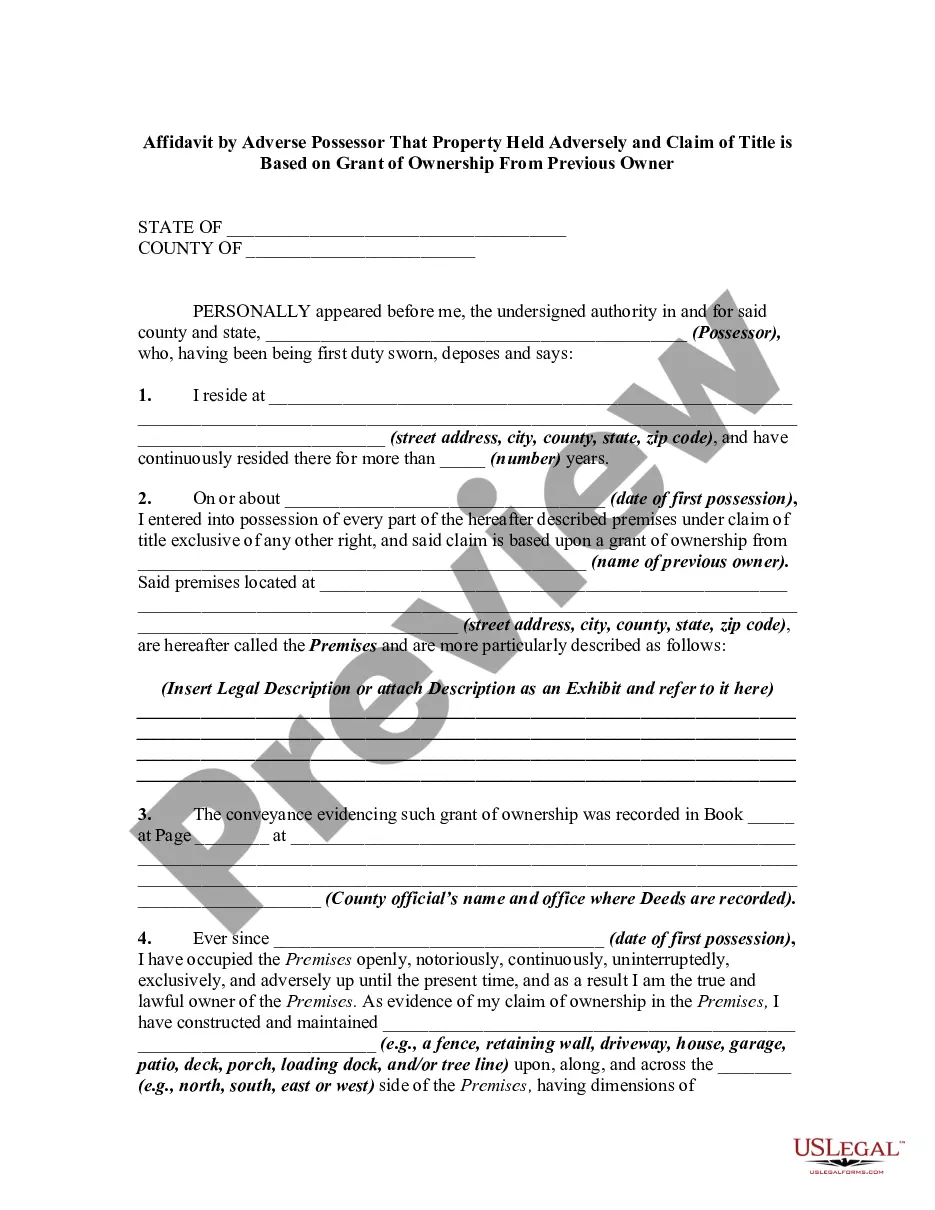
Description

Get your form ready online
Our built-in tools help you complete, sign, share, and store your documents in one place.
Make edits, fill in missing information, and update formatting in US Legal Forms—just like you would in MS Word.
Download a copy, print it, send it by email, or mail it via USPS—whatever works best for your next step.
Sign and collect signatures with our SignNow integration. Send to multiple recipients, set reminders, and more. Go Premium to unlock E-Sign.
If this form requires notarization, complete it online through a secure video call—no need to meet a notary in person or wait for an appointment.
We protect your documents and personal data by following strict security and privacy standards.

Make edits, fill in missing information, and update formatting in US Legal Forms—just like you would in MS Word.

Download a copy, print it, send it by email, or mail it via USPS—whatever works best for your next step.

Sign and collect signatures with our SignNow integration. Send to multiple recipients, set reminders, and more. Go Premium to unlock E-Sign.

If this form requires notarization, complete it online through a secure video call—no need to meet a notary in person or wait for an appointment.

We protect your documents and personal data by following strict security and privacy standards.
Looking for another form?






How to fill out Texas Adverse Possession Affidavit - Squatters Rights?
- Log in to your account if you're a returning user. Ensure your subscription is active to access the necessary form template.
- If you're new, start by checking the Preview mode and form description. Confirm that the selected document matches your needs and complies with local jurisdiction requirements.
- Use the Search tab if you need a different template. Finding the right document is crucial for your specific situation.
- Purchase the document by clicking the Buy Now button and selecting your preferred subscription plan. Create an account to gain full access to the library.
- Complete your purchase using a credit card or PayPal for a smooth transaction.
- Download your form and save it to your device for easy access and future use. You can find it anytime in the My Forms section of your profile.
US Legal Forms boasts a robust collection of legal forms, offering more options than competitors without breaking the bank. With over 85,000 fillable and editable templates available, you're almost guaranteed to find the form you need.
Additionally, you can consult premium experts for assistance, ensuring your documents are accurate and legally sound. Start simplifying your legal processes today!
Form popularity
FAQ
Certain entities and individuals qualify for exemptions from FIRPTA withholding, including foreign governments and publicly traded companies. Property transactions below a specific threshold may also escape withholding. Familiarizing yourself with the nuances of grantors towit successive withholding can help you identify if you qualify for such exemptions.
If an employer fails to withhold sufficient taxes, the employee may face unexpected tax liabilities during filing. Employers risk penalties and interest from the IRS. Understanding grantors towit successive withholding can help both employees and employers ensure accurate tax management and compliance to avoid such scenarios.
The multiple withholding agent rule allows for various parties to be responsible for withholding taxes in certain transactions. This rule can complicate the processes if not managed correctly. It’s essential to be aware of the implications of grantors towit successive withholding to ensure compliance and avoid potential penalties.
Recovering FIRPTA withholding involves submitting the correct IRS forms along with your tax return. You will want to clearly outline your circumstances and any tax credits or deductions that apply. Engaging with experts familiar with grantors towit successive withholding practices can streamline this recovery process and improve your chances of success.
To avoid the 15% withholding tax, ensure that you provide accurate information regarding any exemptions available under tax regulations. Filing the right forms in a timely manner can also help prevent this withholding. Understand the terms of grantors towit successive withholding, as they may present options tailored to your specific situation.
To reduce FIRPTA withholding, you can obtain a withholding certificate from the IRS. This certificate allows you to modify or reduce the amount withheld based on your actual tax liability. Consulting with tax professionals helps navigate the process effectively while staying compliant with grantors towit successive withholding guidelines.
When considering additional withholding, it is wise to estimate your overall tax liability based on your income and other deductions. If you foresee owing additional taxes, you may choose to withhold more than the standard rates. Platforms like US Legal Forms offer guidance on how to effectively manage your grantors towit successive withholding and ensure appropriate amounts are withheld to meet your tax obligations.
To file FIRPTA withholding, the buyer must report the amount withheld on IRS Form 8288 and submit it along with payment to the IRS. It is also important to provide the foreign seller a copy of the form, which helps both parties keep accurate records. Utilizing platforms like US Legal Forms can simplify this process, ensuring you comply with grantors towit successive withholding requirements.
The 15% tax for foreigners selling U.S. property exists to ensure the IRS collects any taxes owed by non-resident sellers. This withholding requirement arises from the understanding that foreign sellers may not have the same reporting obligations as U.S. citizens. Being aware of this helps foreign grantors towit successive withholding navigate their tax responsibilities more effectively.
Choosing a withholding percentage depends on your financial circumstances, including income and deductions. Generally, a higher withholding percentage reduces the amount owed during tax season, while a lower percentage may leave you with a larger tax bill later. It is wise to consult with a financial advisor or tax professional to determine the best percentage for your needs related to grantors towit successive withholding.