Does Texas Have A Squatters Law
Description
Get your form ready online
Our built-in tools help you complete, sign, share, and store your documents in one place.
Make edits, fill in missing information, and update formatting in US Legal Forms—just like you would in MS Word.
Download a copy, print it, send it by email, or mail it via USPS—whatever works best for your next step.
Sign and collect signatures with our SignNow integration. Send to multiple recipients, set reminders, and more. Go Premium to unlock E-Sign.
If this form requires notarization, complete it online through a secure video call—no need to meet a notary in person or wait for an appointment.
We protect your documents and personal data by following strict security and privacy standards.

Make edits, fill in missing information, and update formatting in US Legal Forms—just like you would in MS Word.

Download a copy, print it, send it by email, or mail it via USPS—whatever works best for your next step.

Sign and collect signatures with our SignNow integration. Send to multiple recipients, set reminders, and more. Go Premium to unlock E-Sign.

If this form requires notarization, complete it online through a secure video call—no need to meet a notary in person or wait for an appointment.

We protect your documents and personal data by following strict security and privacy standards.
Looking for another form?


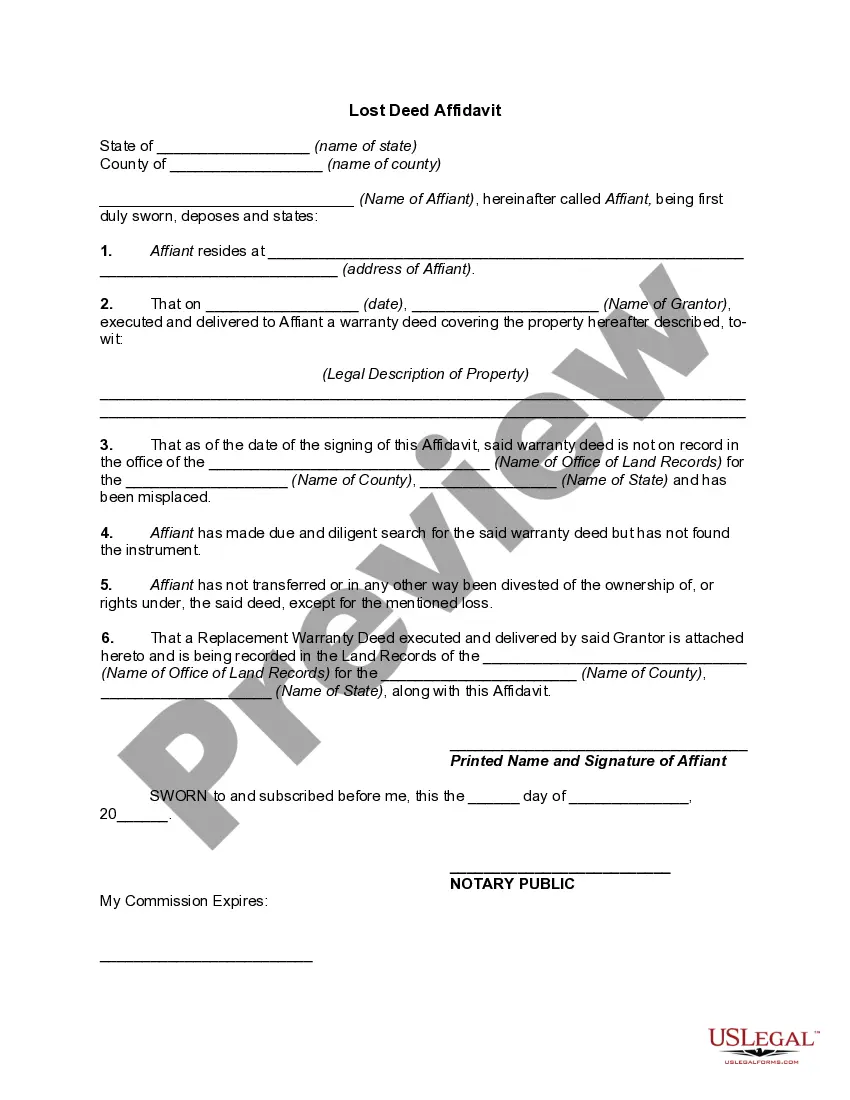


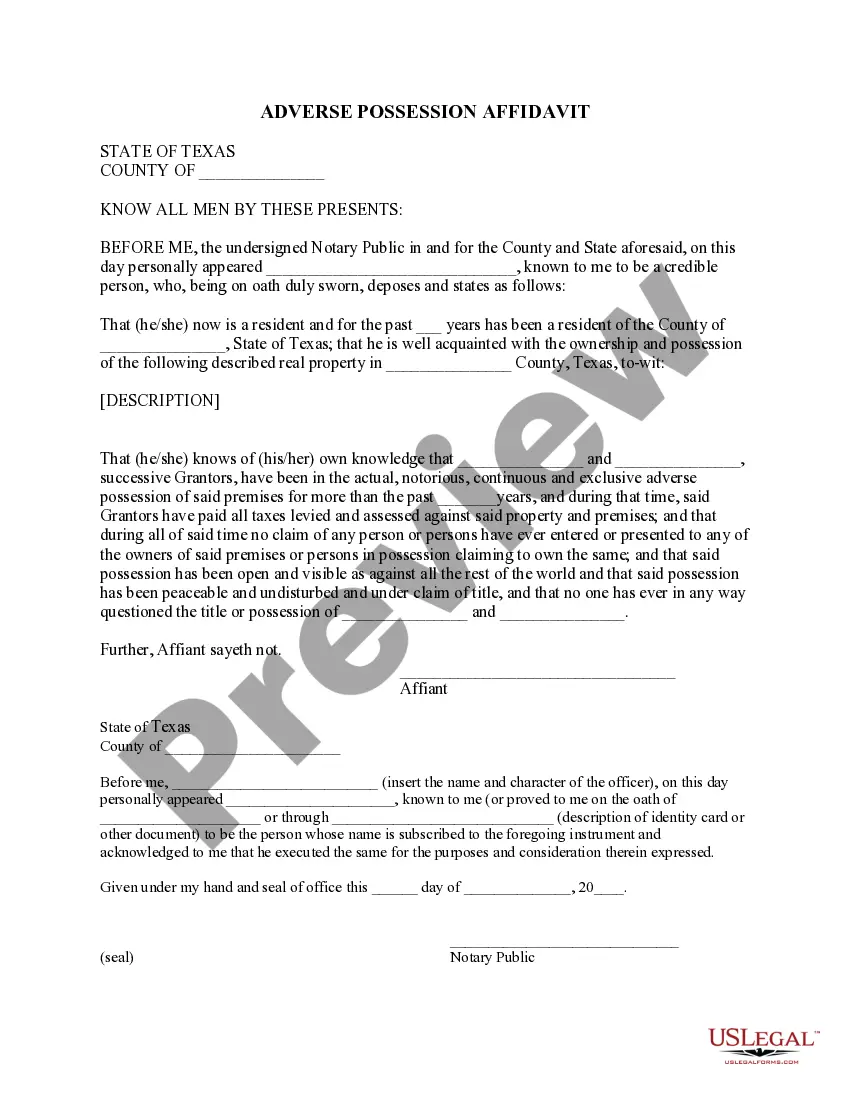
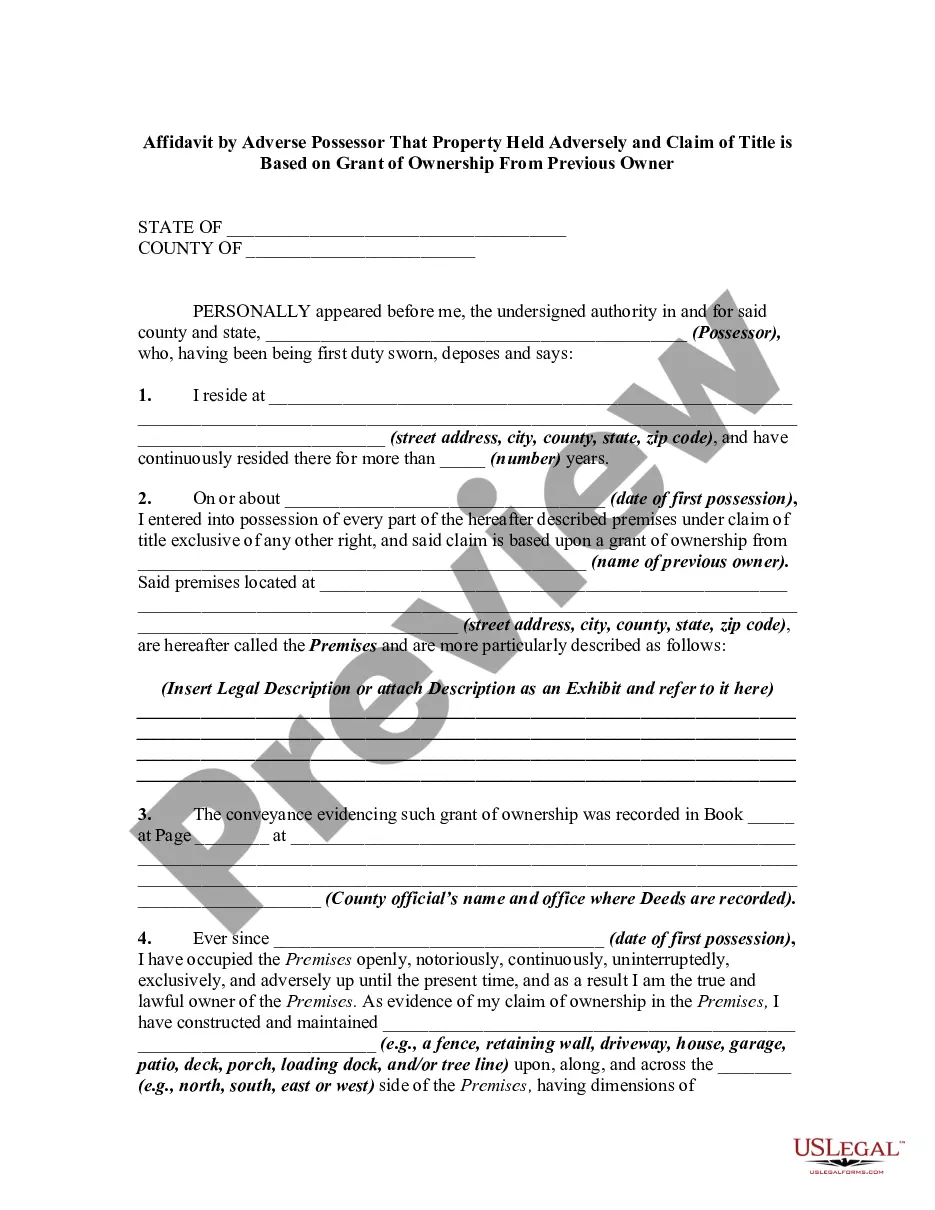
How to fill out Texas Adverse Possession Affidavit - Squatters Rights?
- If you're an existing user, simply log in to access your account and download the necessary form template directly onto your device. Ensure your subscription is active; if not, renew it following your payment plan.
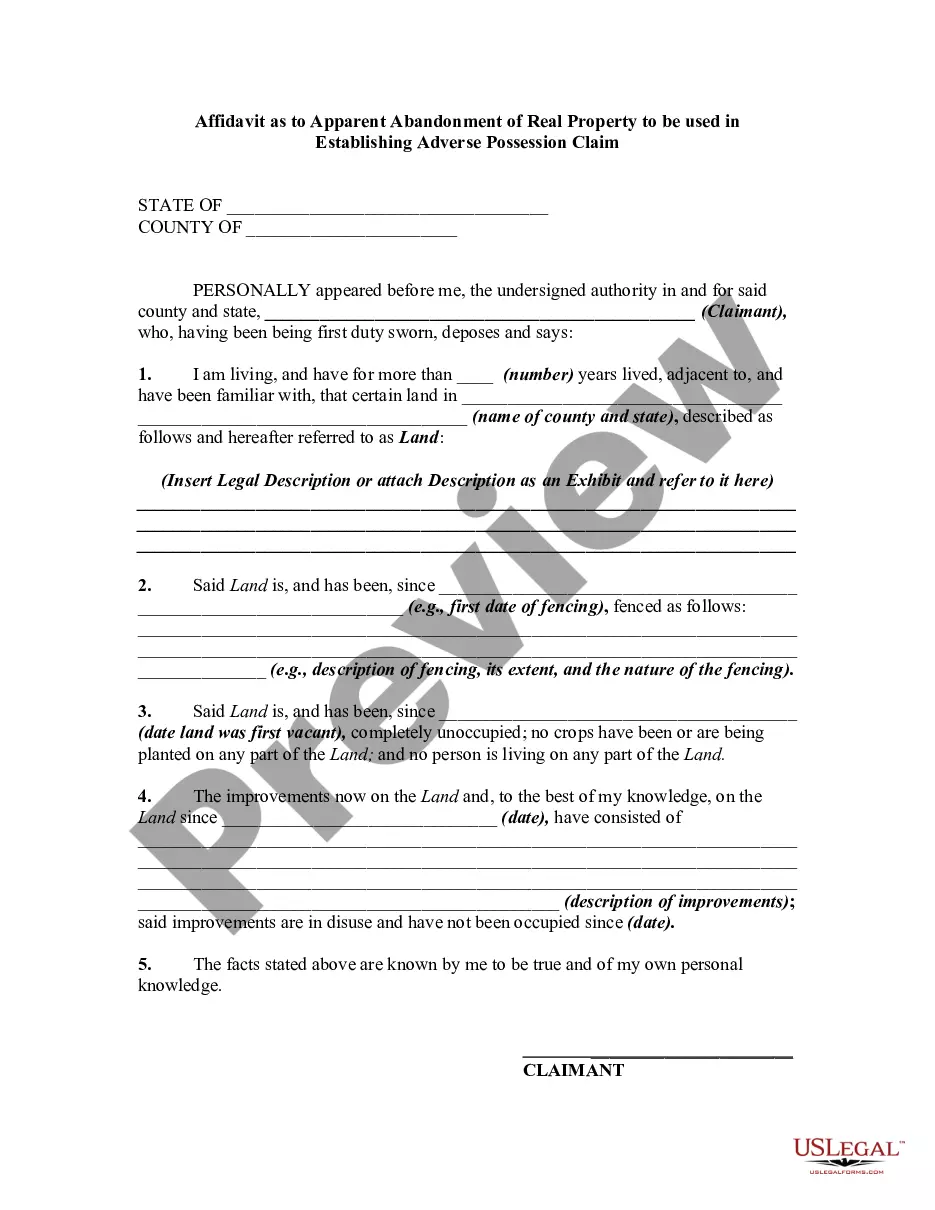
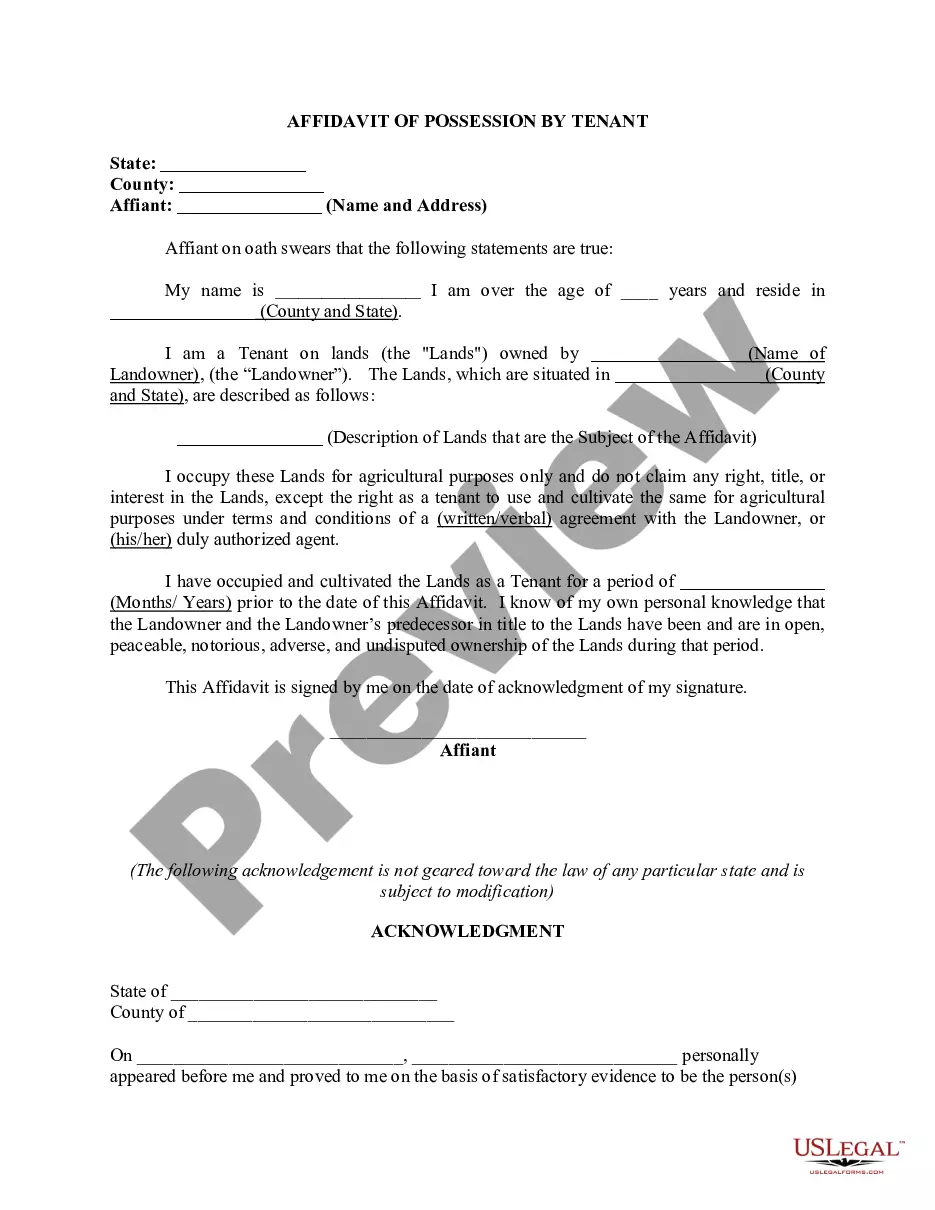
- For first-time users, start by checking the Preview mode and reviewing the form description to confirm you have selected the appropriate document for your needs while adhering to local jurisdiction requirements.
- If you need a different template, utilize the Search tab to find a suitable option. Once you confirm it meets your requirements, you can proceed.
- Purchase the document by clicking the Buy Now button and select your preferred subscription plan. An account registration is required to access the library's resources.
- Complete your purchase by entering your credit card information or opting for PayPal to finalize the subscription.
- Download your form and save the template on your device for easy access. You can also revisit it through the My Forms section of your account whenever needed.
US Legal Forms empowers individuals and attorneys alike to handle legal documents with confidence. With a collection that exceeds competitors at a comparable cost and an extensive library of over 85,000 fillable legal forms, users enjoy unparalleled access and convenience.
Don’t hesitate to ensure your legal safety—visit US Legal Forms today to discover how easy it is to navigate your legal needs!
Form popularity
FAQ
Becoming a squatter in Texas typically takes 10 years of continuous, unauthorized occupancy of a property. During this time, you need to demonstrate that you have made the place your home. It is advisable to keep records of your occupancy and any improvements made. For detailed guidance on squatters law, including your rights, visiting US Legal Forms can provide crucial information.
In Texas, someone can be considered a squatter after residing in a property for at least 10 years without the owner's permission. This period is crucial for establishing a claim. However, it is essential to ensure that the occupation is continuous and visible to others. Keep in mind that understanding the implications of squatters law in Texas can be intricate, and tools like US Legal Forms can help clarify processes.
To claim squatters rights in Texas, you must occupy the property openly and without the owner's permission. It's important to establish residency by living there continuously for a specific period. Additionally, you should consider documenting your presence and any improvements you make to the property. Understanding how Texas law recognizes squatters can be complex, so resources like US Legal Forms can guide you through every step.
Forcibly removing a squatter in Texas without legal proceedings is not advisable and might result in civil penalties. The law requires a lawful eviction process, ensuring the rights of all parties are respected. Utilizing platforms like USLegalForms can assist you in navigating the legal steps required to address squatters effectively.
Kicking a squatter out in Texas involves following legal eviction processes, as simply removing them without notice can lead to legal consequences. Landowners must file a formal eviction lawsuit to proceed. Understanding your rights and responsibilities under Texas squatters law will make this process smoother.
In Texas, the concept of adverse possession can allow someone to claim a property after occupying it for a specific period, often as long as 10 years under certain conditions. However, simple squatting does not guarantee ownership. Familiarizing yourself with Texas squatters law can provide clarity on this complex issue.
Shooting a squatter is not legally justified in Texas simply due to their presence. You must feel directly threatened to use deadly force. Instead, it's recommended to follow proper legal channels for evicting a squatter, ensuring you stay compliant with Texas law regarding squatters.
In Texas, the law allows you to use reasonable force to protect your property; however, shooting someone is generally not considered reasonable if they are merely trespassing. It's important to assess the situation carefully and prioritize non-violent methods of resolving disputes. Understanding the nuances of Texas squatters law is crucial when dealing with trespassers.
To protect against squatters in Texas, homeowners should regularly check their property, especially if it is vacant. Installing security systems, fences, and appropriately marking the property can help deter unauthorized access. Additionally, staying informed about Texas squatters law allows you to respond swiftly if someone attempts to occupy your property illegally.
In Texas, the minimum time required for squatters to claim rights under squatters law is typically ten years. This period allows squatters to establish a claim based on continuous, uncontested possession of the property. However, specific circumstances can affect this duration, so it is wise to consult legal resources, such as US Legal Forms, for guidance on your situation. Always remember that taking quick action is vital to protect your rights as a property owner.