Exceptions Whomsoever Witnesseth Without
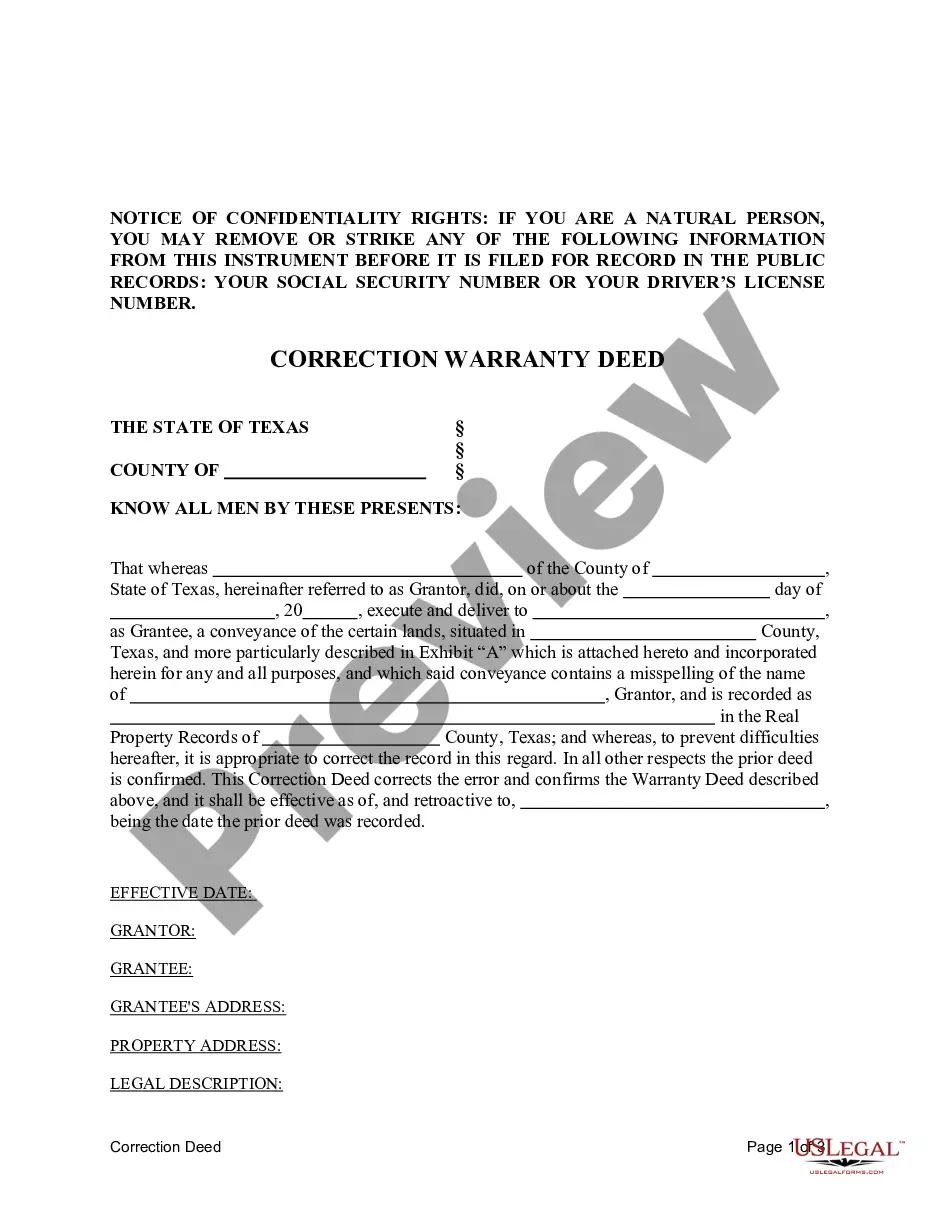
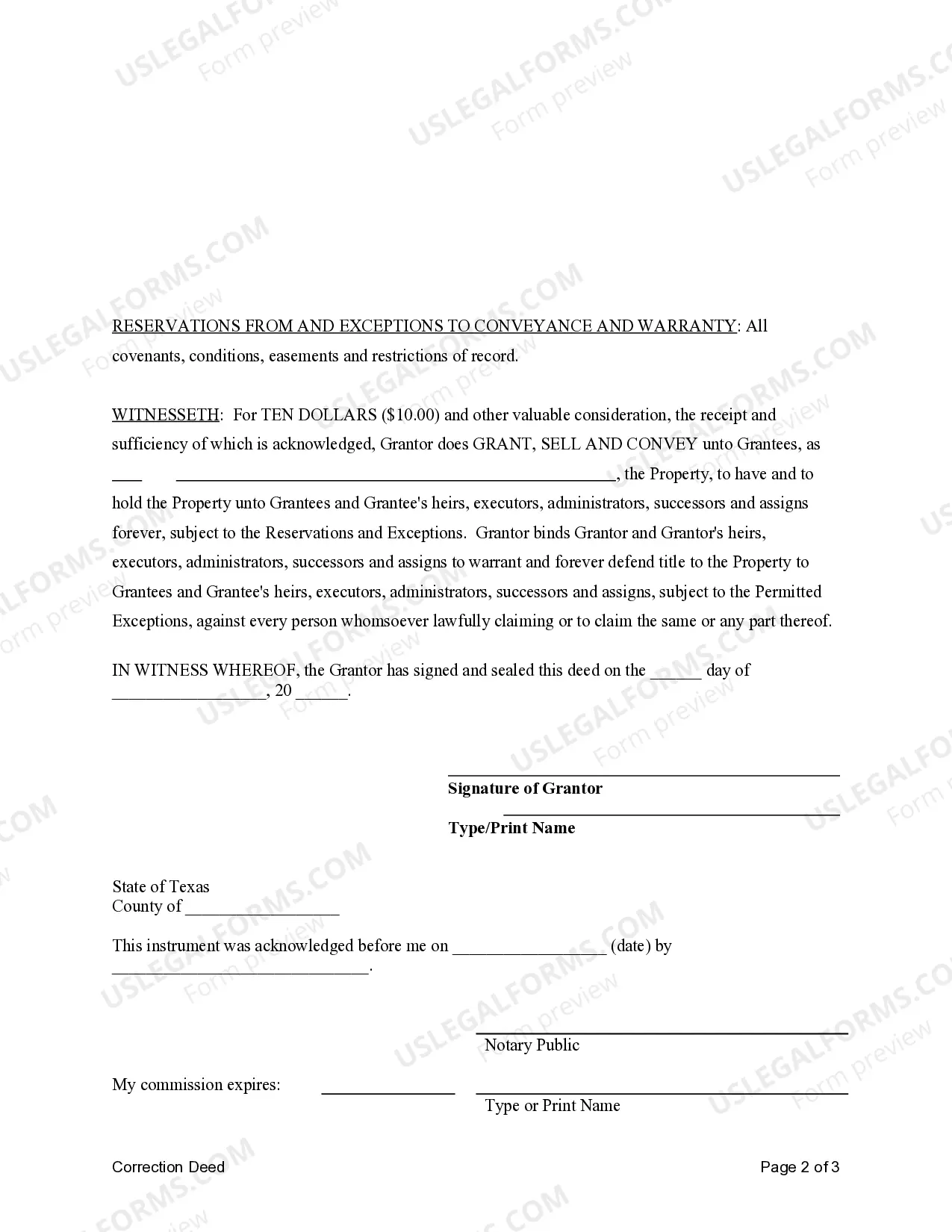
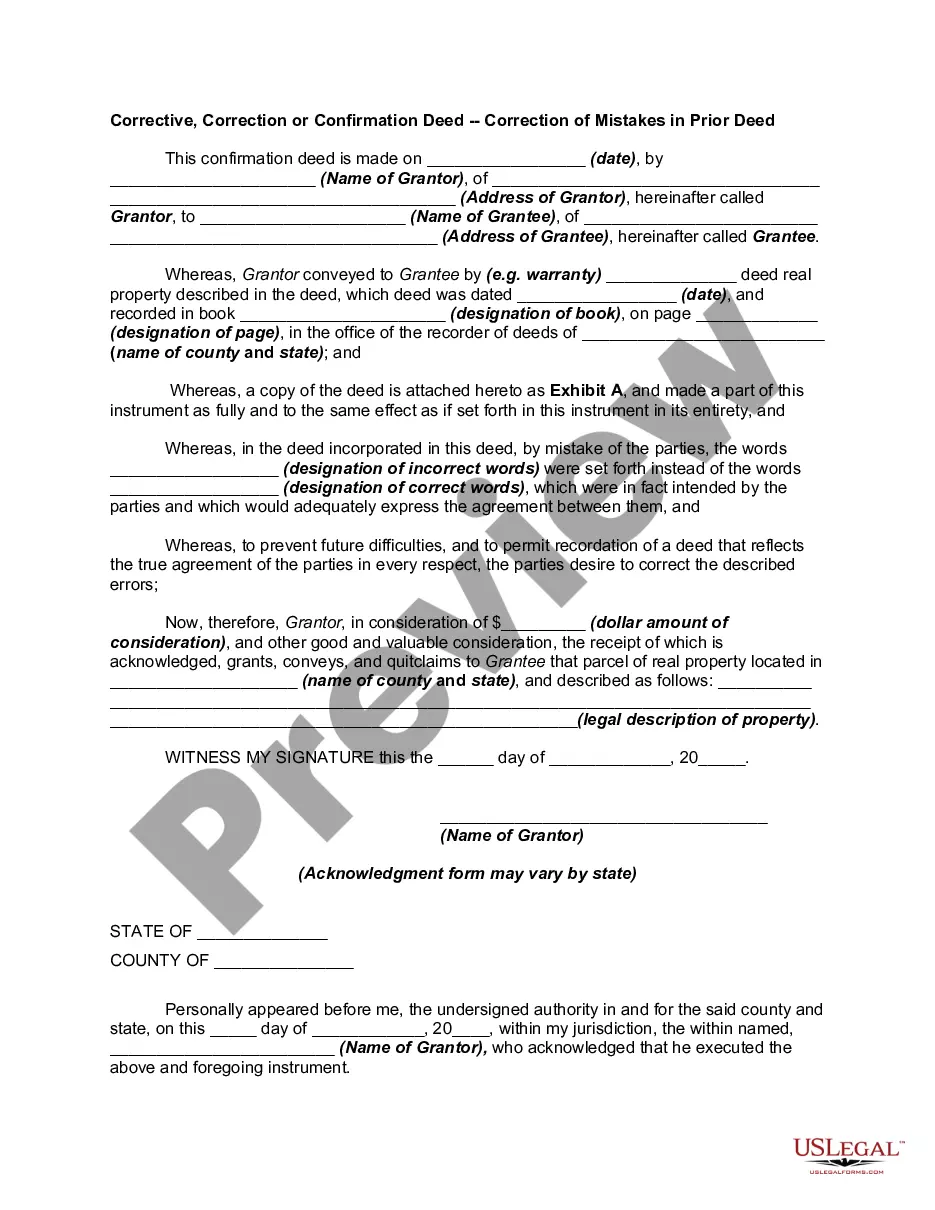
Description

Get your form ready online
Our built-in tools help you complete, sign, share, and store your documents in one place.
Make edits, fill in missing information, and update formatting in US Legal Forms—just like you would in MS Word.
Download a copy, print it, send it by email, or mail it via USPS—whatever works best for your next step.
Sign and collect signatures with our SignNow integration. Send to multiple recipients, set reminders, and more. Go Premium to unlock E-Sign.
If this form requires notarization, complete it online through a secure video call—no need to meet a notary in person or wait for an appointment.
We protect your documents and personal data by following strict security and privacy standards.

Make edits, fill in missing information, and update formatting in US Legal Forms—just like you would in MS Word.

Download a copy, print it, send it by email, or mail it via USPS—whatever works best for your next step.

Sign and collect signatures with our SignNow integration. Send to multiple recipients, set reminders, and more. Go Premium to unlock E-Sign.

If this form requires notarization, complete it online through a secure video call—no need to meet a notary in person or wait for an appointment.

We protect your documents and personal data by following strict security and privacy standards.
Looking for another form?

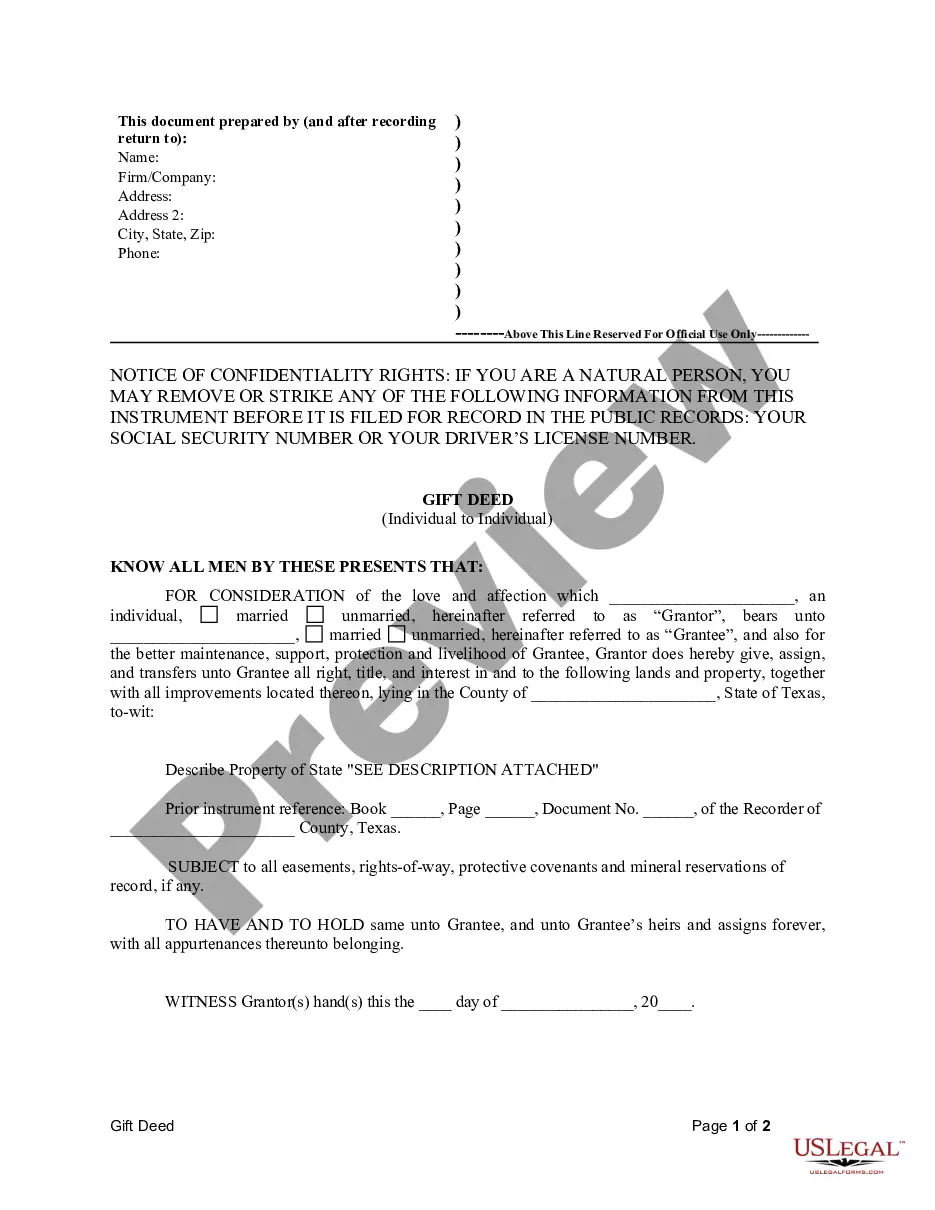




How to fill out Texas Correction Warranty Deed?
Legal administration may be daunting, even for the most seasoned professionals.
When you seek an Exceptions Whomsoever Witnesseth Without and do not have the opportunity to spend time searching for the appropriate and up-to-date version, the processes can be stressful.
Access a valuable library of articles, guides, handbooks, and resources related to your situation and requirements.
Save time and effort locating the documents you require, and use US Legal Forms’ advanced search and Review feature to acquire Exceptions Whomsoever Witnesseth Without.
Enjoy the US Legal Forms online catalog, supported by 25 years of experience and reliability. Transform your daily document management into a smooth and user-friendly process today.
- If you possess a subscription, Log In to your US Legal Forms account, search for the form, and obtain it.
- Check your My documents tab to review the documents you have previously saved and to manage your folders as you wish.
- If it is your first experience with US Legal Forms, create an account and gain unlimited access to all the benefits of the library.
- Here are the steps to follow after downloading the necessary form.
- Confirm this is the right form by previewing it and reviewing its details.
- Access state- or locality-specific legal and business documents.
- US Legal Forms addresses any needs you may have, from personal to corporate paperwork, all in one location.
- Utilize sophisticated tools to complete and oversee your Exceptions Whomsoever Witnesseth Without.
Form popularity
FAQ
Examples of res gestae include spontaneous remarks or reactions made immediately after witnessing an accident or crime. For instance, if someone exclaims, 'I saw him hit her!' right after witnessing an incident, that statement may be admissible in court. Such examples highlight how these immediate statements can serve as valuable evidence. Familiarizing yourself with these instances helps clarify the broader concept of exceptions whomsoever witnesseth without.
The law of Moses refers to a biblical context surrounding the guidelines for legal matters, including death penalties for certain crimes. Understanding its principles provides insight into historical laws and allows for comparison with modern legal systems. While it may not directly apply today, its implications resonate within discussions of justice and morality. Investigating the exceptions whomsoever witnesseth without can help contextualize these ancient laws in contemporary settings.
The res gestae exception allows statements made spontaneously and closely tied to an event to be admitted as evidence in court. This is significant because it circumvents the usual hearsay rules that typically exclude out-of-court statements. Courts recognize the reliability of these immediate expressions, as they reflect genuine reactions to what was happening. Being aware of the exceptions whomsoever witnesseth without can aid in making informed legal decisions.
To qualify for the res gestae exception, certain criteria must be met. The statement must be made in the heat of the moment, typically immediately following the event. Additionally, the statement should directly relate to the incident, providing insight into what occurred. Knowing the requirements for exceptions whomsoever witnesseth without can enhance your legal strategy.
Yes, res gestae is indeed considered an exception to hearsay. This means that certain statements made during or immediately after an event can be presented in court despite not following typical hearsay rules. The rationale is that these statements provide essential context to the event in question. It's important to grasp these exceptions whomsoever witnesseth without to fully understand how they influence legal proceedings.
The res gestae hearsay exception allows for certain statements made spontaneously during an event to be admissible as evidence. This exception applies when the statements are closely related to the incident itself, helping to clarify the context. Essentially, it captures the immediate reactions and observations of individuals present at the scene, which can be crucial in legal matters. Understanding the exceptions whomsoever witnesseth without is key to navigating these nuances.
One of the most common hearsay exceptions is the business records exception. This allows records kept during regular business activities to be admitted as evidence. These records must be made at or near the time of the event recorded, which ensures reliability. By delving into these common exceptions whomsoever witnesseth without, you can better prepare yourself for courtroom scenarios, and platforms like uslegalforms can provide you with the necessary tools.
Exceptions to hearsay evidence exist to balance fairness in legal processes and the pursuit of truth. Common exceptions comprise statements made for medical diagnosis or treatment, as well as prior statements made by witnesses who later testify. These exceptions help maintain the integrity of the judicial system while working within the limitations of witness availability. Exploring these exceptions whomsoever witnesseth without can empower your legal arguments.
The hearsay rule of evidence has various exceptions that allow certain out-of-court statements to be used in court. These include spontaneous statements made during exciting events, records of regularly conducted activities, and public records. Each exception serves a purpose, especially when the involved parties cannot testify, ensuring that some truths surface in legal proceedings. Familiarizing yourself with these exceptions whomsoever witnesseth without can enhance your approach to legal challenges.
When a witness is not available to testify, specific hearsay exceptions come into play. These exceptions are important because they allow certain statements to be admitted as evidence even when the witness cannot appear in court. Some key examples include statements made under the belief of imminent death and dying declarations. Understanding these exceptions whomsoever witnesseth without can greatly impact your legal strategy.