Texas Warranty To Foreclosure
Description

Get your form ready online
Our built-in tools help you complete, sign, share, and store your documents in one place.
Make edits, fill in missing information, and update formatting in US Legal Forms—just like you would in MS Word.
Download a copy, print it, send it by email, or mail it via USPS—whatever works best for your next step.
Sign and collect signatures with our SignNow integration. Send to multiple recipients, set reminders, and more. Go Premium to unlock E-Sign.
If this form requires notarization, complete it online through a secure video call—no need to meet a notary in person or wait for an appointment.
We protect your documents and personal data by following strict security and privacy standards.

Make edits, fill in missing information, and update formatting in US Legal Forms—just like you would in MS Word.

Download a copy, print it, send it by email, or mail it via USPS—whatever works best for your next step.

Sign and collect signatures with our SignNow integration. Send to multiple recipients, set reminders, and more. Go Premium to unlock E-Sign.

If this form requires notarization, complete it online through a secure video call—no need to meet a notary in person or wait for an appointment.

We protect your documents and personal data by following strict security and privacy standards.
Looking for another form?








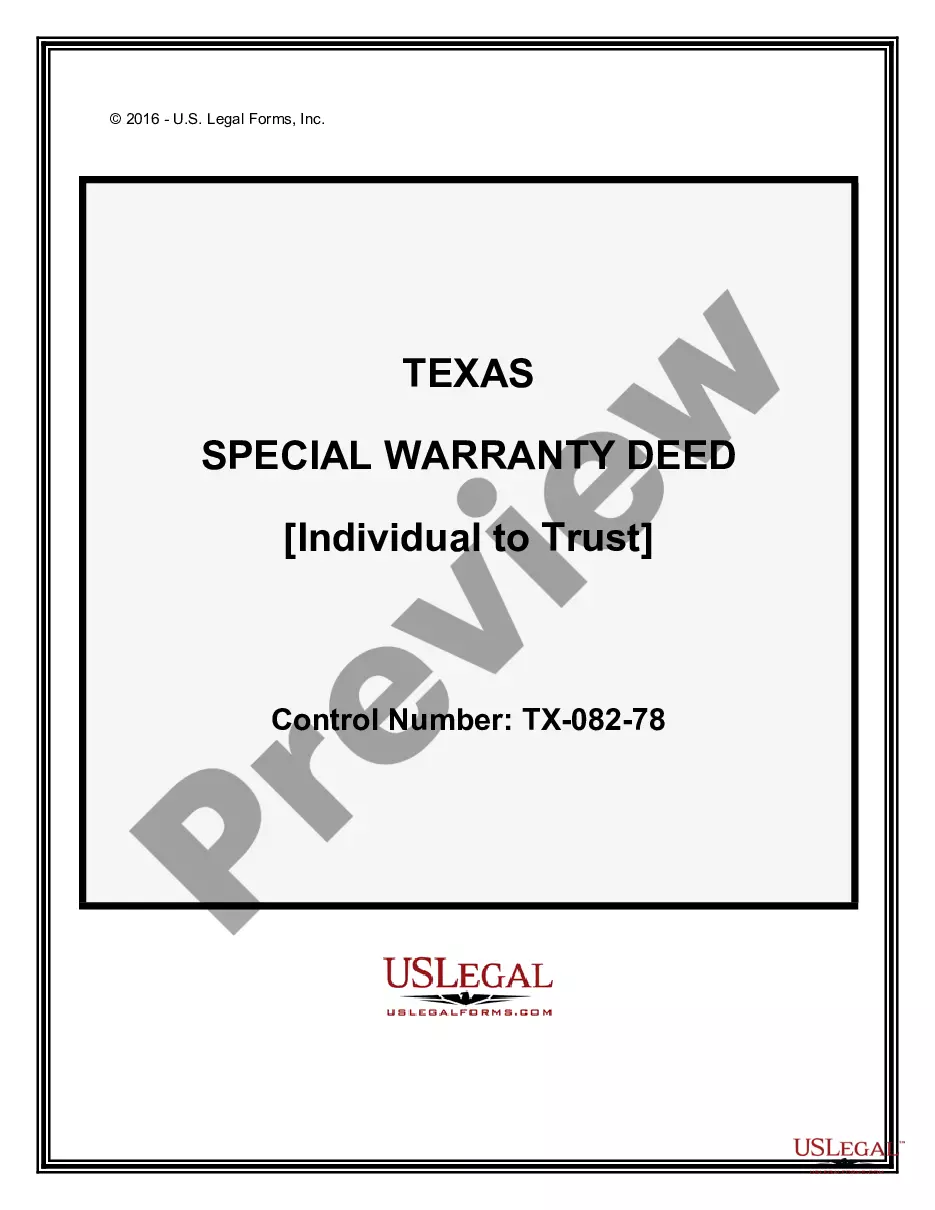
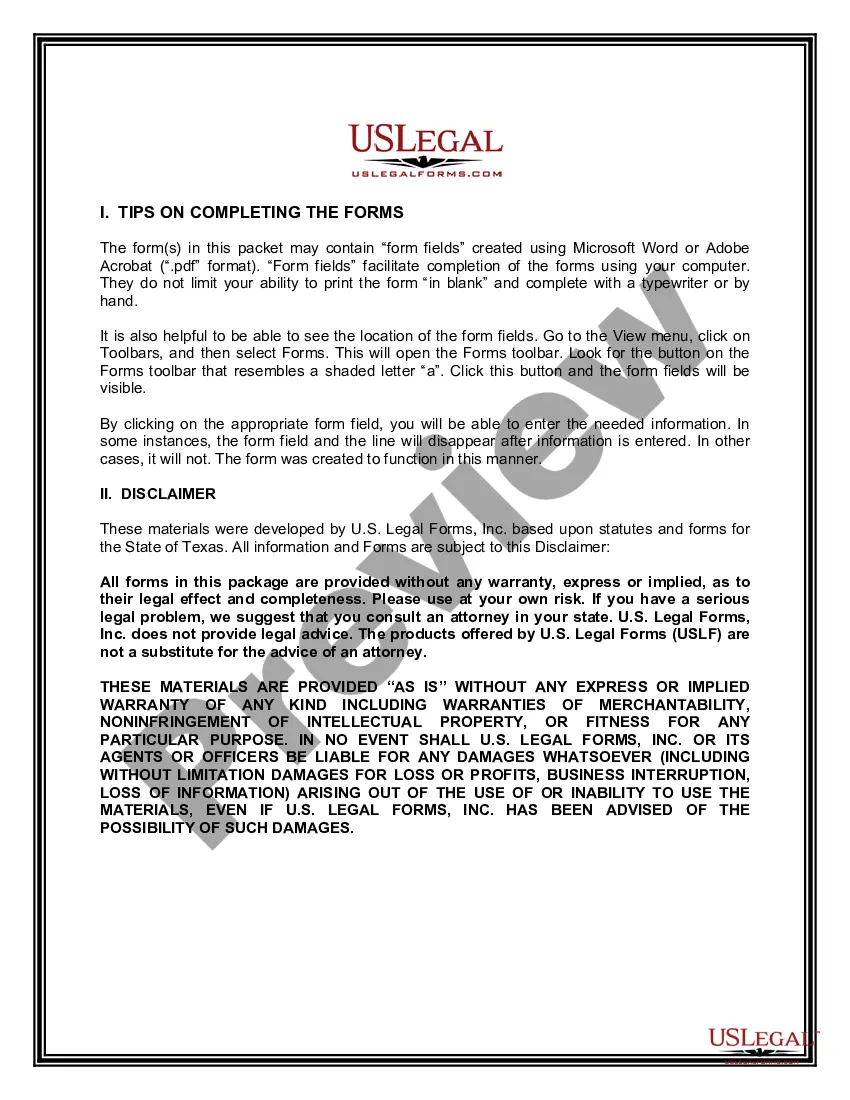
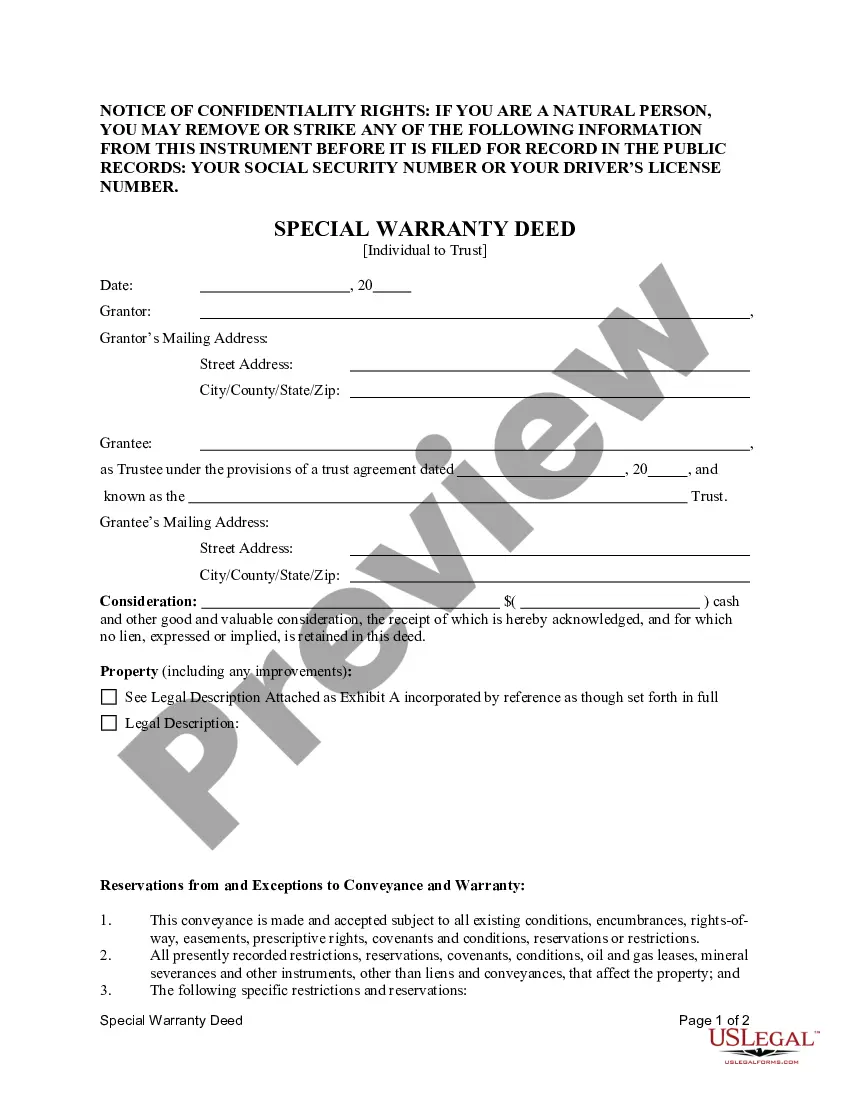
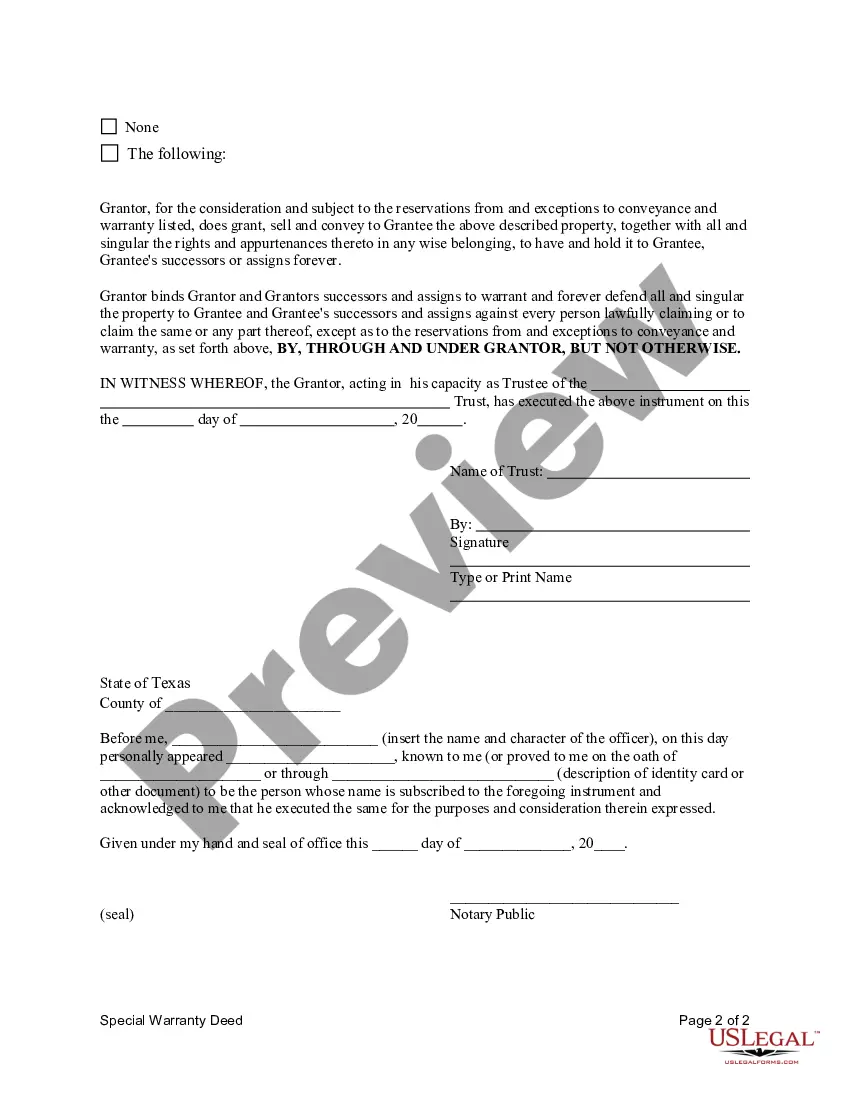
How to fill out Texas Special Warranty Deed From An Individual To A Trust?
- Visit the US Legal Forms website and log in to your account if you are a returning user. Ensure your subscription is active; renew if necessary.
- Check the form preview and description to confirm it suits your needs and aligns with local jurisdiction requirements.
- If the form you've selected doesn't meet your needs, utilize the Search tab to find another template.
- Select the correct document and click the Buy Now button. Choose your preferred subscription plan to access all resources.
- Complete your purchase by providing payment details via credit card or PayPal.
- After payment, download the Texas warranty to foreclosure form and save it on your device. You can also access it anytime in the My Documents section.
By following these easy steps, you will have the necessary form at your fingertips. US Legal Forms not only offers an extensive selection of legal documents but also access to premium experts for form assistance.
Start your journey towards getting the right legal documentation today by visiting US Legal Forms and explore the vast resources at your disposal!
Form popularity
FAQ
Filling out a warranty form involves providing accurate details about the parties involved and the property being transferred. You need to include the property's legal description and any stipulations regarding warranty covenants. Consider using resources like uslegalforms to ensure you have the right format and the information is filled out correctly, especially important for scenarios involving a Texas warranty to foreclosure.
To record a warranty deed in Texas, you must take the completed deed to the county clerk's office in the county where the property is located. Make sure the deed is signed and notarized before submission. Recordings help protect property rights, establishing your claim, essential in the context of a Texas warranty to foreclosure.
While you can prepare a warranty deed without a lawyer in Texas, consulting one may be beneficial, particularly for complex situations. A lawyer can offer clarity about the legal language and implications, which is vital when dealing with ownership disputes or a Texas warranty to foreclosure. Additionally, their insight can ensure that the deed is correctly executed.
Yes, you can prepare your own warranty deed in Texas, but it requires attention to detail to ensure all information is correct. Using online legal services, like uslegalforms, can simplify the process by providing templates and guidance. However, ensure you understand the implications of what a warranty deed entails, particularly if you're navigating issues related to a Texas warranty to foreclosure.
Writing up a warranty deed involves clearly stating the identities of the parties and the property details. You must draft the legal description of the property and affirm that the grantor holds a clear title. It’s important to mention any restrictions or covenants associated with the property, which helps clarify ownership, especially relevant in Texas warranty to foreclosure situations.
To fill out a Texas warranty deed, start by entering the grantor’s and grantee’s names and addresses. Next, describe the property being transferred, including its legal description. Ensure you include provisions that warrant title, thus protecting against future claims. This process is crucial, especially if you are considering a Texas warranty to foreclosure.
The 120-day rule for foreclosure provides a structured timeline for homeowners, allowing them space to find solutions before foreclosure proceedings begin. Lenders must give borrowers a notice of default, which grants them this 120-day window. This rule aims to encourage more communicative actions between homeowners and lenders. It’s essential to have an understanding of the Texas warranty to foreclosure during this period.
Exceptions to the 120-day rule may include cases of vacant properties or various legal actions. Situations involving certain governmental entities may also bypass this rule. Knowing these exceptions can be vital for homeowners facing foreclosure. Utilizing resources like US Legal Forms helps streamline understanding of Texas warranty to foreclosure and the available options.
Foreclosures in Tennessee follow a judicial process where lenders file a lawsuit to reclaim property. After the court grants the lender's request, a sale date is set. Homeowners receive a notification, allowing them time to resolve payment issues. Understanding the Texas warranty to foreclosure can help homeowners protect their rights in this process.
Typically, a real estate attorney or a title company prepares the warranty deed in Texas. They ensure that the deed is correctly formatted and meets all legal requirements. Utilizing professionals can also help you navigate related issues, including those concerning the Texas warranty to foreclosure, ultimately safeguarding your property rights.