Texas Divorce With Real Property
Description
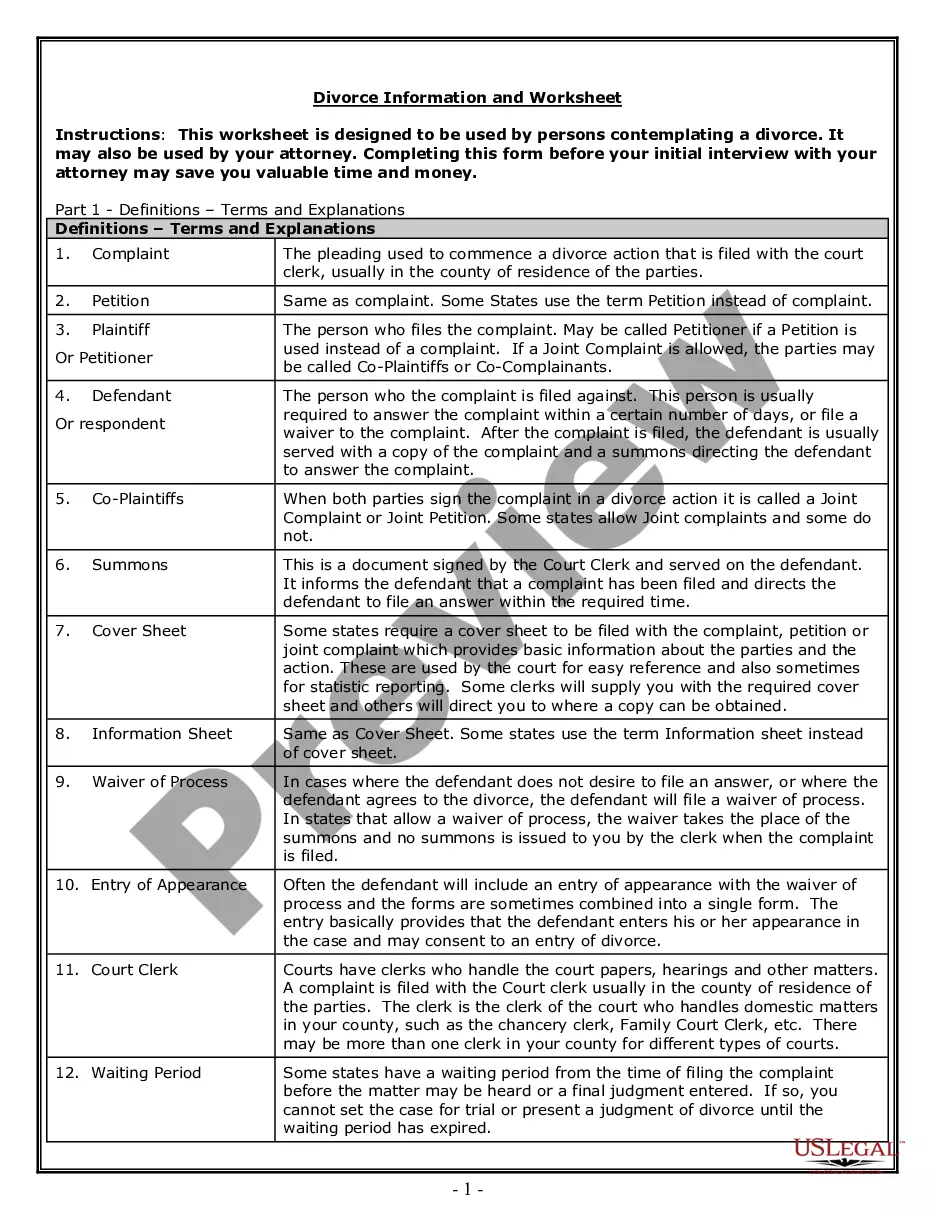
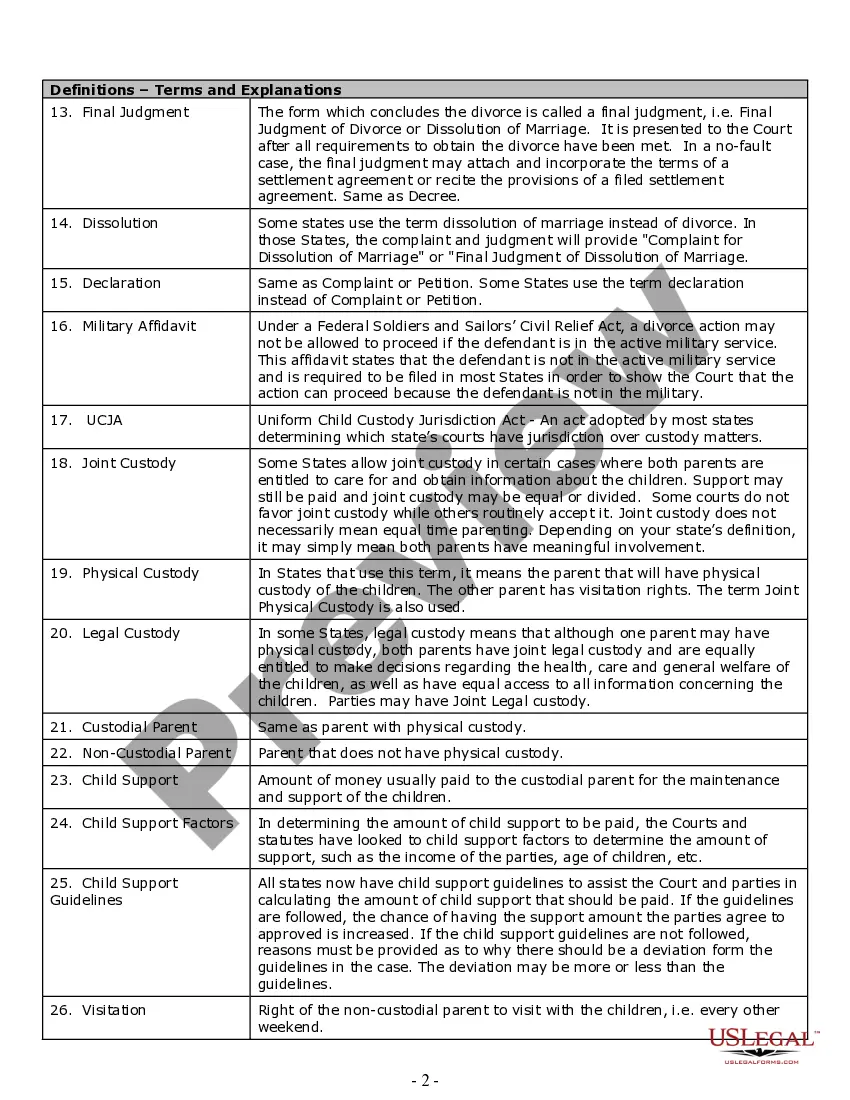
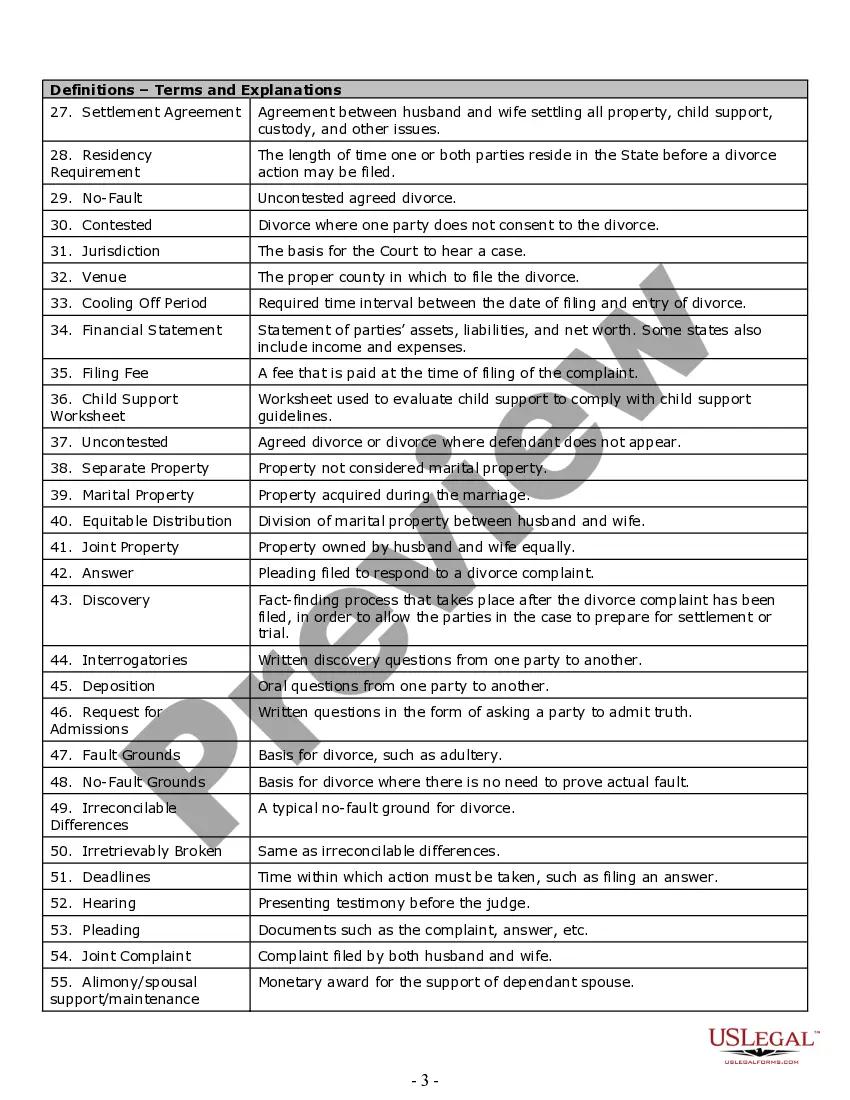
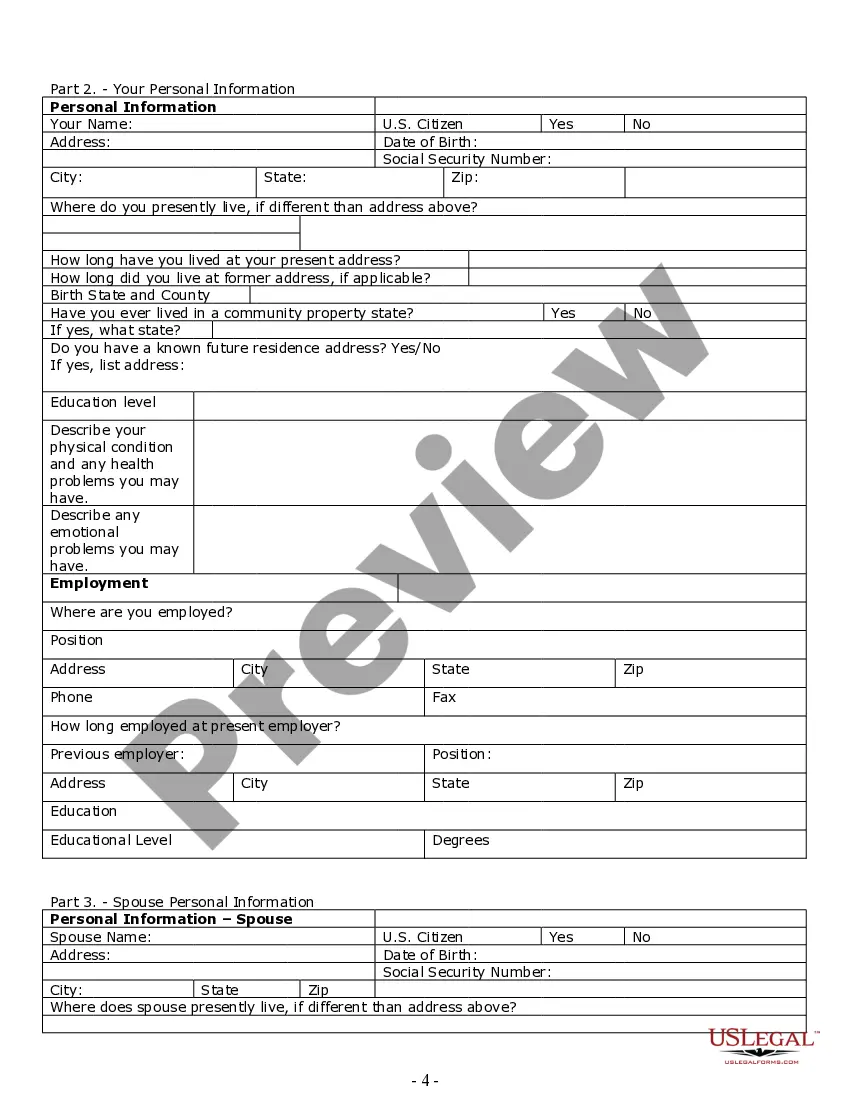


Get your form ready online
Our built-in tools help you complete, sign, share, and store your documents in one place.
Make edits, fill in missing information, and update formatting in US Legal Forms—just like you would in MS Word.
Download a copy, print it, send it by email, or mail it via USPS—whatever works best for your next step.
Sign and collect signatures with our SignNow integration. Send to multiple recipients, set reminders, and more. Go Premium to unlock E-Sign.
If this form requires notarization, complete it online through a secure video call—no need to meet a notary in person or wait for an appointment.
We protect your documents and personal data by following strict security and privacy standards.

Make edits, fill in missing information, and update formatting in US Legal Forms—just like you would in MS Word.

Download a copy, print it, send it by email, or mail it via USPS—whatever works best for your next step.

Sign and collect signatures with our SignNow integration. Send to multiple recipients, set reminders, and more. Go Premium to unlock E-Sign.

If this form requires notarization, complete it online through a secure video call—no need to meet a notary in person or wait for an appointment.

We protect your documents and personal data by following strict security and privacy standards.
Looking for another form?

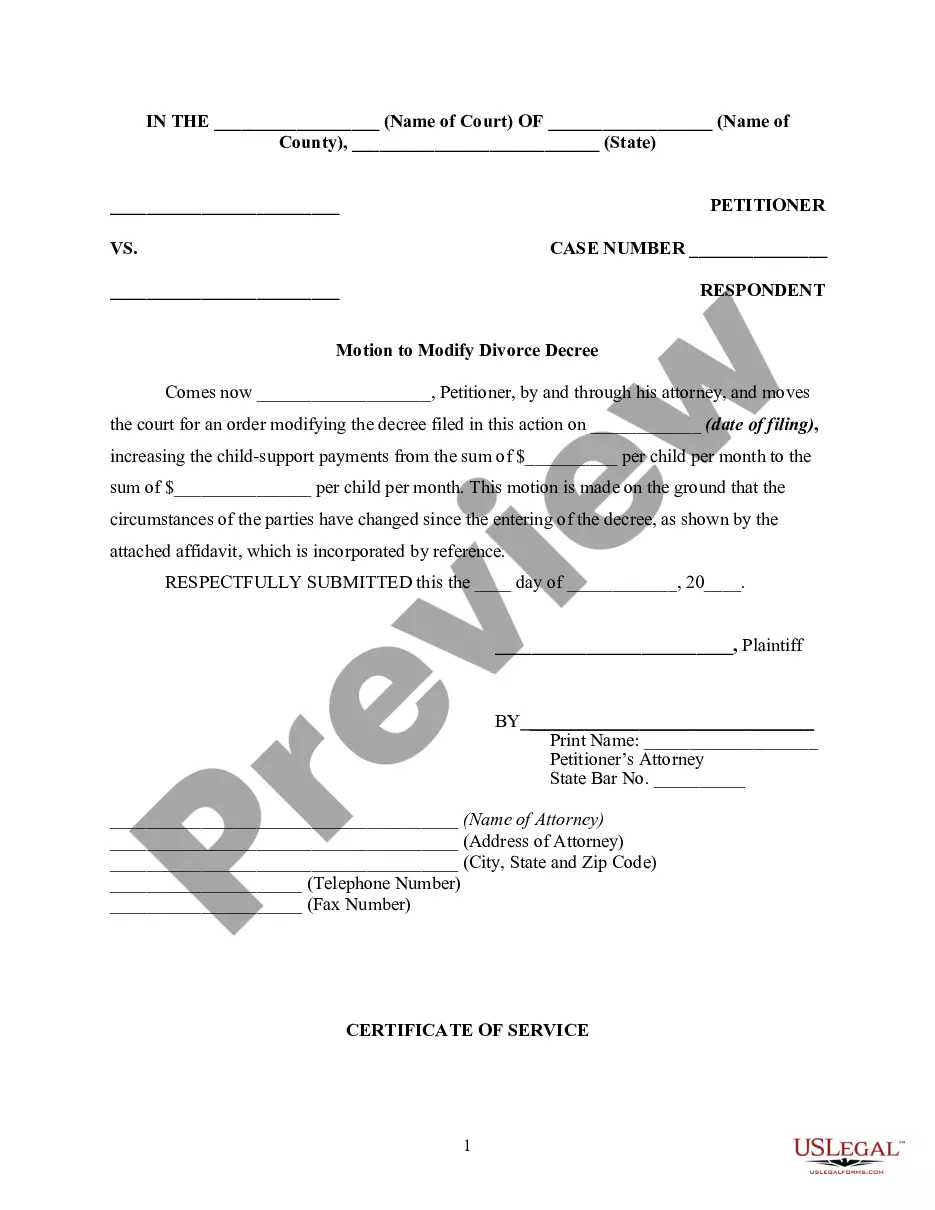

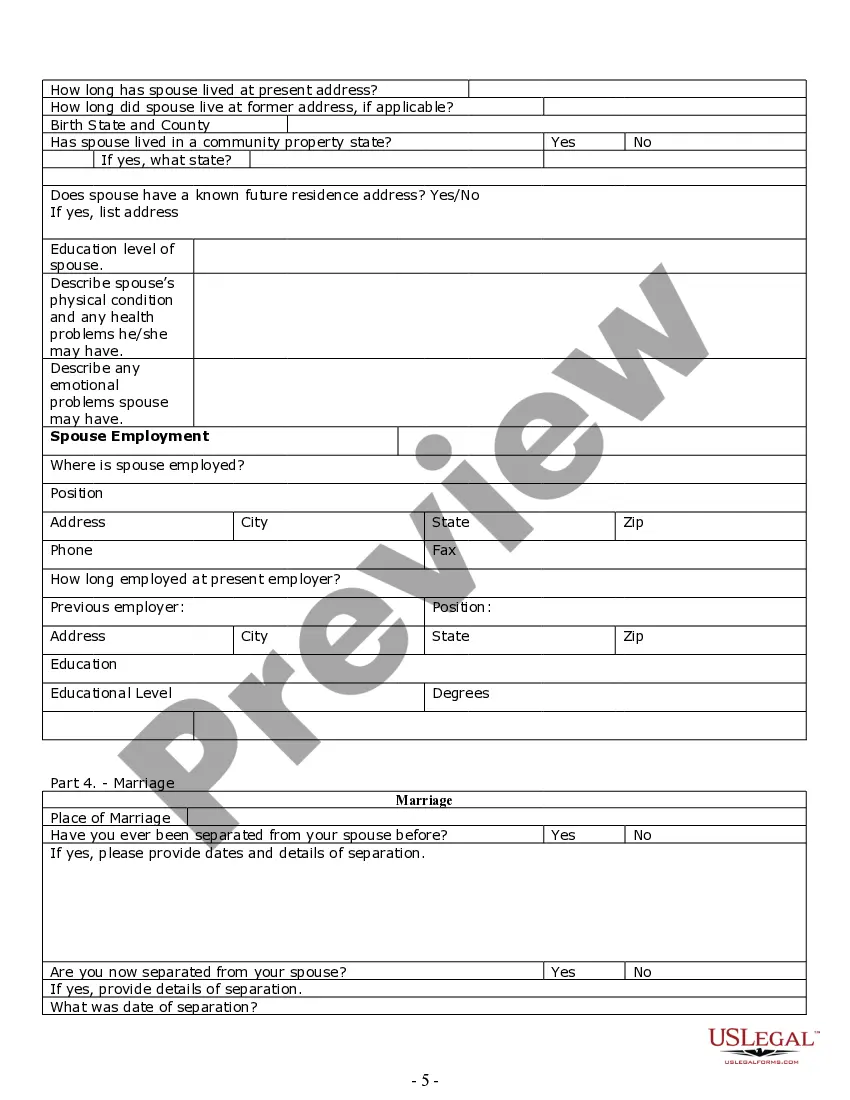
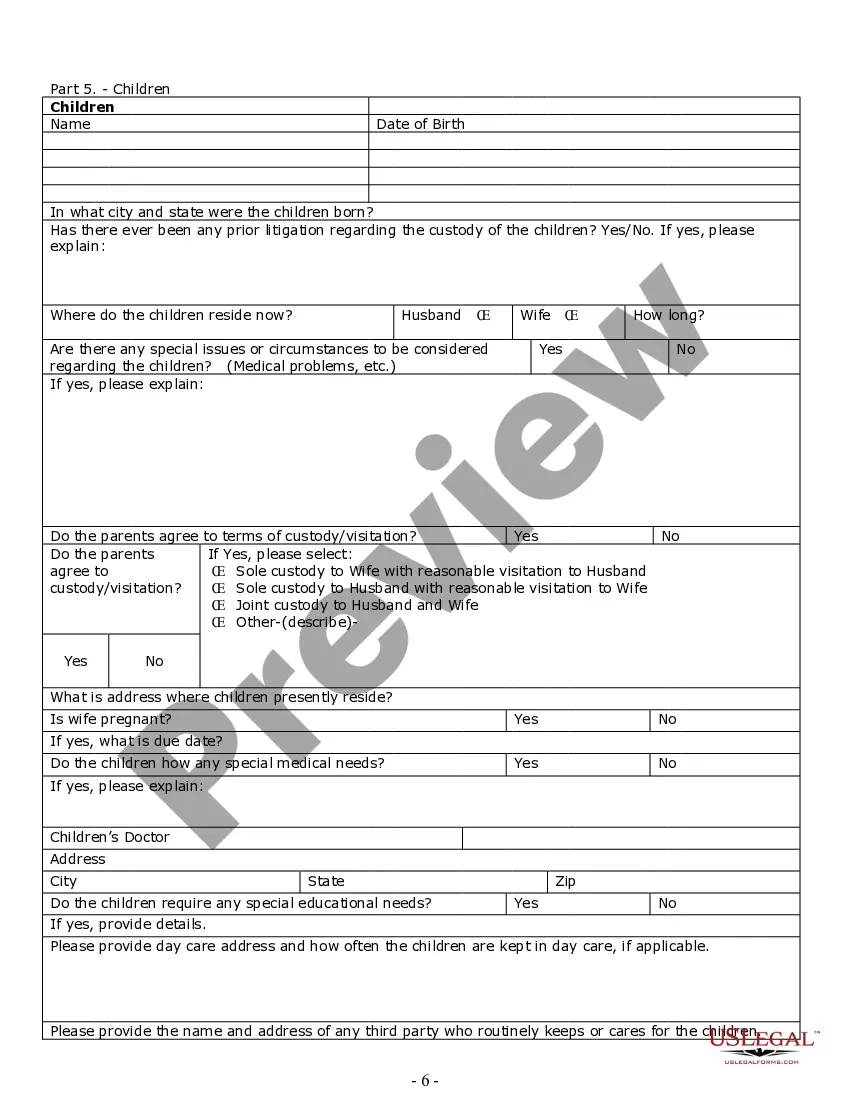
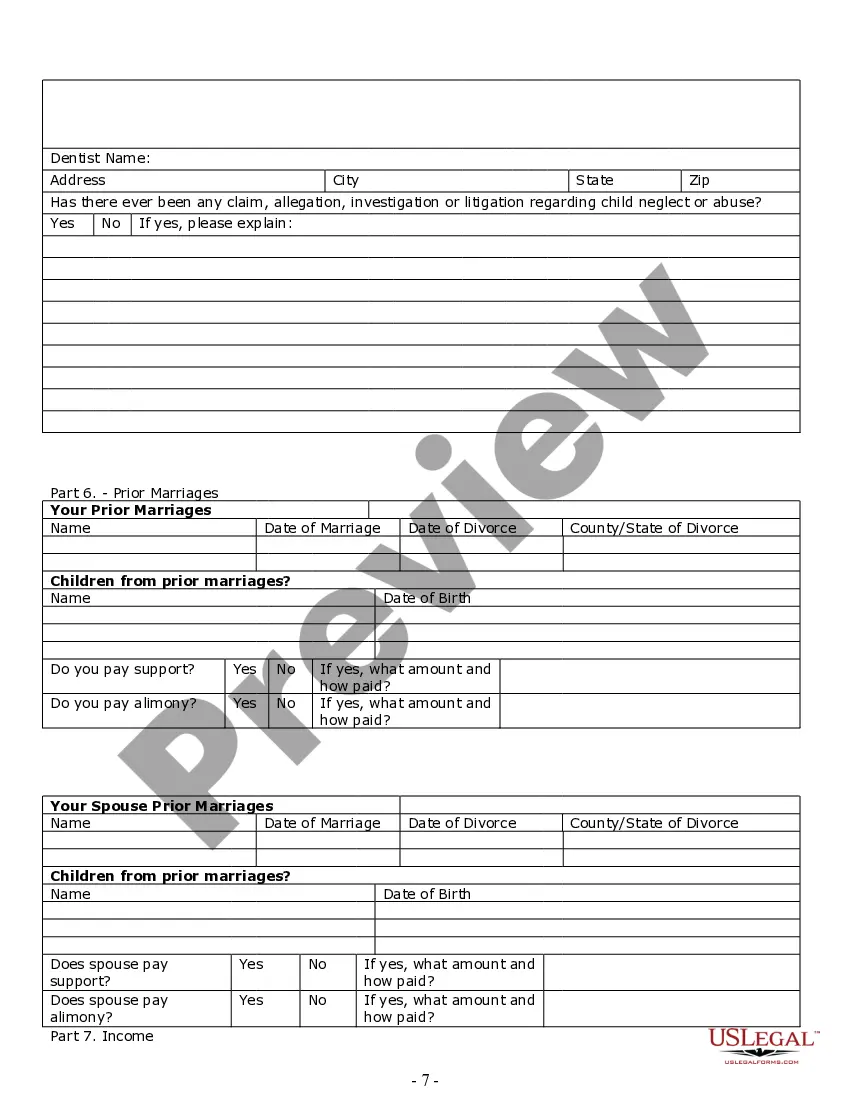
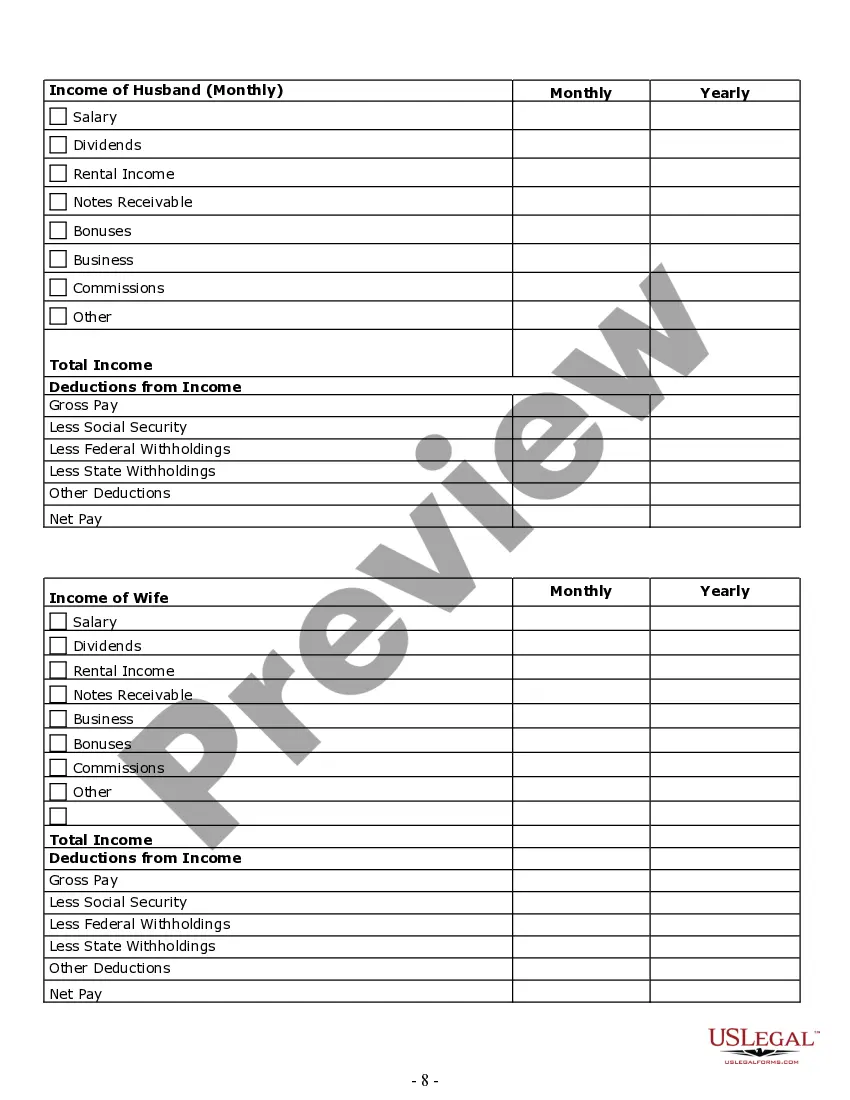
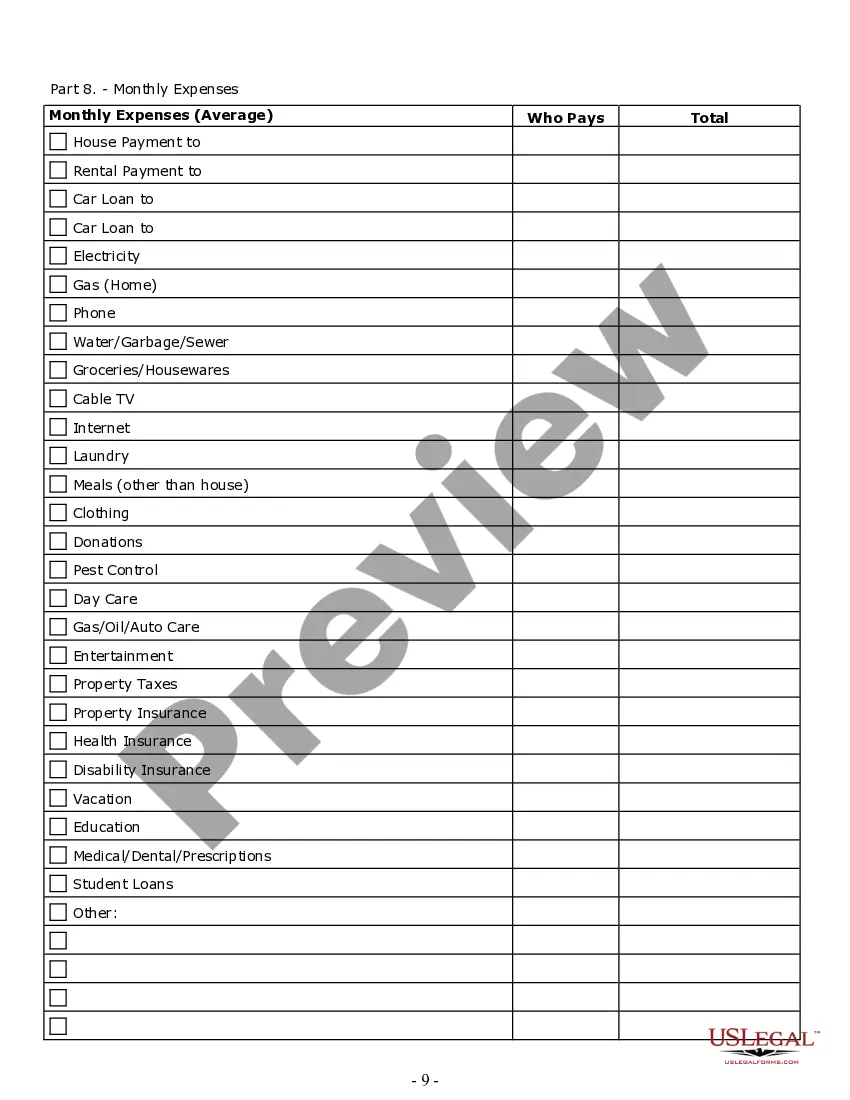
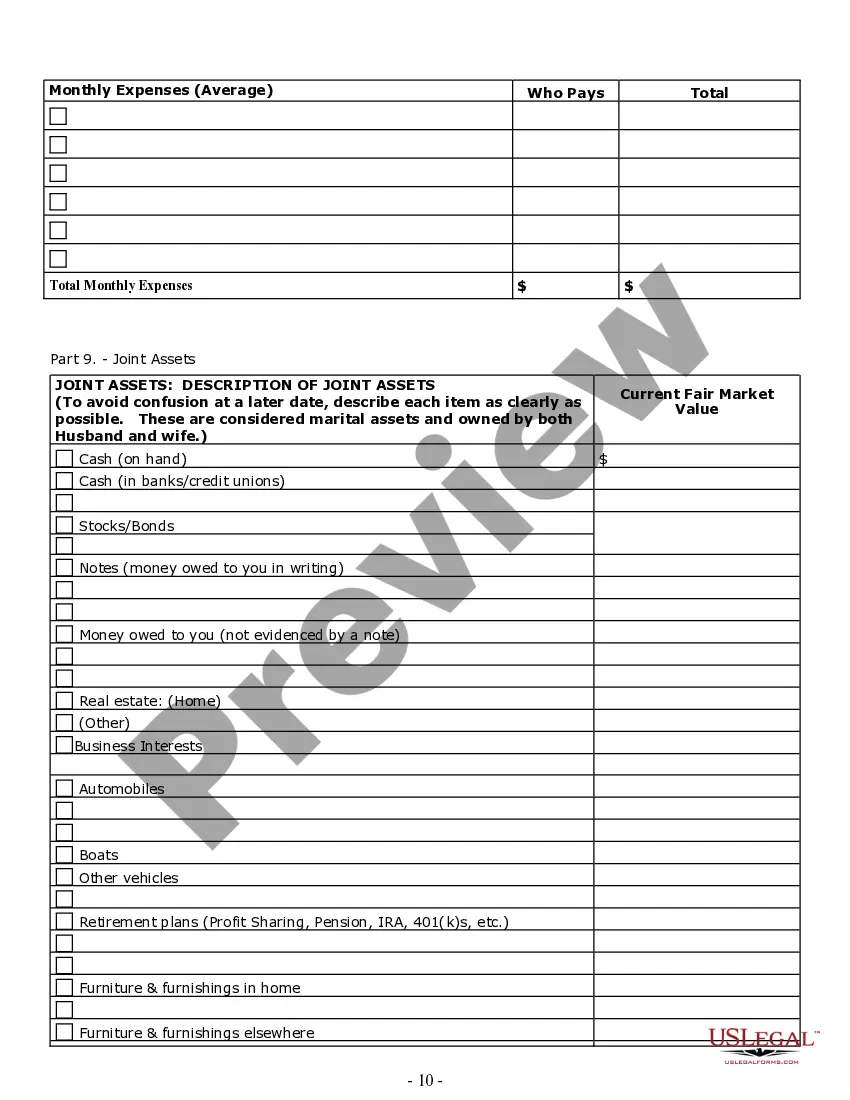
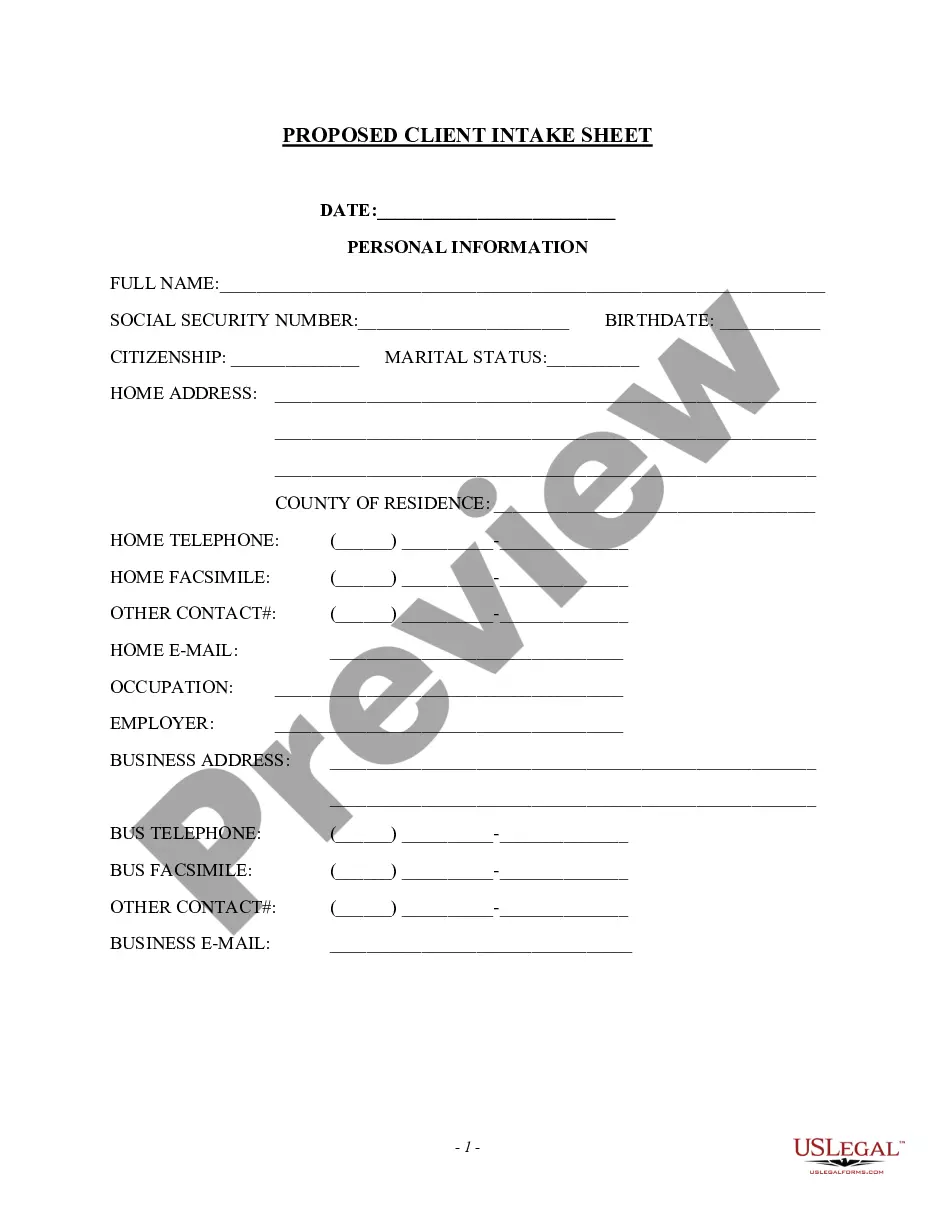
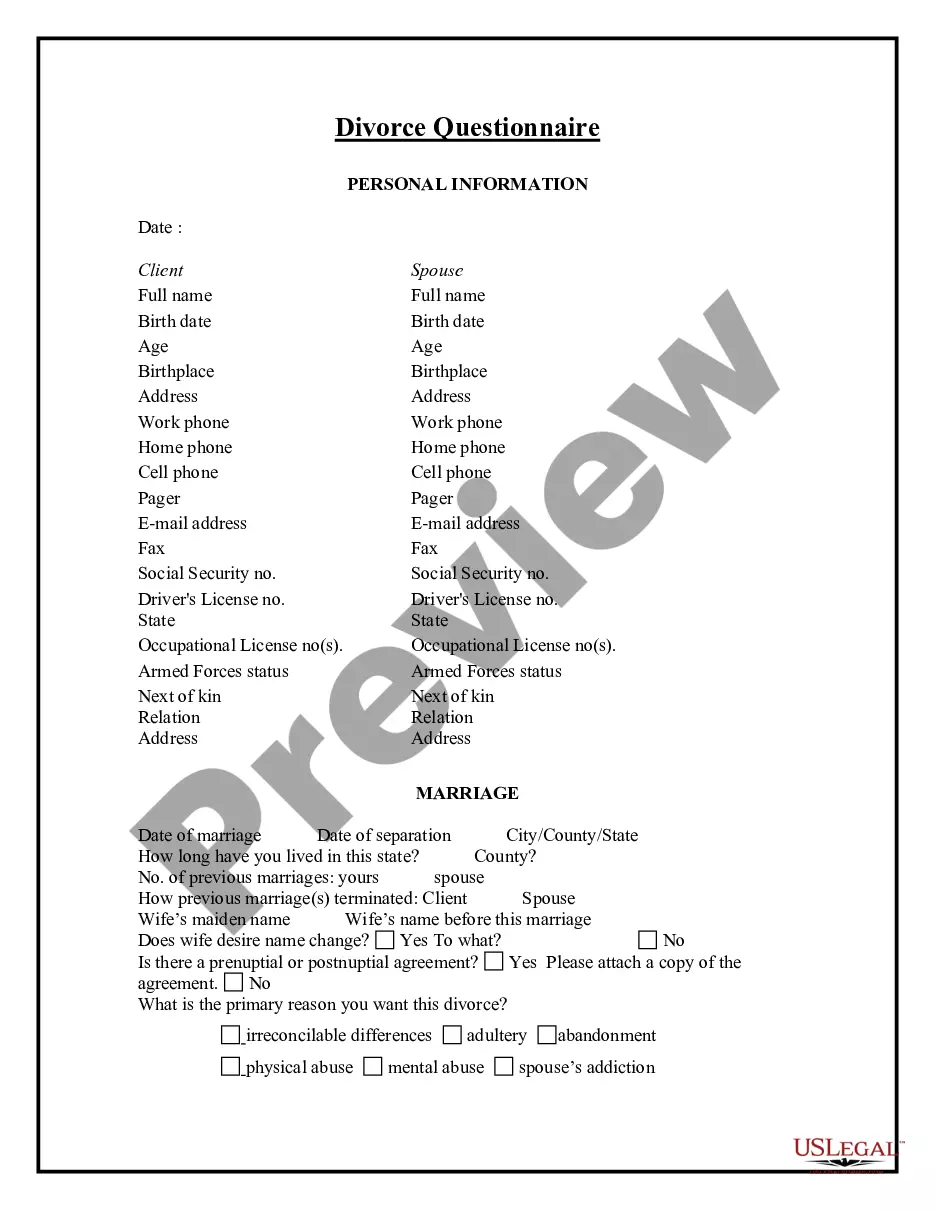
How to fill out Texas Divorce Worksheet And Law Summary For Contested Or Uncontested Case Of Over 25 Pages - Ideal Client Interview Form?
- Visit the US Legal Forms website and log into your account. If you are a new user, you can easily sign up.
- Once logged in, check the Preview mode for the Texas divorce with real property form to ensure it meets your local jurisdiction requirements.
- If the form does not meet your needs, utilize the Search tab to find an alternative template.
- Select the appropriate form by clicking 'Buy Now' and register for a subscription plan of your choice.
- Complete your purchase by entering your payment information or using your PayPal account to secure access.
- Download the form directly to your device and find it later in 'My Forms' within your profile.
In conclusion, using US Legal Forms not only provides you with a vast collection of over 85,000 easily editable legal forms but also ensures you have access to premium experts for assistance. This makes it the go-to choice for anyone facing a Texas divorce with real property.
Start your journey towards a smoother divorce process today by visiting US Legal Forms and accessing the forms you need.
Form popularity
FAQ
To file for divorce in Texas, at least one spouse must have lived in the state for six months prior to the filing. Additionally, the couple must have resided in the county where they intend to file for at least 90 days. Understanding these requirements is crucial, especially when dealing with a Texas divorce with real property. If you have questions about how these residency rules apply to your situation, consider exploring the resources at US Legal Forms for further guidance.
While an uncontested divorce is often quicker and less expensive, there are potential disadvantages to consider. If agreements are not thoroughly documented, disputes may arise later, particularly regarding asset division and child custody. Additionally, both parties must be fully aware of their rights; seeking guidance during the process can help you avoid misunderstandings.
In Texas, while the default principle is community property, which generally leads to an equal split, it doesn’t always mean assets are divided equally. Courts may consider various factors such as the length of marriage, children's needs, and individual contributions. Therefore, understanding your rights and options is crucial, and professional assistance can provide clarity on your situation.
An uncontested divorce with real property in Texas refers to a situation where both spouses agree on the terms of their divorce, including the division of any real estate. This type of divorce can simplify the process, enabling quick settlement without court disputes. With the help of resources like uslegalforms, you can ensure all necessary documentation is completed correctly.
In Texas, even if the house is solely in your name, marital property laws apply, which means that your spouse may have a claim to a share. Texas is a community property state, so any home acquired during the marriage is considered marital property. It’s advisable to consult with legal experts or use platforms like uslegalforms to define ownership clearly in your divorce.
In a Texas divorce, the house can be awarded to one spouse as part of property division, but either party can also buy out the other’s interest. The agreement usually depends on factors such as the children’s residency, the income of each spouse, and the contributions made towards the property. An amicable settlement often leads to a smoother transition without prolonged disputes.
An uncontested divorce in Texas typically takes about 60 days from the time of filing, but the timeline can vary based on the case's specifics. If both parties agree on the terms, the process can be quick and efficient. Using platforms like uslegalforms can help streamline documentation and reduce the overall time needed for finalization.
In an uncontested divorce in Texas, both parties can agree on how to divide real property, such as a house. Generally, the division of property depends on your mutual decisions, often aiming for a fair distribution based on your circumstances. If an agreement is reached, the title can be transferred smoothly without court intervention, making the process simpler.
It is possible to get a divorce in Texas without going to court by opting for an uncontested divorce. If both parties agree on issues like division of real property and child custody, they can complete the legal paperwork and submit it to the court. Once the court reviews and approves the documents, it can finalize your divorce without requiring a court hearing. This method is often a smoother option for couples managing real property under Texas divorce with real property regulations.
Yes, you can file for divorce in Texas without going to court through an uncontested divorce process. In this case, both spouses agree on property division and other terms, which simplifies the procedure. You will need to file the necessary paperwork, and when accepted, the court may finalize your divorce without a hearing. This approach can be beneficial, particularly for couples with real property, as it saves time and potential stress associated with court appearances.