Texas Correction Grantor Contract For Non Residents
Description

Get your form ready online
Our built-in tools help you complete, sign, share, and store your documents in one place.
Make edits, fill in missing information, and update formatting in US Legal Forms—just like you would in MS Word.
Download a copy, print it, send it by email, or mail it via USPS—whatever works best for your next step.
Sign and collect signatures with our SignNow integration. Send to multiple recipients, set reminders, and more. Go Premium to unlock E-Sign.
If this form requires notarization, complete it online through a secure video call—no need to meet a notary in person or wait for an appointment.
We protect your documents and personal data by following strict security and privacy standards.

Make edits, fill in missing information, and update formatting in US Legal Forms—just like you would in MS Word.

Download a copy, print it, send it by email, or mail it via USPS—whatever works best for your next step.

Sign and collect signatures with our SignNow integration. Send to multiple recipients, set reminders, and more. Go Premium to unlock E-Sign.

If this form requires notarization, complete it online through a secure video call—no need to meet a notary in person or wait for an appointment.

We protect your documents and personal data by following strict security and privacy standards.
Looking for another form?






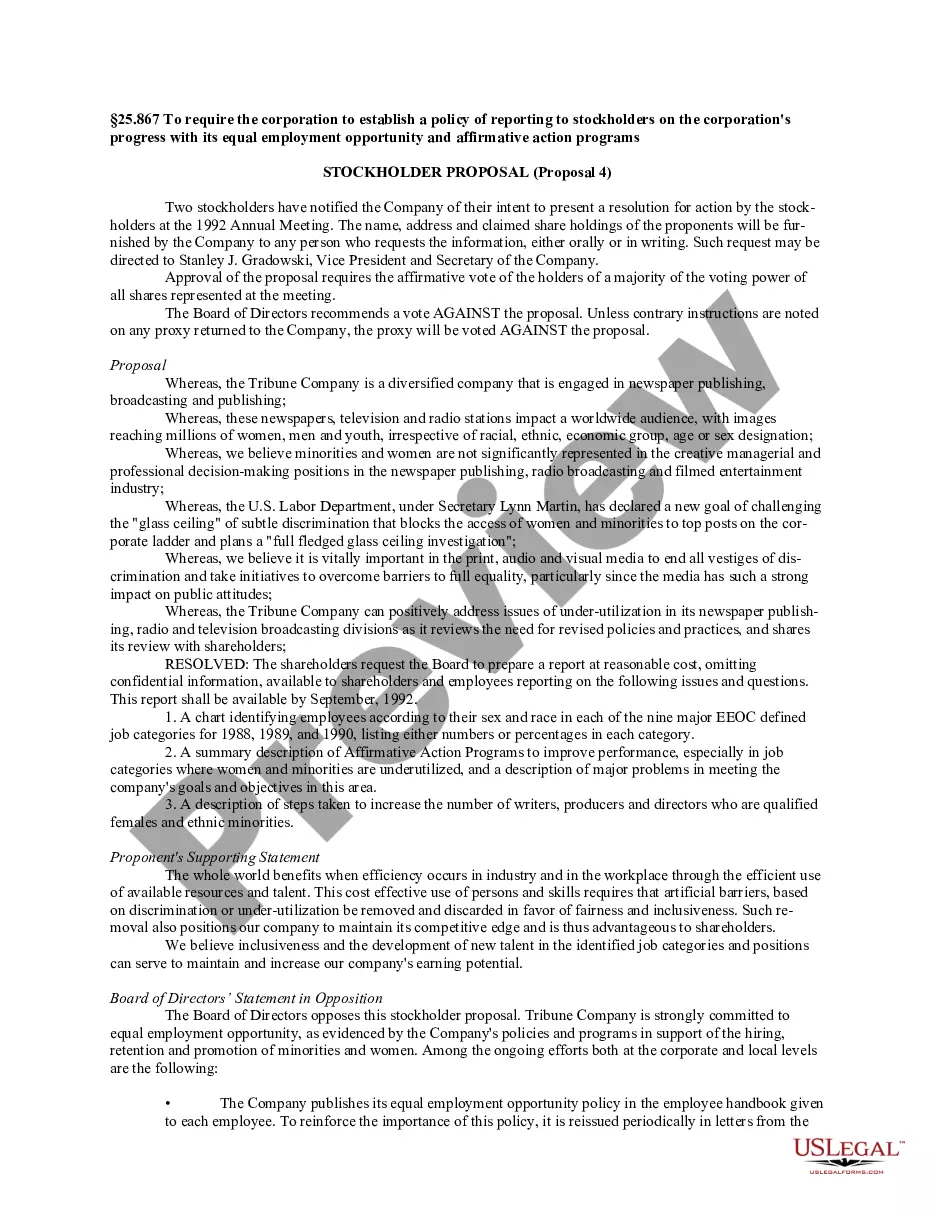
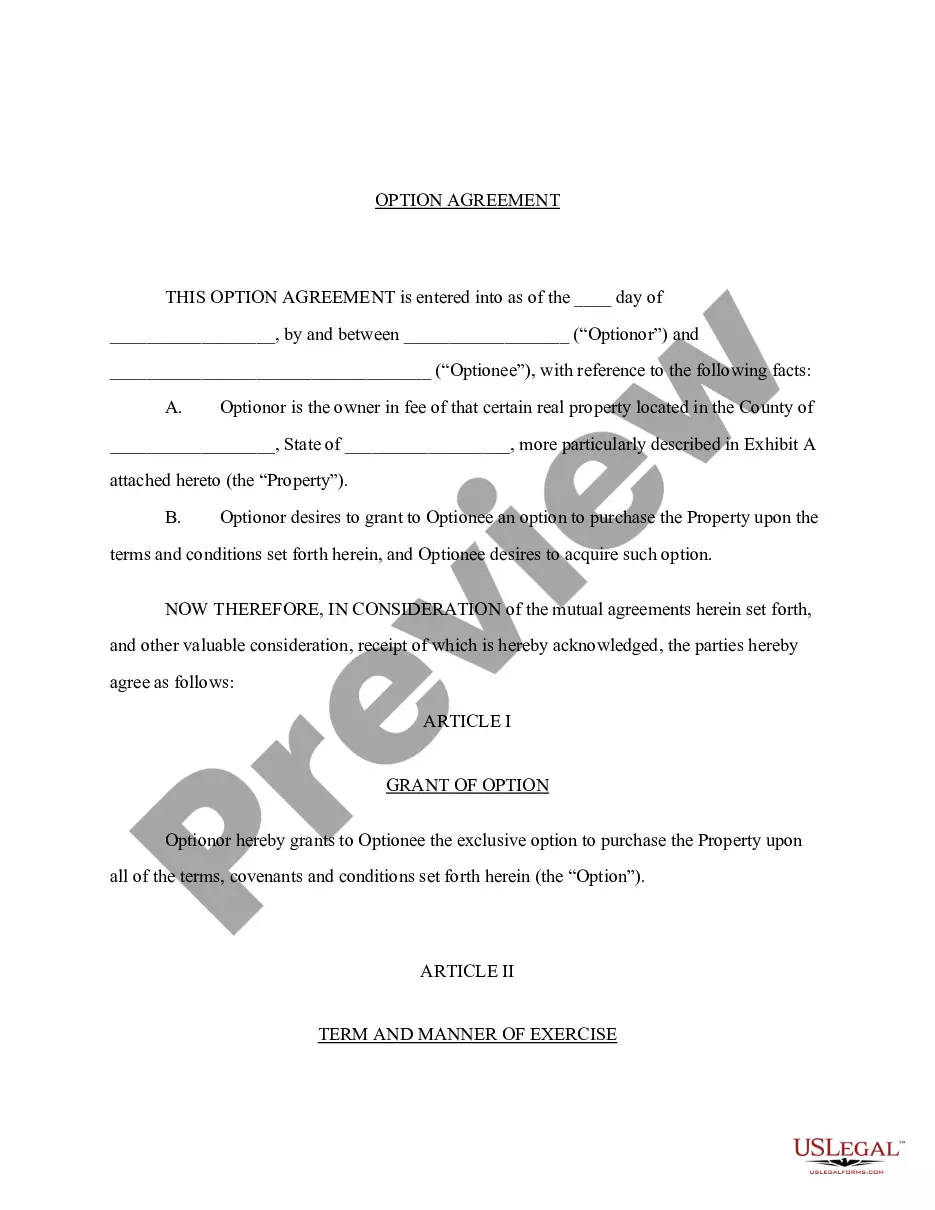


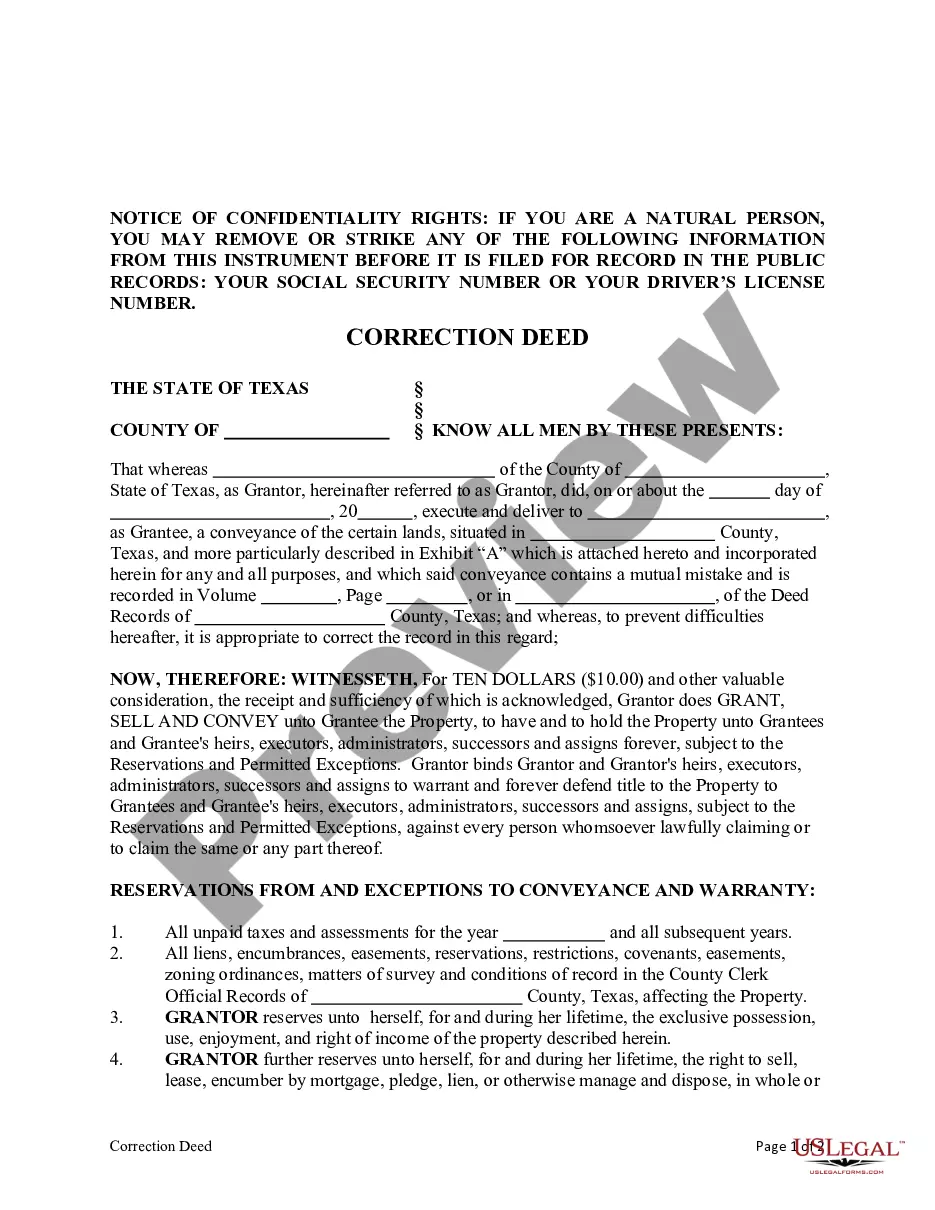
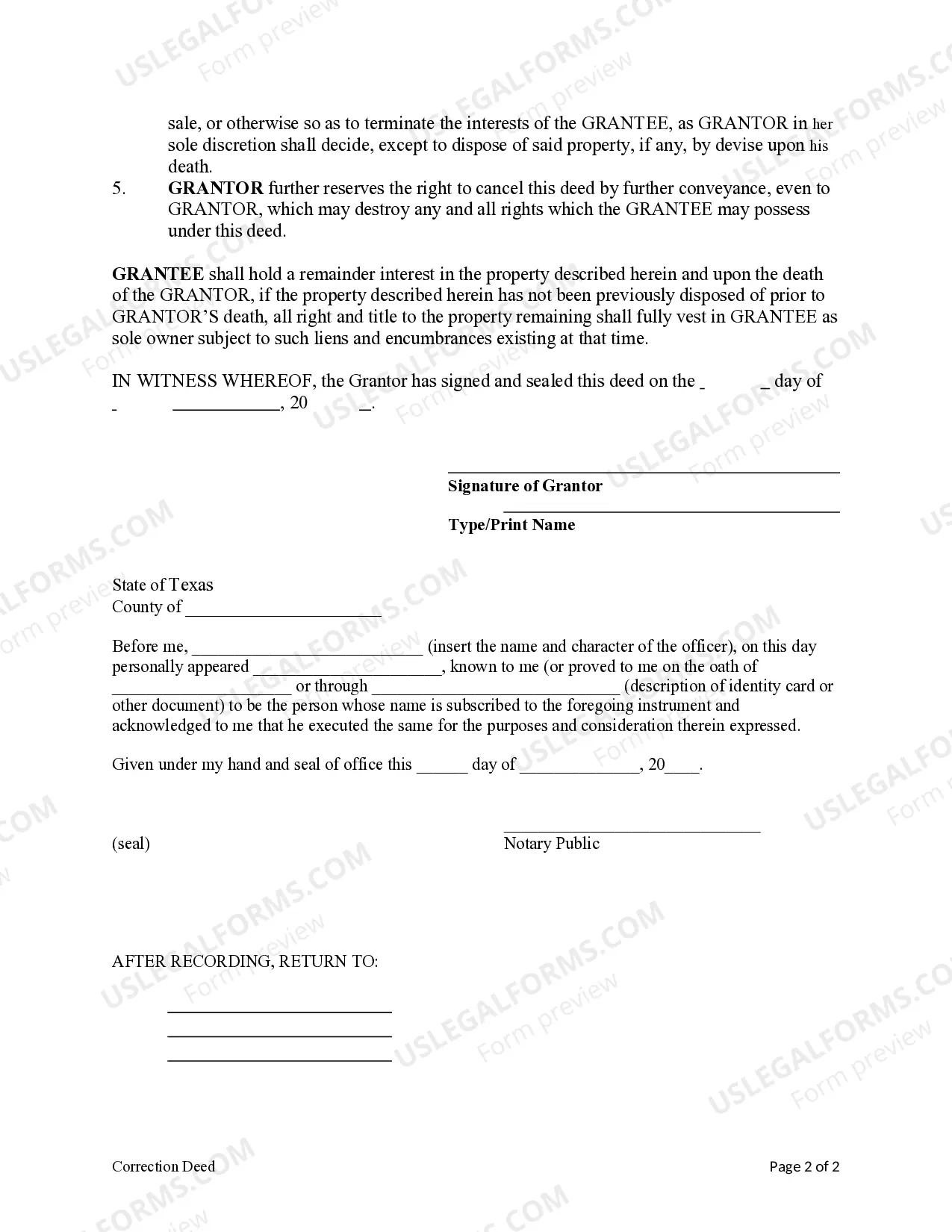
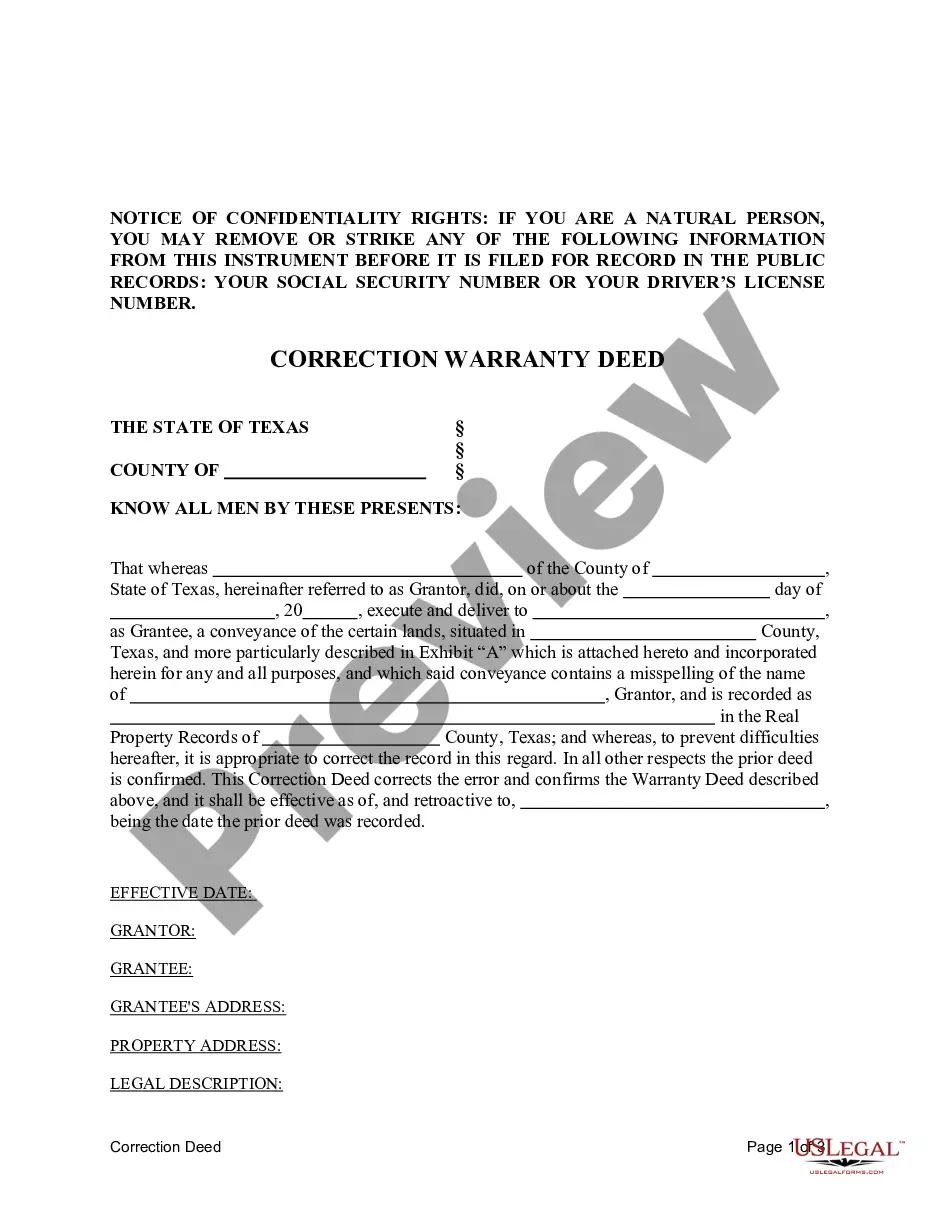
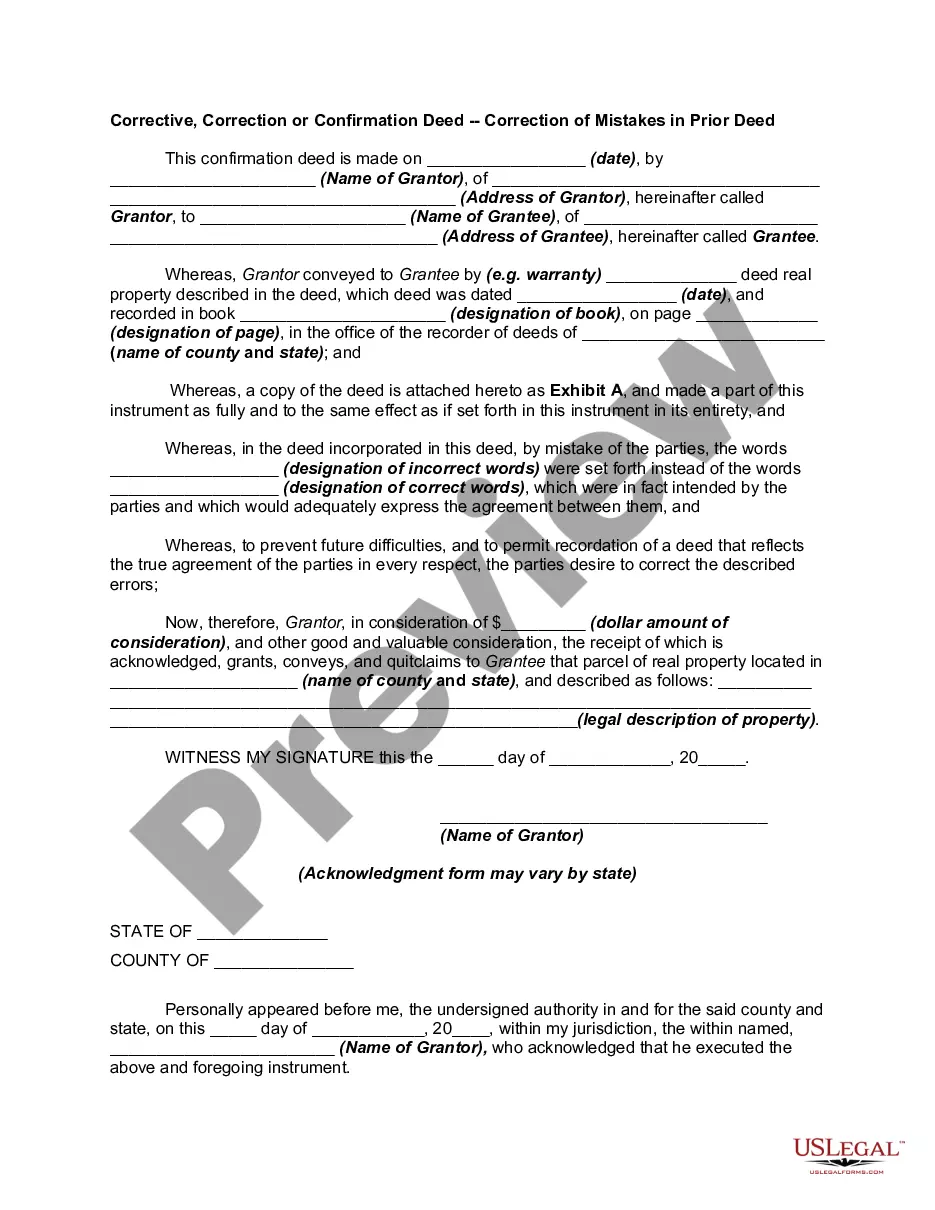
How to fill out Texas Correction Deed - Prior Deed From An Individual To An Individual?
- If you’re an existing user, log in to your account, validate your subscription, and download the Texas correction grantor contract by hitting the Download button.
- For first-time users, start by reviewing the Preview mode and description of the document to confirm it meets your needs and aligns with your jurisdiction's requirements.
- Utilize the Search tab if you need different documents; find the correct form and proceed to the next step.
- Purchase the document by clicking the Buy Now button and selecting the subscription plan that fits your needs. Remember to create an account for access.
- Complete your purchase using your credit card or PayPal, ensuring secure transaction processing.
- Download your Texas correction grantor contract and save it on your device. You can access it anytime in the My Forms section of your profile.
US Legal Forms offers a robust collection of over 85,000 legal forms, empowering both individuals and attorneys to create legally sound documents quickly.
Start your journey toward efficient document processing today. Visit US Legal Forms and streamline your legal needs!
Form popularity
FAQ
A corrective deed specifically addresses mistakes within an existing deed, ensuring the legal record reflects the true intent of the parties. In contrast, a confirmatory deed reaffirms the original deed without alterations. As a non-resident, it's important to understand these distinctions when handling your Texas correction grantor contract for non residents, as it impacts property rights.
A correction deed is a legal document used to correct errors or omissions in a previously recorded deed. It clarifies the intentions of the parties involved without changing the original conveyance of property. Understanding this document is crucial for non-residents dealing with property issues in Texas, especially when managing a Texas correction grantor contract for non residents.
To correct a deed in Texas, you typically need to prepare a correction deed which clearly states the errors to be amended. This document must be signed by the original grantor and recorded with the county clerk. If you're a non-resident navigating this process, consider using resources from US Legal Forms for guidance to ensure your Texas correction grantor contract for non residents is accurately prepared.
Yes, Texas form 05-102 can be electronically filed. This electronic process facilitates quicker submissions, making it easier for individuals, including non-residents, to manage their Texas correction grantor contract for non residents. Utilizing online platforms like US Legal Forms can streamline the filing process, ensuring compliance with Texas regulations.
Yes, anyone can draft a real estate contract in Texas. However, it is crucial to understand that such contracts must meet legal standards to be enforceable. For non-residents, utilizing the Texas correction grantor contract for non residents can ensure that all necessary criteria are fulfilled, leading to a smoother transaction.
Yes, anyone can use a Texas Real Estate Commission (TREC) contract in Texas, provided they follow licensing regulations. However, non-residents must ensure they comply with local laws and regulations. Using a Texas correction grantor contract for non residents can help maintain compliance and avoid potential pitfalls.
Yes, Texas real estate contracts are generally assignable unless the contract explicitly states otherwise. This means a party can transfer their rights and obligations to another individual. For non-residents, leveraging the Texas correction grantor contract for non residents can streamline this assignment process.
No, a real estate agent cannot work independently without a broker in Texas. Texas law requires all agents to operate under the supervision of a licensed broker. If you are a non-resident looking to engage in real estate transactions, understanding this aspect can save time and effort.
To file a memorandum of contract in Texas, you first need to draft your contract clearly and include all essential details. After drafting, you must file the memorandum with the county clerk where the property is located. Choosing the Texas correction grantor contract for non residents can assist you in completing this process correctly.
In Texas, anyone with an ownership interest in the property can file a correction deed. This includes both residents and non-residents. Utilizing a Texas correction grantor contract for non residents can simplify the process and ensure that all necessary requirements are met.