Correction Deed Example With Solution
Description
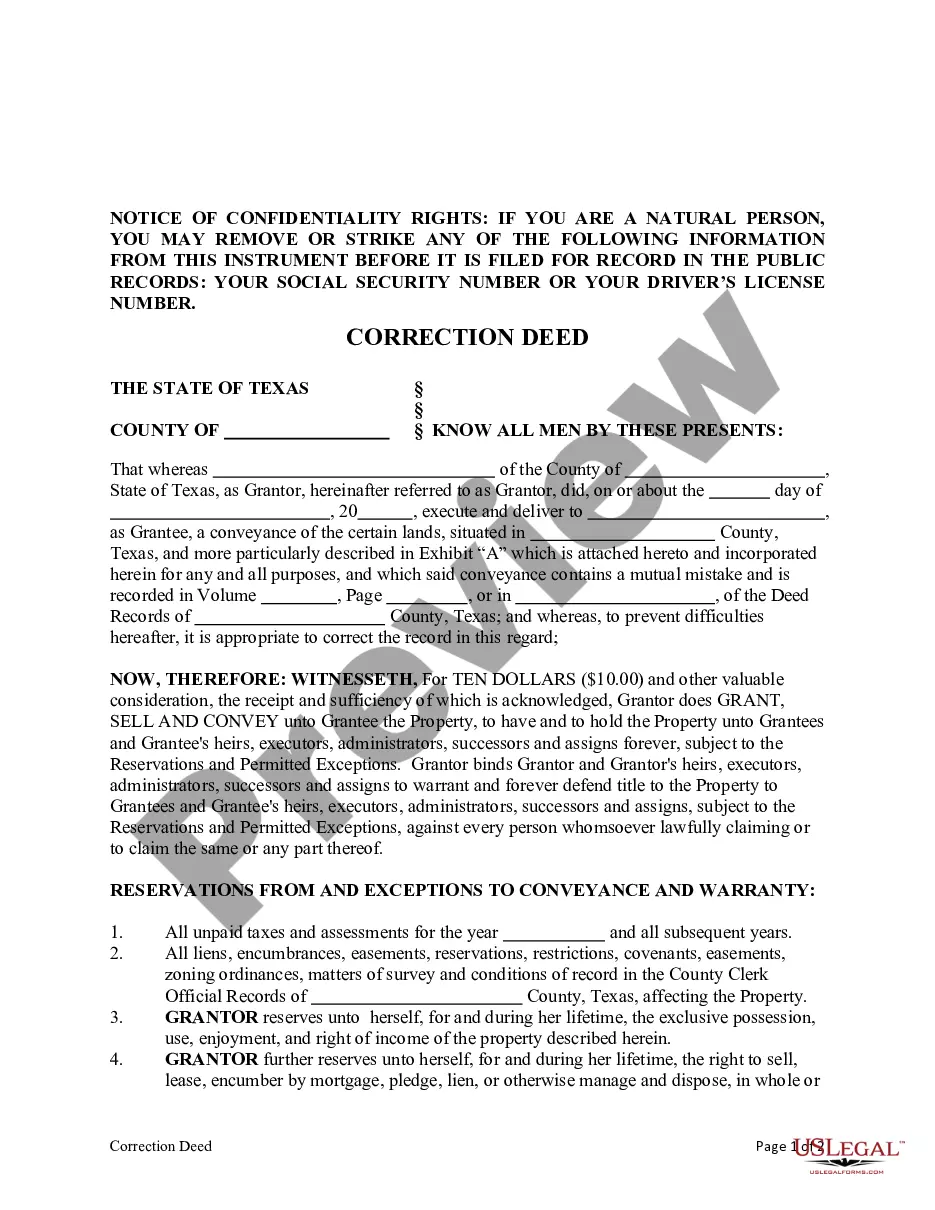
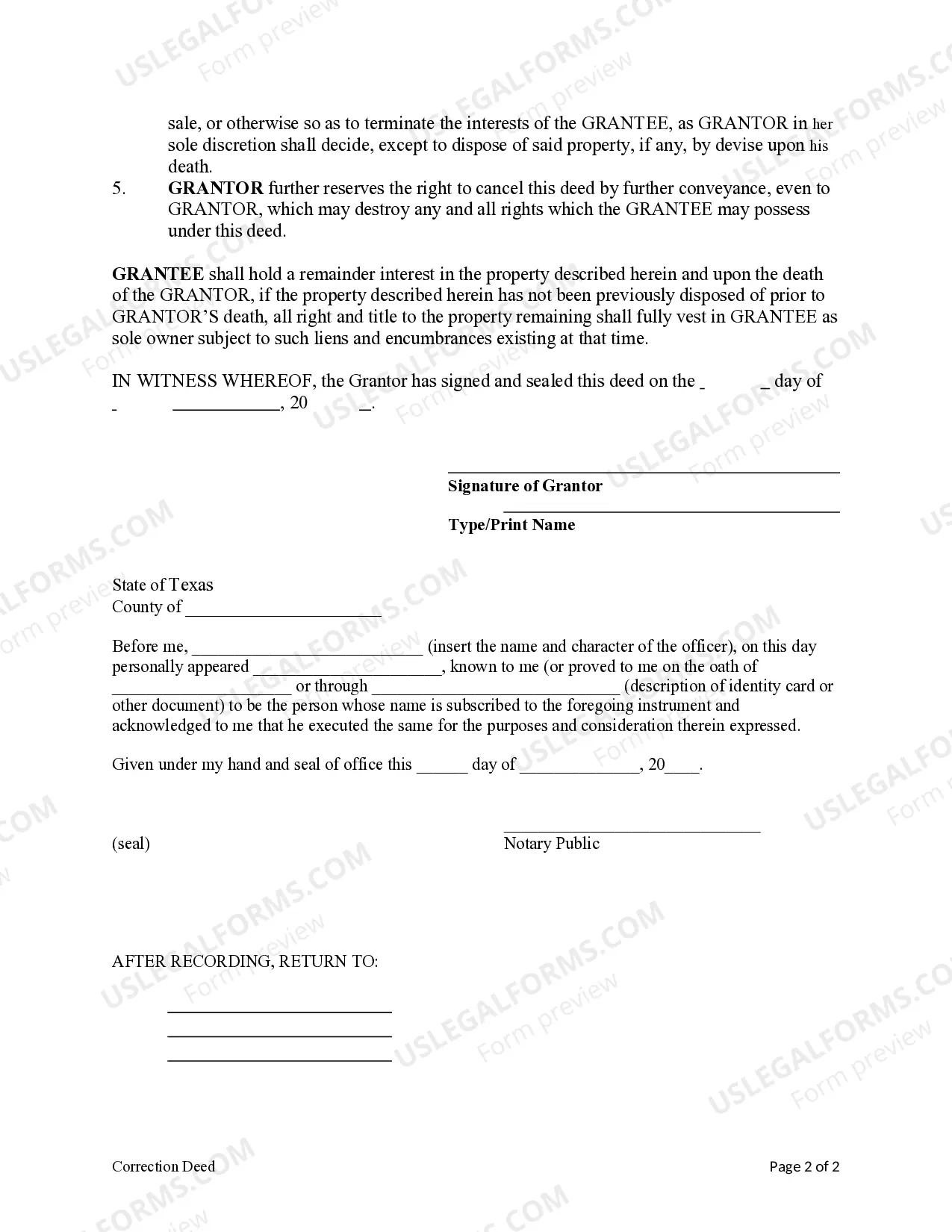
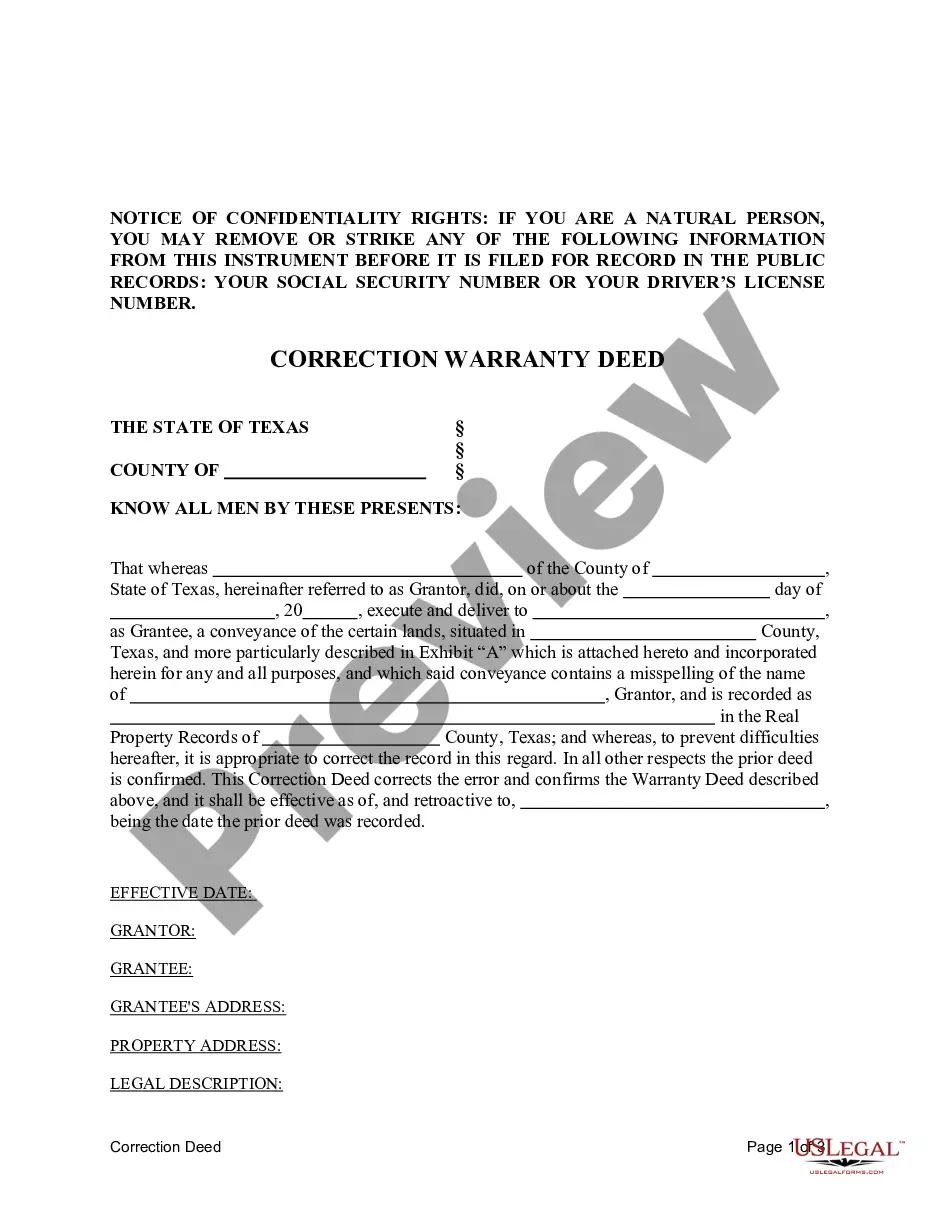
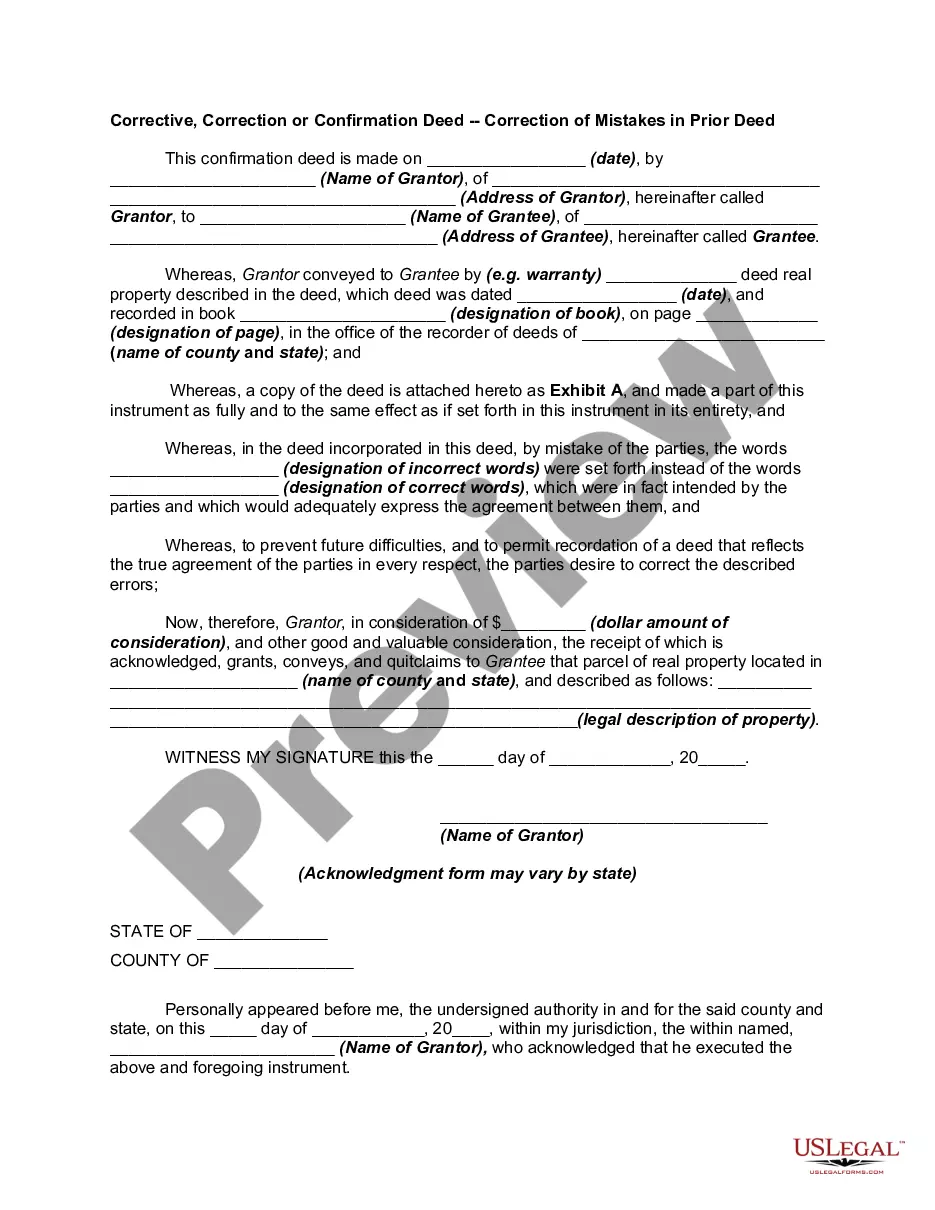

Get your form ready online
Our built-in tools help you complete, sign, share, and store your documents in one place.
Make edits, fill in missing information, and update formatting in US Legal Forms—just like you would in MS Word.
Download a copy, print it, send it by email, or mail it via USPS—whatever works best for your next step.
Sign and collect signatures with our SignNow integration. Send to multiple recipients, set reminders, and more. Go Premium to unlock E-Sign.
If this form requires notarization, complete it online through a secure video call—no need to meet a notary in person or wait for an appointment.
We protect your documents and personal data by following strict security and privacy standards.

Make edits, fill in missing information, and update formatting in US Legal Forms—just like you would in MS Word.

Download a copy, print it, send it by email, or mail it via USPS—whatever works best for your next step.

Sign and collect signatures with our SignNow integration. Send to multiple recipients, set reminders, and more. Go Premium to unlock E-Sign.

If this form requires notarization, complete it online through a secure video call—no need to meet a notary in person or wait for an appointment.

We protect your documents and personal data by following strict security and privacy standards.
Looking for another form?
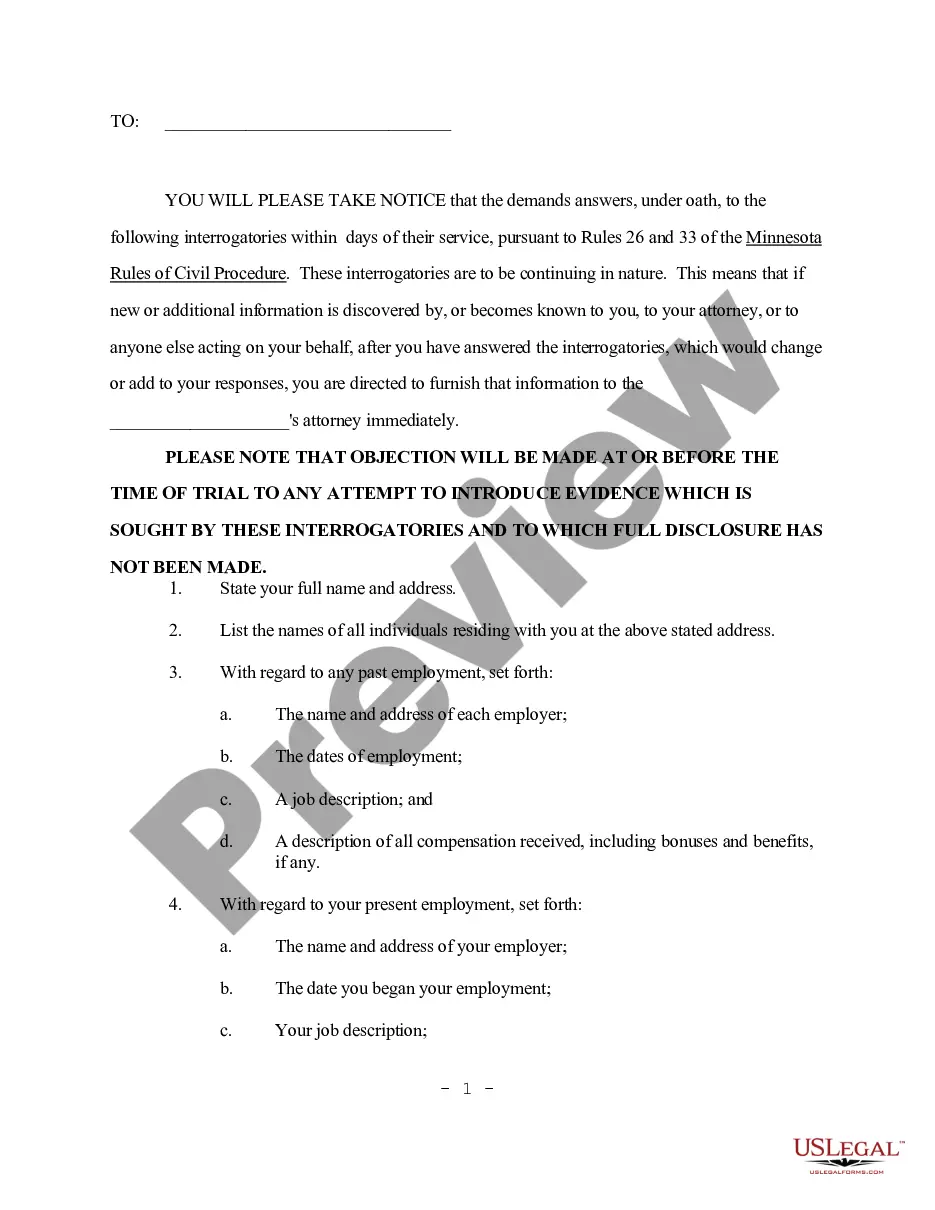
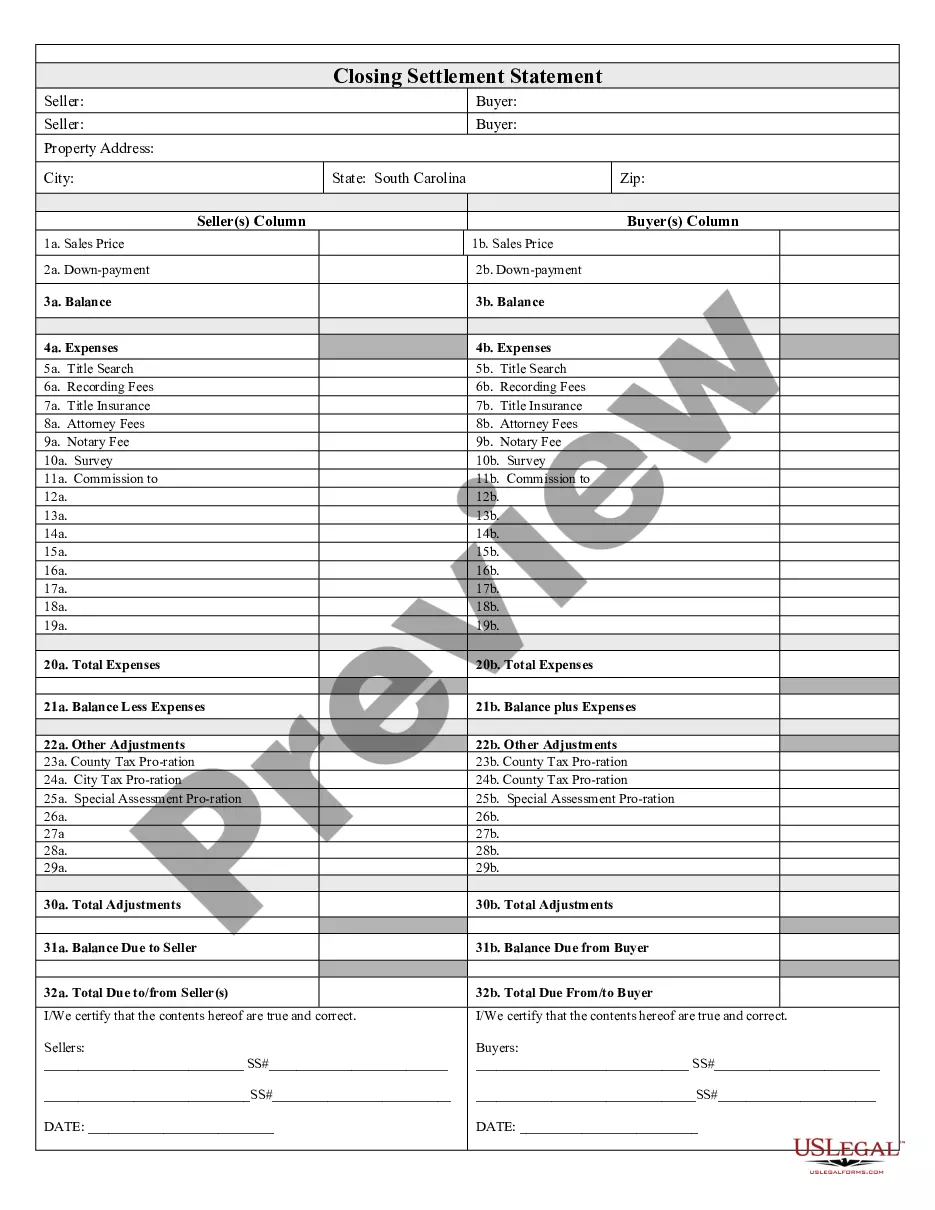
How to fill out Texas Correction Deed - Prior Deed From An Individual To An Individual?
Finding a reliable location to obtain the latest and suitable legal templates is half the challenge of navigating bureaucracy.
Locating the correct legal documents requires precision and carefulness, which is why it is essential to acquire samples of Correction Deed Example With Solution exclusively from reputable sources, such as US Legal Forms. An incorrect template can squander your time and delay the situation you are facing. With US Legal Forms, you have minimal cause for concern. You can access and review all the specifics regarding the document’s application and significance for your circumstances and within your state or region.
Eliminate the inconvenience associated with your legal paperwork. Explore the comprehensive US Legal Forms catalog to find legal templates, verify their applicability to your situation, and download them instantly.
- Use the catalog navigation or search bar to locate your sample.
- Open the form’s description to verify if it aligns with the needs of your state and area.
- View the form preview, if available, to confirm that the template is the one you seek.
- Return to the search and find the appropriate document if the Correction Deed Example With Solution does not meet your needs.
- If you are confident about the form’s relevance, download it.
- As an authorized customer, click Log in to validate and access your chosen templates in My documents.
- If you lack a profile, click Buy now to acquire the form.
- Select the pricing plan that suits your requirements.
- Proceed to the registration to finalize your purchase.
- Complete your transaction by choosing a payment method (credit card or PayPal).
- Select the document format for downloading Correction Deed Example With Solution.
- Once you have the form on your device, you can edit it with the software or print it and complete it manually.
Form popularity
FAQ
A corrective deed is often used to correct errors in the original deed. This type of deed outlines the specific mistakes and provides the correct information to ensure accurate property records. For a practical reference, look for a correction deed example with solution to guide you through the correction process effectively.
In New Jersey, a corrective deed is used to amend errors in a previously recorded deed. This legal document is essential for clarifying discrepancies, such as misspelled names or incorrect property descriptions. To see how this works, a correction deed example with solution can help you visualize the necessary steps involved.
A deed can be amended by drafting a new document that specifies the changes needed. This amendment should be executed and recorded in the same manner as the original deed. For a clear understanding of how to proceed, reviewing a correction deed example with solution can provide useful insights and templates.
Yes, there is often a time limit for rectifying a deed, which can vary by state. Generally, it is advisable to make corrections as soon as you identify an error to avoid complications in the future. If you need to understand the timelines better, refer to a correction deed example with solution for insights on the process.
Yes, an Affidavit of correction must be notarized to ensure its authenticity. This step is crucial as it confirms that the signer has sworn to the accuracy of the corrections. If you're unsure about the process, a correction deed example with solution from uslegalforms can provide clarity and assistance.
To make a correction on a legal document, first identify the specific errors that need rectification. You may need to draft a correction deed that outlines the original information and the corrected details. For practical guidance, consider a correction deed example with solution found on platforms like uslegalforms, which provide templates and instructions.
Yes, a correction deed typically needs to be notarized to be legally valid. Notarization adds an extra layer of verification, ensuring all parties involved acknowledge the changes made to the original document. If you are looking for a correction deed example with solution, it's important to follow the notarization process properly.