Limited Liability Company Agreement Vs Articles Of Incorporation
Description


Get your form ready online
Our built-in tools help you complete, sign, share, and store your documents in one place.
Make edits, fill in missing information, and update formatting in US Legal Forms—just like you would in MS Word.
Download a copy, print it, send it by email, or mail it via USPS—whatever works best for your next step.
Sign and collect signatures with our SignNow integration. Send to multiple recipients, set reminders, and more. Go Premium to unlock E-Sign.
If this form requires notarization, complete it online through a secure video call—no need to meet a notary in person or wait for an appointment.
We protect your documents and personal data by following strict security and privacy standards.

Make edits, fill in missing information, and update formatting in US Legal Forms—just like you would in MS Word.

Download a copy, print it, send it by email, or mail it via USPS—whatever works best for your next step.

Sign and collect signatures with our SignNow integration. Send to multiple recipients, set reminders, and more. Go Premium to unlock E-Sign.

If this form requires notarization, complete it online through a secure video call—no need to meet a notary in person or wait for an appointment.

We protect your documents and personal data by following strict security and privacy standards.
Looking for another form?









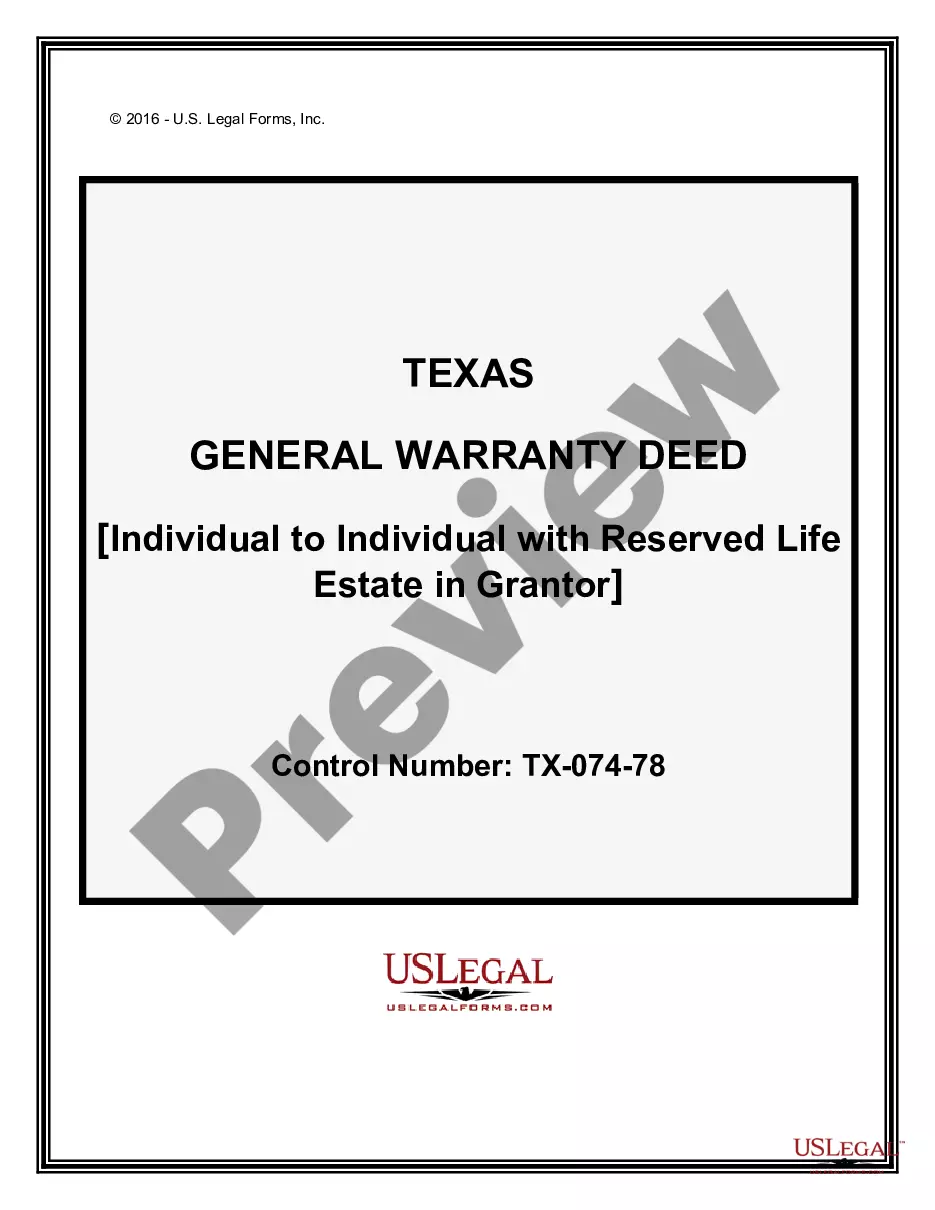
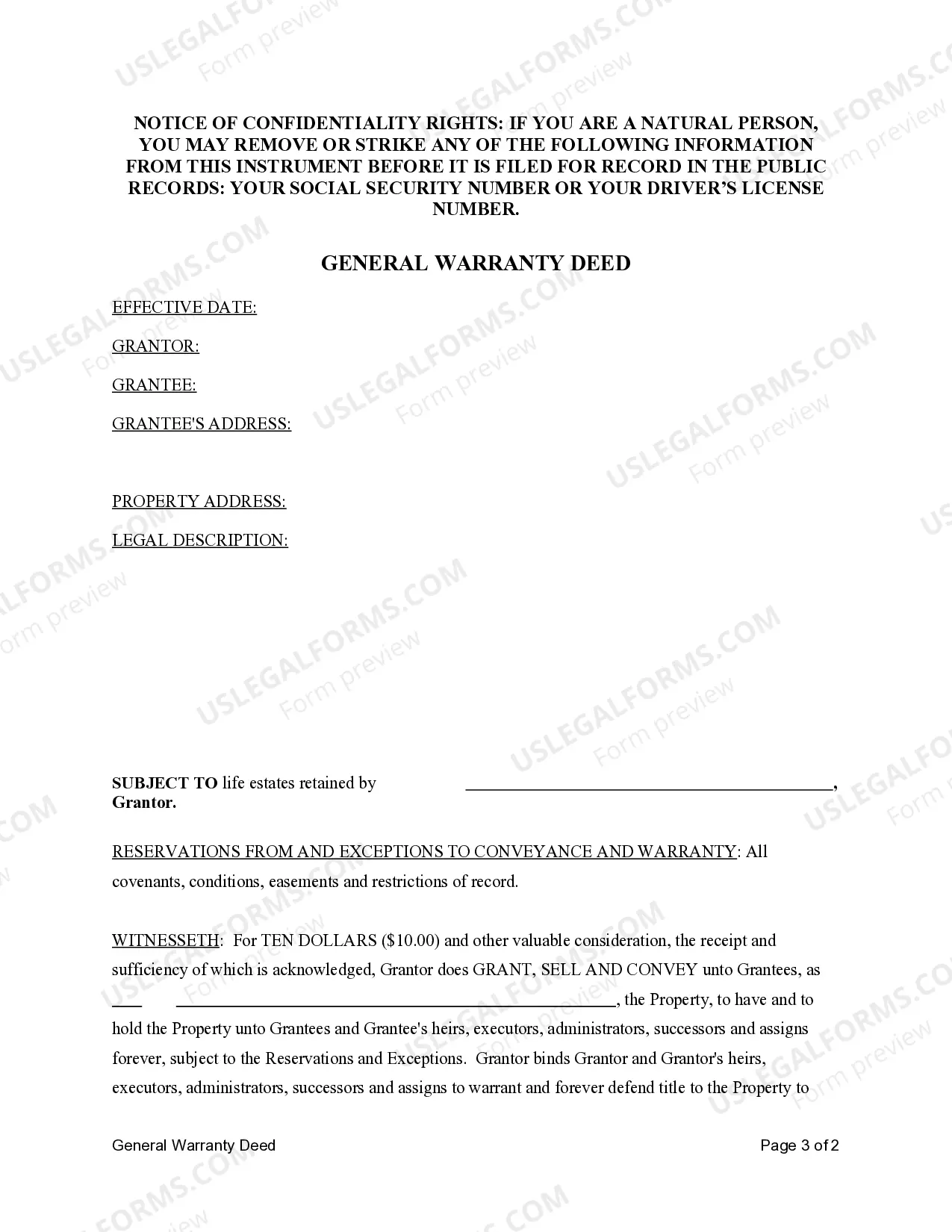
How to fill out Texas Assumption Warranty Deed - Husband And Wife To Limited Liability Company?
- Access your US Legal Forms account by logging in securely. If you haven’t registered yet, create an account to get started.
- Browse the extensive library of templates, focusing on the preview and form description to confirm alignment with your needs and jurisdiction.
- If necessary, utilize the search feature to find alternative templates that might better suit your requirements.
- Select the document and click the Buy Now button. Choose the subscription plan that works best for you.
- Complete your purchase by entering payment details or using your PayPal account to finalize the transaction.
- Once the purchase is confirmed, download your template. You can also access it anytime through the My Forms section in your profile.
US Legal Forms empowers individuals and attorneys to quickly execute legal documents, offering an extensive collection of over 85,000 editable forms. With access to premium experts for guidance, you can ensure your documents are accurate and legally compliant.
Take control of your business documentation today. Sign up for US Legal Forms to simplify your legal form needs!
Form popularity
FAQ
An LLC does not file articles of incorporation; instead, it files articles of organization. This document establishes the LLC's formation and includes essential details about the company. Whether you're comparing a limited liability company agreement vs articles of incorporation or dealing with LLC documents, understanding this distinction is vital. For any assistance, uslegalforms can provide the necessary templates and resources to help you navigate this process.
An Ltd, or limited company, typically has articles of incorporation. However, the structure and terminology may differ slightly across jurisdictions. Articles of incorporation serve to establish the company's formation and outline its purpose. In contrast, you may also consider the limited liability company agreement vs articles of incorporation, as they present distinct legal frameworks for different business entities.
If an LLC has no operating agreement, the state’s default rules govern its operations, which may not suit your specific business needs. This lack of a defined structure can lead to misunderstandings among members. Consequently, it is advisable to establish an operating agreement to clearly define the terms of operation and management, highlighting the differences between a limited liability company agreement vs articles of incorporation for your business framework.
Yes, you can create your own operating agreement for your LLC. This document outlines how your business will operate and is essential for clarifying member roles and management protocols. While there are templates available, it may be beneficial to tailor the agreement to your specific needs. Think of this as a foundation that differentiates a limited liability company agreement vs articles of incorporation when structuring your business.
The primary difference between a Limited Liability Company (LLC) and incorporation lies in their legal structures and liabilities. An LLC provides personal liability protection while allowing flexible management, whereas corporations often involve more formalities and adhere to strict regulatory requirements. Understanding these distinctions is crucial, especially when choosing between a limited liability company agreement vs articles of incorporation for your business.
The LLC operating agreement does not typically need to be notarized to be valid. However, having it notarized can add an extra layer of credibility. It's important to note that this requirement might vary by state. When considering the implications of a limited liability company agreement vs articles of incorporation, it's wise to check your local regulations.
Choosing between an LLC and a corporation involves understanding the differences in their structures, taxes, and liability protections. An LLC, governed by a limited liability company agreement, offers flexible management and pass-through taxation, which means the company itself isn't taxed separately. In contrast, articles of incorporation establish a corporation, typically providing greater capital-raising options but involving more regulations and formalities. It's essential to evaluate your business goals and consult platforms like US Legal Forms to create the necessary documents efficiently.
The choice between being incorporated or an LLC depends on your business goals and needs. Each structure offers unique benefits regarding liability protection, taxation, and management flexibility. Consider the features of both limited liability company agreement vs articles of incorporation to determine which aligns best with your vision. Consulting resources like US Legal Forms can provide clarity on both options.
No, articles of incorporation are not the same as an LLC agreement. Articles of incorporation pertain specifically to corporations, while an LLC agreement pertains to the management and operational guidelines of a limited liability company. In the discussion of limited liability company agreement vs articles of incorporation, it's important to recognize the distinct purposes they serve.
Yes, LLC operating agreements are legally binding documents among the members of the LLC. These agreements outline the rules and procedures guiding the business’s operations and responsibilities. When contrasting limited liability company agreement vs articles of incorporation, the operating agreement is essential for internal governance, unlike the external nature of articles of incorporation.