Petition Notice Hearing With The Judge
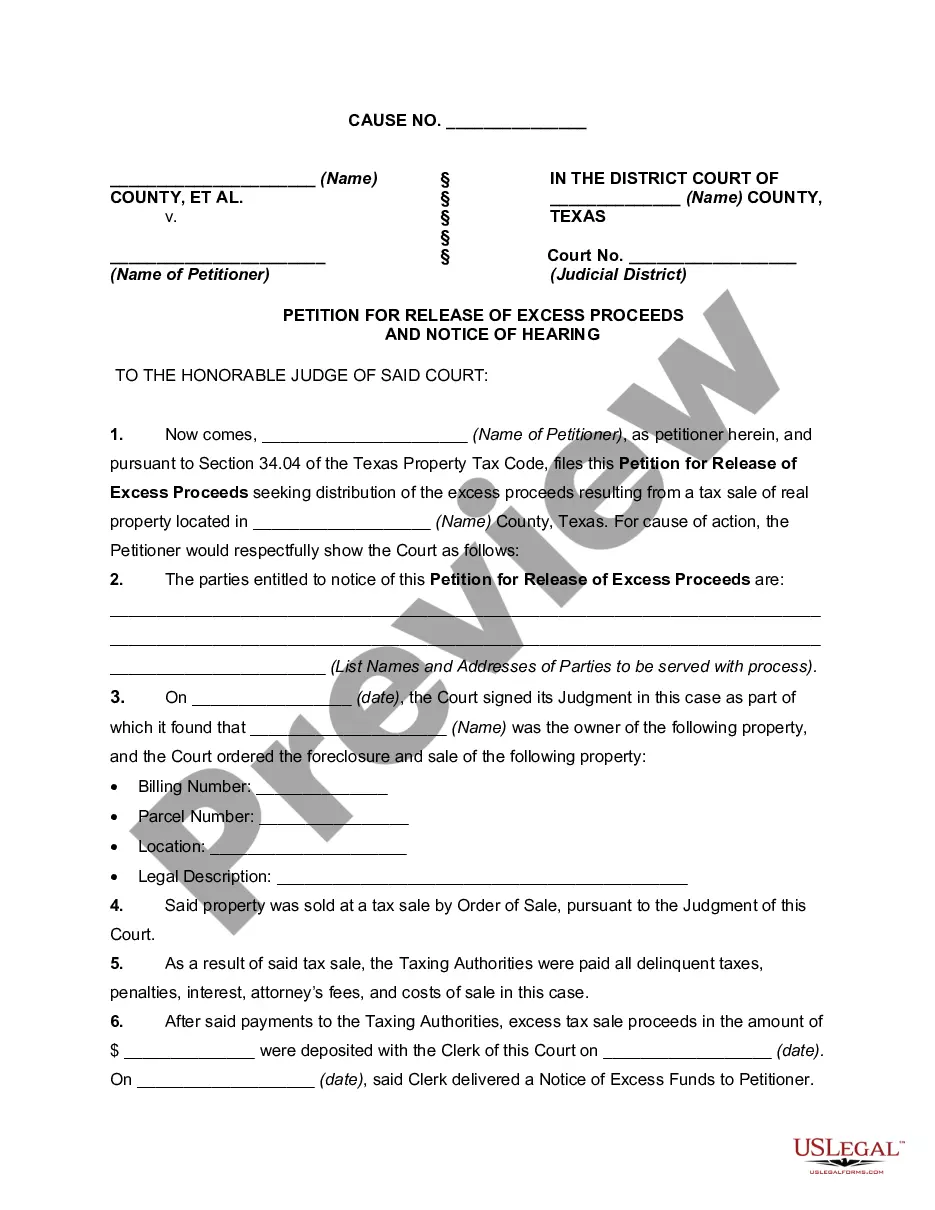
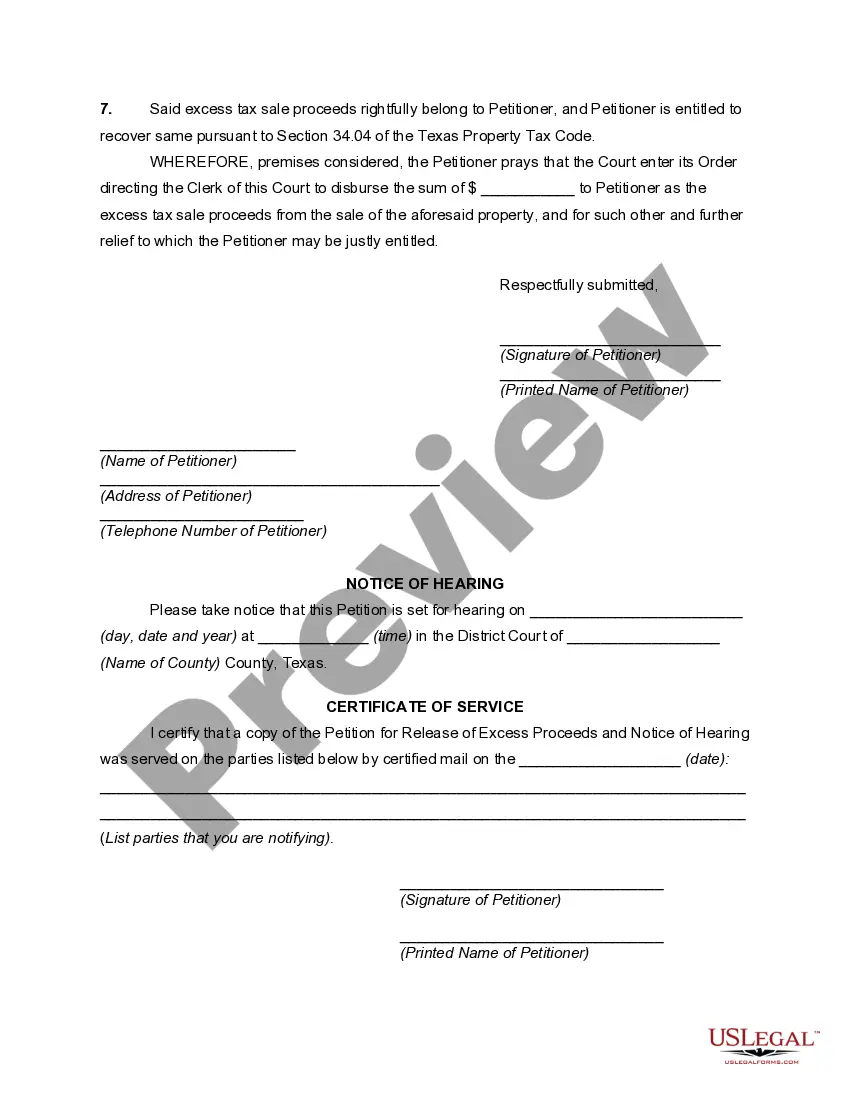
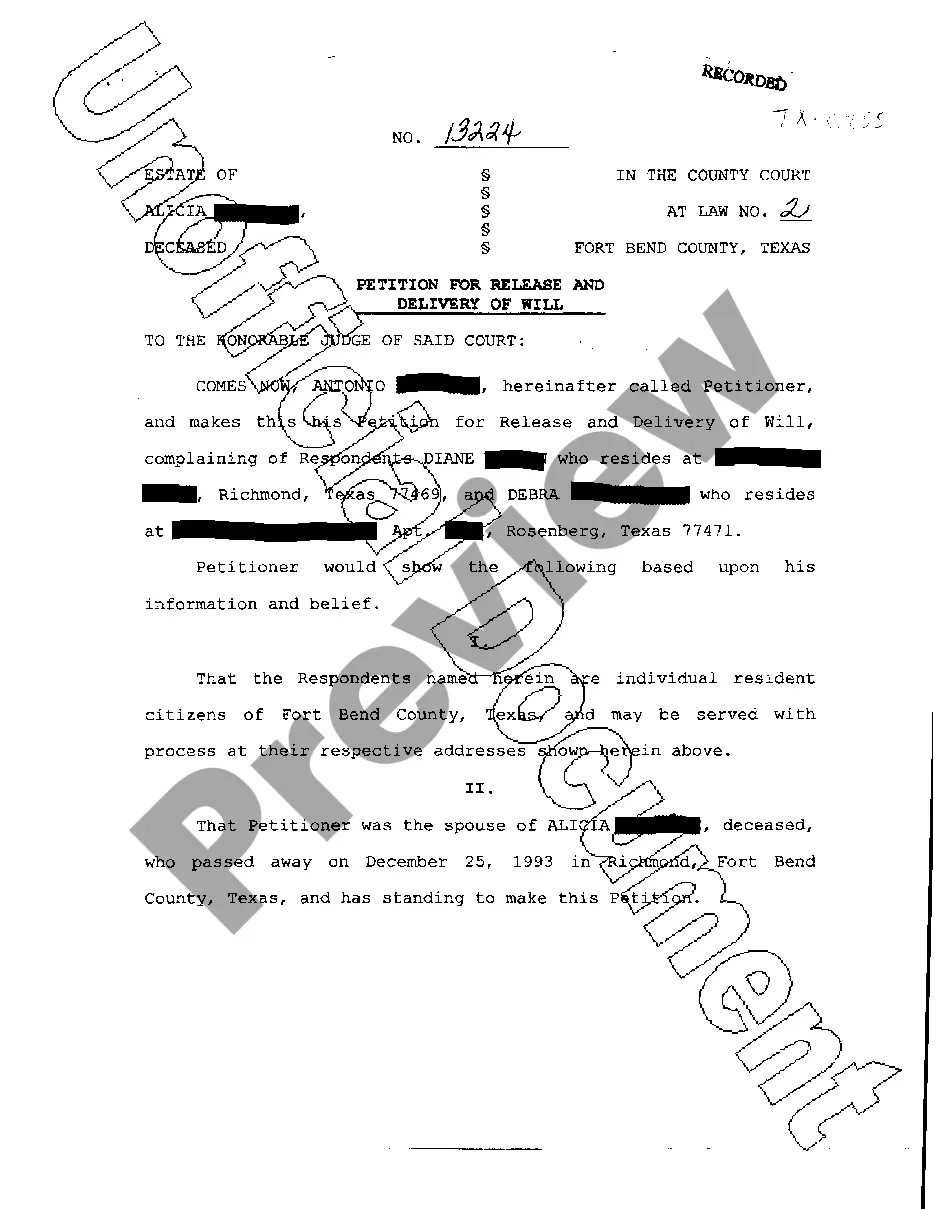
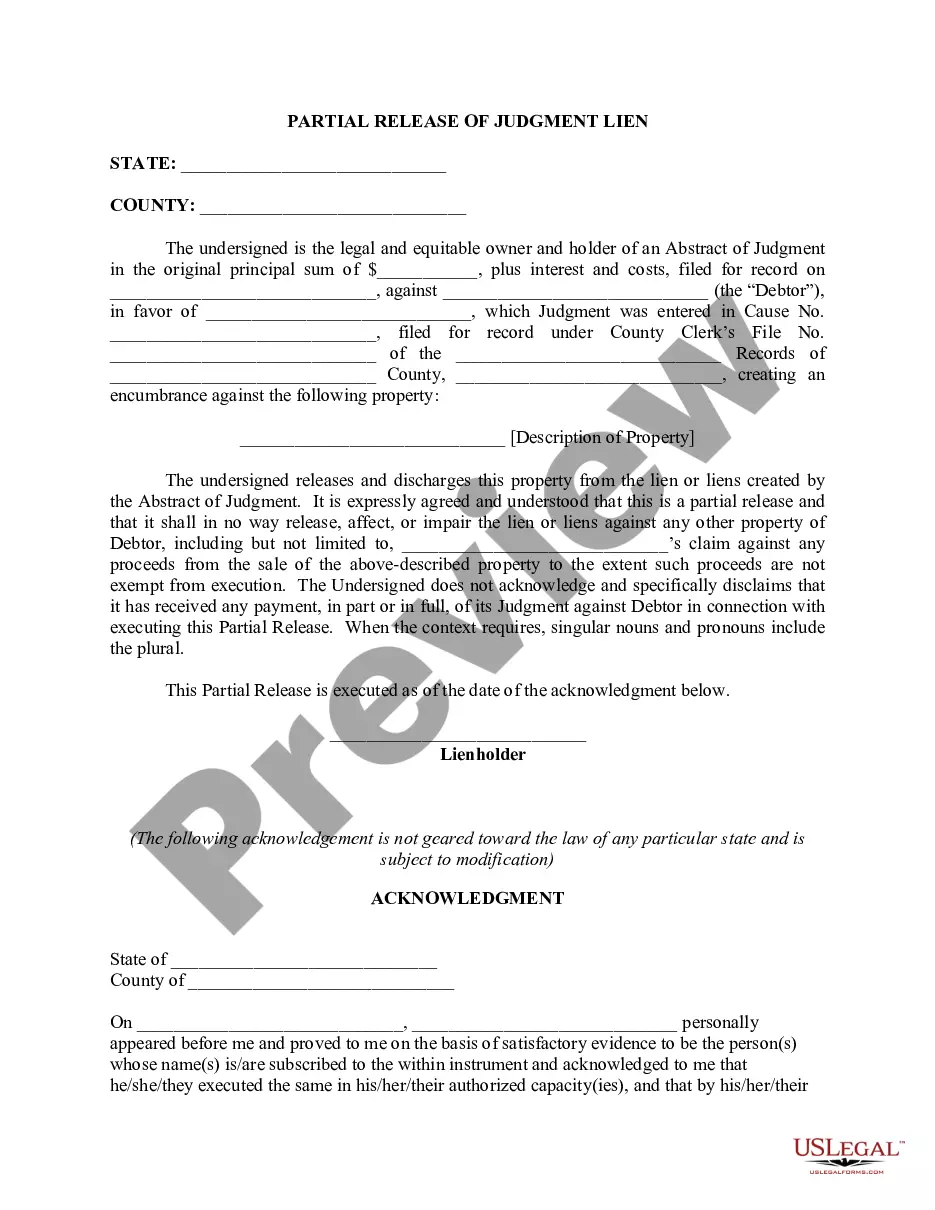
Description
Get your form ready online
Our built-in tools help you complete, sign, share, and store your documents in one place.
Make edits, fill in missing information, and update formatting in US Legal Forms—just like you would in MS Word.
Download a copy, print it, send it by email, or mail it via USPS—whatever works best for your next step.
Sign and collect signatures with our SignNow integration. Send to multiple recipients, set reminders, and more. Go Premium to unlock E-Sign.
If this form requires notarization, complete it online through a secure video call—no need to meet a notary in person or wait for an appointment.
We protect your documents and personal data by following strict security and privacy standards.

Make edits, fill in missing information, and update formatting in US Legal Forms—just like you would in MS Word.

Download a copy, print it, send it by email, or mail it via USPS—whatever works best for your next step.

Sign and collect signatures with our SignNow integration. Send to multiple recipients, set reminders, and more. Go Premium to unlock E-Sign.

If this form requires notarization, complete it online through a secure video call—no need to meet a notary in person or wait for an appointment.

We protect your documents and personal data by following strict security and privacy standards.
Looking for another form?






How to fill out Texas Petition For Release Of Excess Proceeds And Notice Of Hearing?
- If you are an existing user, log in to your account and access the needed form template. Verify that your subscription is active; if it's not, please renew it according to your plan.
- For new users, start by previewing the form description to ensure it matches your needs and complies with your local jurisdiction's requirements.
- If you require a different template, use the Search tab to find the right form that fits your situation.
- Once you find the correct document, click the Buy Now button and select your preferred subscription plan. You will need to create an account for full access to our resources.
- Proceed to make your payment using either credit card details or your PayPal account.
- Finally, download your completed form to your device, and you can also retrieve it anytime from the My Forms section in your profile.
In conclusion, US Legal Forms offers an extensive collection of legal documents and premium support, helping you execute necessary legal actions seamlessly.
Don't wait any longer; start your legal process today with US Legal Forms for easy access to all the documents you need!
Form popularity
FAQ
To petition for a protective order in Michigan, start by filling out the necessary forms with details about your situation. This includes information about any incidents that led you to seek the order. Once you submit the forms, the court will schedule a petition notice hearing with the judge. It is crucial to attend this hearing, as it allows you to present your case and explain why you need the protective order.
A hearing on a petition to determine a claim to property is a legal session where the court evaluates competing claims regarding property ownership or rights. The judge listens to the arguments presented by both parties and makes a determination based on the evidence. Participating actively in such hearings is crucial for ensuring a favorable outcome in your petition notice hearing with the judge.
A petition hearing is a formal court proceeding where a judge reviews the arguments and evidence regarding a petition filed by one of the parties. During this hearing, the parties present their cases, allowing the judge to make an informed decision. Understanding the dynamics of a petition notice hearing with the judge helps you prepare your case effectively.
A notice of petition is a document that notifies interested parties about a petition being filed in court. This notice serves to inform them that they have the right to participate in the process and respond if necessary. Being aware of the content and timing of a notice of petition is essential as it directly relates to the petition notice hearing with the judge.
To file a motion for a hearing, begin by drafting a formal motion that clearly states the request and the reasons behind it. After preparing the motion, submit it to the court where your case is filed, along with any required fees. This initial step is crucial before you move ahead with your petition notice hearing with the judge, as it sets the stage for what you wish to achieve.
A motion petition hearing is a court session where a judge considers a request, represented by a motion, made by one of the parties involved in a case. This hearing allows parties to present their arguments and evidence supporting their position. Engaging in this process effectively can significantly impact the outcome of your petition notice hearing with the judge.
In Massachusetts, service of documents such as notices can generally be completed by various means, including traditional mail and in-person delivery. However, serving documents by email requires consent from the receiving party. Always ensure you comply with the local laws governing service of process to avoid complications in a petition notice hearing with the judge.
A notice of hearing is an official document that informs all parties involved of an upcoming hearing in front of the judge. This notice typically outlines the date, time, and purpose of the hearing. Understanding the implications of a petition notice hearing with the judge is crucial for all involved parties, as it allows them to prepare accordingly and participate in the legal process effectively.
To file a motion to see a judge, you need to draft a formal written motion outlining your request and the supporting facts. Once you complete your document, submit it to the court clerk's office, and ensure that all involved parties receive notice. Following filing, you may need to attend a petition notice hearing with the judge to discuss your request further. Advanced preparation can make this process smoother.
To write a motion letter to a judge, begin with a formal addressing of the court and a clear statement of your request. Detail the reasons for your motion in an organized manner and include relevant facts that support your case. End the letter respectfully and sign it appropriately. Remember, a well-structured motion can enhance your credibility during a petition notice hearing with the judge.