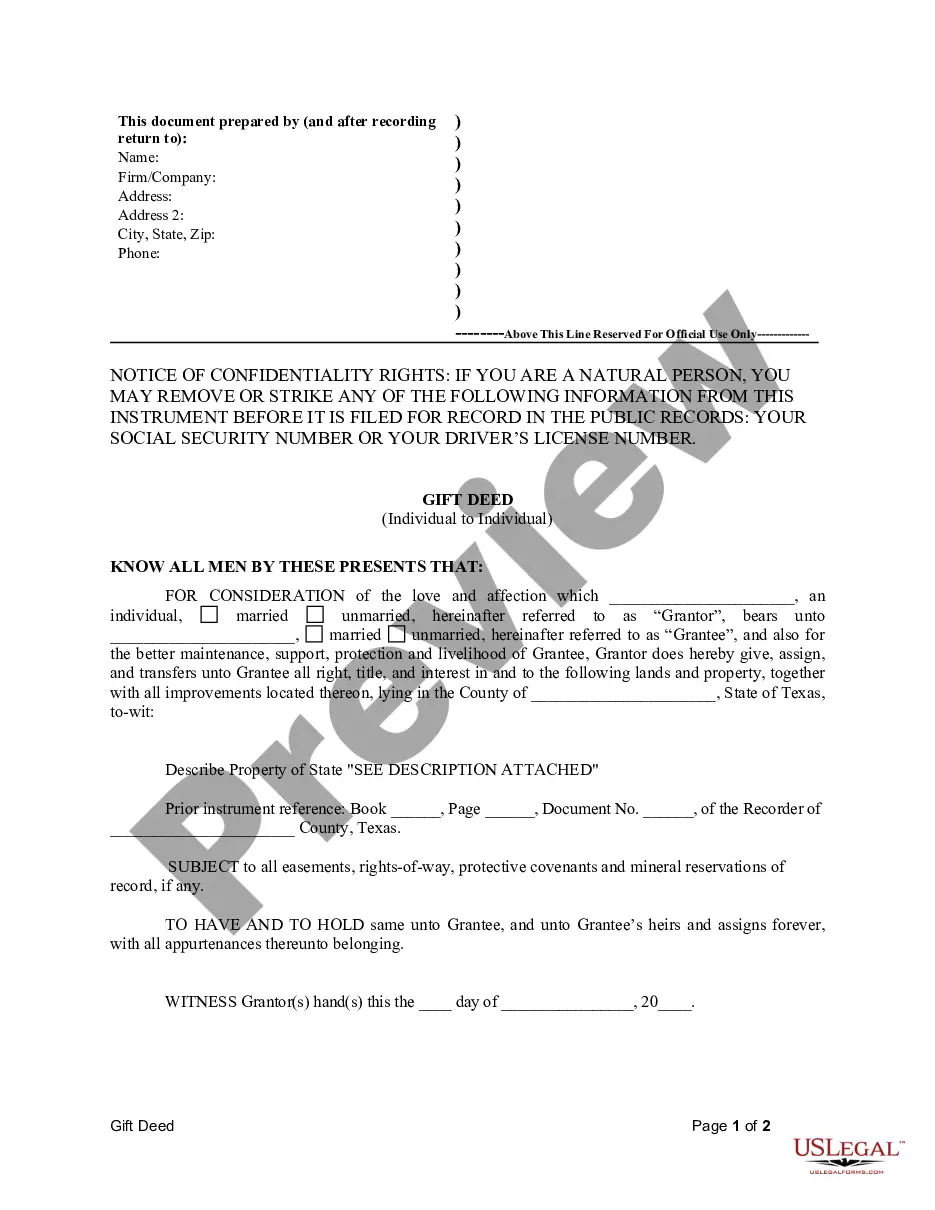
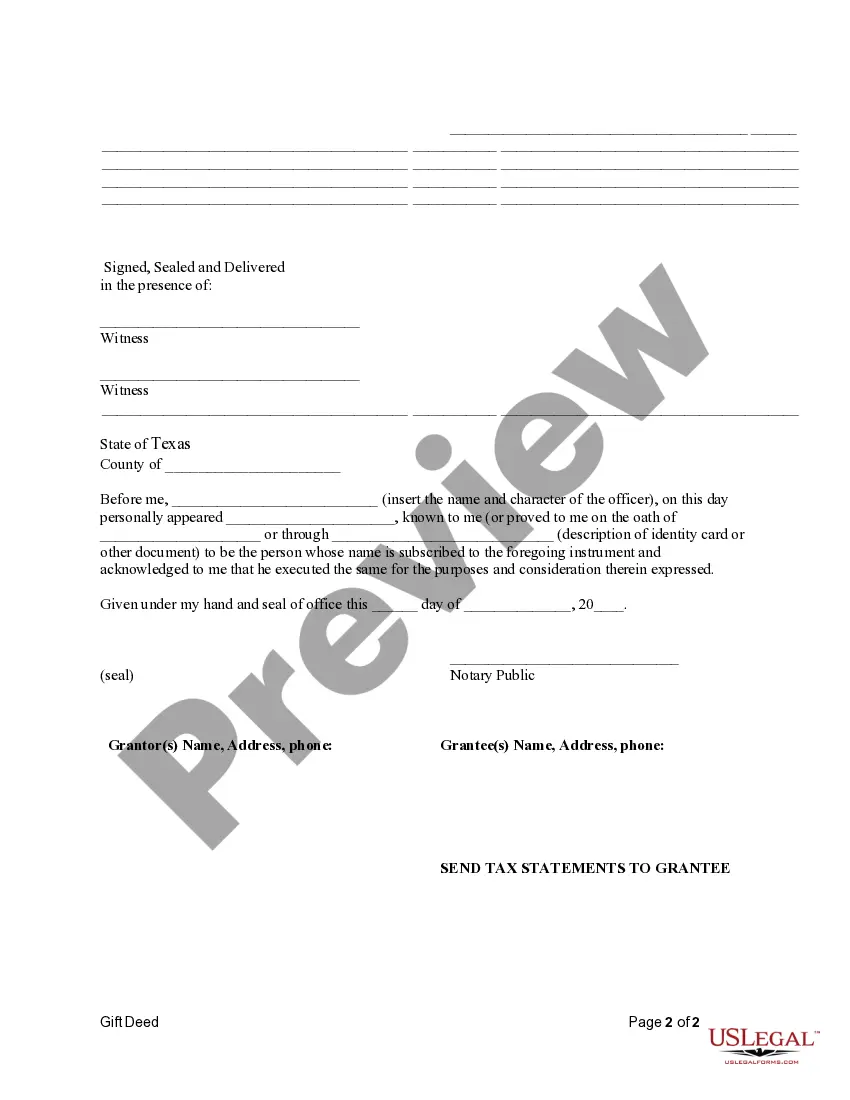
Texas Deed Form Document For Editing
Description
Get your form ready online
Our built-in tools help you complete, sign, share, and store your documents in one place.
Make edits, fill in missing information, and update formatting in US Legal Forms—just like you would in MS Word.
Download a copy, print it, send it by email, or mail it via USPS—whatever works best for your next step.
Sign and collect signatures with our SignNow integration. Send to multiple recipients, set reminders, and more. Go Premium to unlock E-Sign.
If this form requires notarization, complete it online through a secure video call—no need to meet a notary in person or wait for an appointment.
We protect your documents and personal data by following strict security and privacy standards.

Make edits, fill in missing information, and update formatting in US Legal Forms—just like you would in MS Word.

Download a copy, print it, send it by email, or mail it via USPS—whatever works best for your next step.

Sign and collect signatures with our SignNow integration. Send to multiple recipients, set reminders, and more. Go Premium to unlock E-Sign.

If this form requires notarization, complete it online through a secure video call—no need to meet a notary in person or wait for an appointment.

We protect your documents and personal data by following strict security and privacy standards.
Looking for another form?








How to fill out Texas Gift Deed For Individual To Individual?
It’s clear that you can't transform into a legal expert instantaneously, nor can you swiftly learn how to draft the Texas Deed Form Document For Editing without possessing a specialized set of competencies.
Drafting legal documents is an extensive endeavor that necessitates specific training and capabilities. So why not entrust the preparation of the Texas Deed Form Document For Editing to qualified professionals.
With US Legal Forms, one of the most comprehensive legal document repositories, you can discover everything from court records to templates for internal communication.
You can access your documents again from the My documents section at any time. If you’re a current customer, you can simply Log In, and locate and download the template from the same section.
Regardless of the purpose of your documentation—whether financial, legal, or personal—our website has you covered. Give US Legal Forms a try now!
- Search for the form you require using the search bar located at the top of the webpage.
- Preview it (if this option is accessible) and review the accompanying description to determine if the Texas Deed Form Document For Editing meets your needs.
- If you require a different template, restart your search.
- Create a complimentary account and choose a subscription plan to purchase the template.
- Click Buy now. Once the payment is processed, you can download the Texas Deed Form Document For Editing, complete it, print it, and send it by post to the appropriate individuals or organizations.
Form popularity
FAQ
To correct a deed in Texas, you must prepare a correction deed that clearly states the mistakes and the correct information. You can use a Texas deed form document for editing to create this document efficiently. After you complete the correction deed, file it with the county clerk's office where the original deed is recorded. Platforms like US Legal Forms provide templates and guidance to make this process straightforward and ensure accuracy.
In Texas, any party involved in the original deed can file a correction deed. This includes grantors, grantees, or any authorized agents. If you need to amend your Texas deed form document for editing, you will need to follow specific procedures outlined by the state. Utilizing a reliable platform like US Legal Forms can simplify this process, helping you ensure that all necessary steps are followed correctly.
In Texas, a deed does not have to be recorded to be valid; however, recording provides important legal protection. When you record your Texas deed form document for editing, you establish public notice of ownership. This step can prevent future claims against the property, ensuring your rights are recognized. Therefore, while recording is not required for validity, it is highly recommended for safeguarding your interests.
To correct a property deed, you need to identify the errors in the document. You can use a Texas deed form document for editing to make the necessary changes. Ensure that you follow state laws, which may require notarization and witness signatures. After completing the edits, record the updated deed with your county clerk to make it official.
Correcting a name on a deed in Texas involves drafting a Texas deed form document for editing that clearly states the correction. You may need to provide proof of the name change, such as a marriage certificate or court order. Submit the corrected deed to the county clerk’s office to ensure that the public records accurately reflect the correct name.
To change a name on a deed in Texas, you will need to prepare a Texas deed form document for editing that specifies the name change. If the change is due to marriage, divorce, or other legal reasons, include supporting documentation as needed. After completing the form, file it with the county clerk’s office to update the ownership records.
To modify a deed, start by identifying the specific changes you want to make, and then create a Texas deed form document for editing that reflects those changes. Ensure that you follow state laws regarding modifications, which may include obtaining consent from relevant parties. Finally, submit the revised document to the appropriate office for recording to make the changes official.
Filing a correction deed in Texas requires you to complete a Texas deed form document for editing that addresses the errors found in the original deed. This document should include a clear explanation of the corrections being made. After completing the form, file it with the county clerk's office to update the public record and rectify any inaccuracies.
To modify deed restrictions in Texas, you typically need to prepare a Texas deed form document for editing that clearly outlines the proposed changes. Next, you must obtain consent from all affected parties, which may include neighbors or homeowners associations. Once you secure the necessary approvals, file the modified deed with the county clerk's office to ensure it is legally recognized.
Amending a deed in Texas requires you to prepare a Texas deed form document for editing that reflects the changes you wish to make. This could involve updating names, addresses, or other important details. Once the form is properly filled out, sign it before a notary public and file it with the appropriate county clerk's office. By following these steps, you can ensure that your amended deed is legally recognized and recorded.