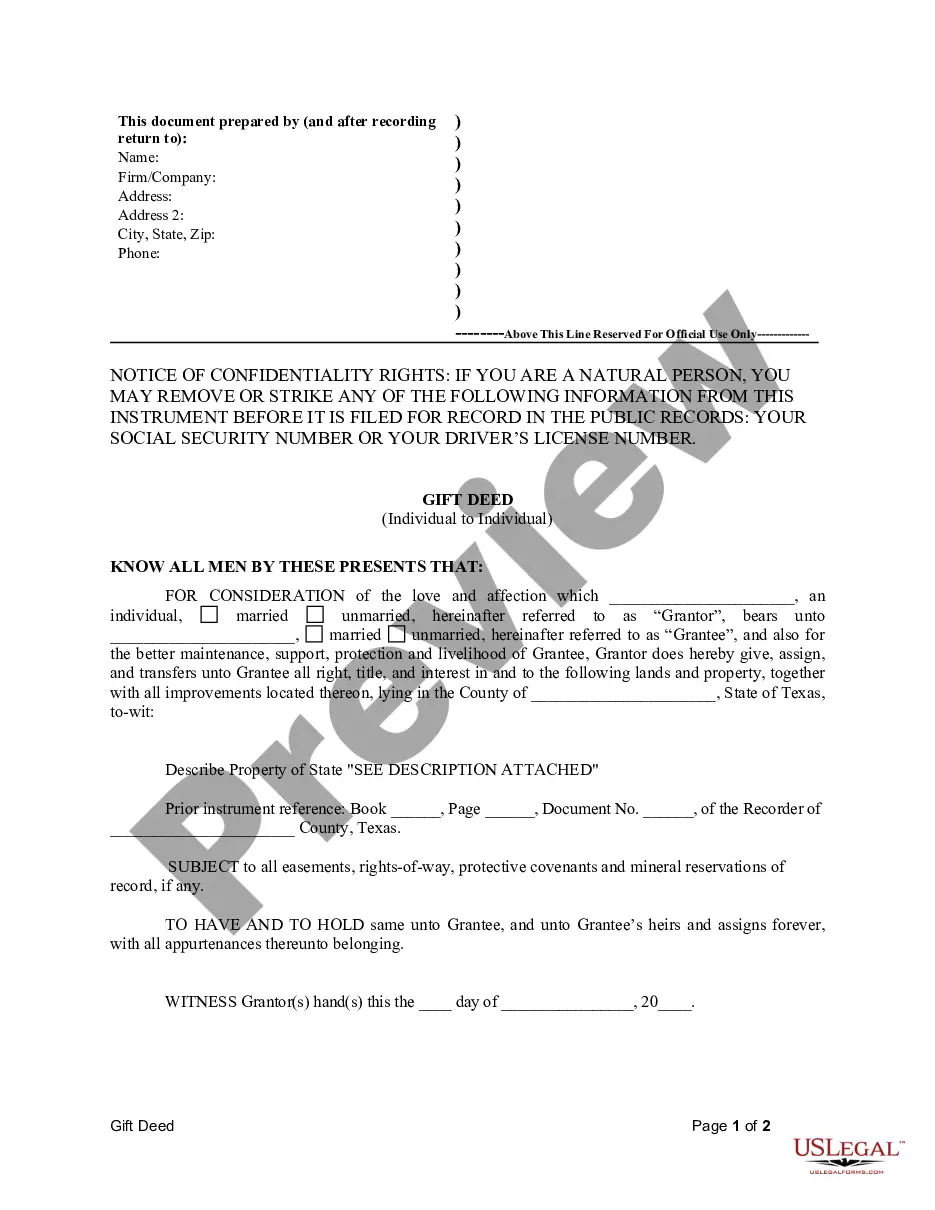
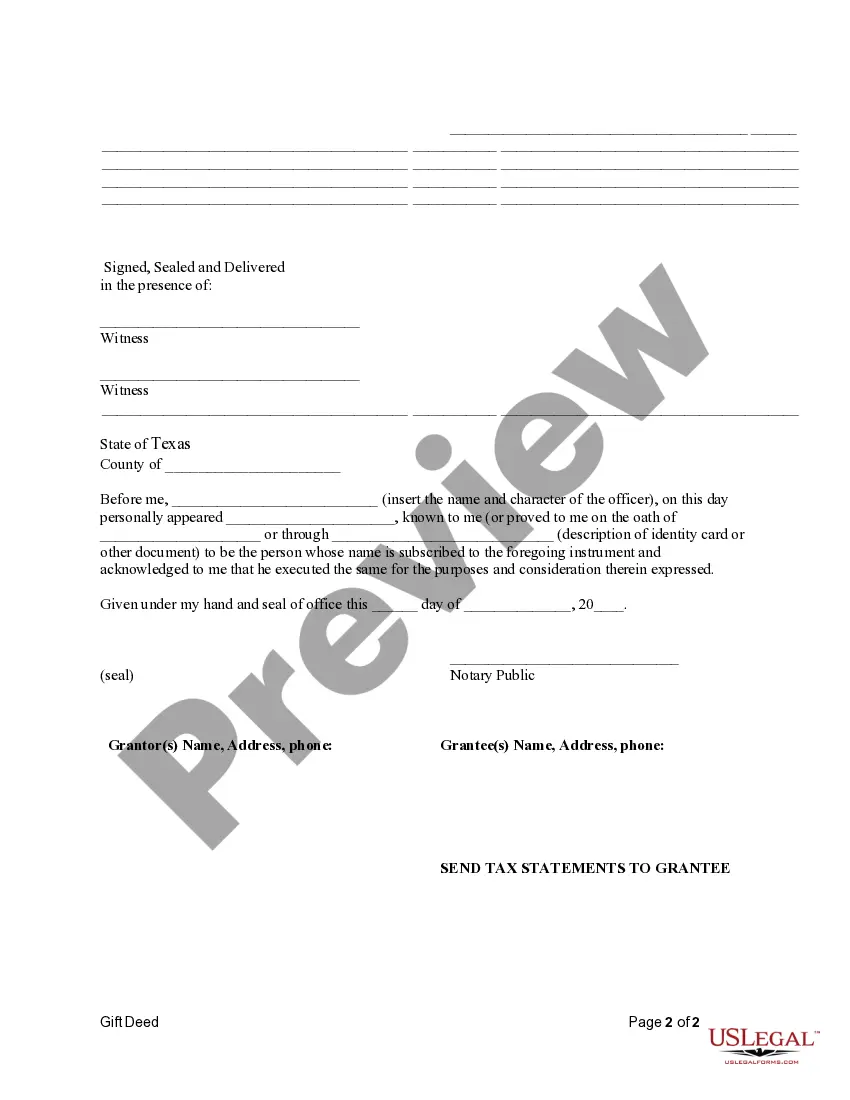
Gift Deed Format For Jewellery

Description
Get your form ready online
Our built-in tools help you complete, sign, share, and store your documents in one place.
Make edits, fill in missing information, and update formatting in US Legal Forms—just like you would in MS Word.
Download a copy, print it, send it by email, or mail it via USPS—whatever works best for your next step.
Sign and collect signatures with our SignNow integration. Send to multiple recipients, set reminders, and more. Go Premium to unlock E-Sign.
If this form requires notarization, complete it online through a secure video call—no need to meet a notary in person or wait for an appointment.
We protect your documents and personal data by following strict security and privacy standards.

Make edits, fill in missing information, and update formatting in US Legal Forms—just like you would in MS Word.

Download a copy, print it, send it by email, or mail it via USPS—whatever works best for your next step.

Sign and collect signatures with our SignNow integration. Send to multiple recipients, set reminders, and more. Go Premium to unlock E-Sign.

If this form requires notarization, complete it online through a secure video call—no need to meet a notary in person or wait for an appointment.

We protect your documents and personal data by following strict security and privacy standards.
Looking for another form?

How to fill out Texas Gift Deed For Individual To Individual?
The Gift Deed Template For Jewellery you see on this page is a reusable legal framework created by professional attorneys in accordance with federal and state statutes and regulations.
For over 25 years, US Legal Forms has offered individuals, businesses, and legal practitioners more than 85,000 authenticated, state-specific documents for any business and personal circumstance. It’s the fastest, most uncomplicated, and most dependable method to acquire the papers you require, as the service ensures the utmost level of data security and anti-malware safeguards.
Register for US Legal Forms to have authenticated legal templates for all of life’s circumstances readily available to you.
- Search for the document you need and examine it.
- Browse the sample you looked for and preview it or review the form description to ensure it meets your requirements. If it doesn’t, utilize the search bar to find the right one. Click Buy Now when you have located the template you need.
- Subscribe and sign in.
- Choose the pricing option that fits you and register for an account. Use PayPal or a credit card to make an instant payment. If you already possess an account, Log In and check your subscription to proceed.
- Obtain the fillable template.
- Select the format you desire for your Gift Deed Template For Jewellery (PDF, Word, RTF) and download the sample onto your device.
- Complete and sign the paperwork.
- Print the template to fill it out manually. Alternatively, use an online multi-functional PDF editor to swiftly and accurately fill out and sign your document with a valid signature.
- Download your documents once more.
- Utilize the same template again whenever necessary. Open the My documents tab in your profile to redownload any forms you have previously downloaded.
Form popularity
FAQ
How Do I Write a Gift Letter? The donor's name, address and phone number. The donor's relationship to the client. The dollar amount of the gift. The date when the funds were transferred. A statement from the donor that no repayment is expected. The donor's signature. The address of the property being purchased, if known.
You'll need to use a deed of gift if: That payment could be in the form of money or another asset. In other words, you're giving what you're giving away for nothing. The person giving the gift is called the ?Donor?. The person receiving the gift is called the ?Donee?.
A gift letter should include the following information: The exact dollar amount of the gift. The donor's name, address, and phone number. The donor's relationship to the loan applicant. The date when the funds were or will be transferred. A statement that no repayment is expected.
The Gift Deed needs to be in writing. It must include the full name of the current owner and the full name, mailing address and vesting of the new owner. The property needs to be properly described.
A gift letter is a legal instrument that clearly and explicitly states, without question, that a friend or family member ?gifted? - rather than loaned - you money. You can use a gift letter for mortgage lenders who may be questioning a large influx of cash that suddenly showed up in your checking or savings account.