Texas Motion Pay Printable With Answers
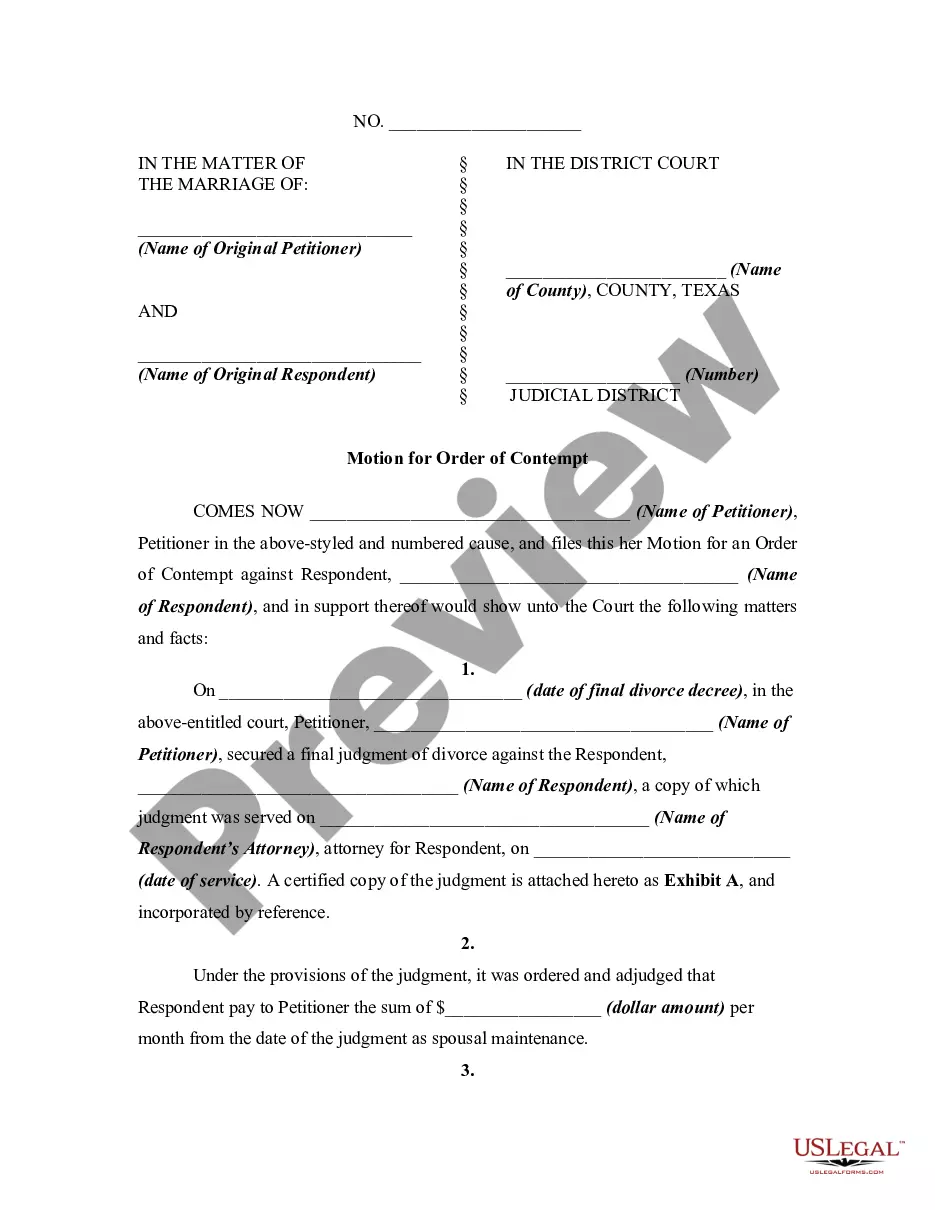
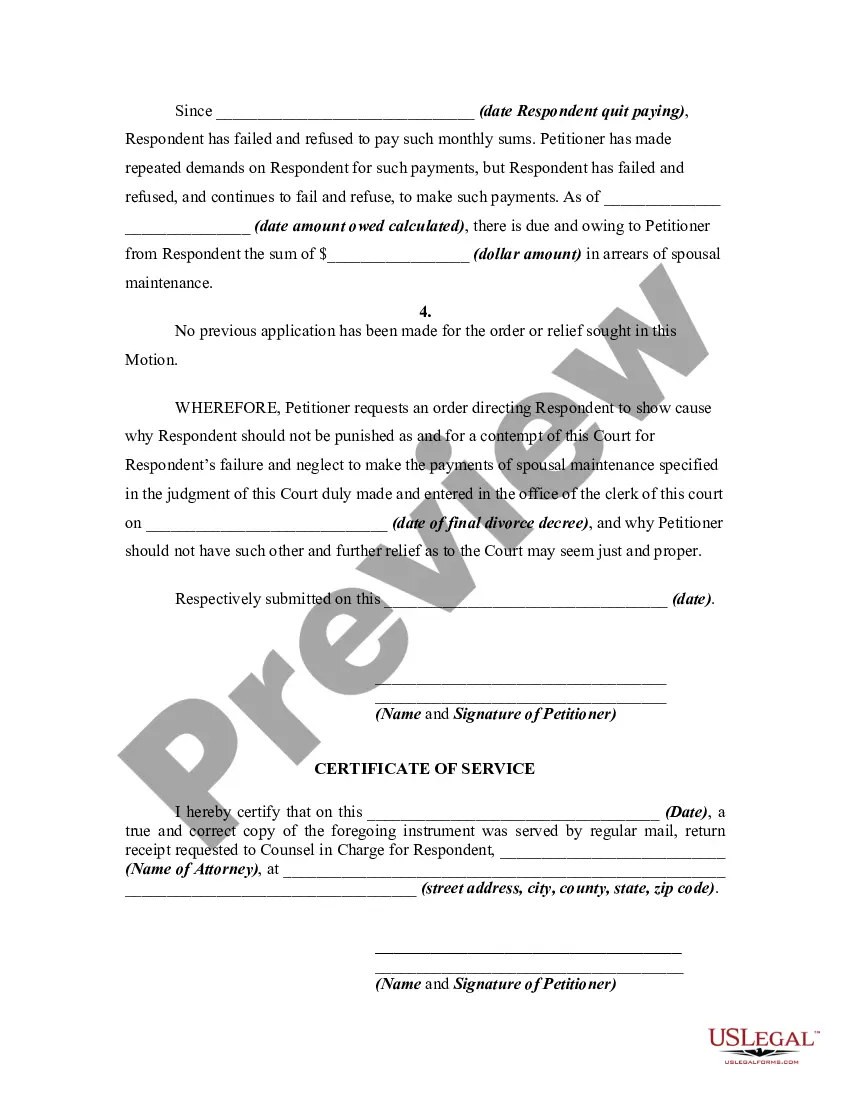
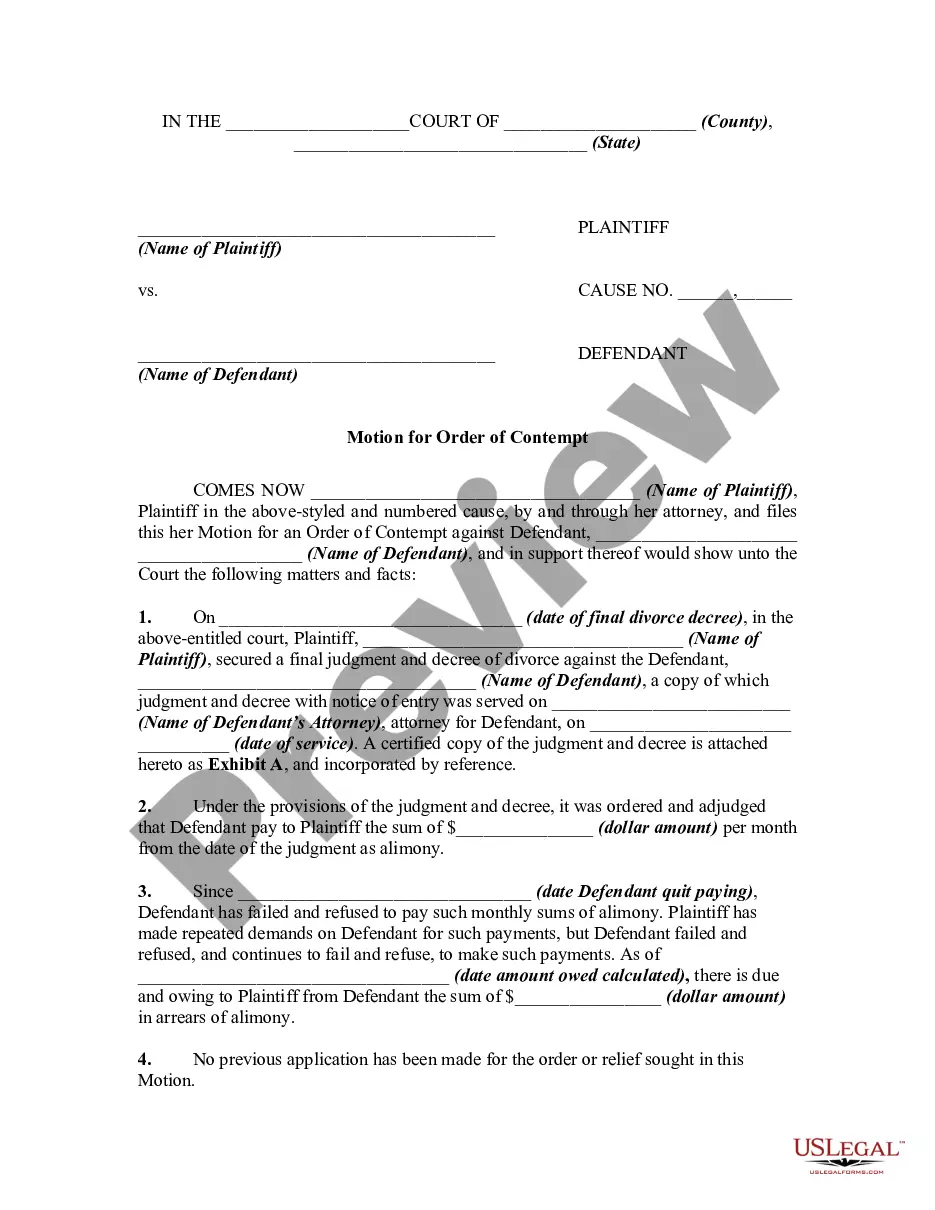
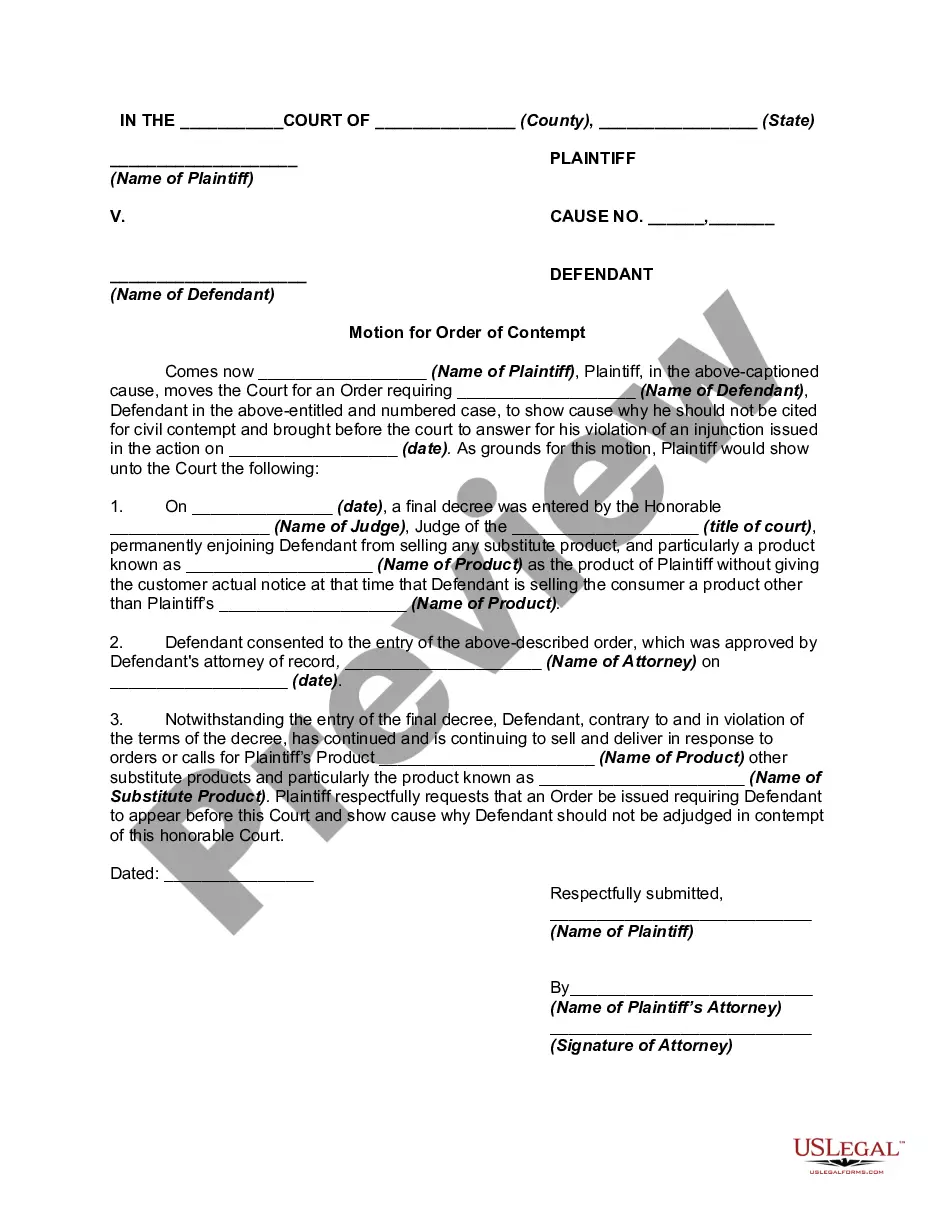
Description

Get your form ready online
Our built-in tools help you complete, sign, share, and store your documents in one place.
Make edits, fill in missing information, and update formatting in US Legal Forms—just like you would in MS Word.
Download a copy, print it, send it by email, or mail it via USPS—whatever works best for your next step.
Sign and collect signatures with our SignNow integration. Send to multiple recipients, set reminders, and more. Go Premium to unlock E-Sign.
If this form requires notarization, complete it online through a secure video call—no need to meet a notary in person or wait for an appointment.
We protect your documents and personal data by following strict security and privacy standards.

Make edits, fill in missing information, and update formatting in US Legal Forms—just like you would in MS Word.

Download a copy, print it, send it by email, or mail it via USPS—whatever works best for your next step.

Sign and collect signatures with our SignNow integration. Send to multiple recipients, set reminders, and more. Go Premium to unlock E-Sign.

If this form requires notarization, complete it online through a secure video call—no need to meet a notary in person or wait for an appointment.

We protect your documents and personal data by following strict security and privacy standards.
Looking for another form?
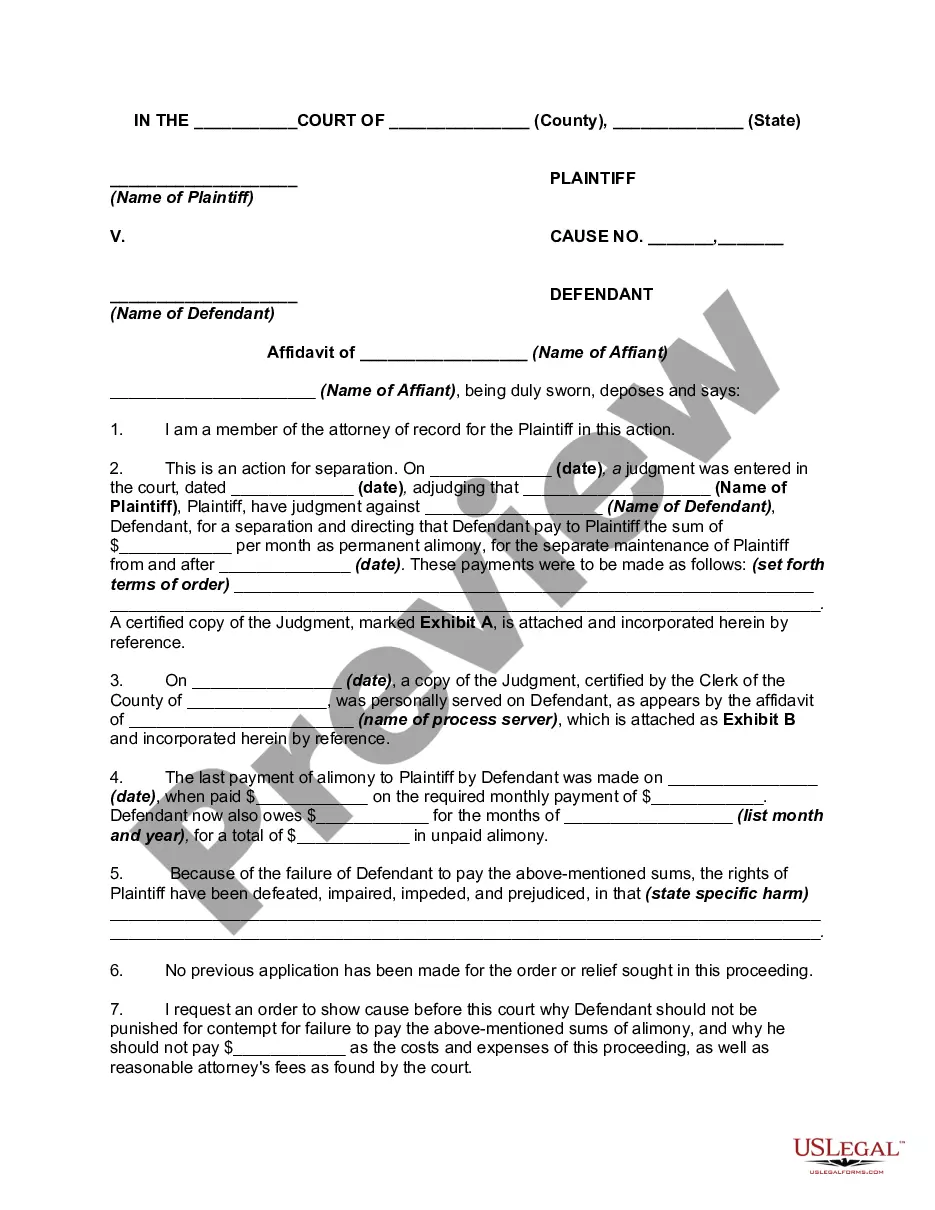
How to fill out Texas Motion For Order Of Contempt For Failure To Pay Spousal Maintenance?
Regardless of whether for corporate reasons or personal matters, everyone must confront legal issues at some point in life.
Completing legal documents requires meticulous care, beginning with selecting the correct form template.
With a vast catalog from US Legal Forms available, you will never waste time searching for the right template online. Utilize the library’s user-friendly navigation to find the proper form for any situation.
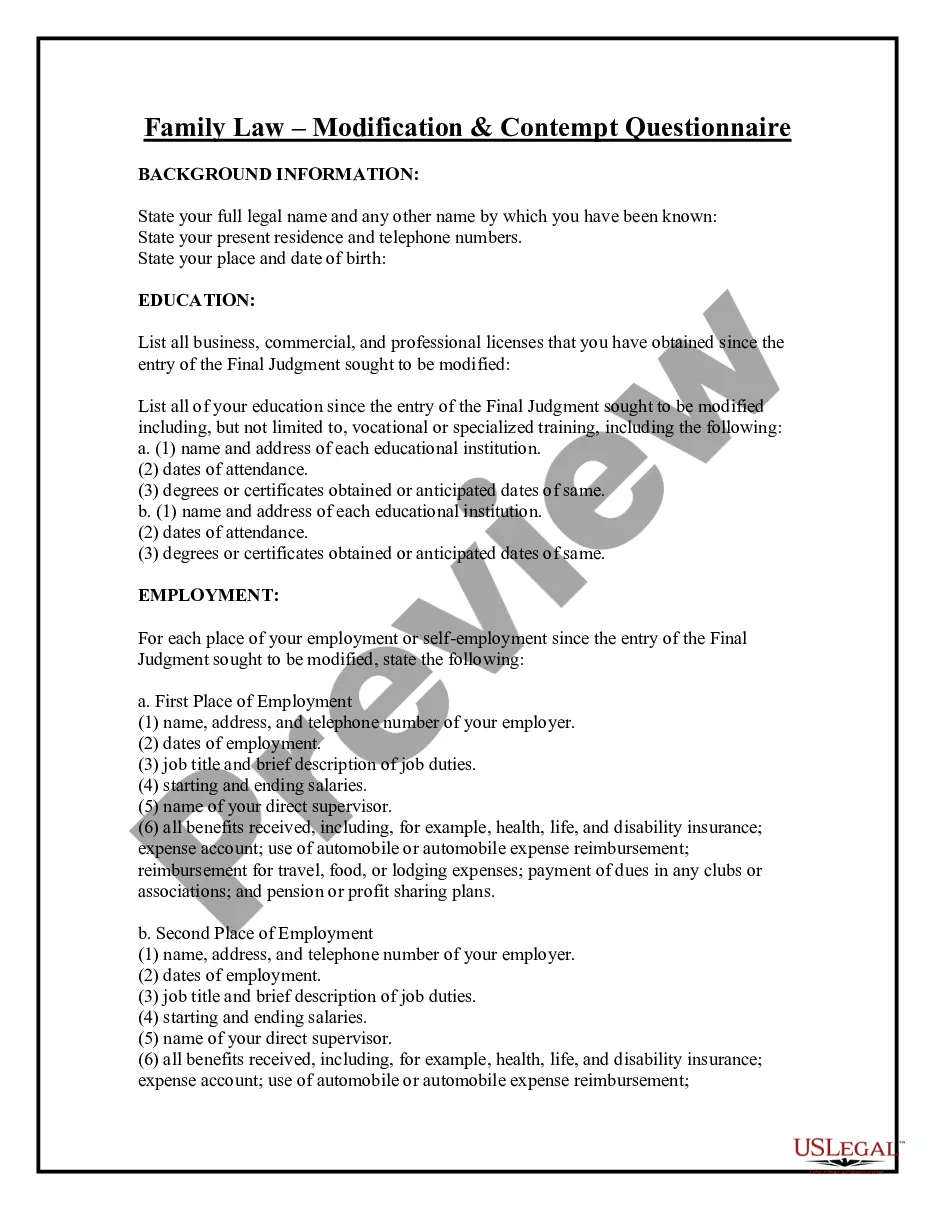
- For example, if you choose an incorrect version of the Texas Motion Pay Printable With Answers, it will be rejected upon submission.
- Thus, it is vital to find a trustworthy source of legal documents like US Legal Forms.
- If you need to obtain a Texas Motion Pay Printable With Answers template, follow these straightforward steps.
- Locate the template you require by using the search bar or browsing the catalog.
- Review the form’s details to ensure it fits your situation, state, and county.
- Click on the form’s preview to inspect it.
- If it is not the correct document, return to the search feature to find the Texas Motion Pay Printable With Answers template you need.
- Download the template once it aligns with your specifications.
- If you possess a US Legal Forms account, click Log in to access previously saved files in My documents.
- If you haven’t registered yet, you can acquire the form by clicking Buy now.
- Select the appropriate pricing option.
- Complete the profile registration form.
- Choose your payment method: either a credit card or PayPal account.
- Select the document format you desire and download the Texas Motion Pay Printable With Answers.
- After downloading, you can complete the form using editing software or print it out and fill it in manually.
Form popularity
FAQ
To determine the deadline, find the day you were served on a calendar, count out 20 more days (including weekends and holidays) then go to the next Monday. You must file your answer with the court on or before this date at a.m. If the 20th day falls on a Monday, go to the next Monday.
An Answer usually has a general denial, which is a statement asking the court to make the Petitioner prove each and every part of his or her case. The Answer may also have specific defenses to some claims.
It simply needs to be in writing, and you must send it to the court and to the plaintiff. You don't have to get specific as to the reasons you think you don't owe the plaintiff money. You can say something like ?I deny the claim and want to see proof at trial.? Or even just ?I don't owe the plaintiff anything.?
At the clerk's office: Turn in your answer form (and copies). Ask the clerk if there are local rules or procedures you need to know about for your case. The clerk will ?file stamp? your forms with the date and time. The clerk will keep the original and return your copies.
If a counterclaim is filed, the plaintiff must be given the opportunity to respond by filing a reply.