Texas Estate Individual For The Future
Description
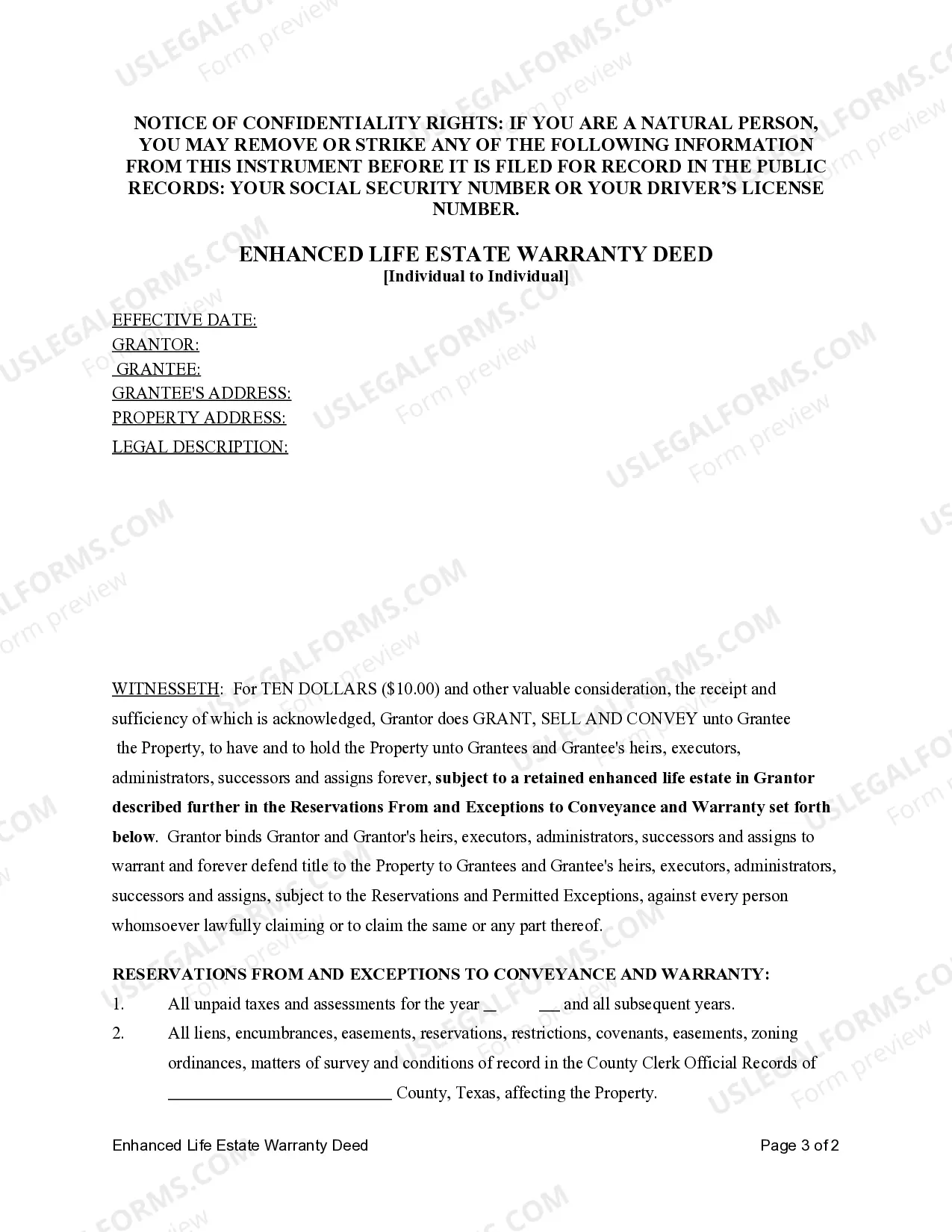
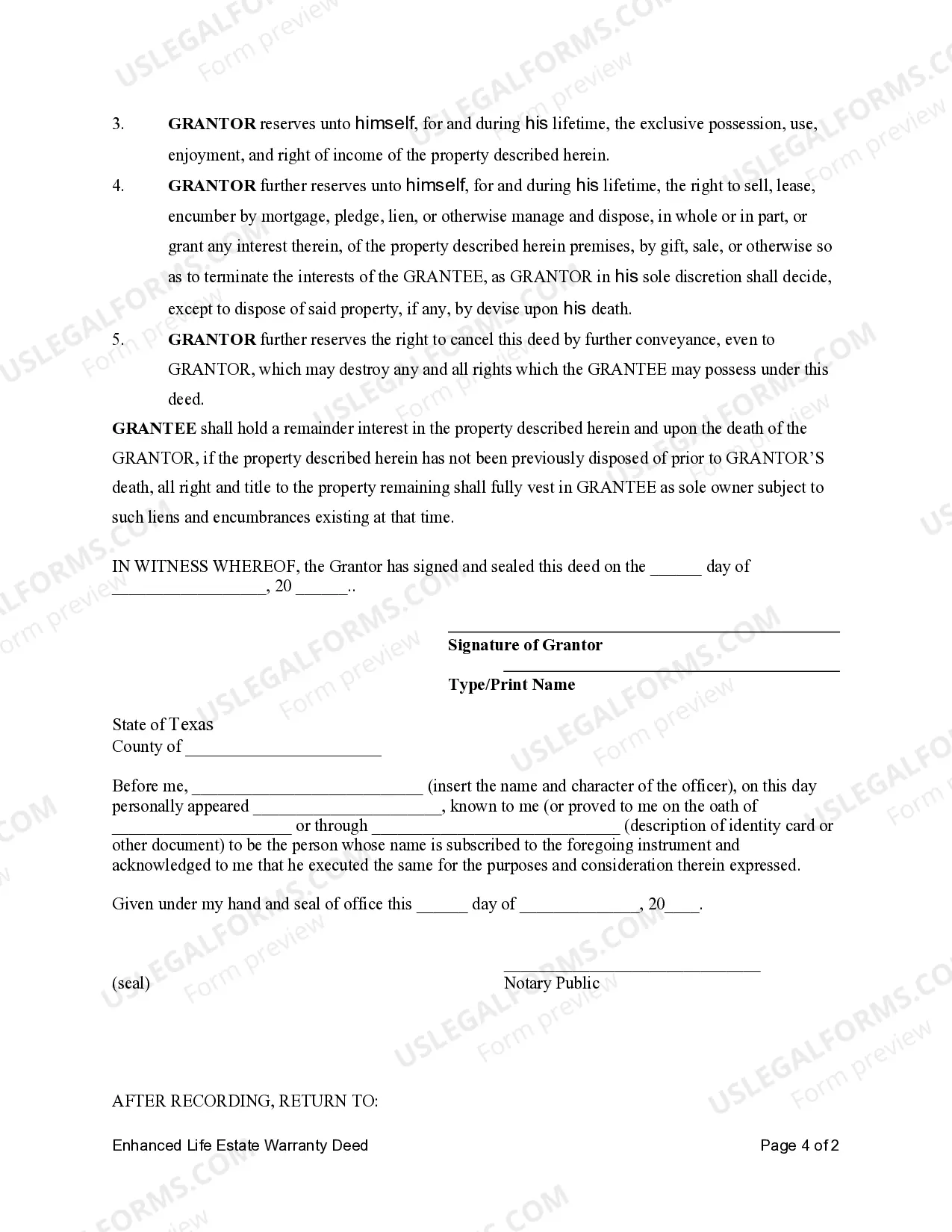

Get your form ready online
Our built-in tools help you complete, sign, share, and store your documents in one place.
Make edits, fill in missing information, and update formatting in US Legal Forms—just like you would in MS Word.
Download a copy, print it, send it by email, or mail it via USPS—whatever works best for your next step.
Sign and collect signatures with our SignNow integration. Send to multiple recipients, set reminders, and more. Go Premium to unlock E-Sign.
If this form requires notarization, complete it online through a secure video call—no need to meet a notary in person or wait for an appointment.
We protect your documents and personal data by following strict security and privacy standards.

Make edits, fill in missing information, and update formatting in US Legal Forms—just like you would in MS Word.

Download a copy, print it, send it by email, or mail it via USPS—whatever works best for your next step.

Sign and collect signatures with our SignNow integration. Send to multiple recipients, set reminders, and more. Go Premium to unlock E-Sign.

If this form requires notarization, complete it online through a secure video call—no need to meet a notary in person or wait for an appointment.

We protect your documents and personal data by following strict security and privacy standards.
Looking for another form?
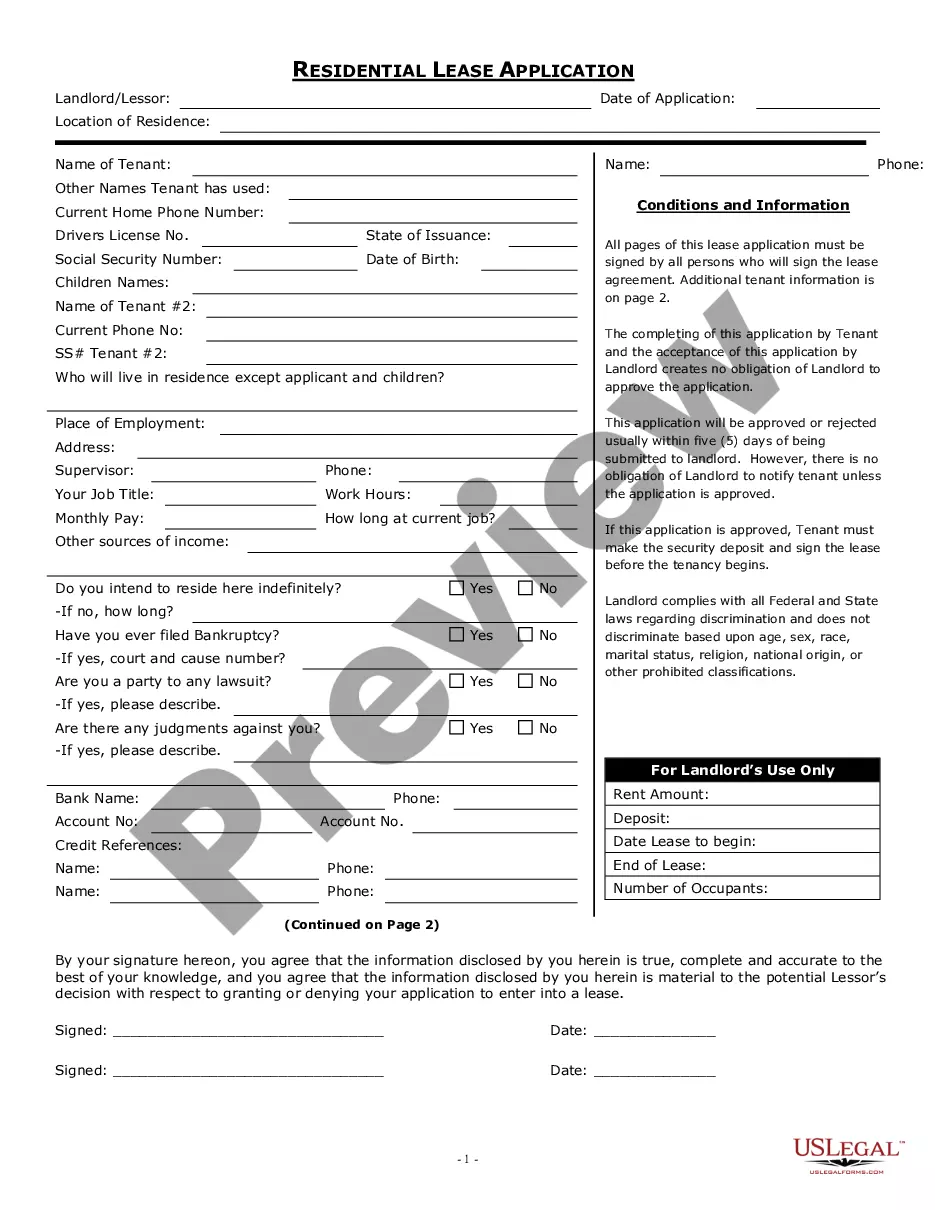


How to fill out Texas Lady Bird Or Enhanced Life Estate Warranty Deed - Individual To Individual?
- Log into your US Legal Forms account if you are a returning user and verify your subscription status is active.
- For first-time users, start by reviewing the form preview and descriptions to select one that meets your needs. Confirm it complies with Texas laws.
- Utilize the search functionality to find any additional templates you may require.
- Purchase the selected document by clicking the Buy Now button, and choose the subscription plan that suits you best.
- Complete your transaction by entering your payment information using a credit card or through your PayPal account.
- Download the completed form straight to your device and access it anytime through the My Forms section.
With US Legal Forms, you're not just getting a document; you're gaining access to a wealth of resources that ensures your legal needs are met efficiently.
Don’t delay any longer; take charge of your future and create your Texas estate plan today!
Form popularity
FAQ
If there is no will in Texas, the court appoints an administrator to serve as the executor of the estate. Generally, this will be a surviving spouse, adult child, or another close relative, based on Texas’s intestacy laws. This appointment is critical for ensuring your estate is handled properly and fairly. To navigate this process more effectively, consult US Legal Forms for essential legal tools and documentation.
When someone passes away without a will in Texas, the state law dictates the order of inheritance. Typically, the estate first goes to the spouse and children, followed by parents, siblings, and further relatives. Knowing this can help you plan for the future and prepare your loved ones, ensuring your wishes are respected. To simplify understanding the inheritance process, refer to the resources available through US Legal Forms.
One effective way to avoid probate in Texas is to establish a living trust. This allows you to transfer your assets into the trust while you are alive, making the distribution easier after your passing. Additionally, designating beneficiaries on accounts and using transfer-on-death deeds can simplify your estate plan. To ensure you cover all bases, consider accessing the templates and legal guidance from US Legal Forms for your estate planning needs.
The timeline to become a personal representative in Texas can vary, typically taking a few weeks to several months. This process includes filing the necessary paperwork, obtaining letters of administration from the court, and notifying heirs. If you’re looking to secure the future of your Texas estate, being proactive in understanding this process can save time and reduce stress. Utilize resources from US Legal Forms to make the application process smoother.
In Texas, if an individual passes away without a will, the court appoints an administrator to manage the estate. This appointed individual acts in a similar capacity as an executor would, overseeing the distribution of assets according to Texas law. It’s crucial to appoint someone trustworthy to handle such responsibilities, especially since the future of your estate may impact your loved ones. Consider using platforms like US Legal Forms to streamline this process and ensure everything is done correctly.
If a person dies without a will in Texas, the state's intestacy laws determine the heirs. Generally, the estate passes to the surviving spouse, children, or other relatives. Understanding these laws is vital for those aiming to create a Texas estate for the future. By using USLegalForms, you can ensure your wishes are clearly documented and honored, avoiding potential legal complications.
Yes, an estate can often be settled without probate in Texas, especially if it falls under specific criteria, such as having minimal assets. In these cases, heirs may distribute property directly, following Texas law. This approach can be beneficial for individuals looking to save time and resources in managing their Texas estate for the future. Platforms like USLegalForms can provide the necessary documentation to facilitate this process.
You can avoid probate in Texas with your will by including specific language that allows for the use of a transfer-on-death deed or establishing a revocable trust. These options enable your estate to bypass the lengthy probate process. Additionally, detailed planning is essential for those aiming to secure their Texas estate for the future. Utilizing tools from USLegalForms can simplify this planning stage.
To avoid probate in Texas, you can employ strategies like creating a living trust, designating beneficiaries for financial accounts, or using joint ownership for property. These methods allow your assets to pass directly to your heirs without going through the probate court. By planning your Texas estate for the future, you ensure a smoother transfer of your assets. Resources like USLegalForms can guide you in setting up these arrangements.
In Texas, not every will must go through probate. However, if the estate's value exceeds a certain amount, or if there are disputes, probate is generally necessary. For individuals focused on their Texas estate for the future, understanding the probate process is crucial. Consider working with a platform like USLegalForms to simplify the creation and execution of your will.