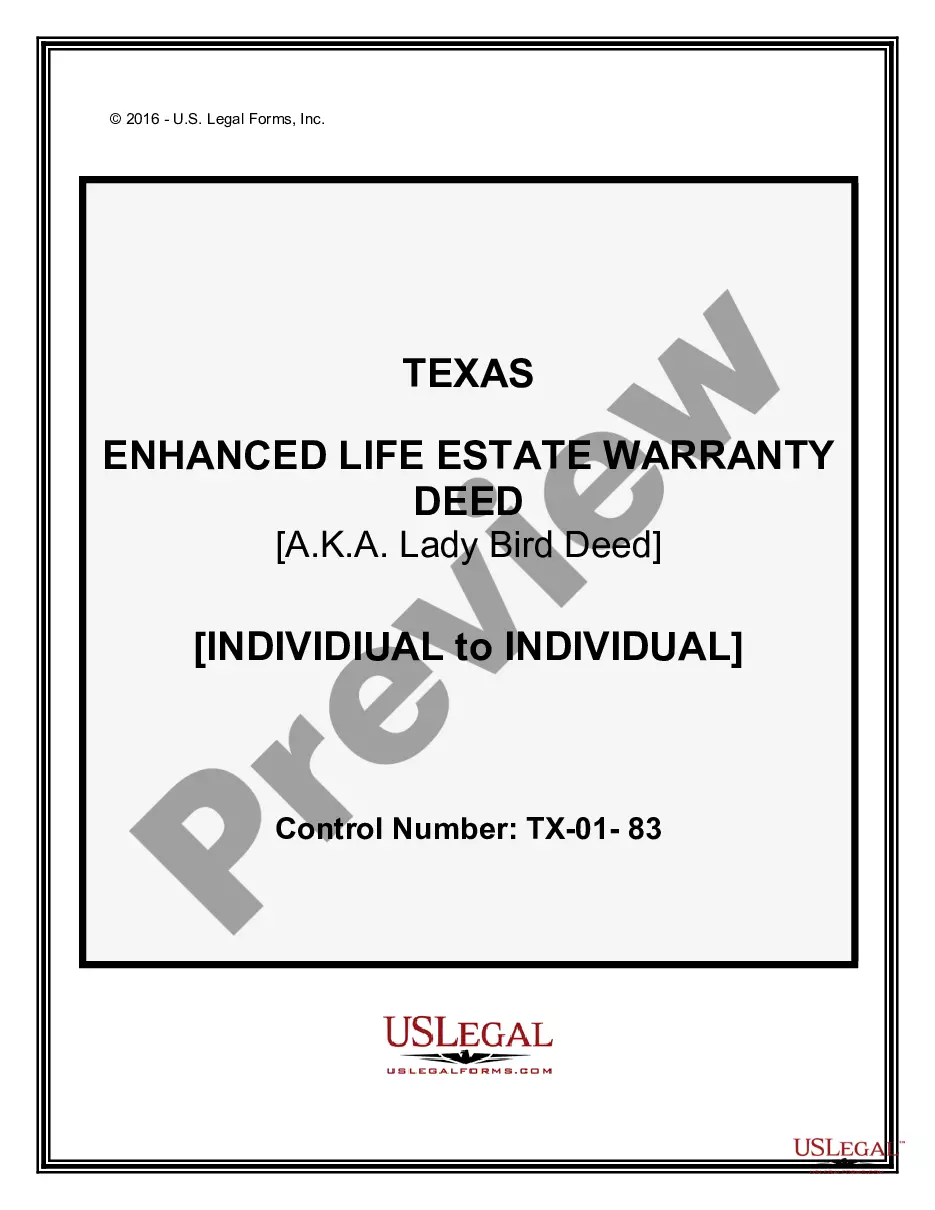
Texas Deed
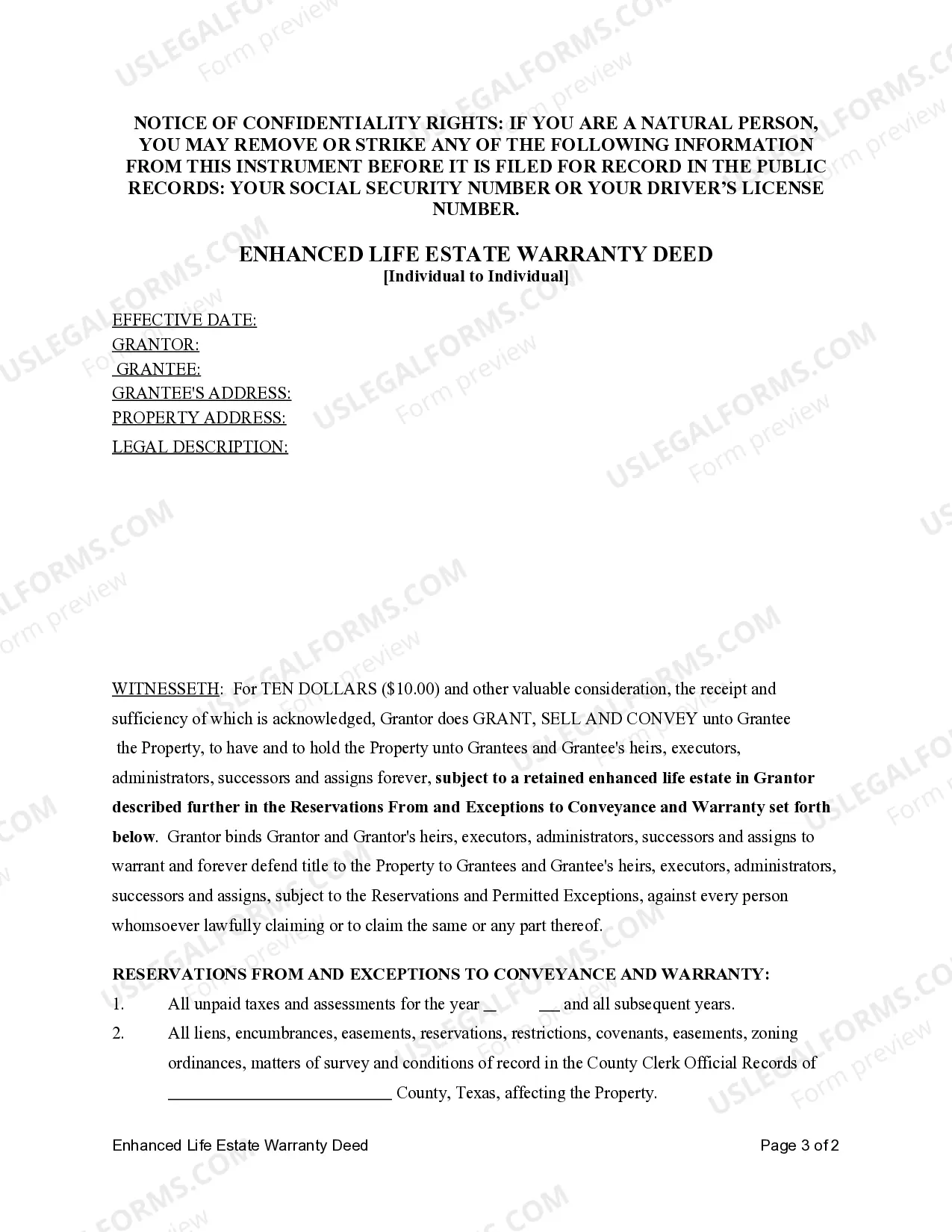
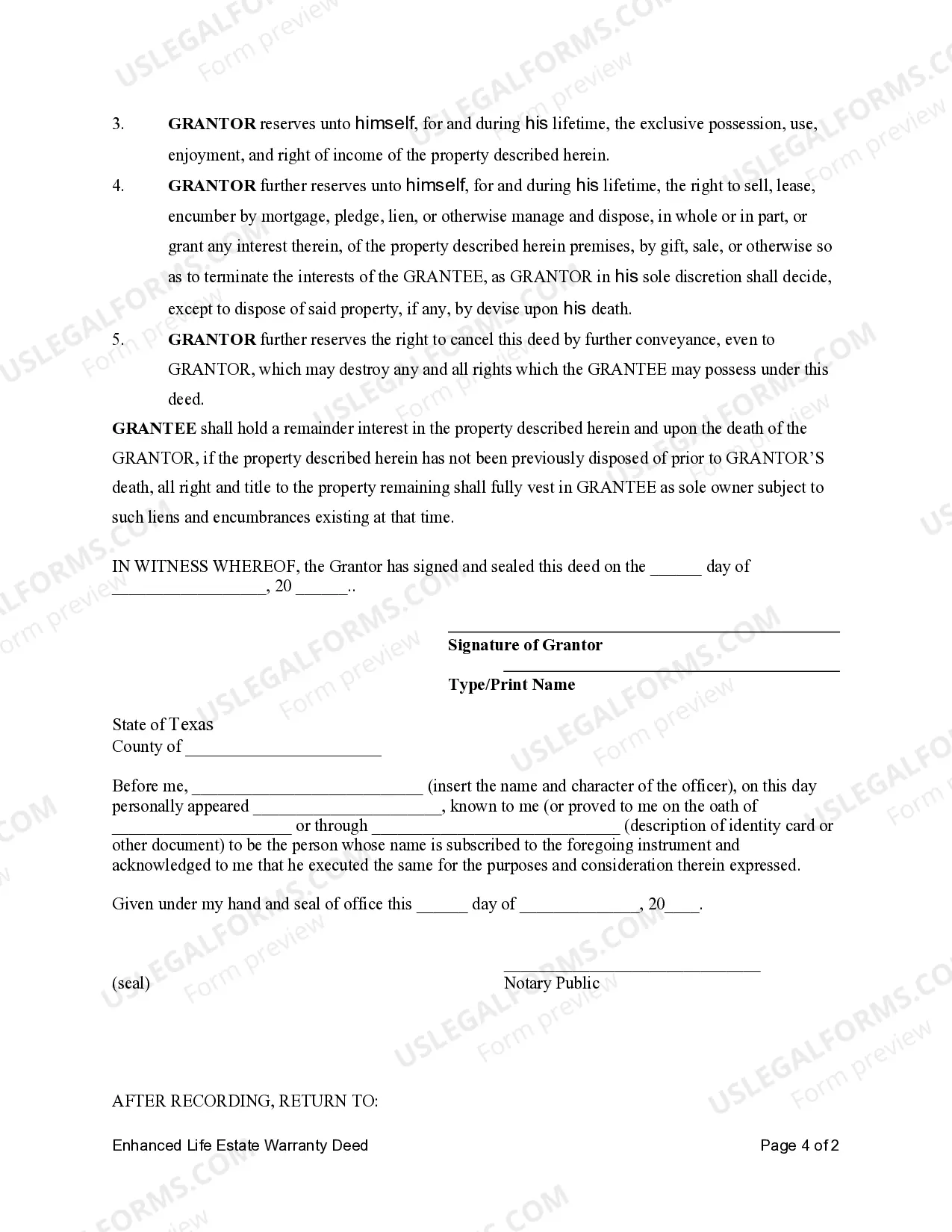
Description

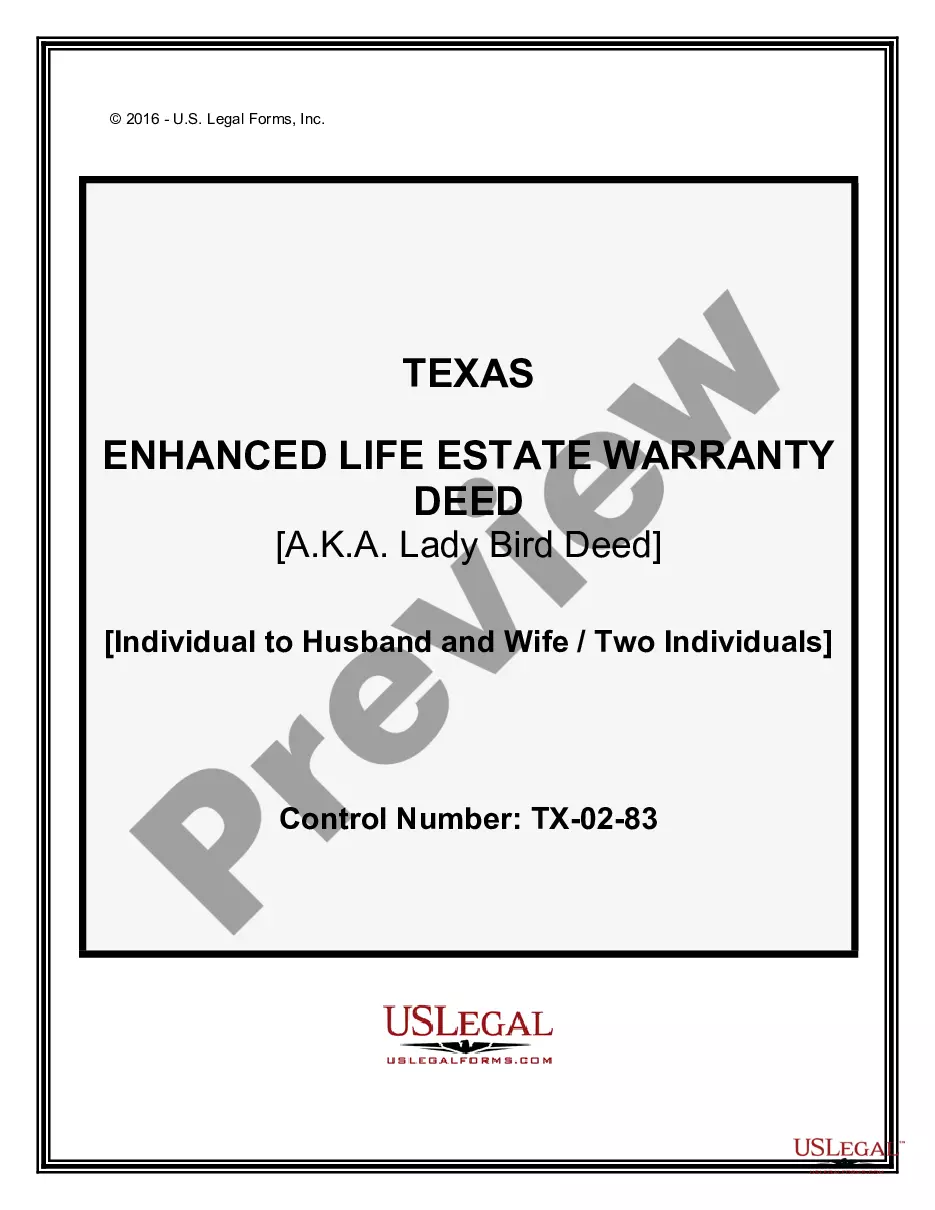
Get your form ready online
Our built-in tools help you complete, sign, share, and store your documents in one place.
Make edits, fill in missing information, and update formatting in US Legal Forms—just like you would in MS Word.
Download a copy, print it, send it by email, or mail it via USPS—whatever works best for your next step.
Sign and collect signatures with our SignNow integration. Send to multiple recipients, set reminders, and more. Go Premium to unlock E-Sign.
If this form requires notarization, complete it online through a secure video call—no need to meet a notary in person or wait for an appointment.
We protect your documents and personal data by following strict security and privacy standards.

Make edits, fill in missing information, and update formatting in US Legal Forms—just like you would in MS Word.

Download a copy, print it, send it by email, or mail it via USPS—whatever works best for your next step.

Sign and collect signatures with our SignNow integration. Send to multiple recipients, set reminders, and more. Go Premium to unlock E-Sign.

If this form requires notarization, complete it online through a secure video call—no need to meet a notary in person or wait for an appointment.

We protect your documents and personal data by following strict security and privacy standards.
Looking for another form?

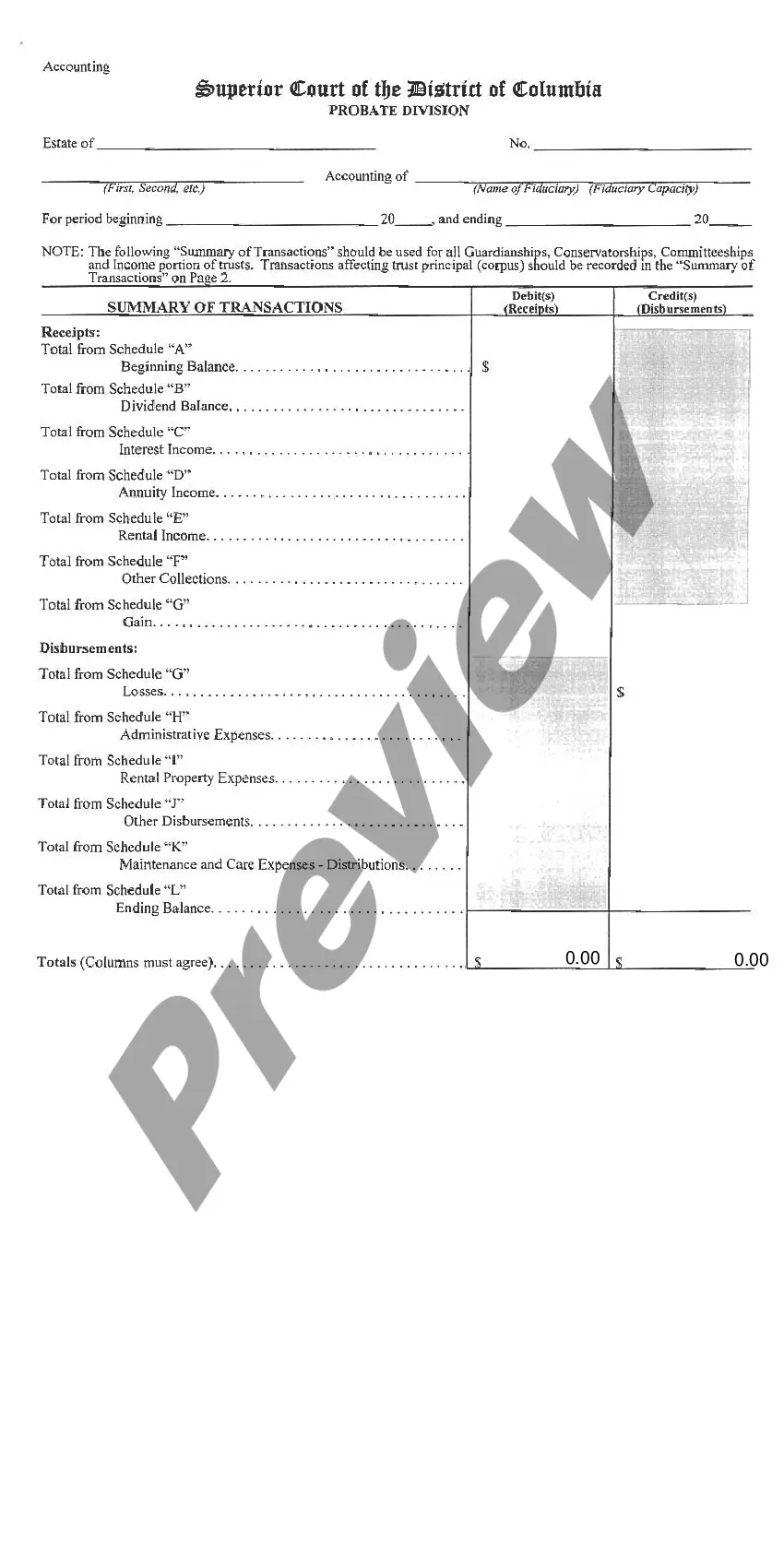


How to fill out Texas Lady Bird Or Enhanced Life Estate Warranty Deed - Individual To Individual?
- Log into your US Legal Forms account if you're already a user. Ensure your subscription is active to access and download templates.
- If you're a new user, start by previewing the Texas deed template to confirm it meets your jurisdiction's criteria.
- In case you need a different form, use the search feature to find the appropriate Texas deed template reliably.
- Once you find the required form, click on 'Buy Now' and select your preferred subscription plan.
- Complete your purchase by entering your payment information through credit card or PayPal.
- Download the Texas deed template to your device. You can find it later in 'My Forms' for easy access.
By using US Legal Forms, you gain access to an extensive library of over 85,000 legal documents, ensuring that you find exactly what you need. Their robust collection and expert assistance make the document preparation process seamless and efficient.
Don’t wait any longer! Explore the benefits of US Legal Forms today and start your legal journey with confidence.
Form popularity
FAQ
Both title and deed are important, but they serve different purposes. The Texas deed is essential for transferring ownership, while the title is crucial for asserting and protecting those ownership rights. Ultimately, you need both to navigate real estate confidently, and using resources like USLegalForms can help you handle the complexities of each.
In Texas, a deed is a document used to transfer property ownership, whereas a title represents the rights associated with that property. The deed acts as proof of the ownership transfer, while the title encompasses broader legal rights. Grasping these differences can help you better manage your real estate transactions and avoid potential disputes.
No, a Texas deed is not the same as a title. While a deed is the document that conveys ownership, the title refers to the legal rights you hold over a property. Understanding this distinction is crucial as the Texas deed facilitates ownership, while the title signifies your claim to the property.
The main purpose of a Texas deed is to legally transfer ownership of real estate from one party to another. A deed provides evidence of the transaction and outlines the rights and interests of the new owner. By understanding the purpose of a Texas deed, you can better protect your property rights and ensure the legitimacy of the transfer.
To look up a Texas deed, start by visiting your county's appraisal district website or the county clerk's office. You can search for property records by entering details such as the property owner's name, address, or the legal description of the property. Additionally, platforms like USLegalForms can simplify this process by offering templates and guides to help you navigate the search.
A Texas deed is considered valid when it includes essential elements such as the grantor's signature, proper identification of the grantee, a clear description of the property, and legal consideration. Additionally, the deed must meet state statutes and be delivered to the grantee. Ensuring these elements are present can be facilitated through legal resources like USLegalForms.
While a deed does not have to be recorded in Texas, doing so provides significant advantages. Recording your Texas deed protects your rights against claims from third parties and can validate your ownership. It provides a public record that proves your claim and interests in the property.
To file a property deed in Texas, you must first complete the Texas deed form relevant to your transaction. Next, you will need to submit it along with any required fees to the county clerk's office where the property is located. Using platforms like USLegalForms can simplify this process by providing accurate templates and guidance.
A Texas deed can be deemed void for several reasons, such as lack of proper signature or capacity of the grantor. Additionally, if the deed fails to meet statutory requirements, like necessary legal descriptions or considerations, it may be rendered void. It is essential to draft your Texas deed correctly to preserve its validity.
Yes, while it is not mandatory to record a Texas deed, it is highly recommended. Recording the deed provides legal protection against any disputes over ownership. By ensuring your Texas deed is recorded, you secure your interests in the property and enhance clear title transfer.