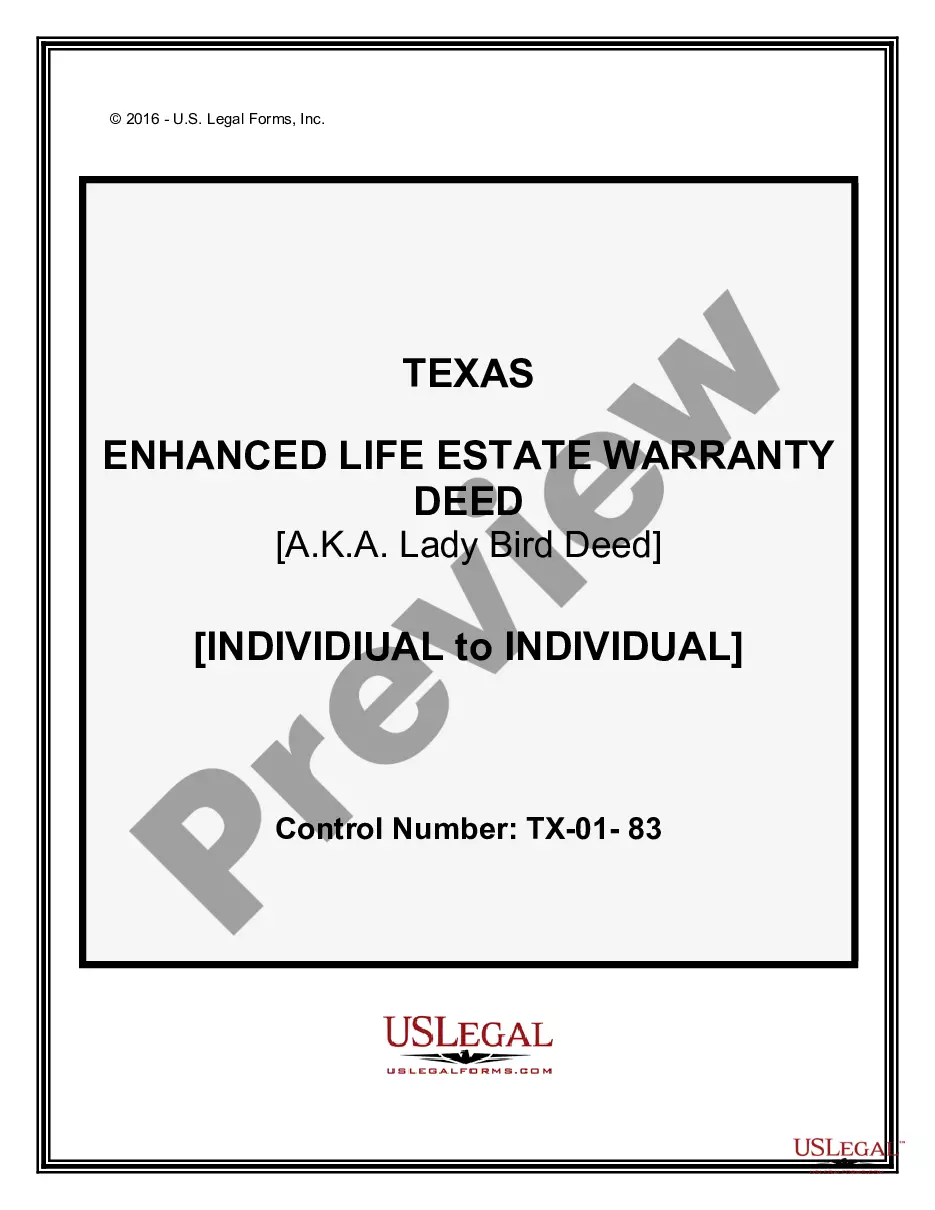
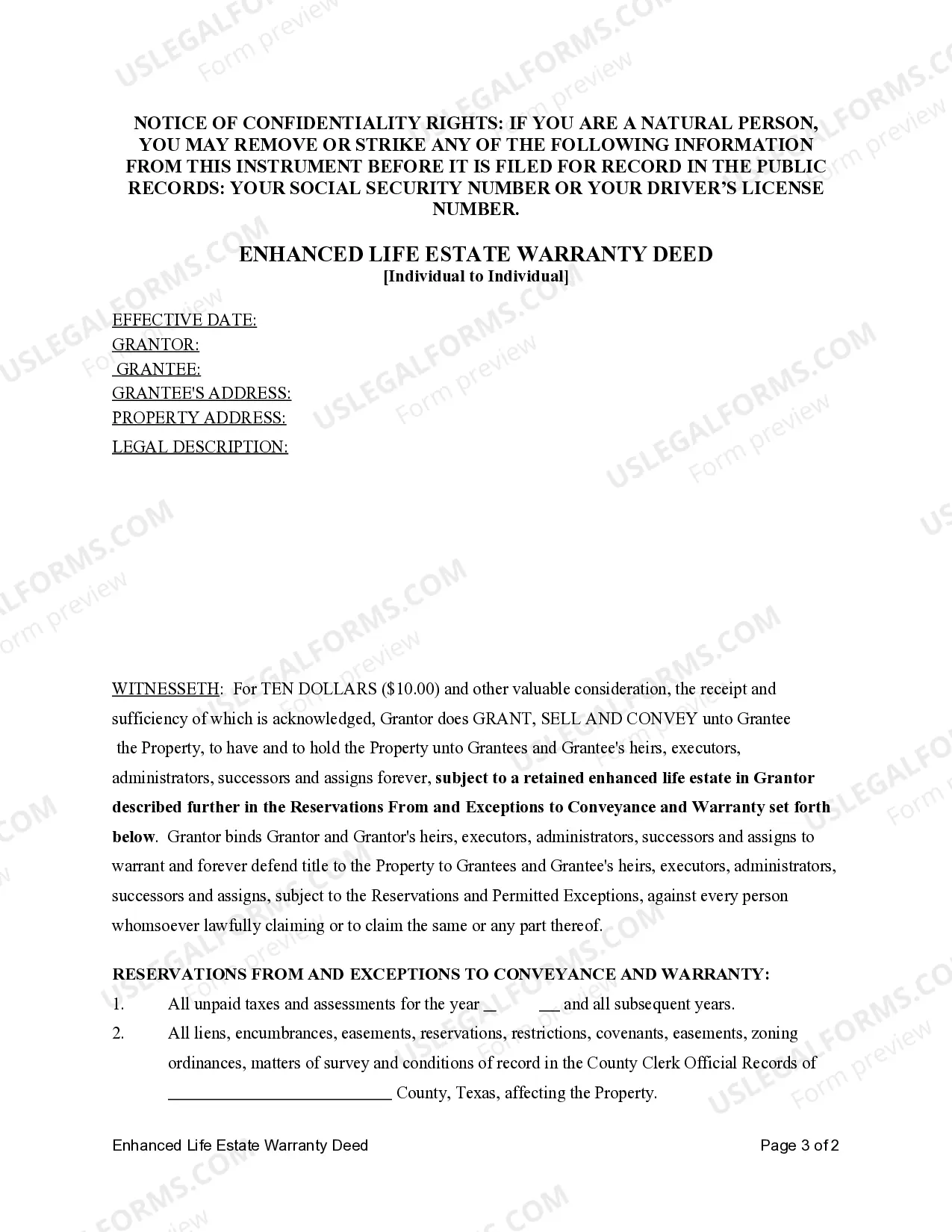
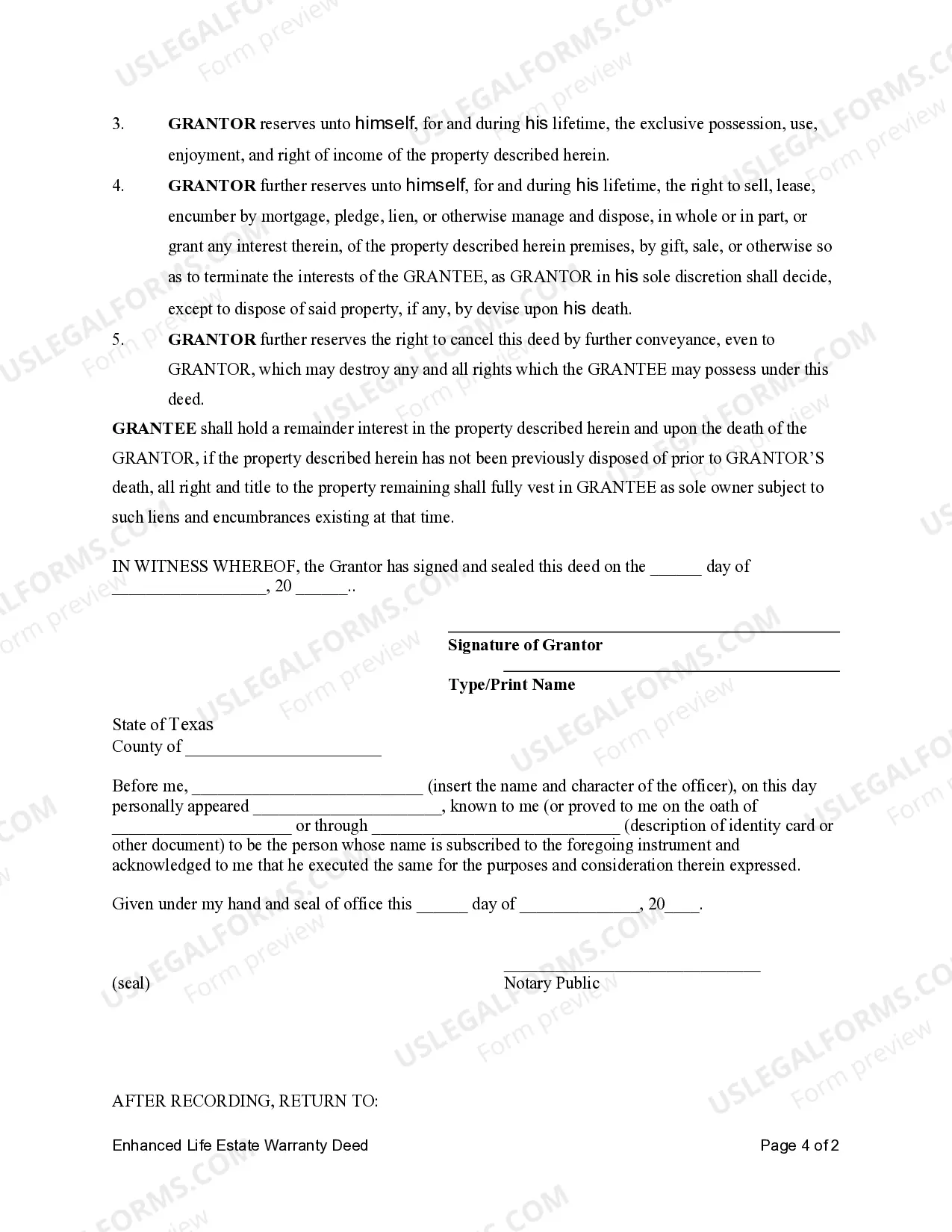
Life Estate Deed With Full Powers
Description

Get your form ready online
Our built-in tools help you complete, sign, share, and store your documents in one place.
Make edits, fill in missing information, and update formatting in US Legal Forms—just like you would in MS Word.
Download a copy, print it, send it by email, or mail it via USPS—whatever works best for your next step.
Sign and collect signatures with our SignNow integration. Send to multiple recipients, set reminders, and more. Go Premium to unlock E-Sign.
If this form requires notarization, complete it online through a secure video call—no need to meet a notary in person or wait for an appointment.
We protect your documents and personal data by following strict security and privacy standards.

Make edits, fill in missing information, and update formatting in US Legal Forms—just like you would in MS Word.

Download a copy, print it, send it by email, or mail it via USPS—whatever works best for your next step.

Sign and collect signatures with our SignNow integration. Send to multiple recipients, set reminders, and more. Go Premium to unlock E-Sign.

If this form requires notarization, complete it online through a secure video call—no need to meet a notary in person or wait for an appointment.

We protect your documents and personal data by following strict security and privacy standards.
Looking for another form?
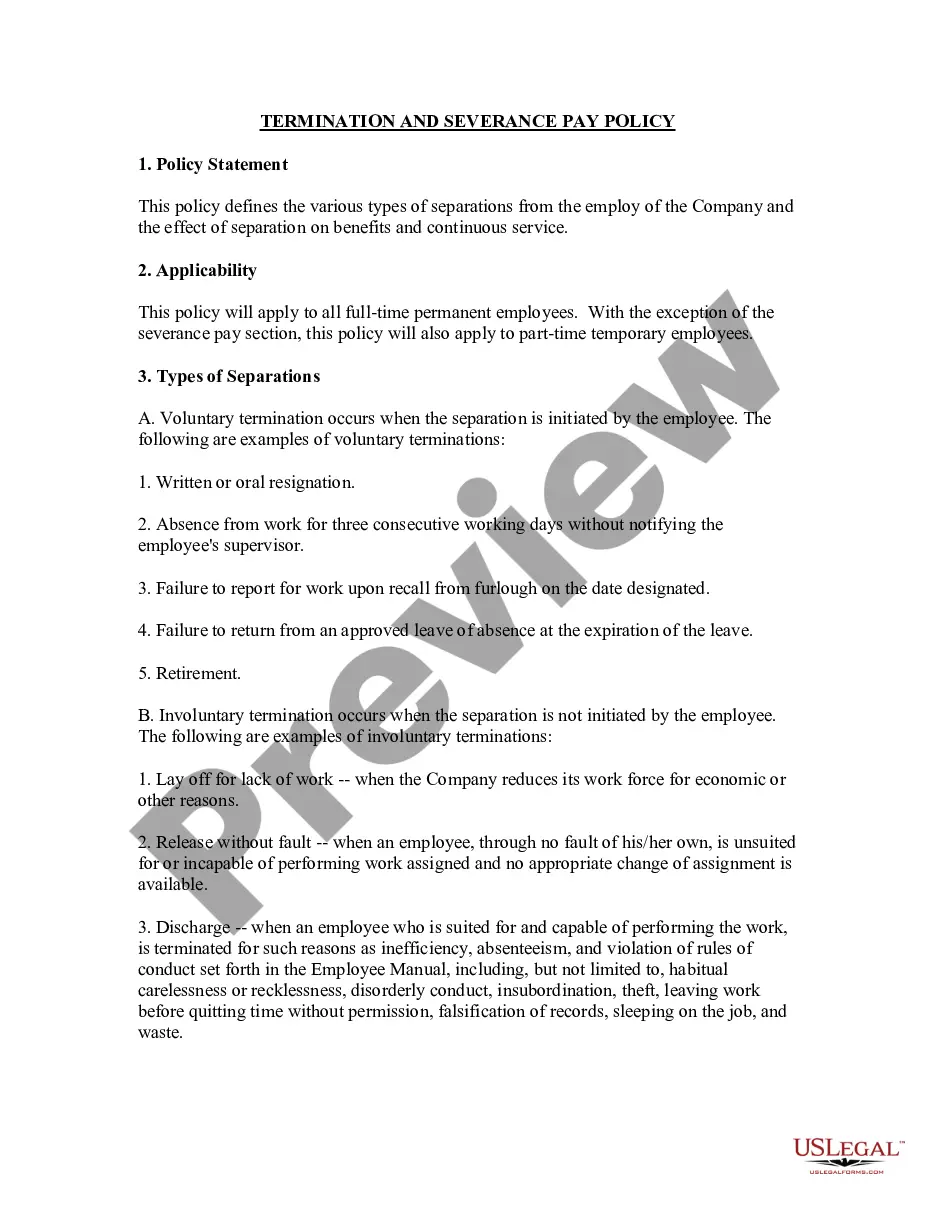

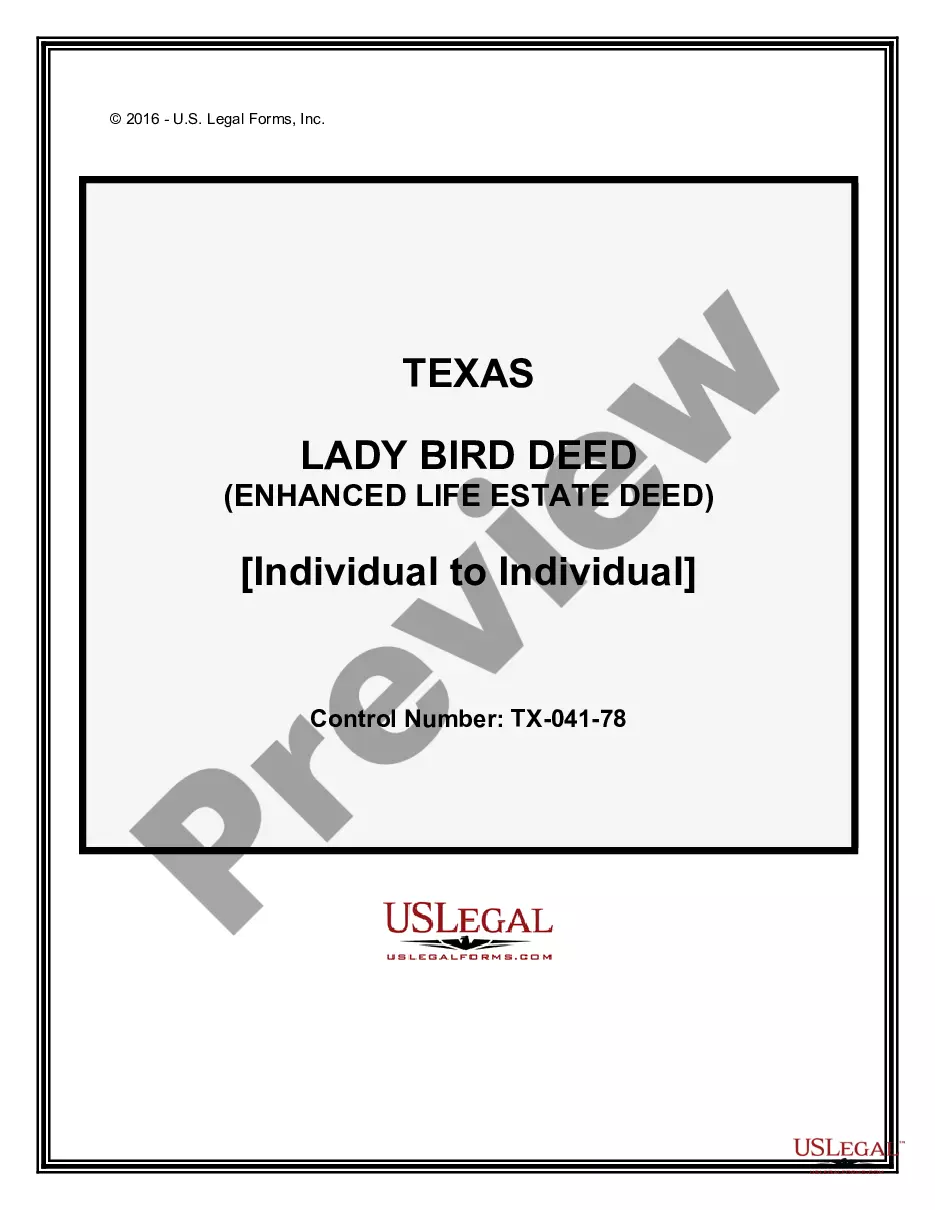
How to fill out Texas Lady Bird Or Enhanced Life Estate Warranty Deed - Individual To Individual?
- Log in to your US Legal Forms account if you are a returning user, and ensure your subscription is current. If necessary, renew your plan.
- For first-time users, browse the extensive library. Utilize the Preview mode to check the life estate deed with full powers template. Confirm it aligns with your jurisdiction's requirements.
- If you need a different template, use the Search tab to find it. Ensure you select the correct document before proceeding.
- Once you've found the right document, click the Buy Now button and choose your preferred subscription plan. An account registration is required to access additional resources.
- Complete your purchase by entering your payment information via credit card or PayPal.
- Download the form to your device. You can access it anytime from the My Forms section of your profile.
In conclusion, US Legal Forms not only empowers you with a vast array of legal documents but also provides expert support to ensure your forms are completed correctly. Whether you're a new or returning user, accessing legal templates has never been easier.
Start your journey by visiting US Legal Forms today for all your legal document needs!
Form popularity
FAQ
Yes, you can sell a house that is in a life estate. However, you must consider the restrictions that a life estate deed with full powers imposes. The owner of the life estate can sell the property, but the new owner will only hold the property interest until the life tenant passes away. For a smoother transaction, consider using services like US Legal Forms, which can guide you through the legalities of a life estate deed with full powers.
A life estate deed with full powers provides several key benefits. Primarily, it allows the life tenant to control the property during their lifetime, while ensuring a seamless transfer of ownership upon their death. This can simplify estate planning and help avoid costly and lengthy probate processes. Furthermore, it can offer tax benefits, as the life tenant may retain certain tax benefits associated with home ownership.
People often establish a life estate deed with full powers to ensure that their property passes to specific beneficiaries while avoiding probate. This arrangement allows individuals to retain certain rights over the property during their lifetime, offering peace of mind. Additionally, life estates can serve as a tool for estate planning, helping to maintain family harmony by clarifying ownership expectations.
To navigate a life estate deed with full powers, individuals can explore several options. One common approach is to negotiate a mutual agreement with the remainderman, allowing for flexibility in managing the property. Alternatively, you might consider establishing a different type of property ownership, such as a revocable trust, which can provide more control without the limitations of a life estate.
A life estate deed with full powers can limit the owner's ability to sell or mortgage the property. Because the property is tied to the life tenant's life, once they pass away, the ownership automatically transfers to the remainderman. This arrangement can create complications if the life tenant's needs change or if family dynamics shift, making it important to weigh these factors carefully before proceeding.
Breaking a life estate deed with full powers is possible but can be complex. Typically, this involves obtaining consent from the remainderman or pursuing a court order if consent cannot be reached. It may also involve negotiating agreements that satisfy all parties involved. Engaging with legal experts through platforms like USLegalForms can streamline this process and provide necessary documentation.
While a life estate deed with full powers offers certain benefits, it also comes with drawbacks. One disadvantage is the potential loss of control after the life tenant's death, as the property automatically transfers to the remainderman. Furthermore, it might limit your ability to sell the property without the consent of the remainderman, which could hinder financial flexibility. Evaluating these aspects carefully is important.
In most cases, a life estate deed with full powers does take priority over a will. This means that if there is a conflict between the provisions in a will and those in a life estate deed, the deed’s terms will generally prevail. It is essential for anyone creating these documents to ensure clarity and consistency to avoid potential legal disputes. Proper legal assistance can help align both documents effectively.
Yes, a life estate deed with full powers can potentially be challenged in court. Family members or other interested parties may contest the validity or terms of the deed. Grounds for challenge may include questions of mental capacity at the time of signing or claims of undue influence. Legal guidance can help navigate these complex situations.
When dealing with a life estate deed with full powers, it is important to consider potential tax implications. Generally, the owner of a life estate may remain responsible for property taxes during their lifetime. Additionally, there may be estate tax considerations at the time of the life tenant's passing, depending on the situation. Consulting with a tax professional can provide clarity on individual circumstances.