Texas Release Of Liability Form Auto
Description
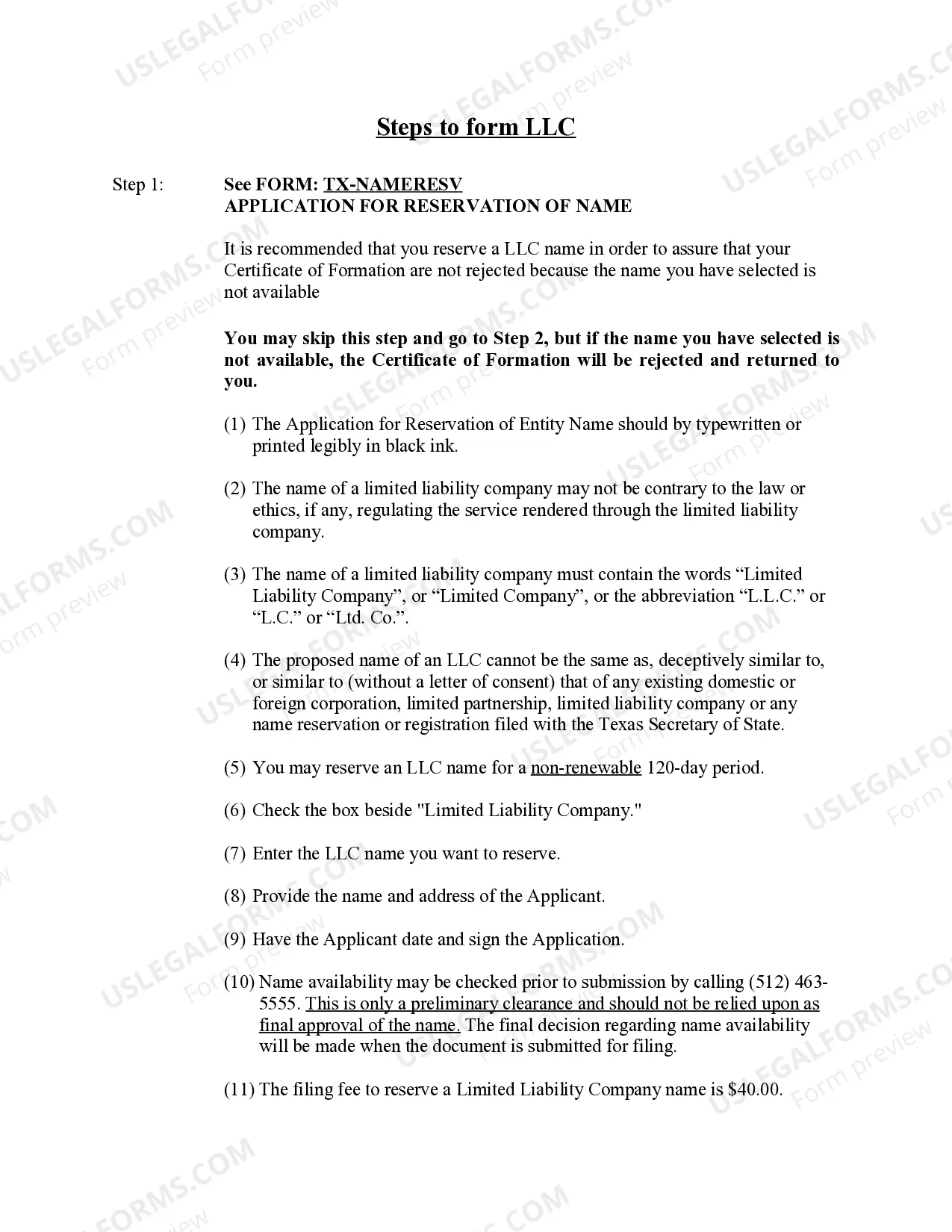
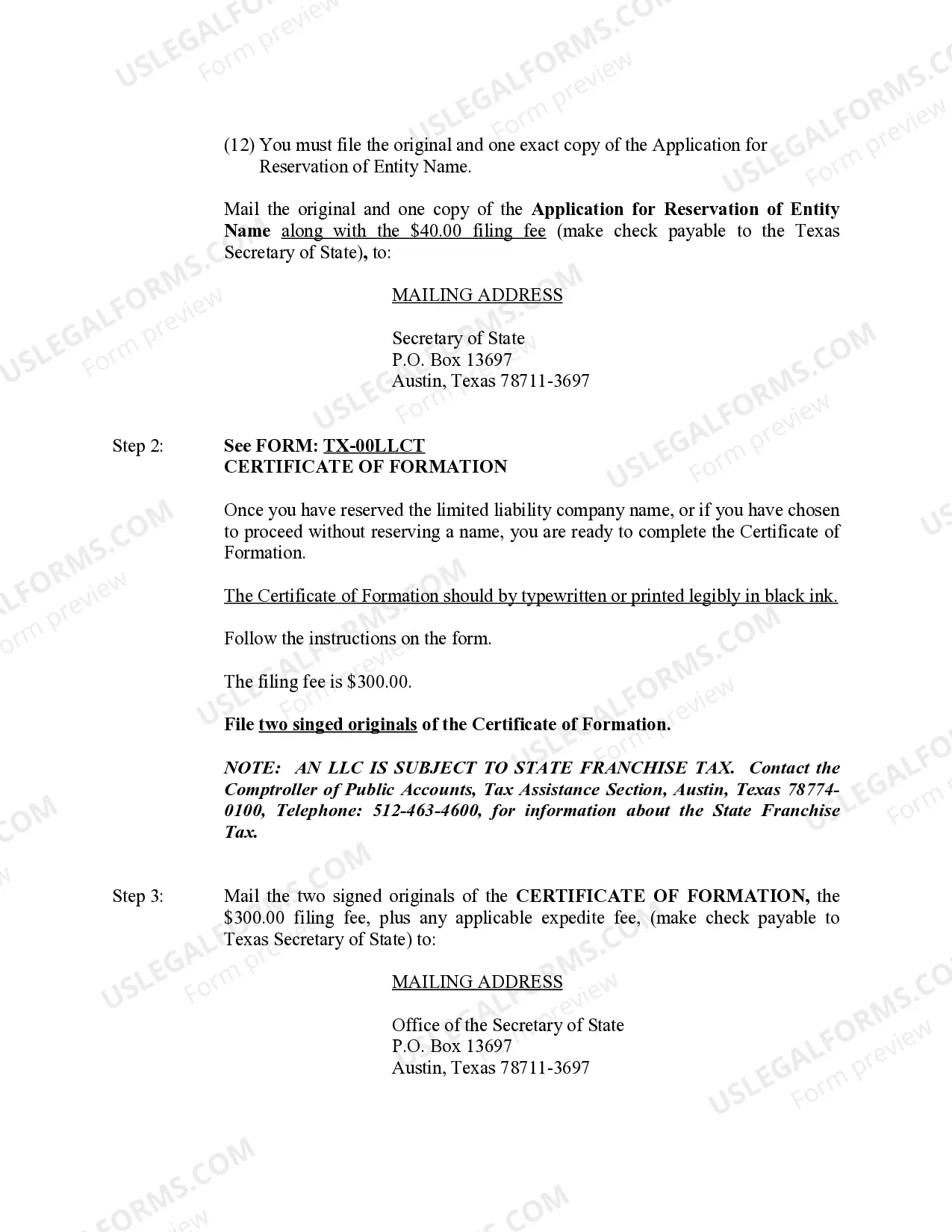

Get your form ready online
Our built-in tools help you complete, sign, share, and store your documents in one place.
Make edits, fill in missing information, and update formatting in US Legal Forms—just like you would in MS Word.
Download a copy, print it, send it by email, or mail it via USPS—whatever works best for your next step.
Sign and collect signatures with our SignNow integration. Send to multiple recipients, set reminders, and more. Go Premium to unlock E-Sign.
If this form requires notarization, complete it online through a secure video call—no need to meet a notary in person or wait for an appointment.
We protect your documents and personal data by following strict security and privacy standards.

Make edits, fill in missing information, and update formatting in US Legal Forms—just like you would in MS Word.

Download a copy, print it, send it by email, or mail it via USPS—whatever works best for your next step.

Sign and collect signatures with our SignNow integration. Send to multiple recipients, set reminders, and more. Go Premium to unlock E-Sign.

If this form requires notarization, complete it online through a secure video call—no need to meet a notary in person or wait for an appointment.

We protect your documents and personal data by following strict security and privacy standards.
Looking for another form?










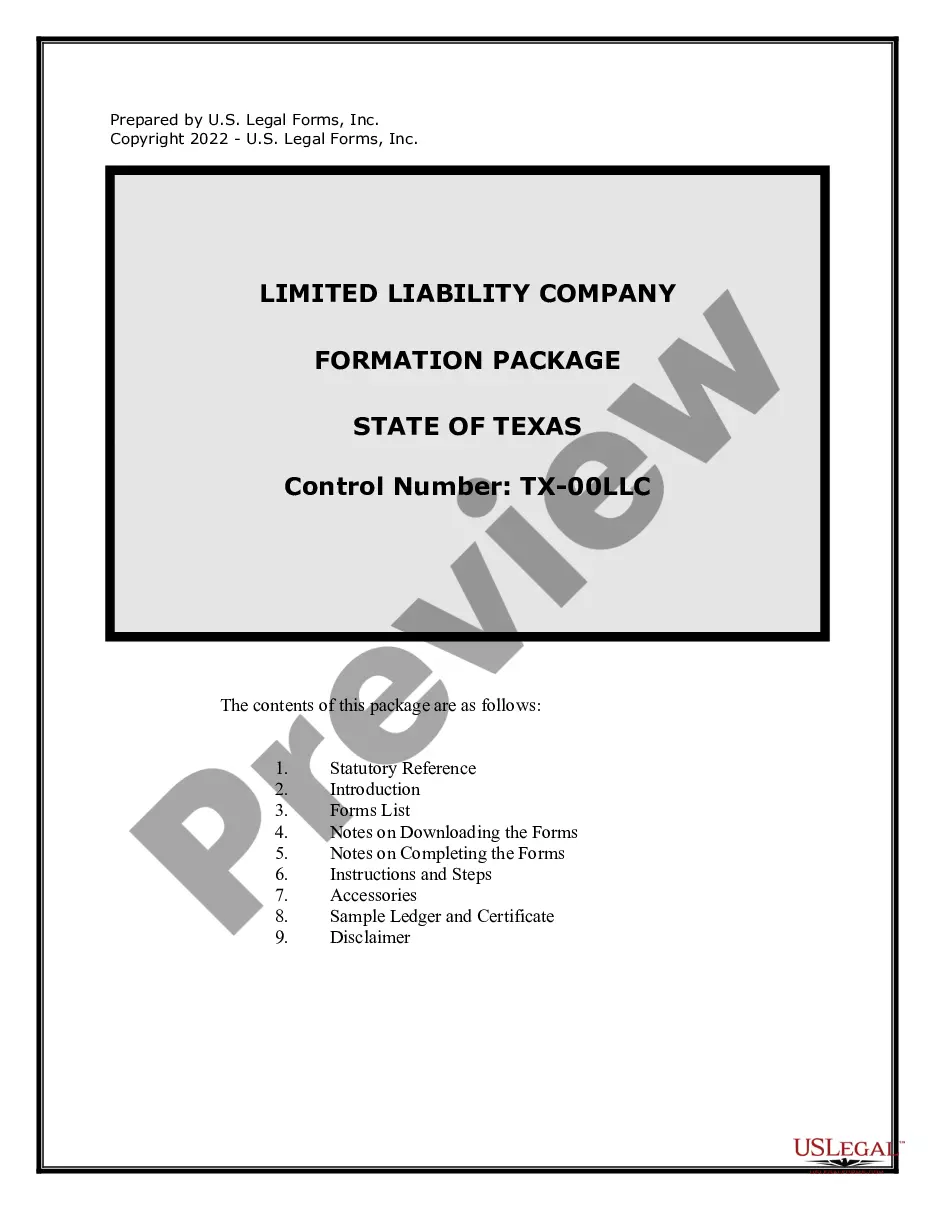
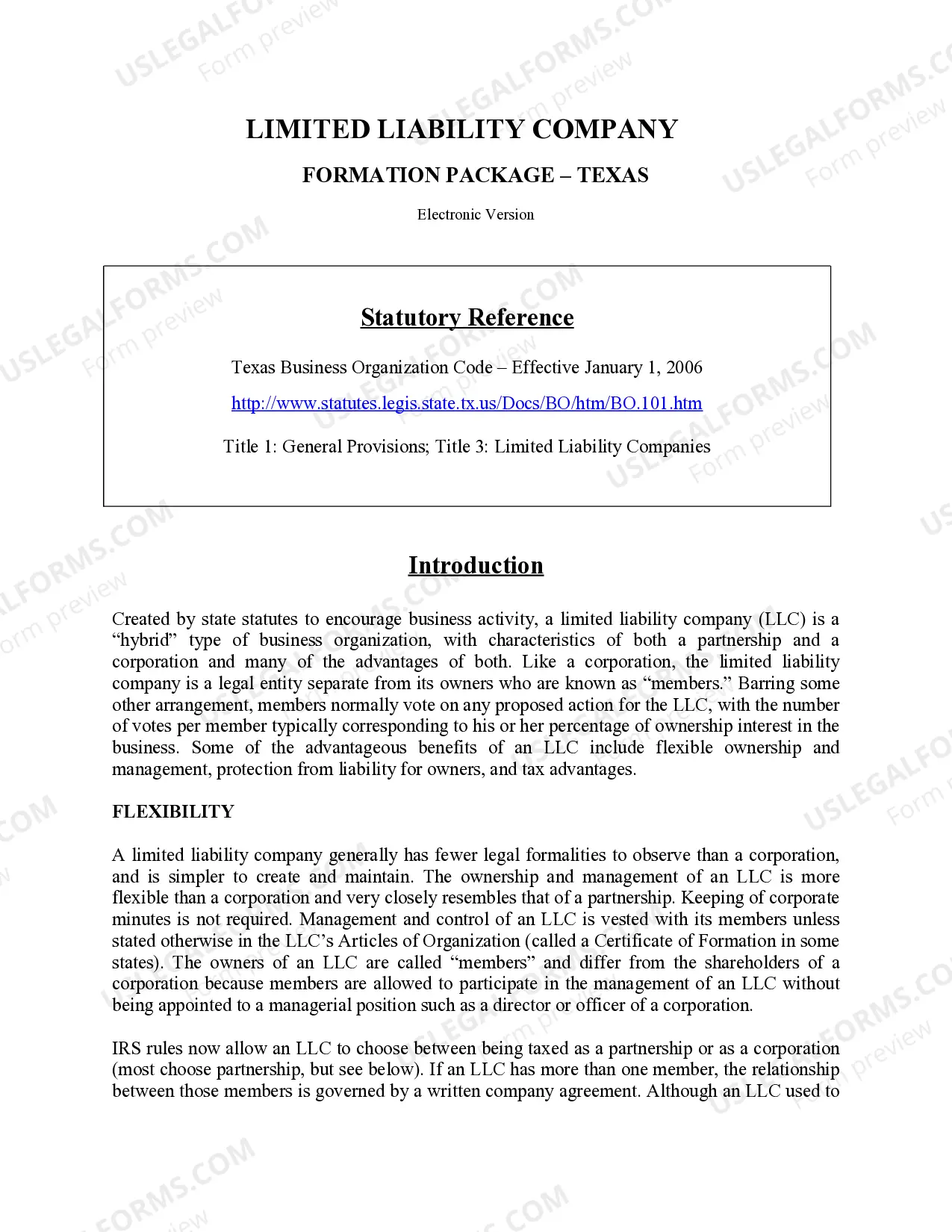
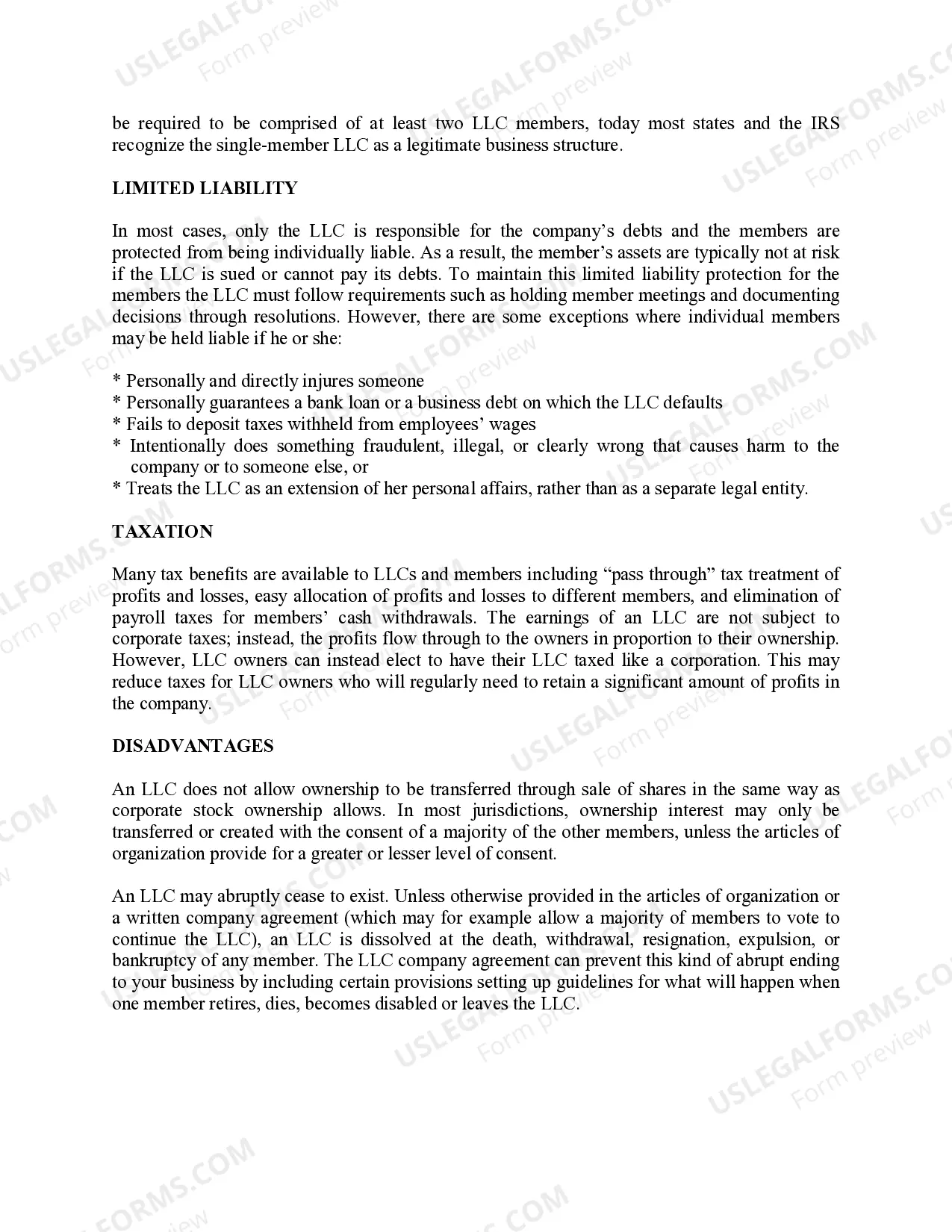
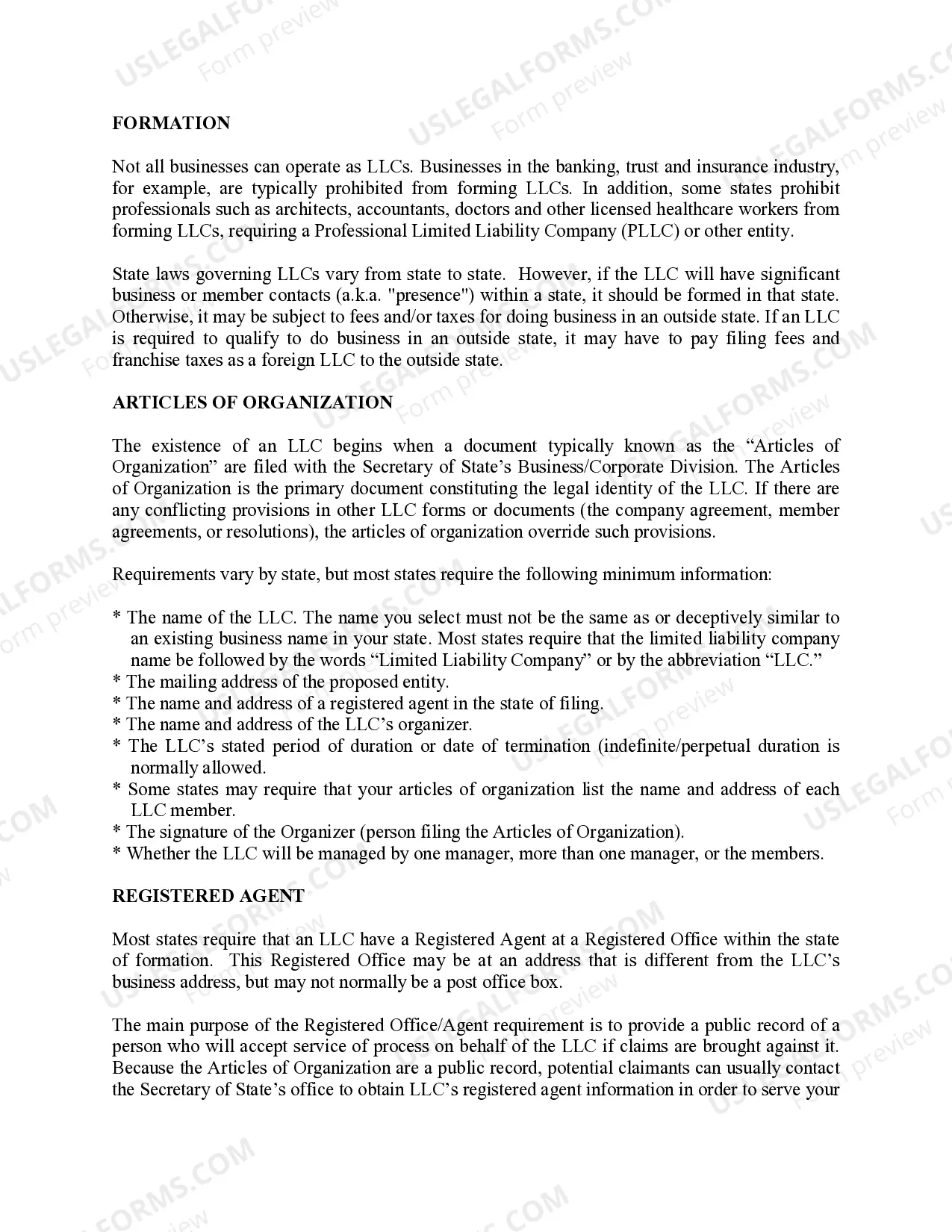
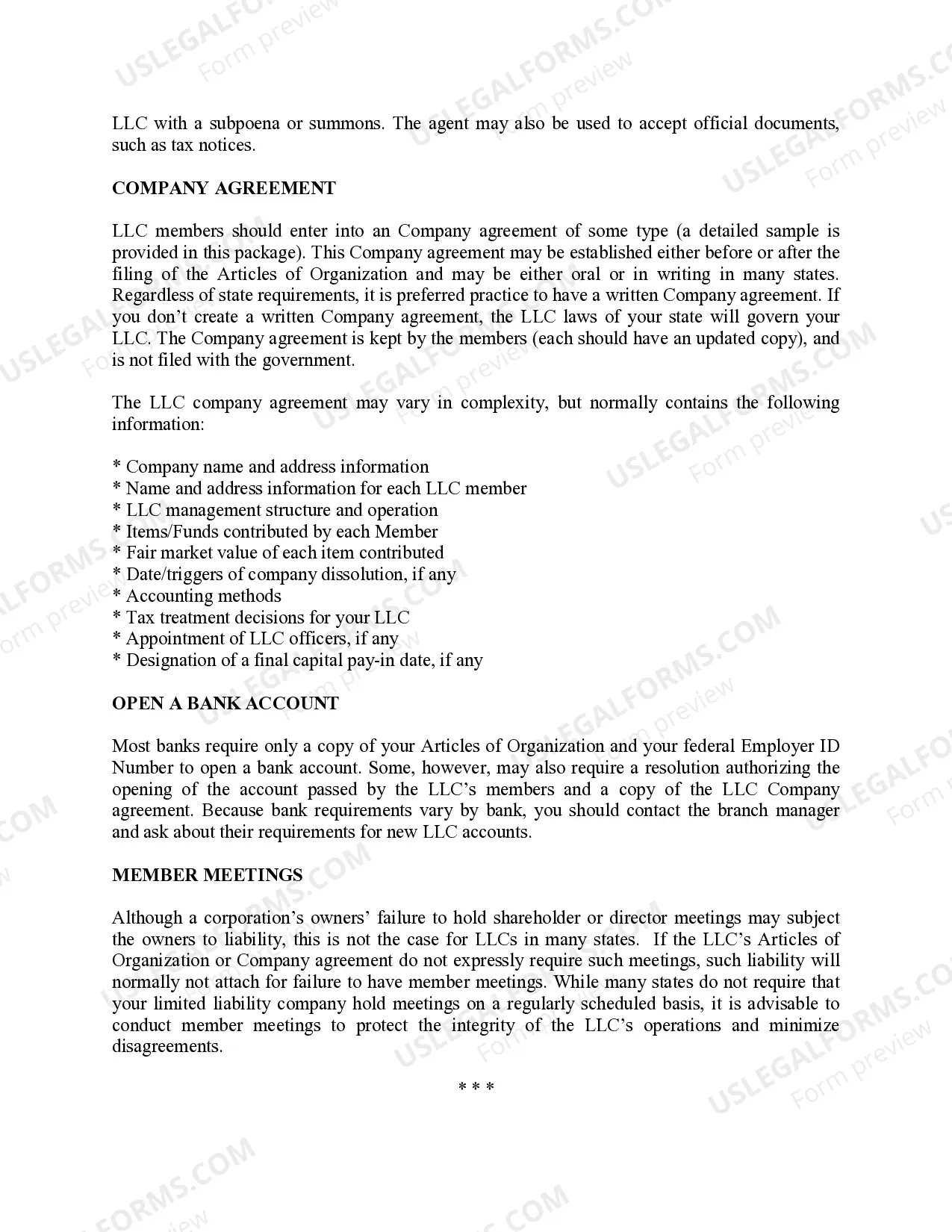
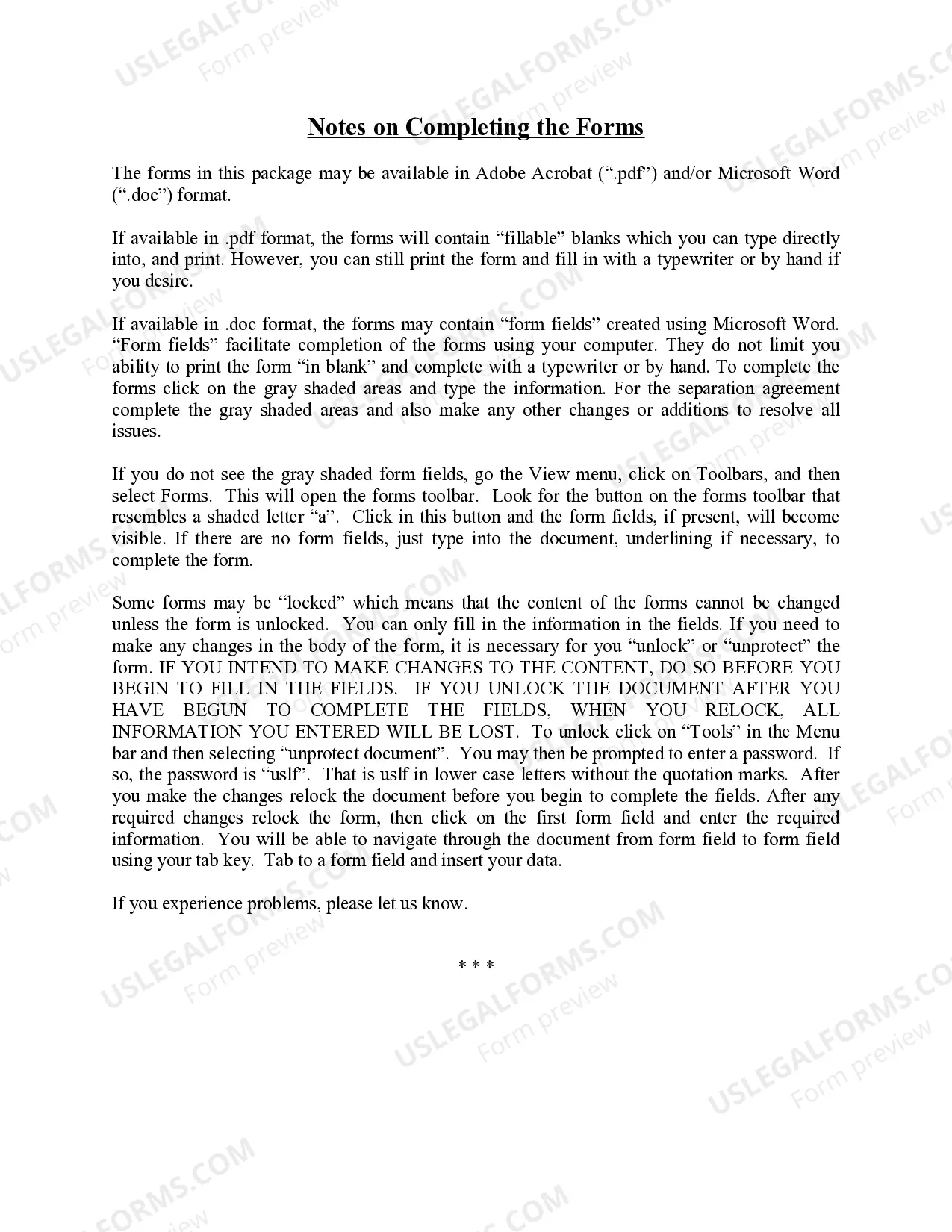
How to fill out Texas Limited Liability Company LLC Formation Package?
It’s clear that you cannot transform into a legal expert instantly, nor can you comprehend how to efficiently prepare the Texas Release Of Liability Form Auto without possessing a specialized set of abilities.
Drafting legal paperwork is a lengthy process that demands specific education and expertise. Hence, why not entrust the crafting of the Texas Release Of Liability Form Auto to the specialists.
With US Legal Forms, one of the most extensive libraries of legal templates, you can discover everything from court filings to in-office communication templates. We understand how essential compliance and adherence to federal and local regulations are.
Establish a free account and choose a subscription plan to obtain the template.
Click Buy now. Once the purchase is finalized, you can obtain the Texas Release Of Liability Form Auto, complete it, print it, and send or mail it to the necessary recipients or organizations.
- That’s why, on our website, all templates are location-specific and current.
- Let’s get started on our website and acquire the form you require in just a few minutes.
- Find the document you need by utilizing the search feature at the top of the page.
- Review it (if this option is available) and examine the accompanying description to determine if the Texas Release Of Liability Form Auto is what you seek.
- Commence another search if you require a different document.
Form popularity
FAQ
Yes, you must notify the DMV if you sold your car in Texas. This notification can be achieved by submitting the Texas release of liability form auto, which protects you from future liabilities. Failure to notify the DMV may lead to complications like receiving tickets or other legal issues related to the vehicle. It’s a simple step that can save you a lot of trouble down the road, and platforms like USLegalForms can guide you through this requirement.
The form used for the release of lien on a vehicle in Texas is known as Form VTR-265. This form is essential for anyone looking to clear any existing liens against their vehicle. Submitting this form to the DMV helps ensure that the vehicle title is clear, allowing for easier future sales or transfers. With tools from platforms like USLegalForms, you can access the necessary templates and instructions to complete this process efficiently.
To release liability on a car in Texas, you need to complete the Texas release of liability form auto, commonly known as Form 130. After filling it out, submit it to the Texas DMV to notify them of the vehicle's sale or transfer. This ensures you are no longer responsible for any incidents involving the vehicle after the transfer date. Utilizing USLegalForms can simplify this process by providing you with the correct forms and guidance.
Form 130 in Texas is primarily filled out by the seller of the vehicle. This Texas release of liability form auto allows the seller to notify the DMV of the sale and helps avoid any future liability issues. It is essential for the seller to complete this form accurately and submit it promptly after the sale. By doing so, they provide a clear record of the transaction and protect themselves from unexpected claims.
The Texas form VTR 271 A is used to report the sale or transfer of a vehicle. Essentially, this form serves as a notification to the Texas DMV regarding the change of ownership. Completing this form is crucial for ensuring that the previous owner is no longer liable for the vehicle. By taking this step, you safeguard yourself from potential liabilities associated with the car.
Form 130 U is not a strict requirement in Texas; however, it is beneficial for anyone looking to release liability when selling or transferring a vehicle. This Texas release of liability form auto helps protect sellers from future claims related to the vehicle. It provides a record of the transaction to the Department of Motor Vehicles. By using this form, you ensure clarity and security in your car transaction.
To file a release of lien in Texas, you start by obtaining the appropriate Texas release of liability form auto from a reliable source, like USLegalForms. Ensure that you fill out the form completely and accurately, providing all necessary details such as the property description and the names of the parties involved. Next, you need to sign the form in front of a notary public, confirming that all information is correct. Finally, submit the completed form to the county clerk’s office where the original lien was filed, ensuring that the release is recorded properly.