Limited Recourse
Description
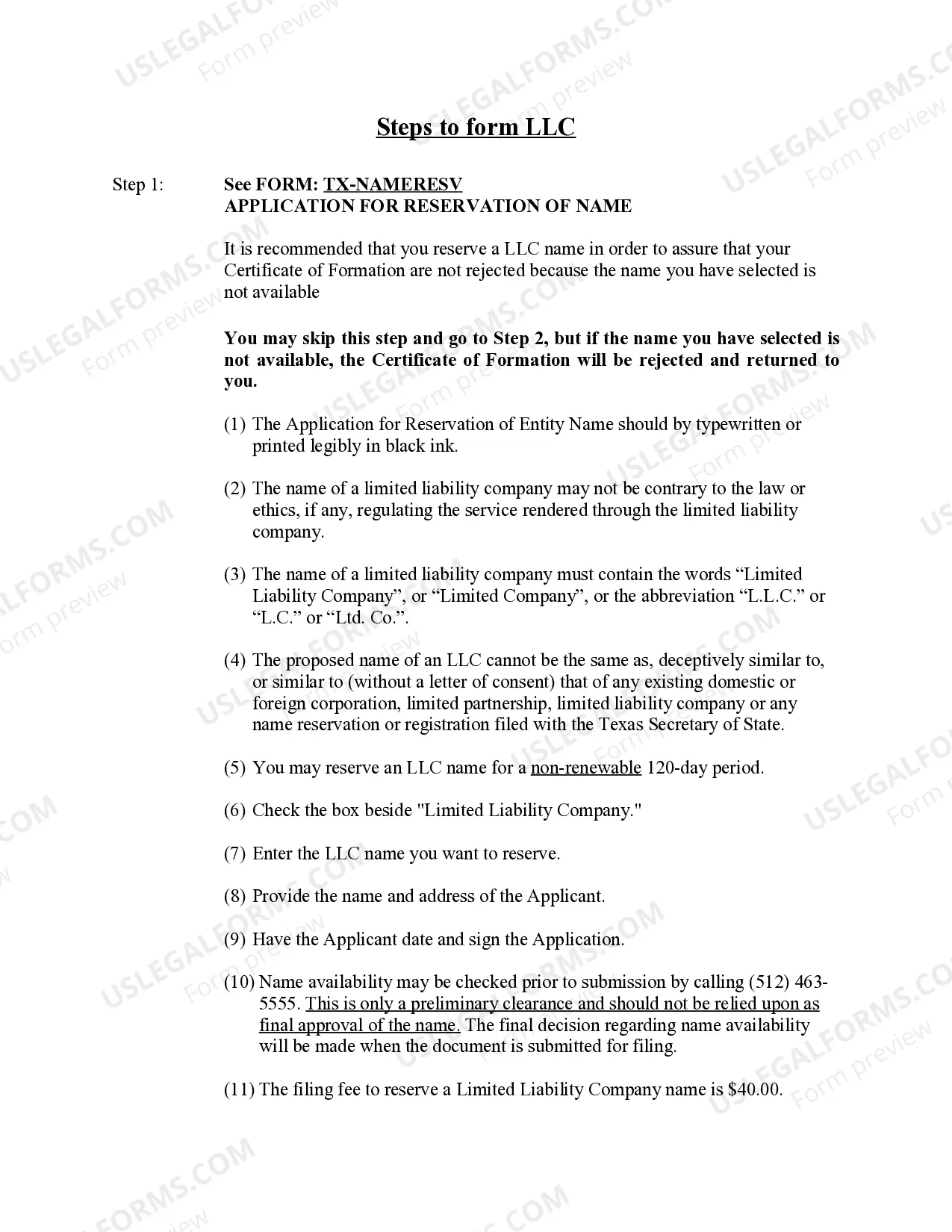
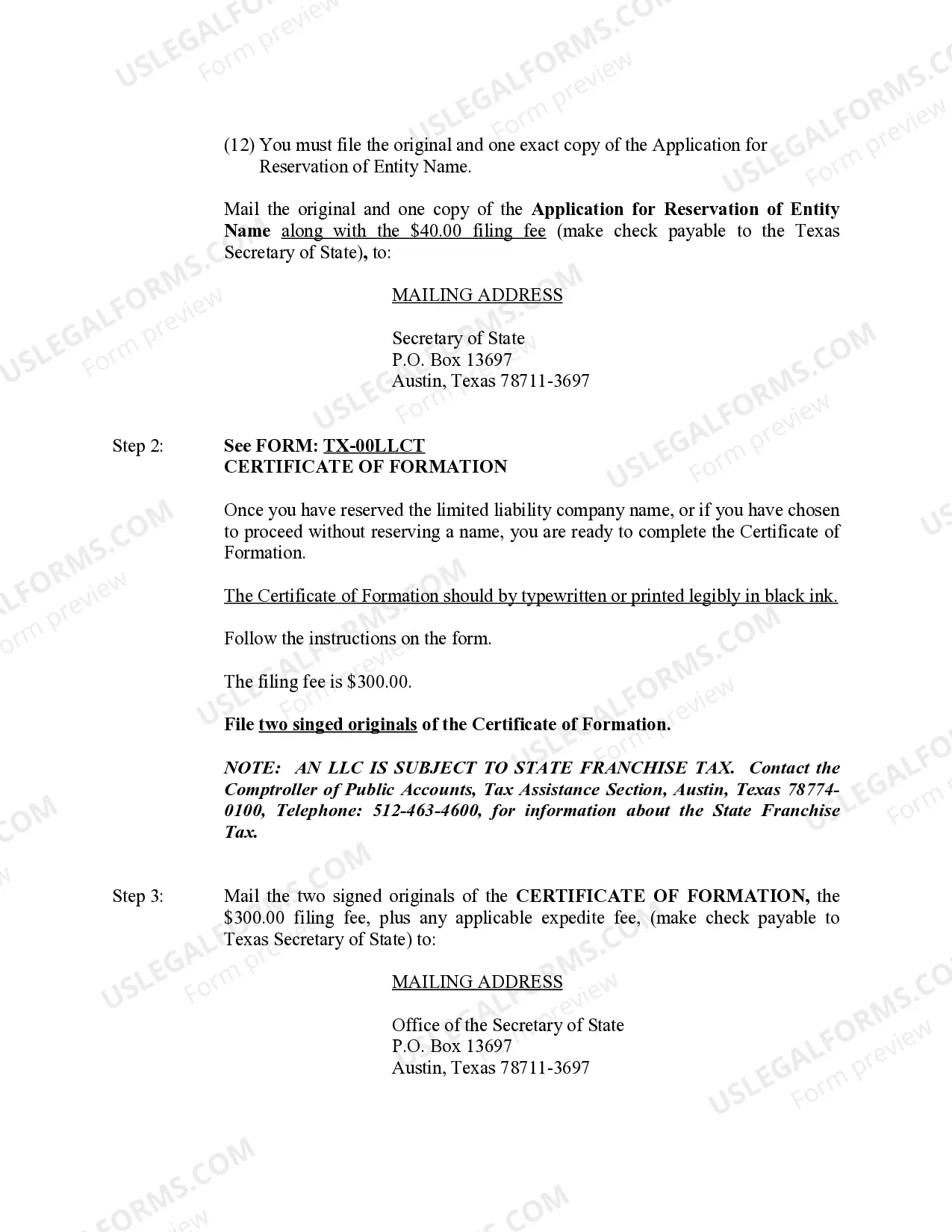

Get your form ready online
Our built-in tools help you complete, sign, share, and store your documents in one place.
Make edits, fill in missing information, and update formatting in US Legal Forms—just like you would in MS Word.
Download a copy, print it, send it by email, or mail it via USPS—whatever works best for your next step.
Sign and collect signatures with our SignNow integration. Send to multiple recipients, set reminders, and more. Go Premium to unlock E-Sign.
If this form requires notarization, complete it online through a secure video call—no need to meet a notary in person or wait for an appointment.
We protect your documents and personal data by following strict security and privacy standards.

Make edits, fill in missing information, and update formatting in US Legal Forms—just like you would in MS Word.

Download a copy, print it, send it by email, or mail it via USPS—whatever works best for your next step.

Sign and collect signatures with our SignNow integration. Send to multiple recipients, set reminders, and more. Go Premium to unlock E-Sign.

If this form requires notarization, complete it online through a secure video call—no need to meet a notary in person or wait for an appointment.

We protect your documents and personal data by following strict security and privacy standards.
Looking for another form?
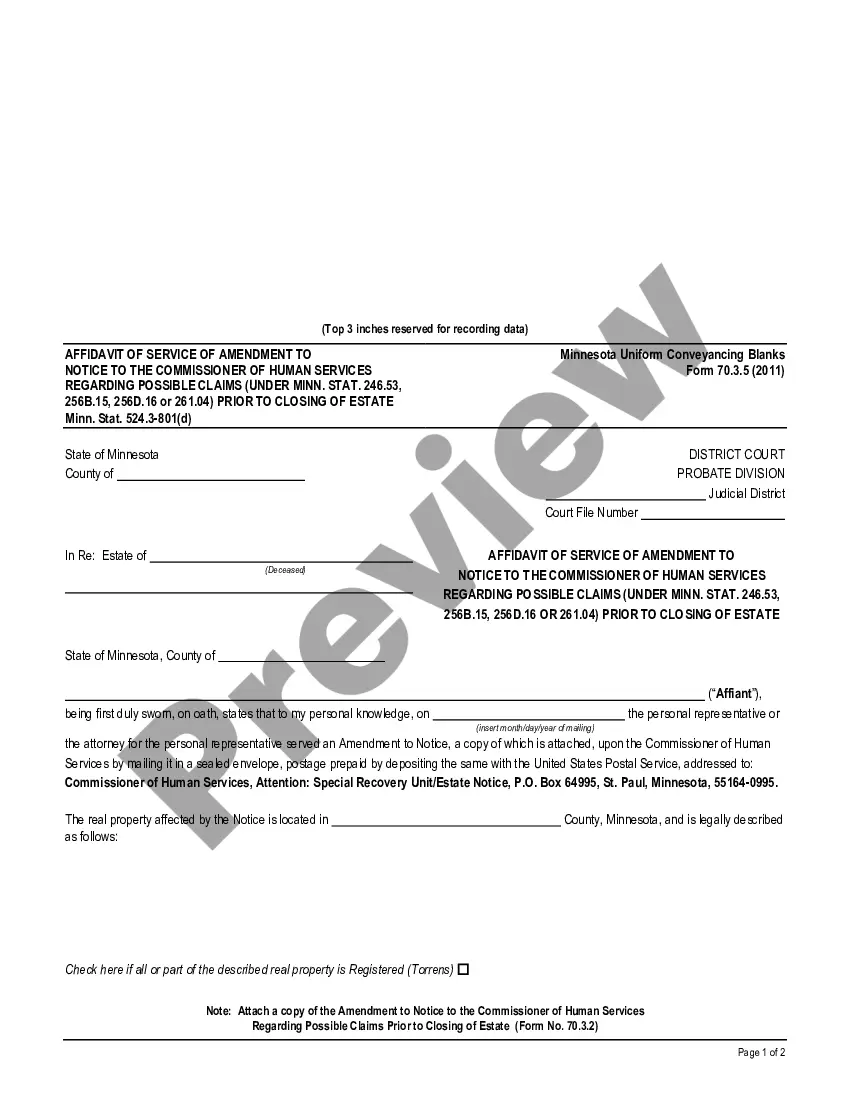



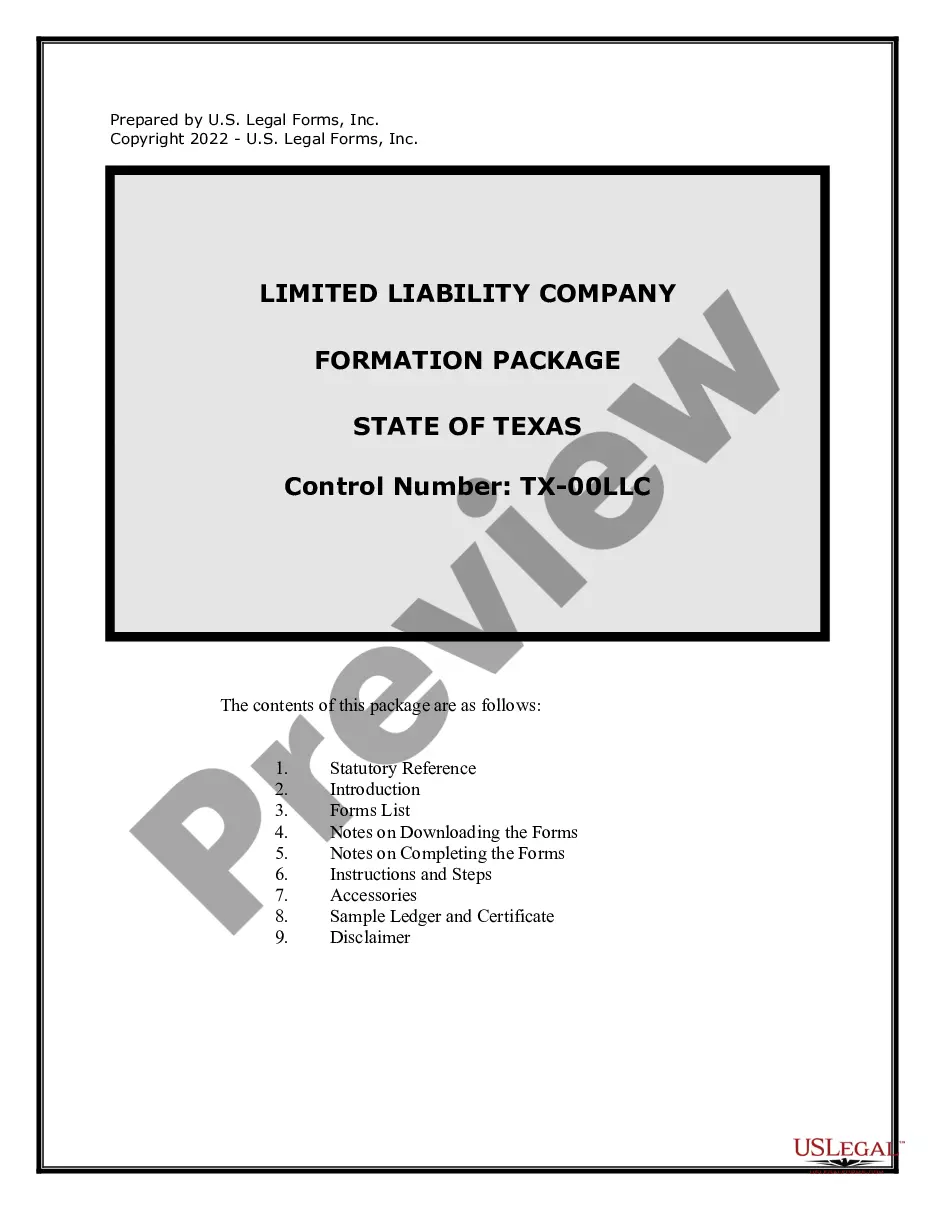
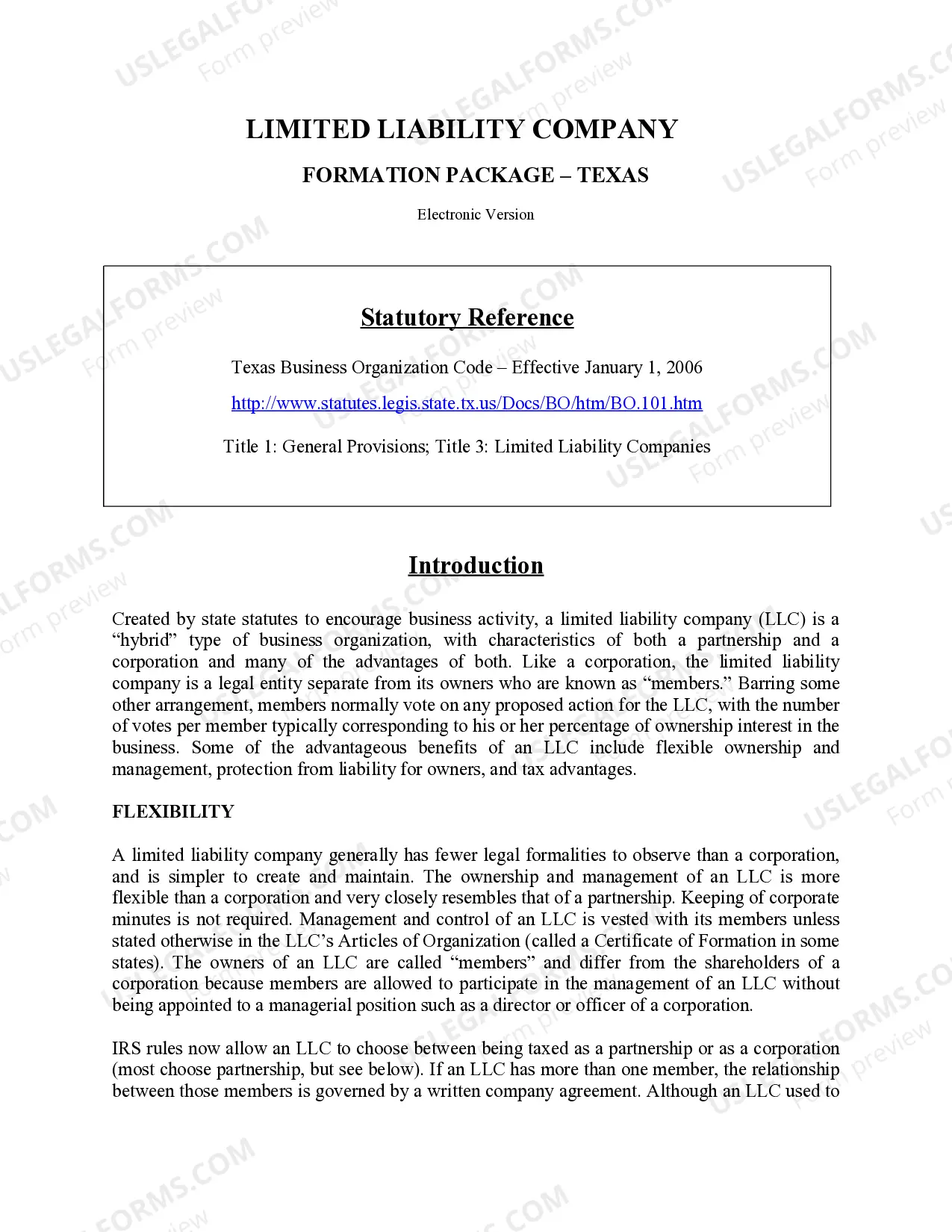
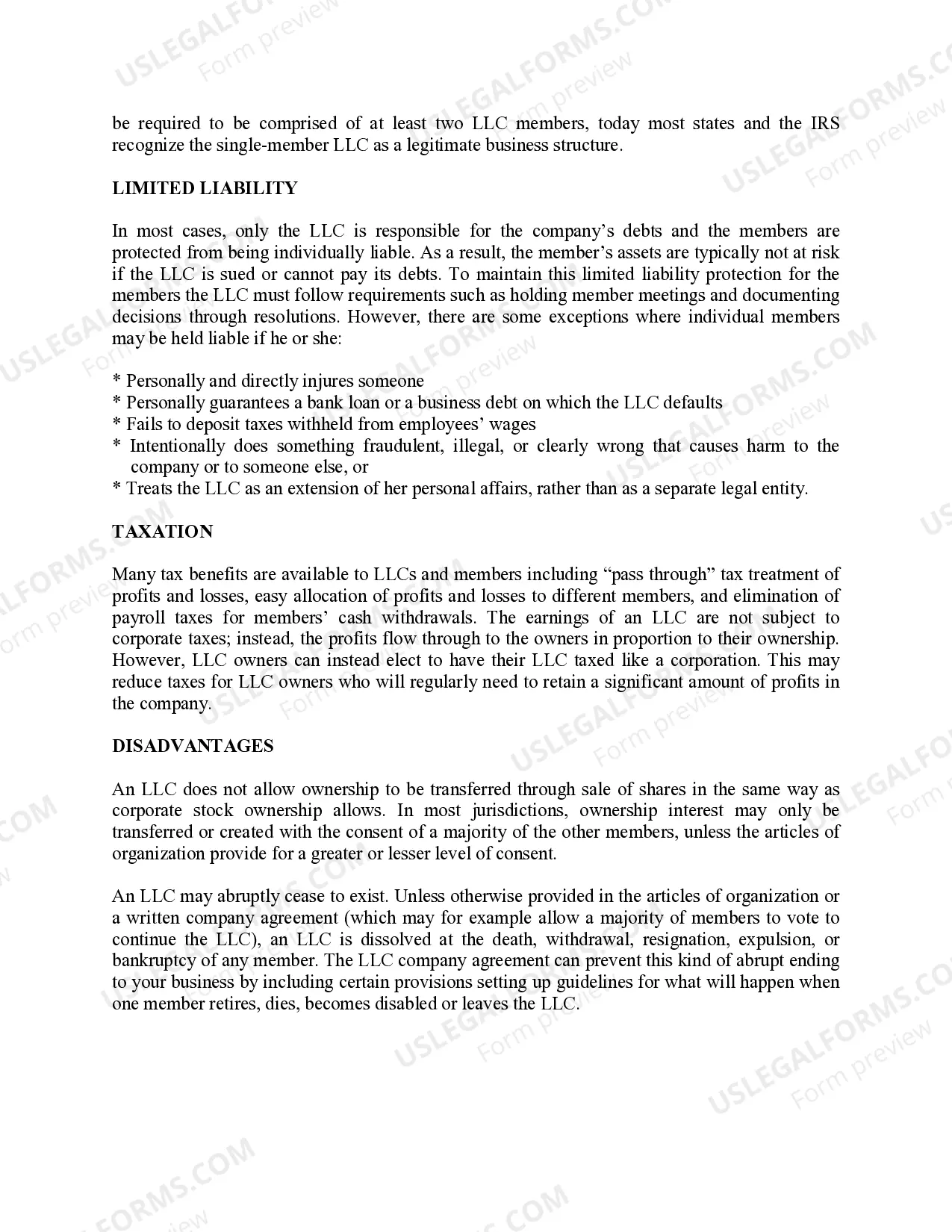
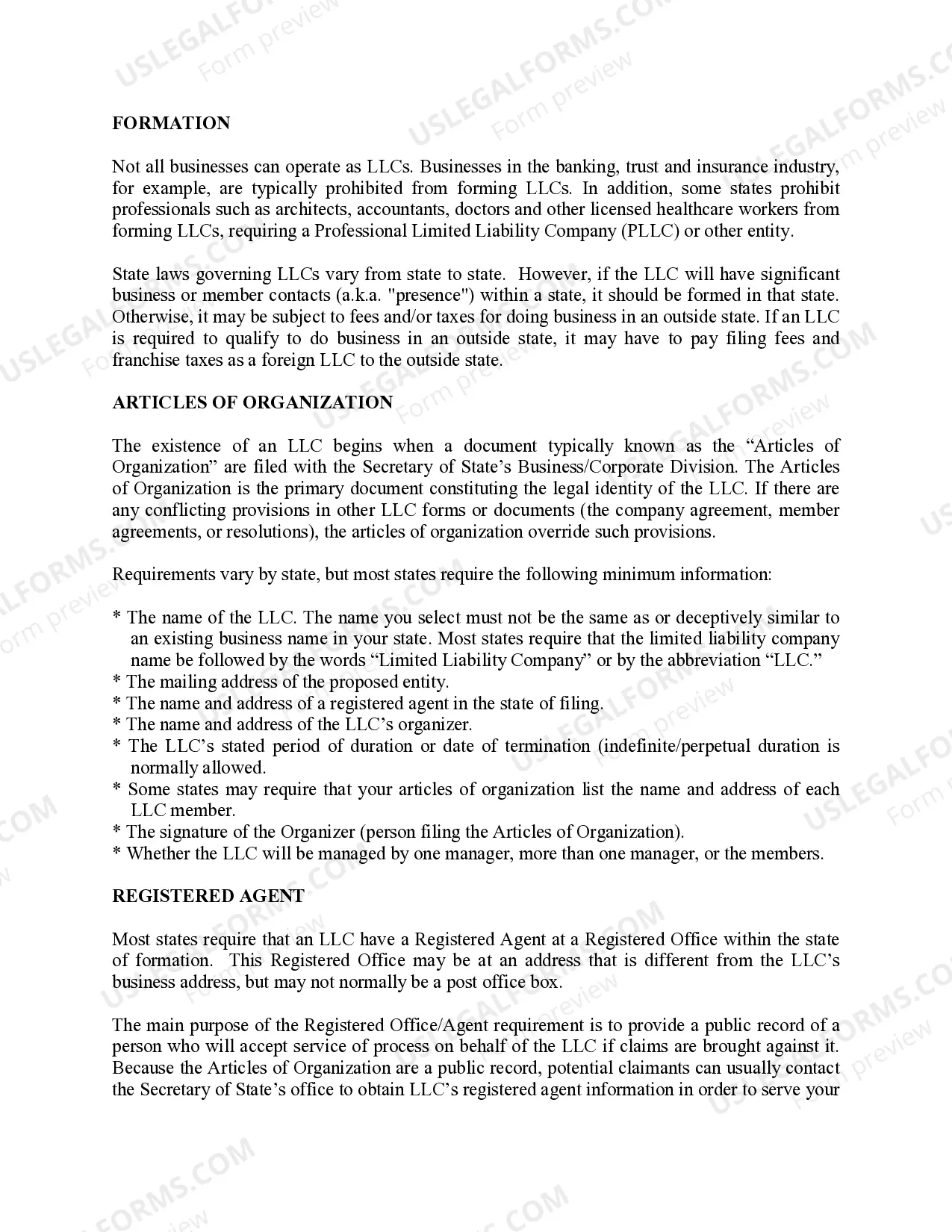
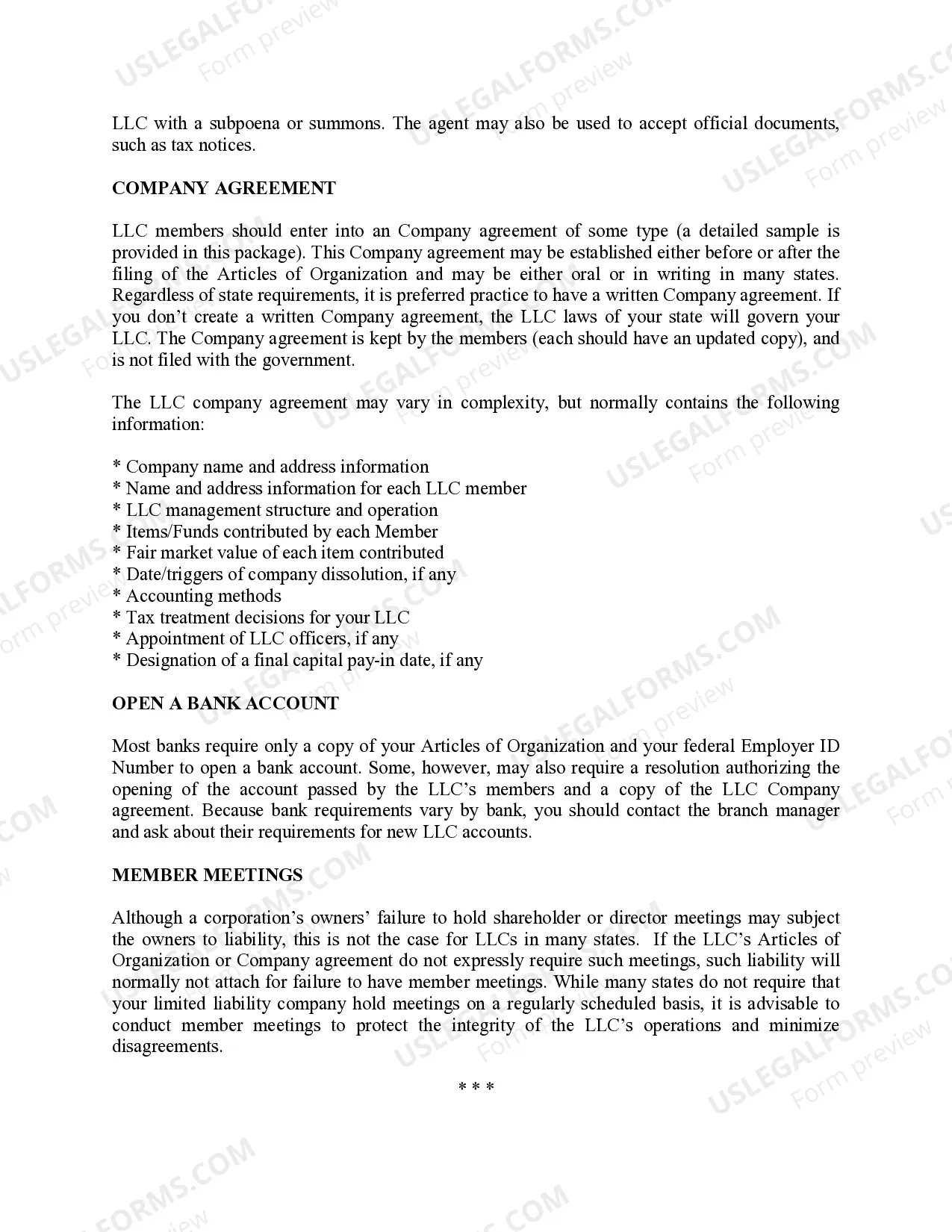
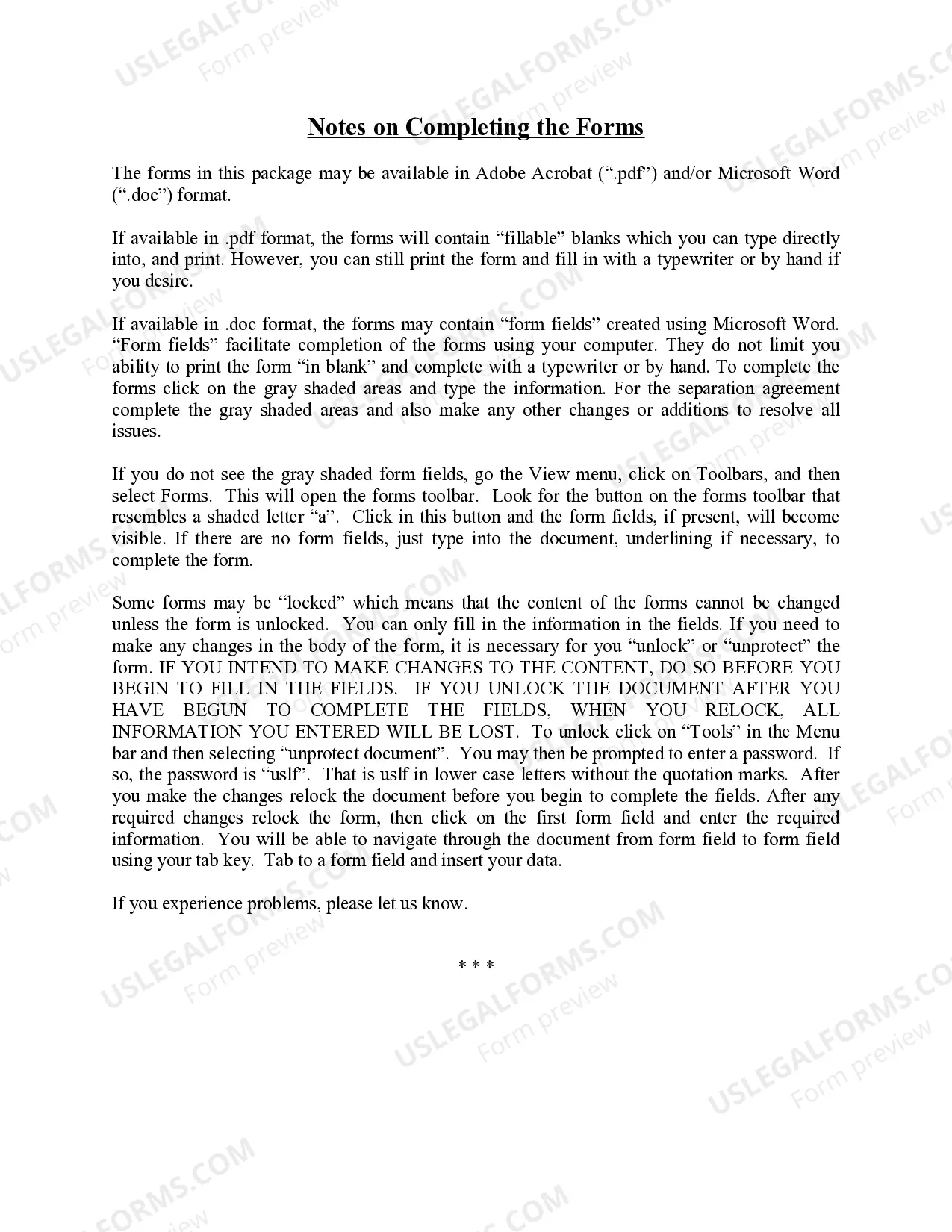
How to fill out Texas Limited Liability Company LLC Formation Package?
- If you are a returning user, log in to your account to access your previously downloaded templates.
- Verify your subscription status before proceeding. If it's expired, renew it according to your chosen payment plan.
- For first-time users, start by checking the Preview mode and reviewing form descriptions to ensure they meet your specific demands.
- In case of discrepancies, utilize the Search tab to locate the correct form that suits your needs.
- After finding your desired document, click on the Buy Now button and choose a subscription plan that fits you. Remember to create an account for full access.
- Complete your purchase by entering your payment details or using PayPal to secure your subscription.
- Finally, download your selected form to your device and access it anytime through the My Forms section.
Accessing documents through US Legal Forms is simple and efficient, empowering users to handle legal tasks confidently. With an extensive selection and expert assistance, you can ensure that your legal documentation is accurate and reliable.
Don't hesitate—start your journey toward seamless legal document management today!
Form popularity
FAQ
Limited recourse refers to a financial arrangement where a lender can only claim specific assets as repayment for a debt. This means that if the debt is not repaid, the lender cannot pursue other personal assets beyond what is secured. Understanding limited recourse can significantly influence investment choices and risk assessment. Using USLegalForms can help clarify these concepts and guide you through potential agreements.
Limited recourse terms outline the extent of liability for a borrower under certain agreements. With these terms, lenders agree to limit their recovery to specific assets rather than seeking payment from your entire financial picture. This can provide significant peace of mind as you engage in larger investments. Within the USLegalForms platform, you can find resources that explain these terms more deeply and how they can aid in your financial decisions.
An example of limited recourse is when a self-managed superannuation fund uses an LRBA to buy real estate. The lender can only claim the property in the event of default, not the borrower's other assets or income. This protection offers a safer path to grow your investments without risking your entire financial standing. Exploring options on the US Legal Forms platform can ensure the proper documents support this arrangement.
A common example of recourse is a traditional mortgage. In this scenario, if a borrower fails to repay, the lender can repossess the property and may pursue the borrower for any remaining balance. This contrasts with limited recourse options, where the lender’s claims are restricted to specific collateral. Knowing the difference helps you choose the best borrowing arrangement for your needs.
The primary difference between non-recourse and limited recourse financing lies in the lender's options for recovery in case of default. Non-recourse financing means that lenders have no claim beyond the specific collateral. In contrast, limited recourse financing allows for some restricted claims depending on the contract terms. Understanding these differences is crucial for borrowers when choosing the right financing option.
A with recourse basis implies that borrowers carry full responsibility for the repayment of their loans. This means that if they default, lenders can pursue the borrower's complete financial assets to satisfy the debt. This type of financing can be riskier for borrowers, as it does not offer the same protections as limited recourse agreements.
A limited recourse basis involves structuring a financial deal so that the borrower's liability is restricted to predetermined assets. In this scenario, if the borrower fails to meet their obligations, the lender can access only the agreed-upon collateral. This arrangement mitigates risks and is particularly appealing for investors seeking leverage without exposing themselves completely.
A limited recourse guaranty is a contractual agreement where the guarantor's responsibility is confined to specific assets or conditions. In this arrangement, if the borrower defaults, the lender can only seek payment from the defined collateral rather than the guarantor's entire wealth. This type of guaranty provides a measure of security for both lenders and borrowers.
A limited recourse guarantee is a financial arrangement that restricts a guarantor's liability to a specific amount or assets. This means that if a borrower defaults, the lender can only claim the agreed amount, rather than pursuing all of the guarantor's assets. Limited recourse guarantees help borrowers manage risk while still securing necessary funding. Understanding this concept is vital for anyone looking to navigate complex financial agreements, and platforms like US Legal Forms can provide essential guidance.