Executory Without Grant
Description
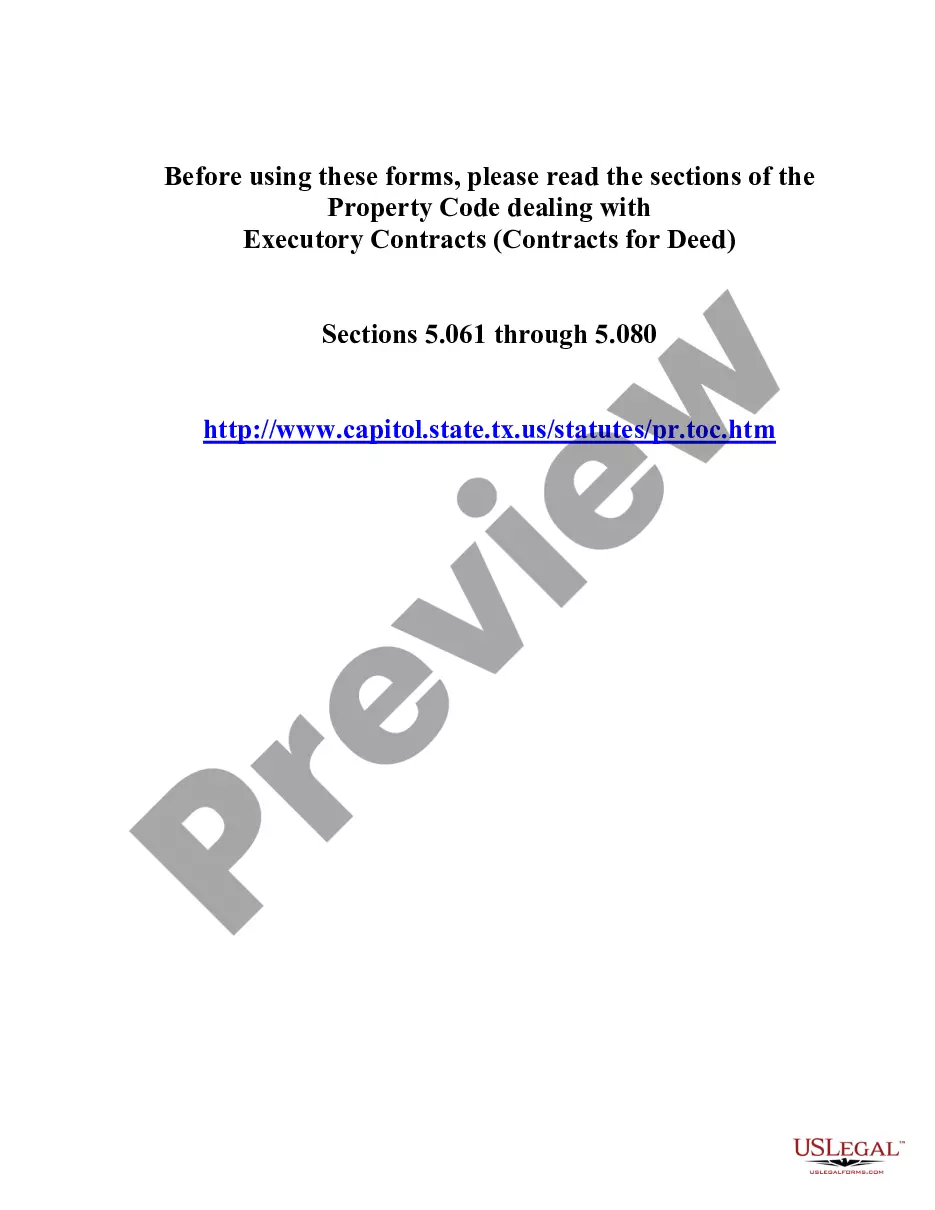
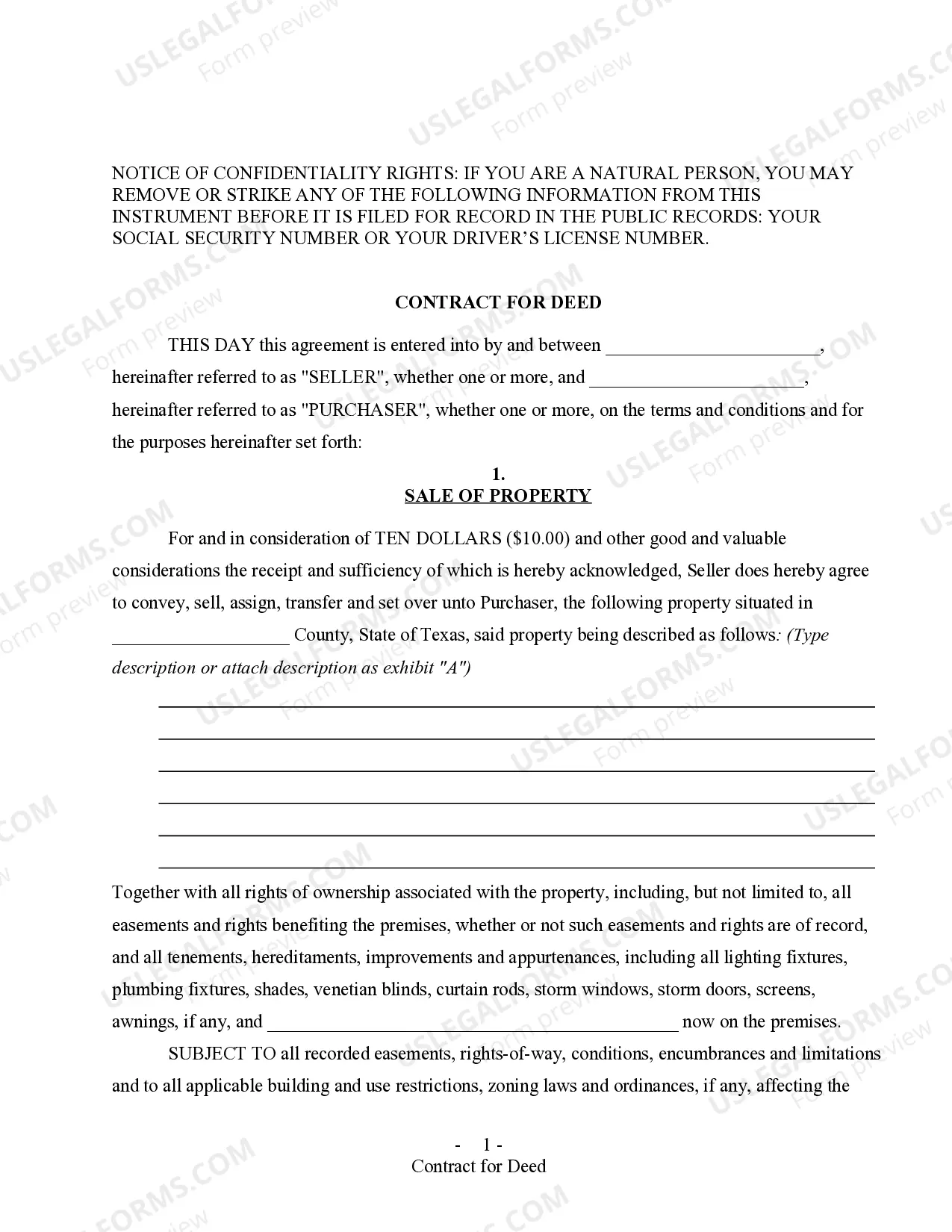
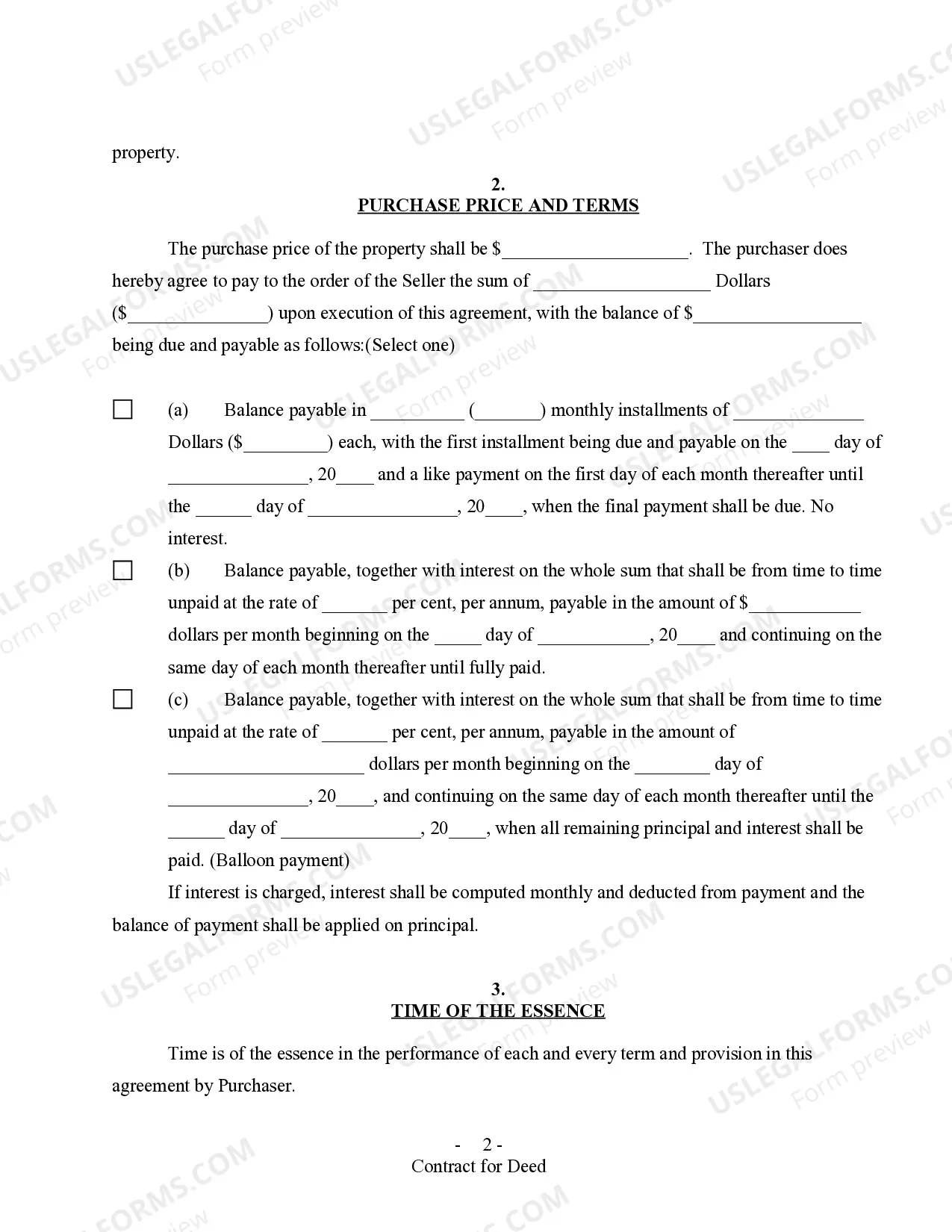
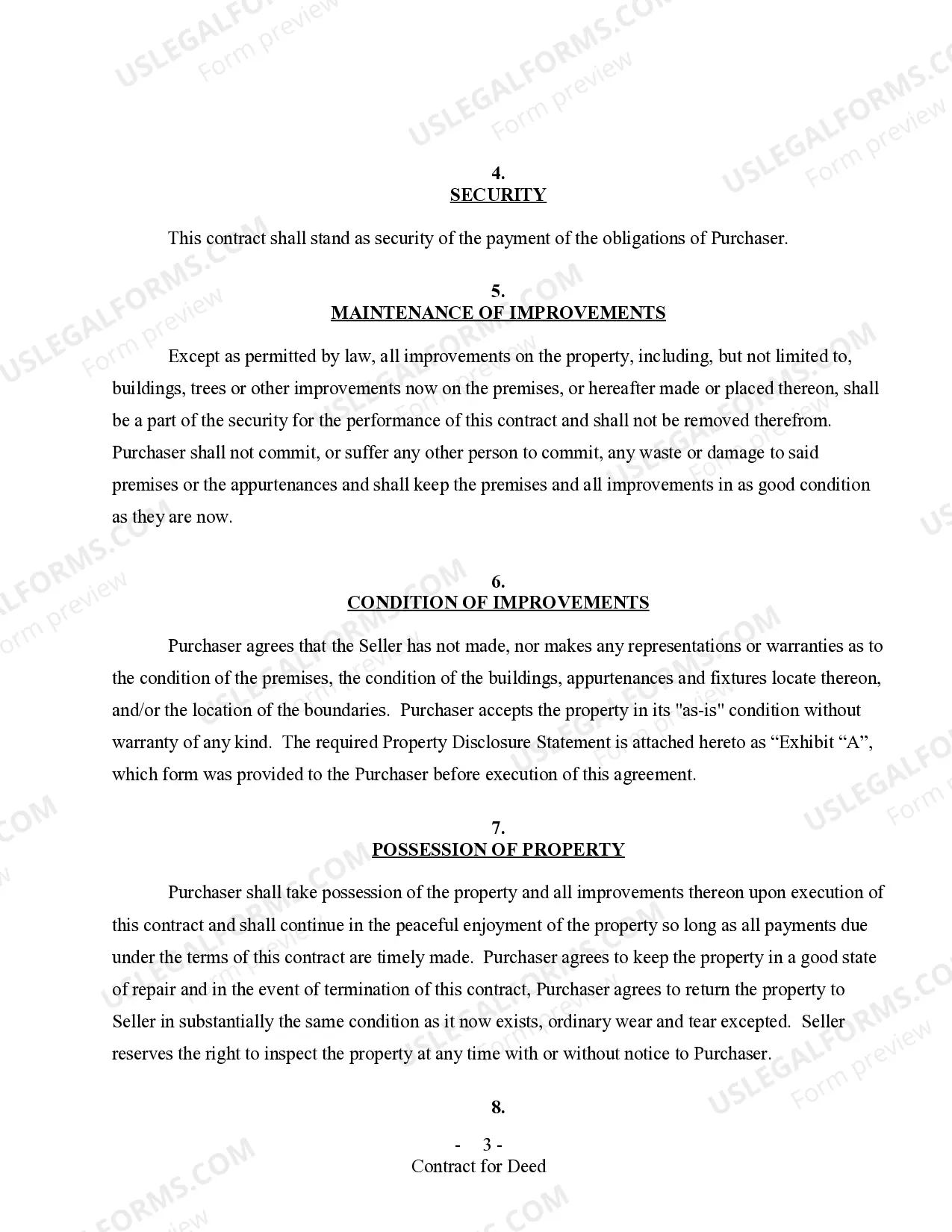
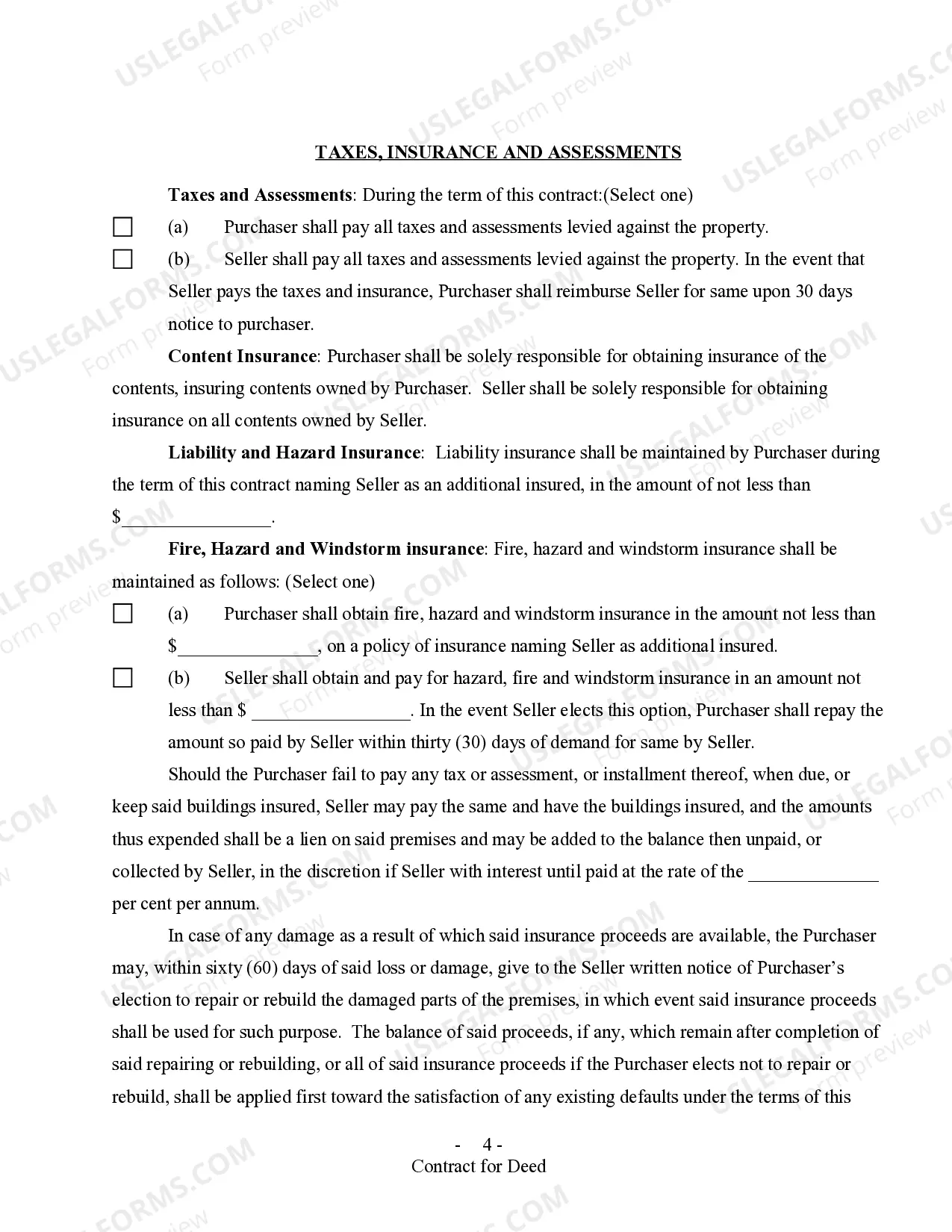
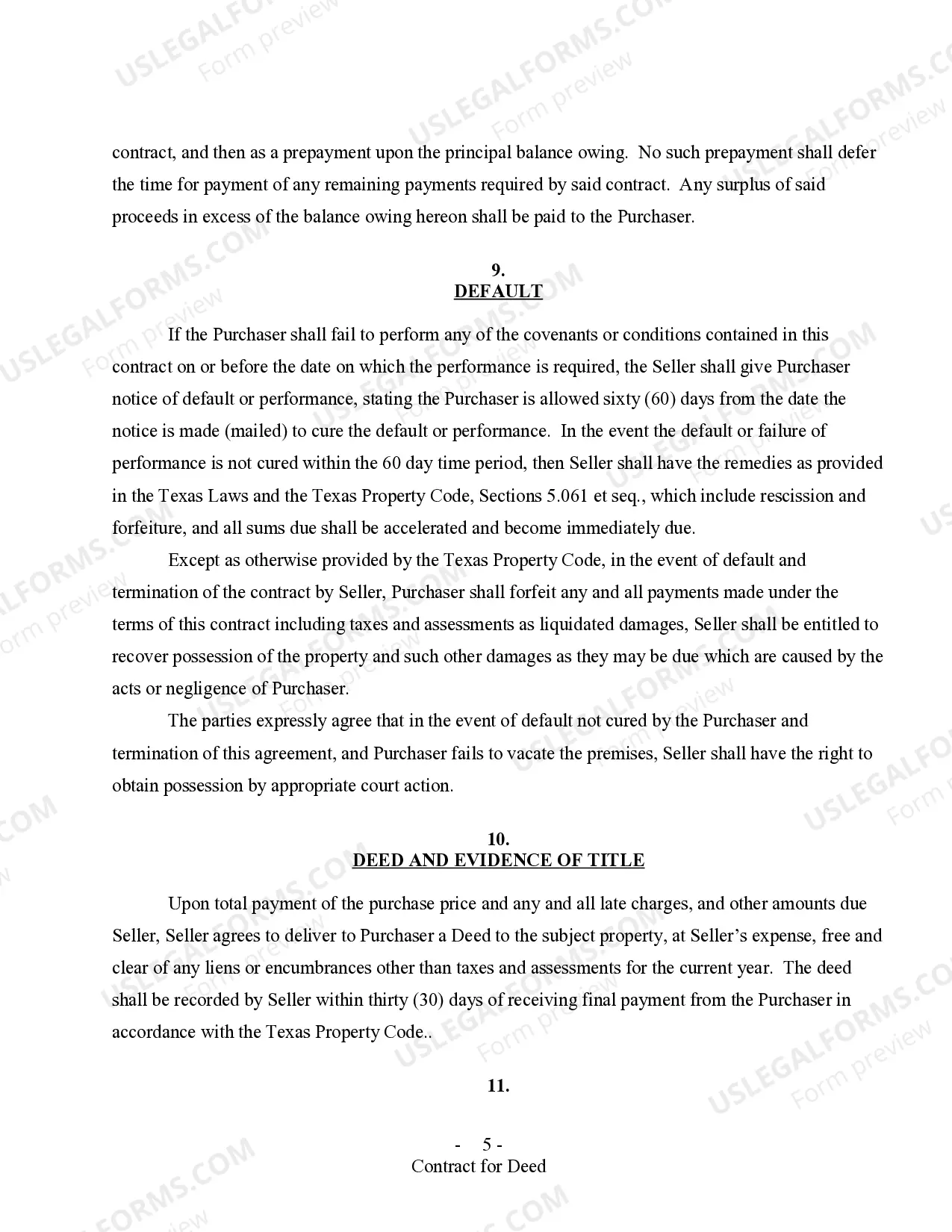
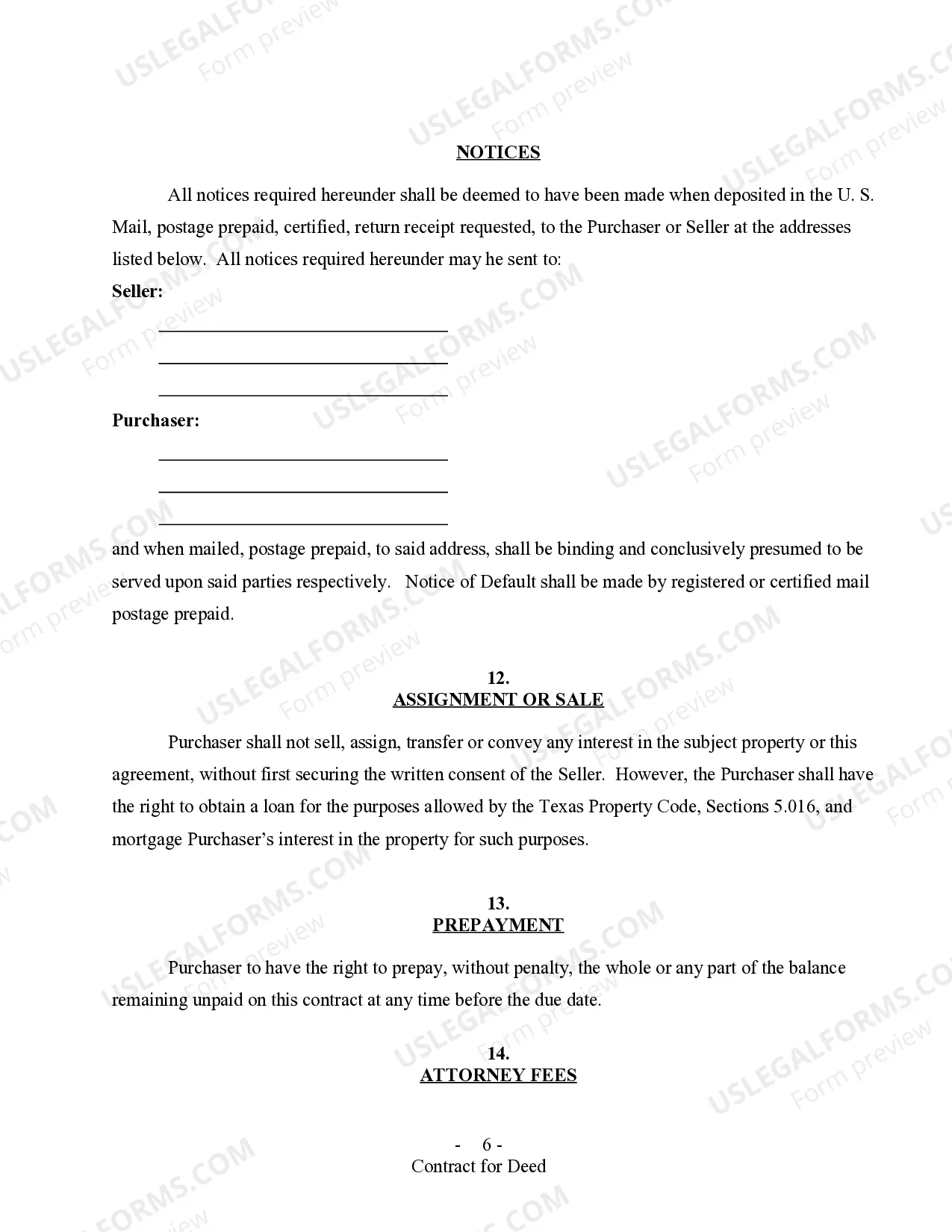
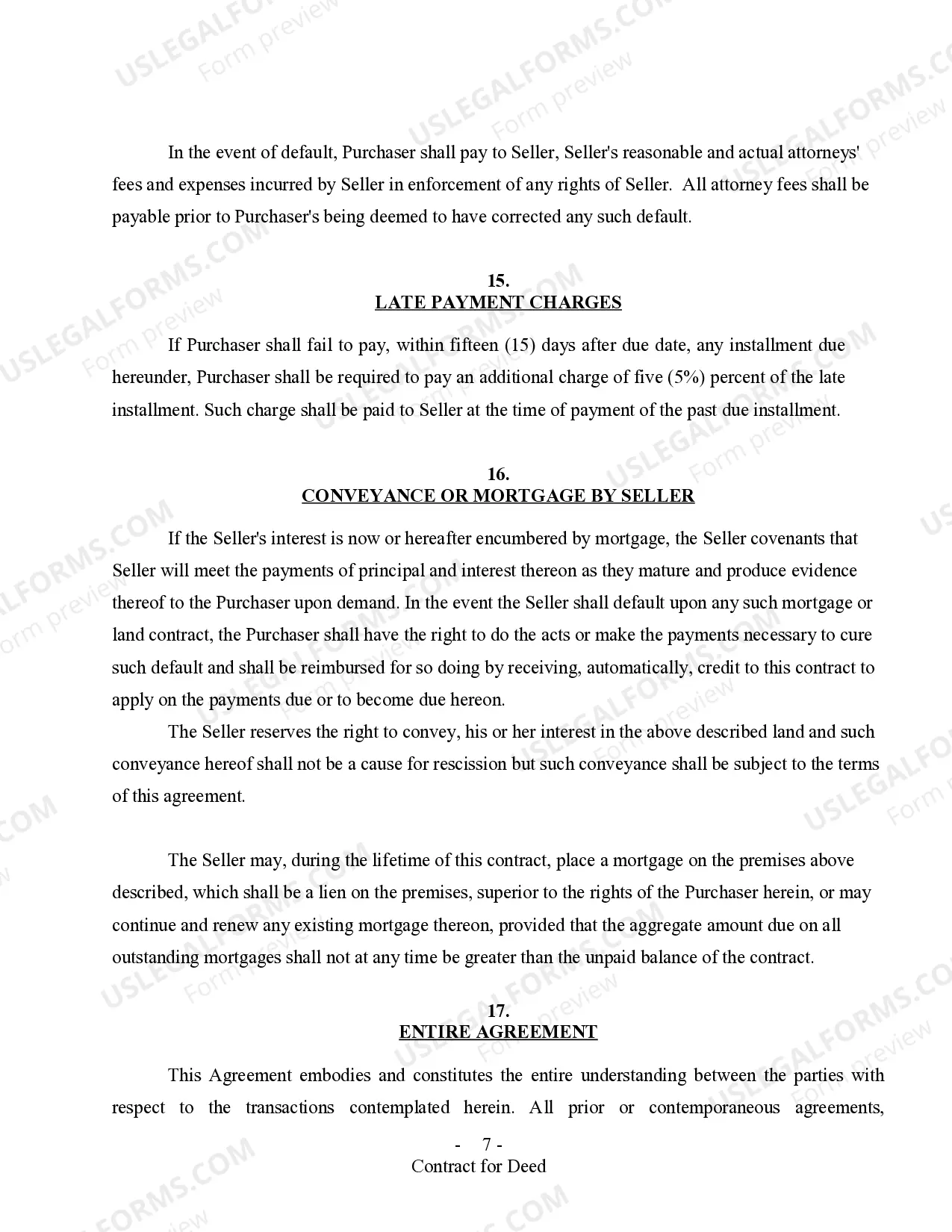
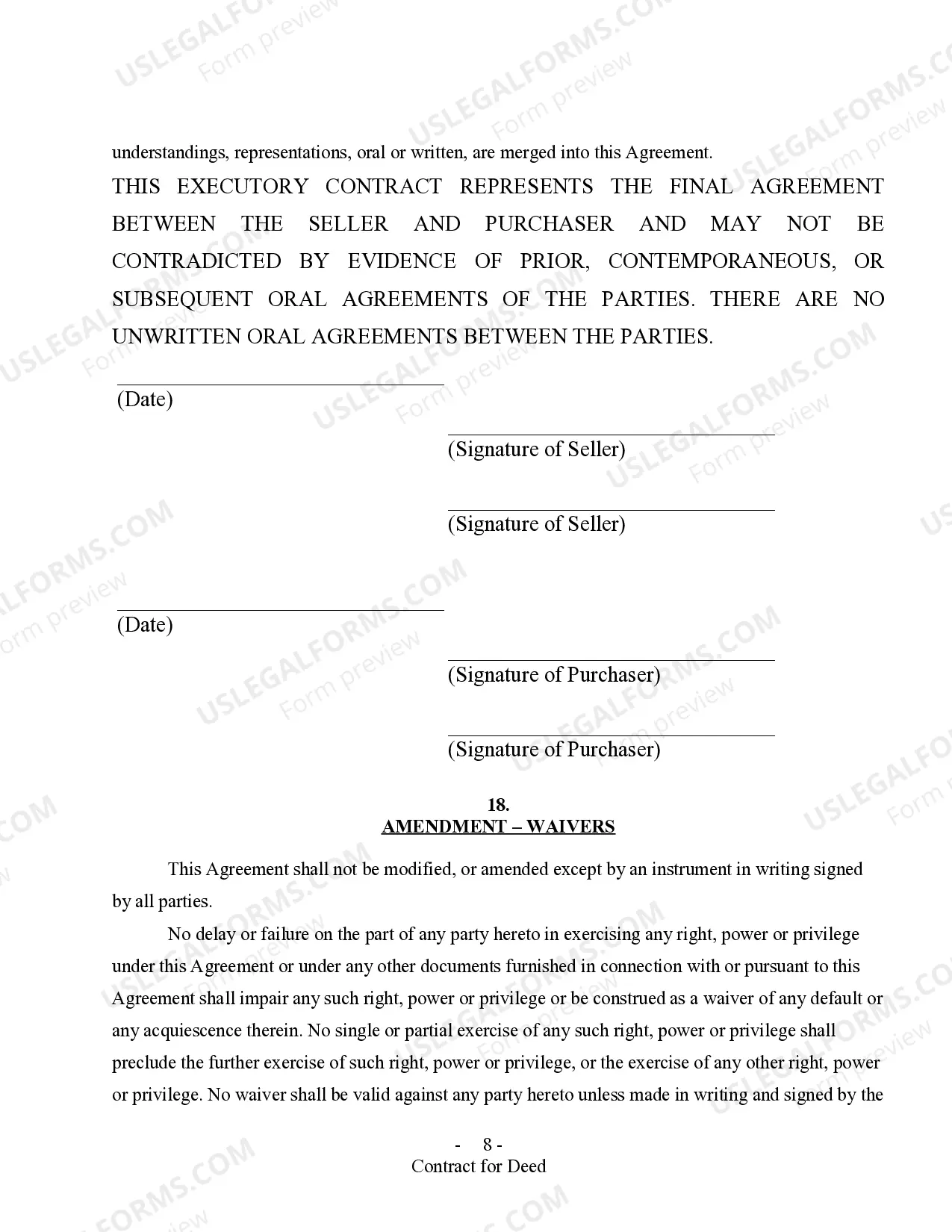
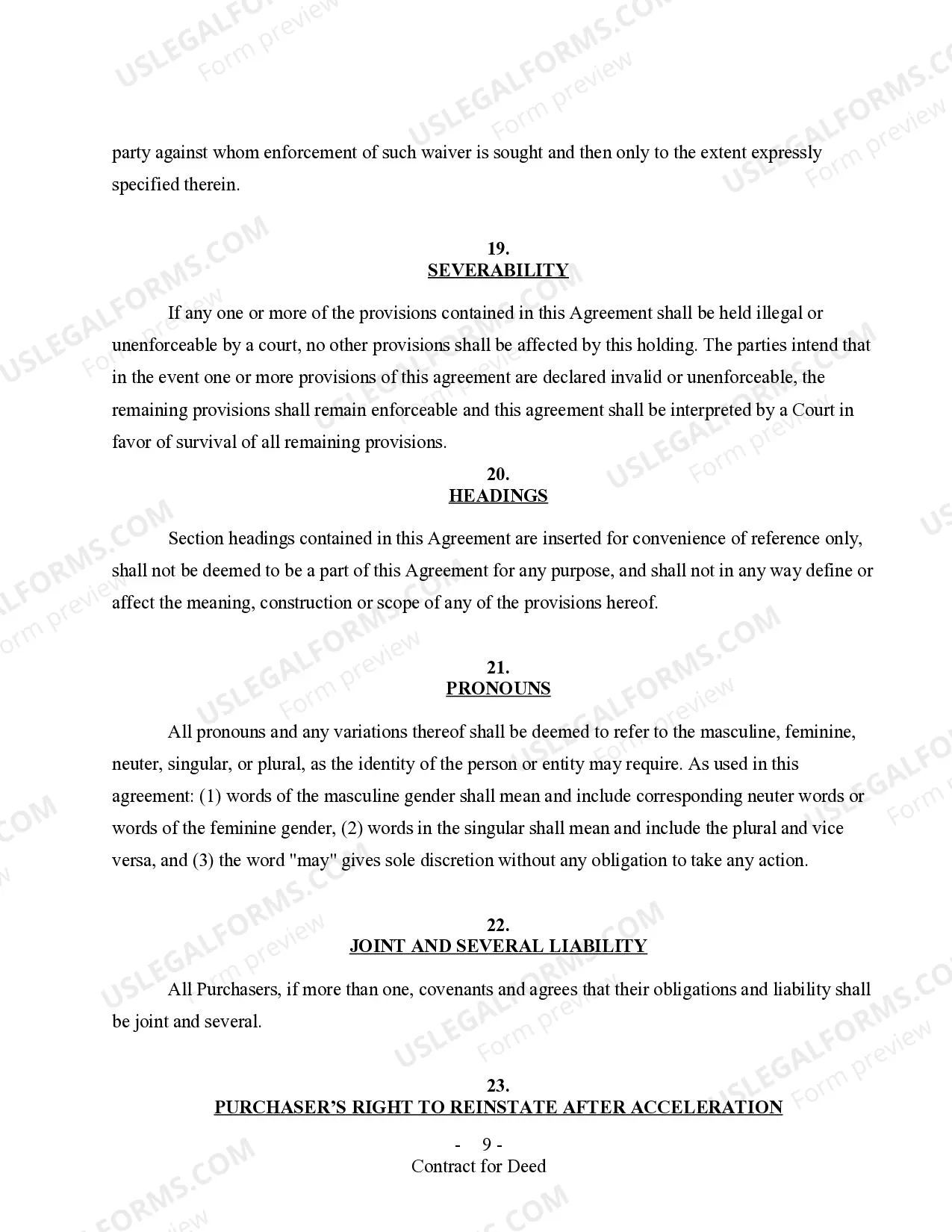

Get your form ready online
Our built-in tools help you complete, sign, share, and store your documents in one place.
Make edits, fill in missing information, and update formatting in US Legal Forms—just like you would in MS Word.
Download a copy, print it, send it by email, or mail it via USPS—whatever works best for your next step.
Sign and collect signatures with our SignNow integration. Send to multiple recipients, set reminders, and more. Go Premium to unlock E-Sign.
If this form requires notarization, complete it online through a secure video call—no need to meet a notary in person or wait for an appointment.
We protect your documents and personal data by following strict security and privacy standards.

Make edits, fill in missing information, and update formatting in US Legal Forms—just like you would in MS Word.

Download a copy, print it, send it by email, or mail it via USPS—whatever works best for your next step.

Sign and collect signatures with our SignNow integration. Send to multiple recipients, set reminders, and more. Go Premium to unlock E-Sign.

If this form requires notarization, complete it online through a secure video call—no need to meet a notary in person or wait for an appointment.

We protect your documents and personal data by following strict security and privacy standards.
Looking for another form?
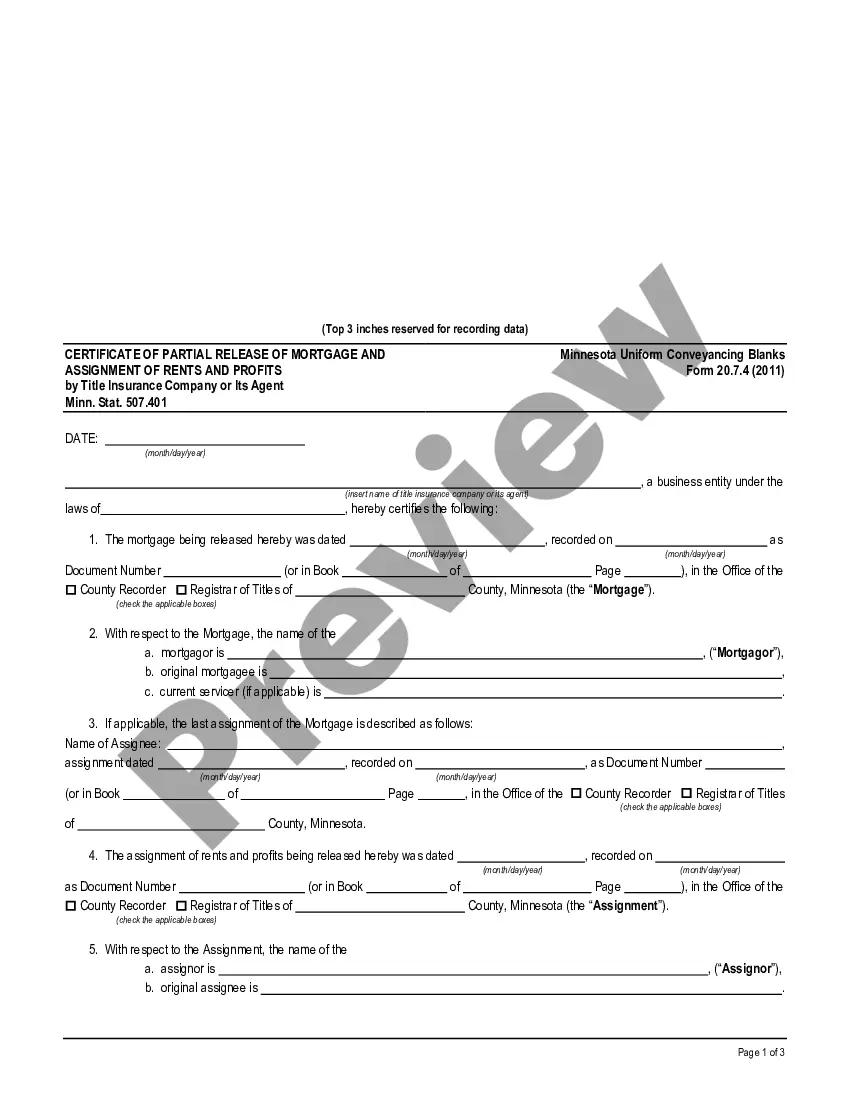
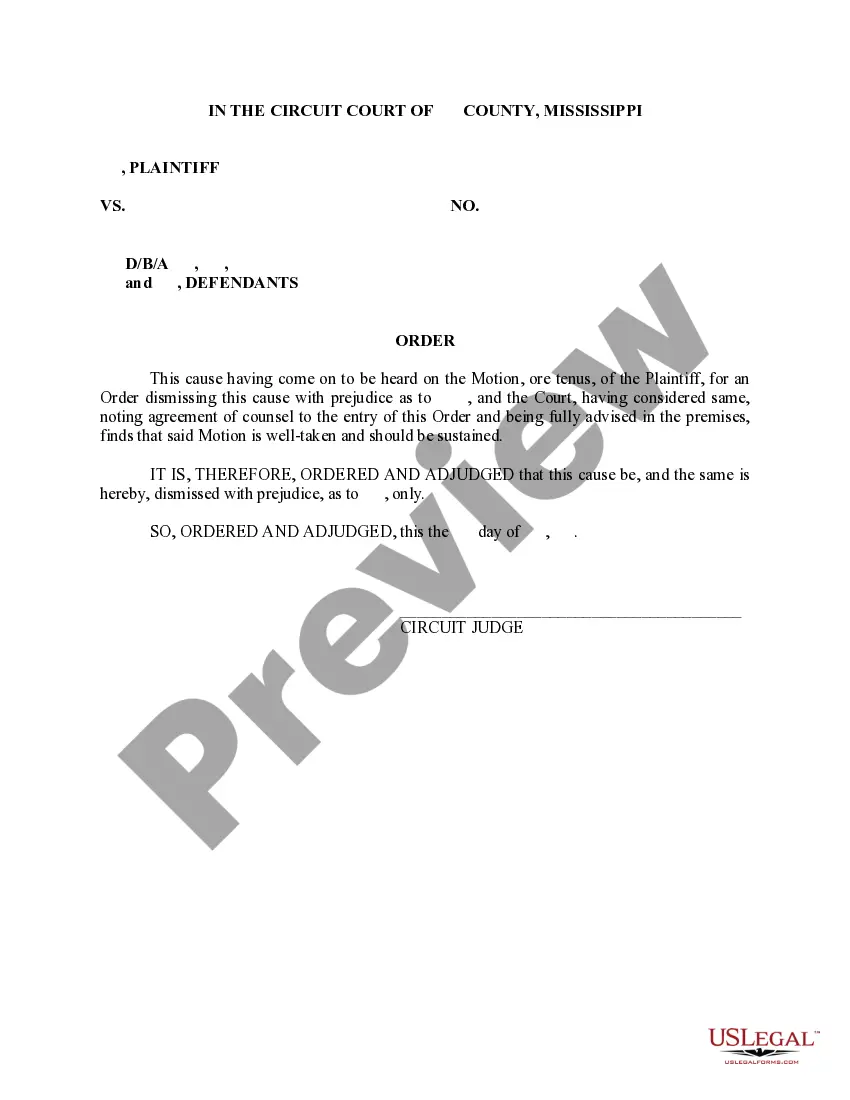
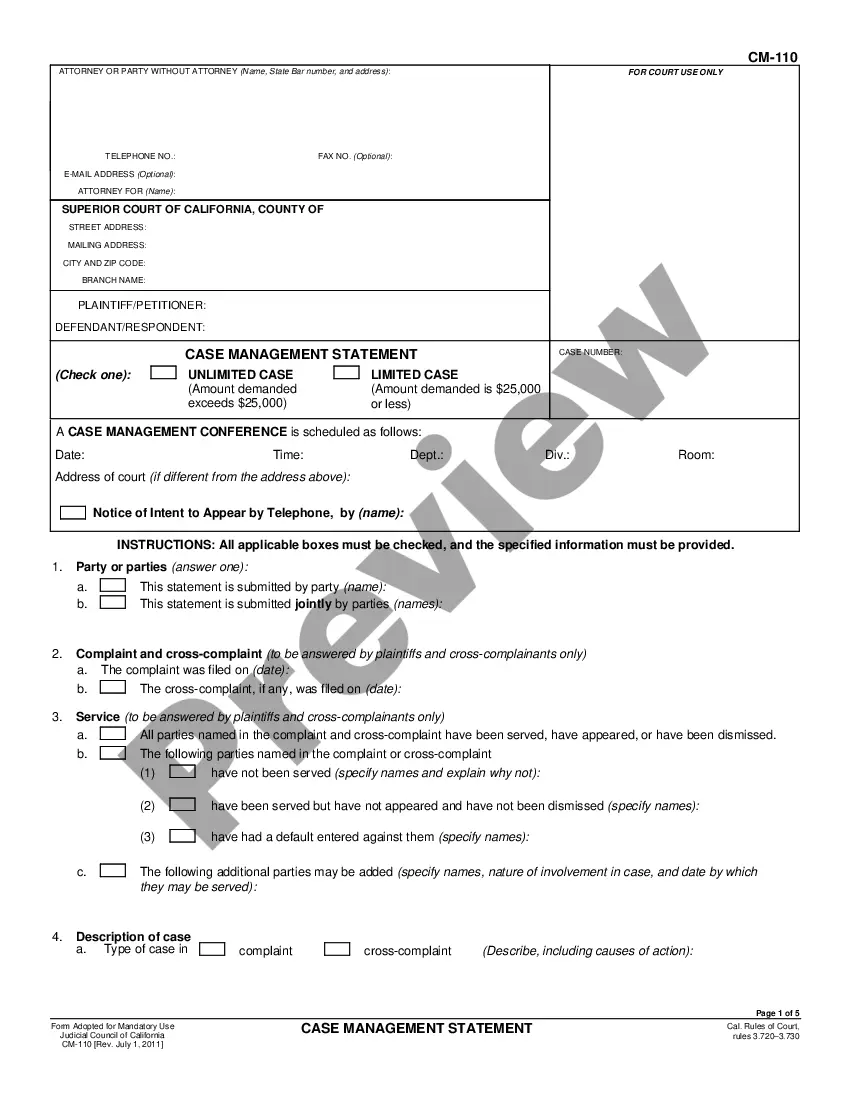
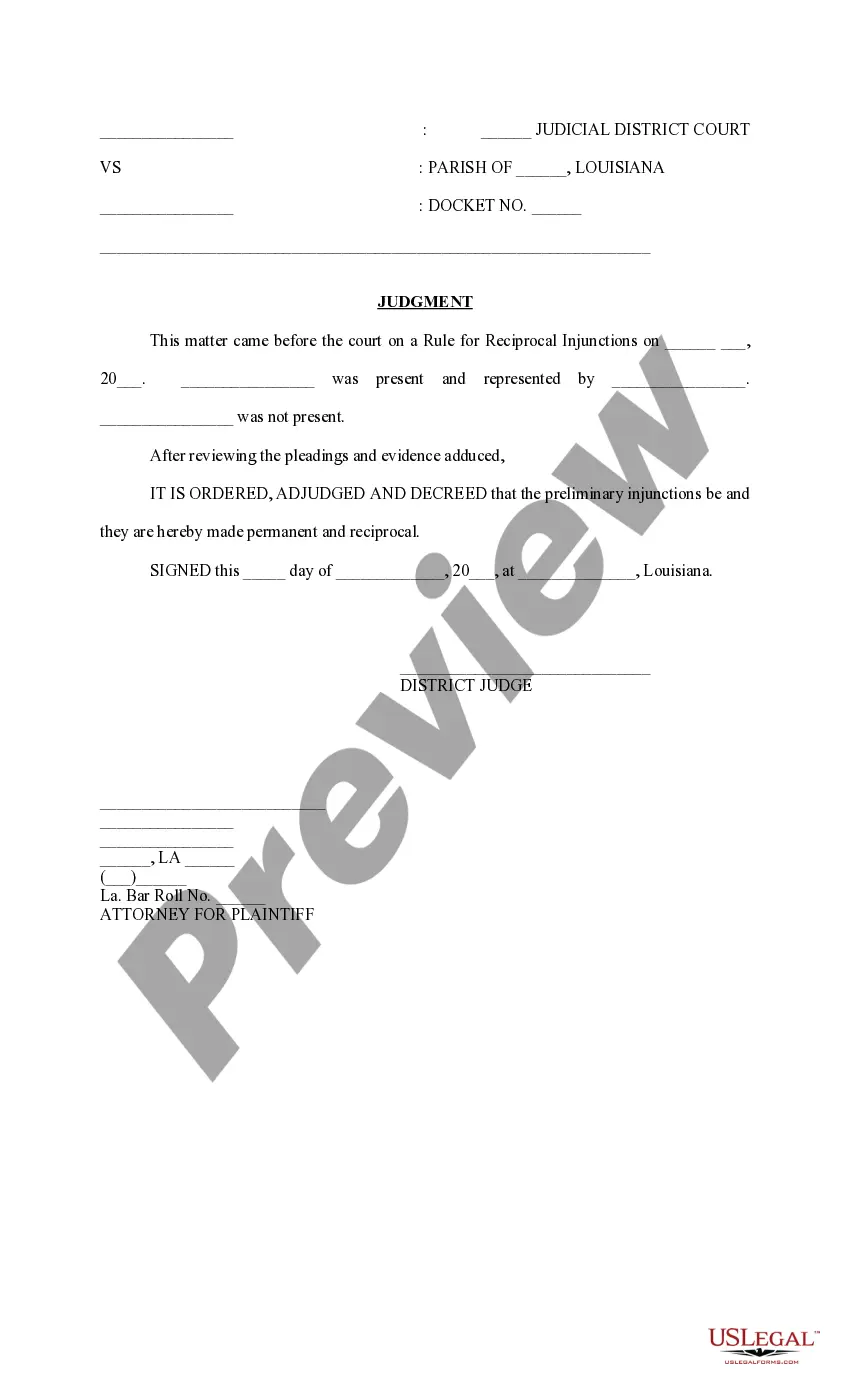
How to fill out All Texas Contract For Deed Forms For Residential Use - Land Contract, Agreement For Deed, Executory Contract?
It’s clear that you cannot transform into a legal expert instantly, nor can you determine how to swiftly create Executory Without Grant without possessing a specialized education.
Drafting legal documents is a labor-intensive endeavor that necessitates specific training and expertise. Therefore, why not entrust the formulation of the Executory Without Grant to the professionals.
With US Legal Forms, one of the largest collections of legal documents, you can obtain everything from court filings to templates for internal business correspondence. We recognize the significance of compliance and adherence to federal and state laws and regulations.
You can revisit your documents from the My documents section at any time. If you’re a current customer, simply Log In, and locate and download the template from the same section.
Regardless of the intention of your documents—be it financial, legal, or personal—our platform is here to assist you. Try US Legal Forms today!
- Locate the document you require by utilizing the search tool at the top of the webpage.
- View it (if this feature is offered) and examine the accompanying description to see if Executory Without Grant is what you’re looking for.
- Restart your search if you need a different document.
- Establish a free account and choose a subscription plan to buy the document.
- Click Buy now. Once the payment is finalized, you can acquire the Executory Without Grant, fill it out, print it, and deliver or send it to the specified individuals or entities.
Form popularity
FAQ
An executory process is a legal procedure used to enforce a judgment or execute a contract without requiring a new trial. This process allows a creditor to act on a court judgment to seize property or assets. If you're dealing with an executory process without grant, it is essential to understand your rights and responsibilities. USLegalForms offers comprehensive guides and forms to help you manage this process smoothly and confidently.
Yes, you can exchange contracts without a grant of probate, but it comes with certain risks. In situations where the deceased's estate is being settled, proceeding without this legal document may complicate the transaction. It's crucial to consult with an expert to understand the implications of entering an executory process without grant. Utilizing platforms like USLegalForms can provide you with necessary legal resources and templates to navigate this process more effectively.
Yes, you can act as an executor without a grant of probate, but your authority will be limited. While you may begin some preliminary tasks, such as gathering assets, you cannot fully administer the estate or distribute assets until you obtain the grant. This limitation can complicate the executory without grant process, which is why it's advisable to pursue probate promptly. Utilizing resources from US Legal Forms can simplify this step and guide you through the necessary paperwork.
Choosing the right executor is essential for smooth estate administration. The ideal executor should be trustworthy, organized, and capable of handling financial matters. Many people select a close family member or a friend who understands their wishes, but professionals, such as attorneys or financial advisors, can also serve effectively. Consider using US Legal Forms to create a will that clearly outlines your choice for executory without grant.
Proof of executorship refers to the legal documentation that establishes an executor's authority to manage a deceased person's estate. This proof typically comes in the form of a grant of probate, which legitimizes the executor's role. Without this grant, the executor may face challenges in accessing assets and settling debts. Understanding the executory without grant process is crucial for anyone considering their responsibilities in estate management.
If there is no grant of probate, the estate cannot be officially administered, which may complicate the process of asset distribution. Heirs might face challenges in claiming their inheritance, and the deceased’s wishes could go unfulfilled. Understanding the concept of executory without grant is vital here, as it influences how obligations are settled. US Legal Forms offers tools to help navigate these issues efficiently.
Yes, an estate can be settled without probate in Alabama under certain conditions, such as having a small estate or specific types of assets. This process can simplify the distribution of an estate, making it faster and less costly. However, understanding the implications of executory without grant is important in these scenarios. Utilizing resources like US Legal Forms can provide clarity and necessary documentation.
If there is no probate, the deceased's assets may not be distributed according to their wishes or state laws. This can lead to confusion among heirs and delays in asset distribution. It’s crucial to understand how executory without grant impacts estate management in such cases. Platforms like US Legal Forms can provide essential guidance on navigating these complex situations.
For a contract to be executory, it must contain mutual promises and a future performance requirement. This means that both parties promise to fulfill their obligations at a later date, creating a binding agreement. If a situation arises where you need to navigate executory without grant, knowing these elements can significantly aid in contract enforcement and compliance.
Executory consideration refers to a promise made in a contract that remains unfulfilled. For instance, if one party agrees to deliver goods in exchange for payment at a later date, the promise to deliver is executory. In this case, both parties are bound to perform their obligations, illustrating the concept of executory without grant. Understanding this can help clarify your rights and responsibilities in any agreement.