Executory Document With Key
Description

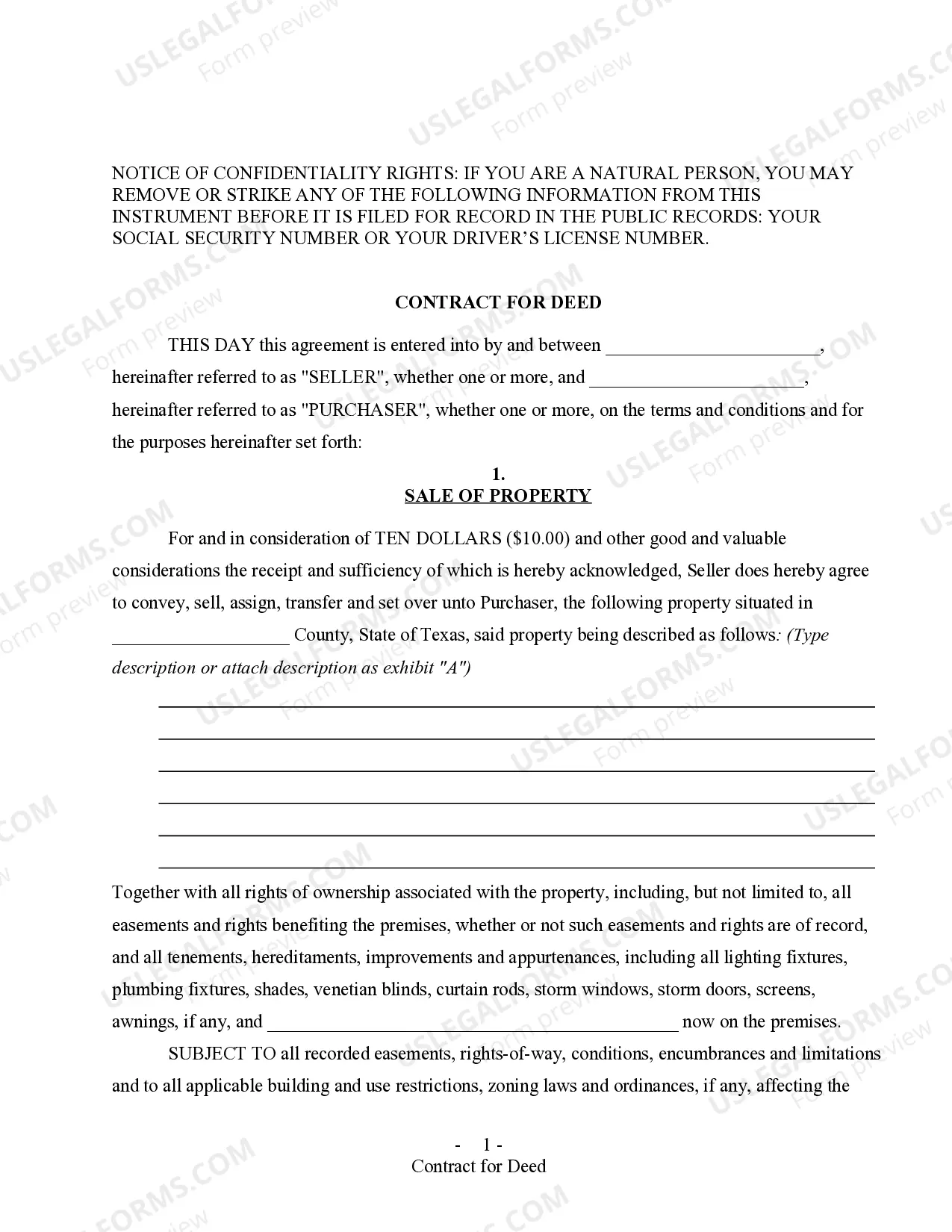
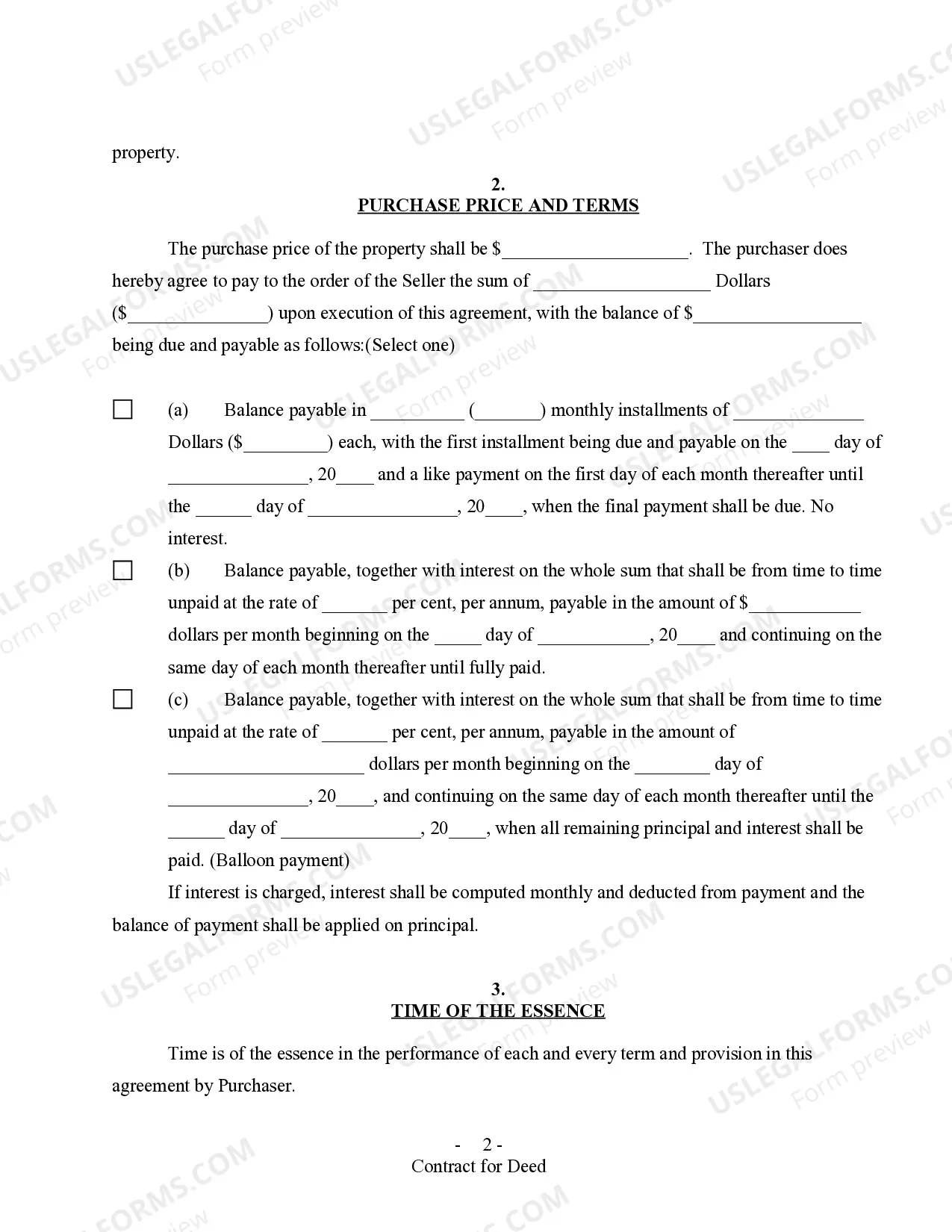
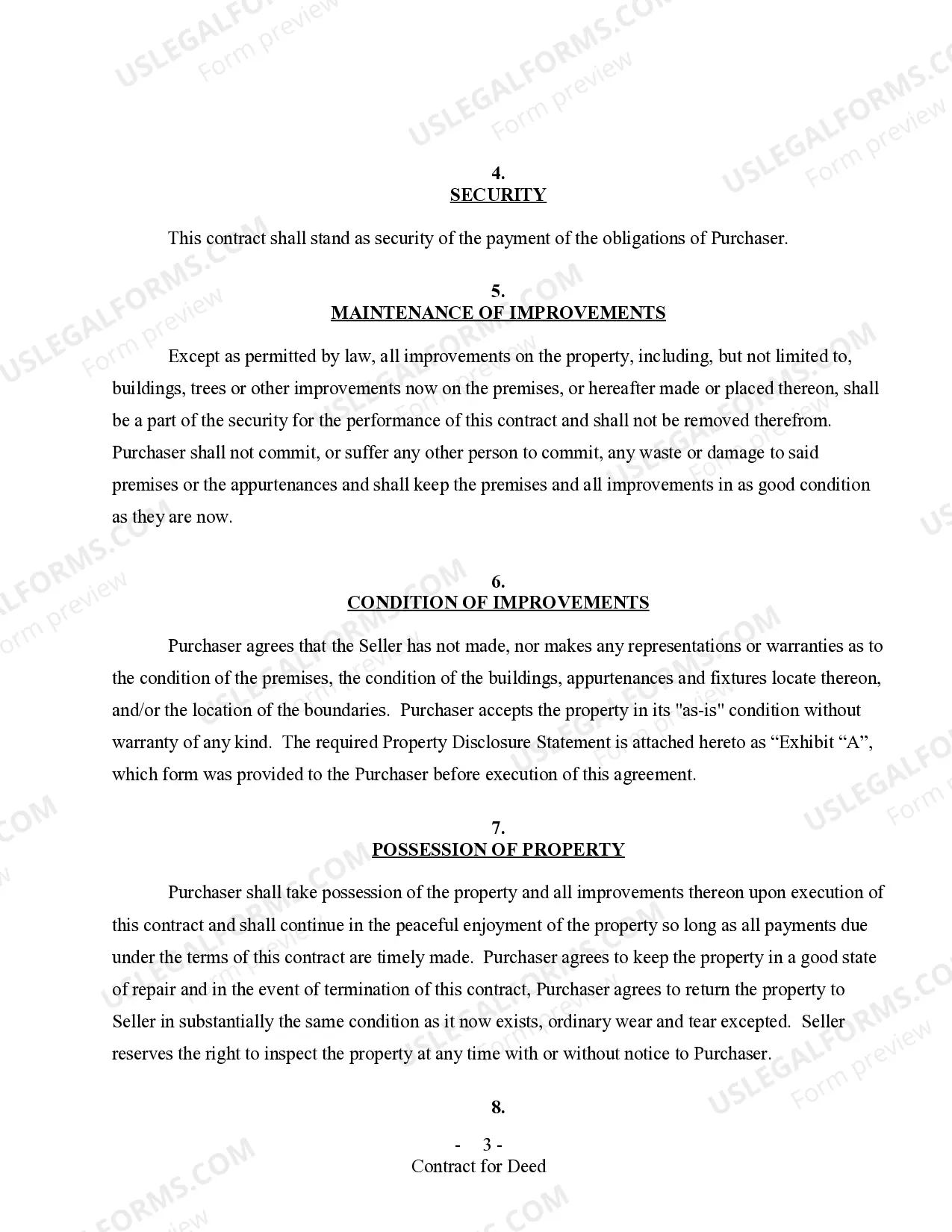
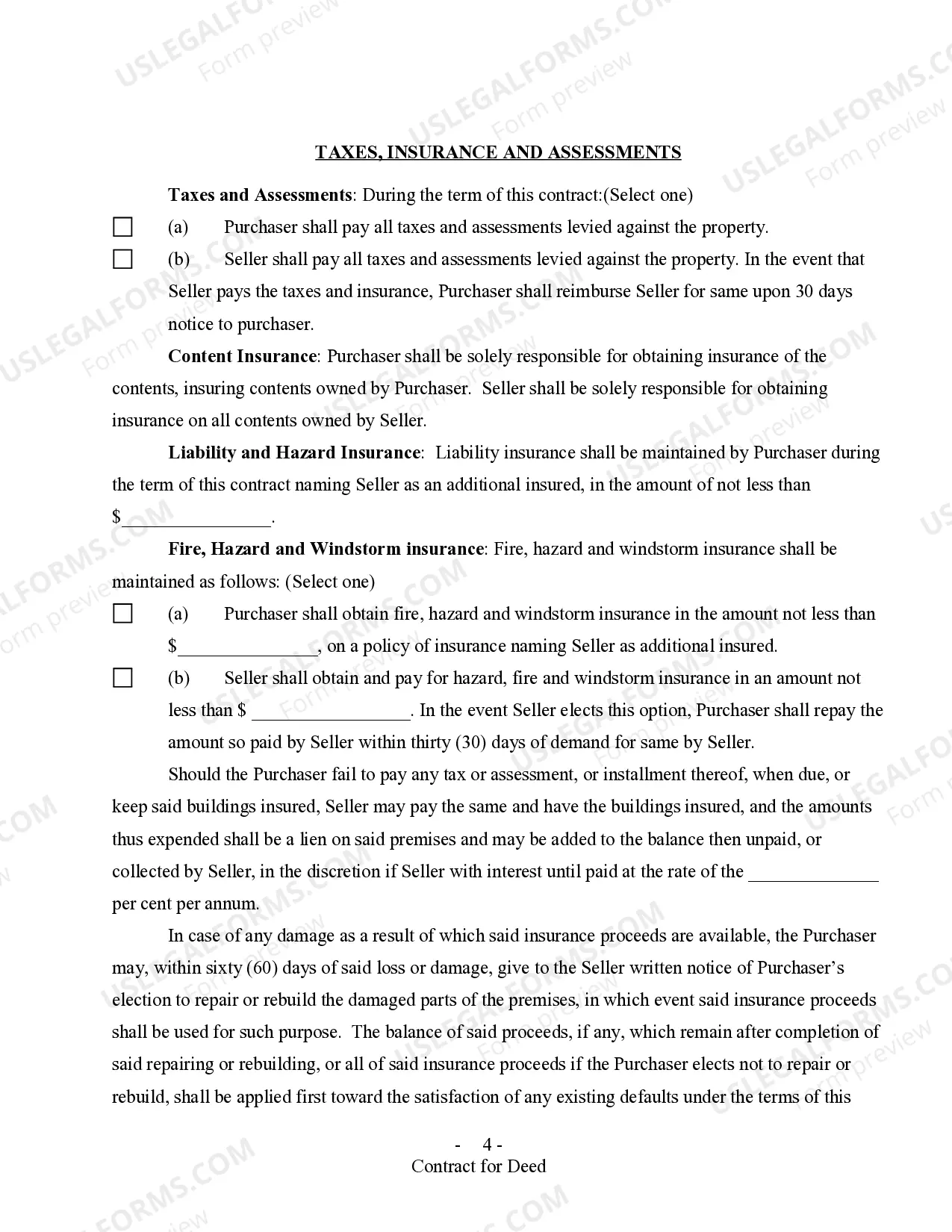
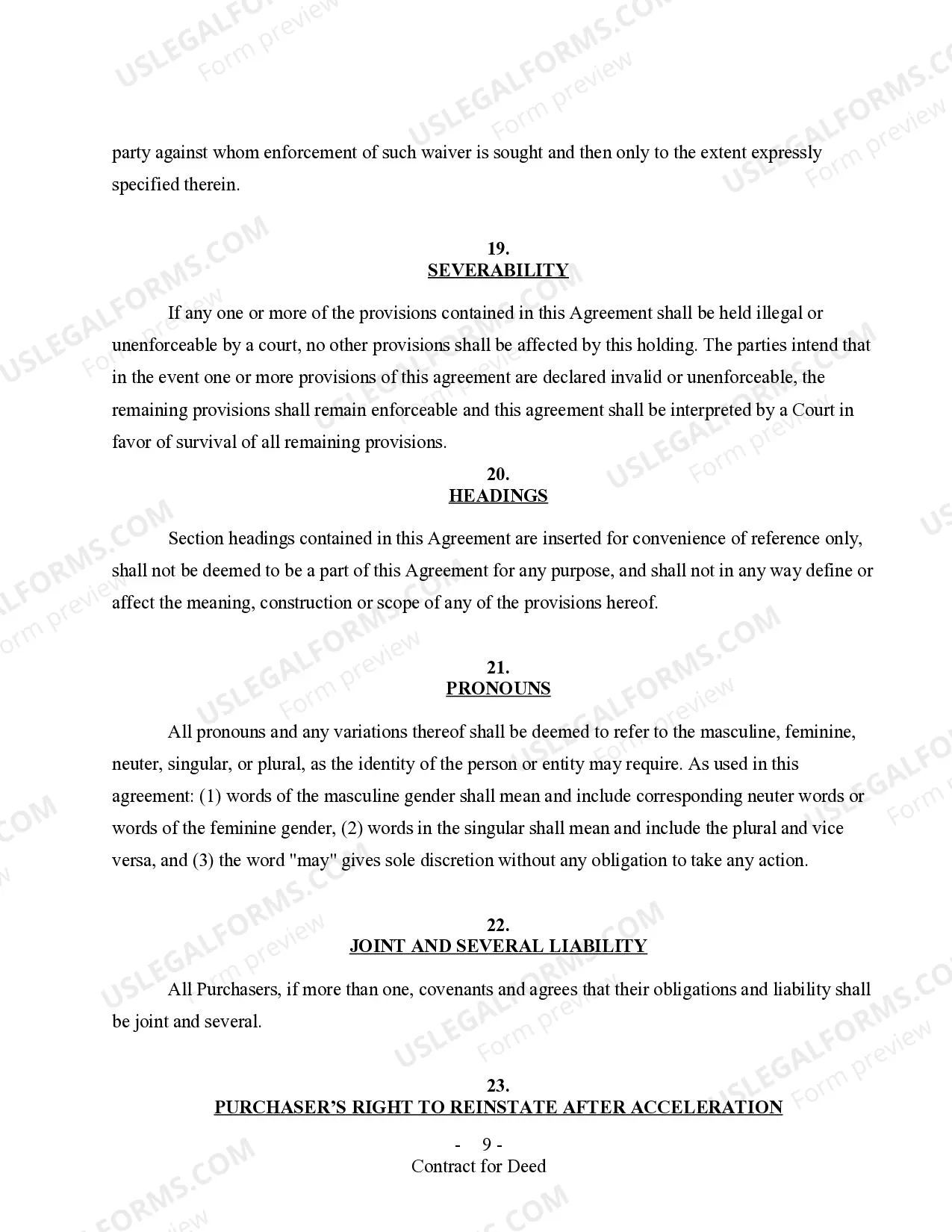

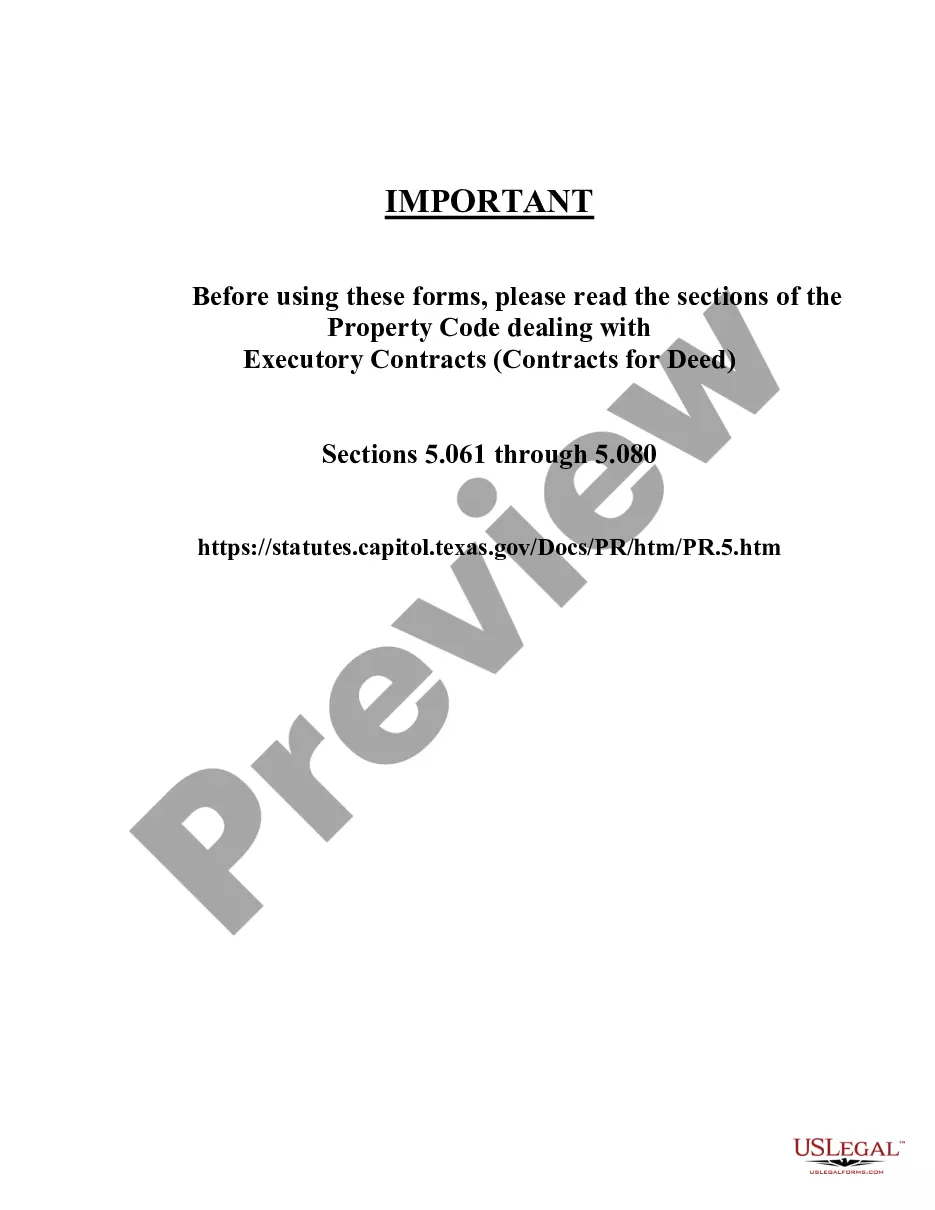

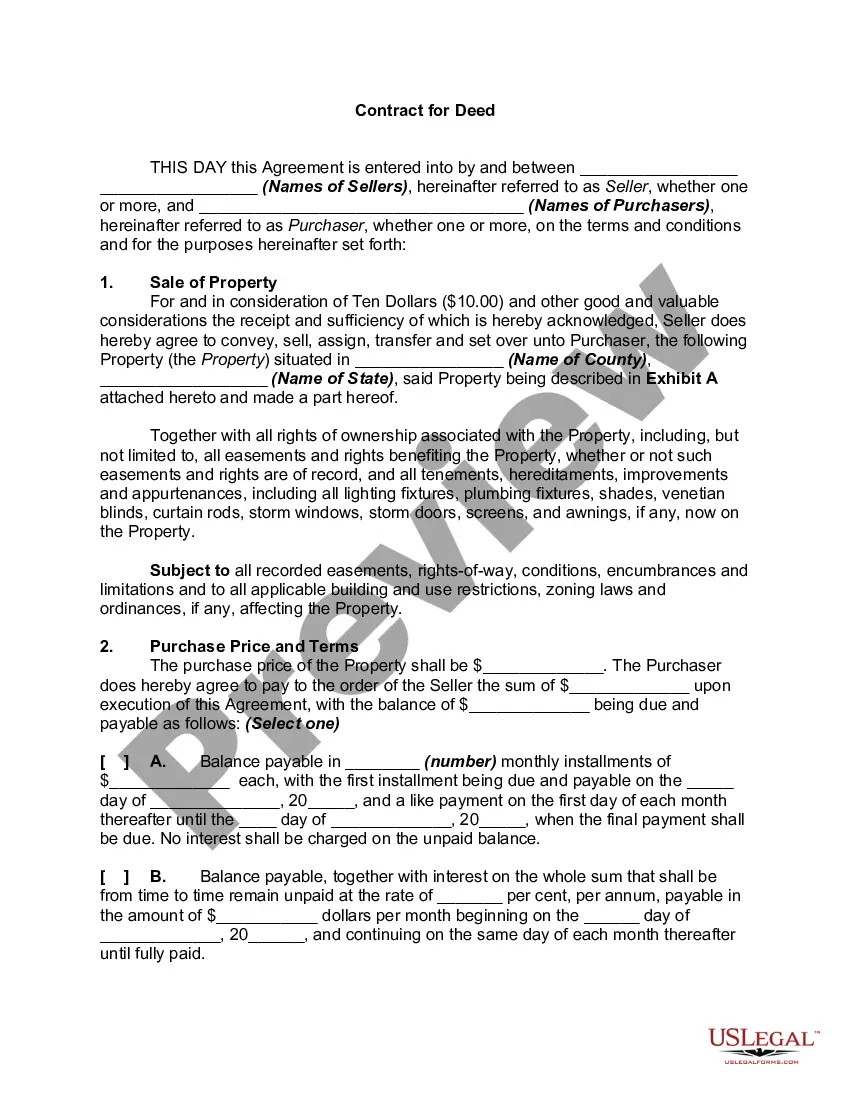
Get your form ready online
Our built-in tools help you complete, sign, share, and store your documents in one place.
Make edits, fill in missing information, and update formatting in US Legal Forms—just like you would in MS Word.
Download a copy, print it, send it by email, or mail it via USPS—whatever works best for your next step.
Sign and collect signatures with our SignNow integration. Send to multiple recipients, set reminders, and more. Go Premium to unlock E-Sign.
If this form requires notarization, complete it online through a secure video call—no need to meet a notary in person or wait for an appointment.
We protect your documents and personal data by following strict security and privacy standards.

Make edits, fill in missing information, and update formatting in US Legal Forms—just like you would in MS Word.

Download a copy, print it, send it by email, or mail it via USPS—whatever works best for your next step.

Sign and collect signatures with our SignNow integration. Send to multiple recipients, set reminders, and more. Go Premium to unlock E-Sign.

If this form requires notarization, complete it online through a secure video call—no need to meet a notary in person or wait for an appointment.

We protect your documents and personal data by following strict security and privacy standards.
Looking for another form?


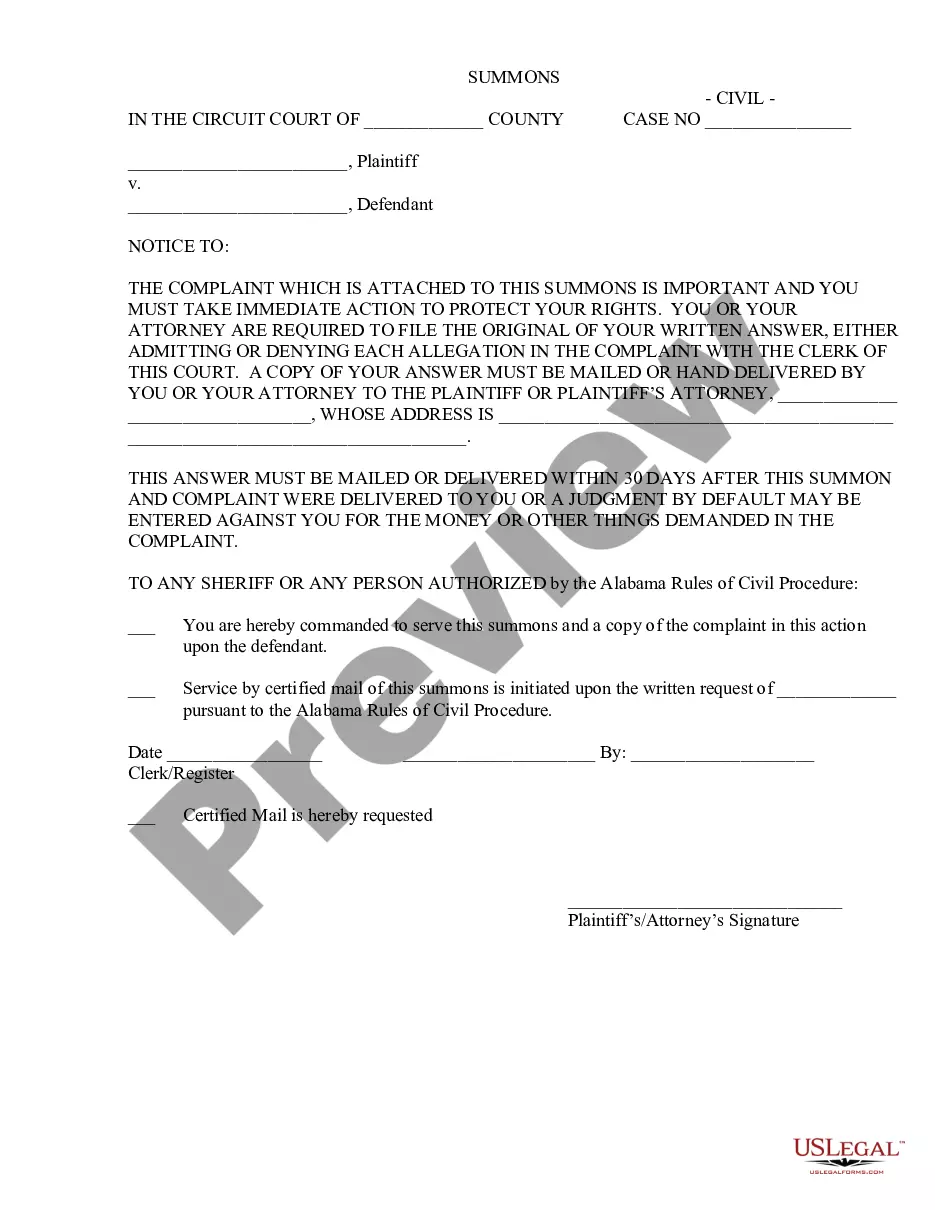

How to fill out All Texas Contract For Deed Forms For Residential Use - Land Contract, Agreement For Deed, Executory Contract?
- If you're a returning user, begin by logging in to your account. Verify that your subscription is active; if it has expired, renew it as per your payment plan.
- For new users, start by utilizing the Preview mode and reviewing the form description. This will help ensure the template aligns with your local jurisdiction requirements.
- If you discover a mismatch or need a different document, utilize the Search tab at the top to explore other templates until you find one that suits your needs.
- Once you've found the correct form, proceed by clicking the Buy Now button and selecting your preferred subscription plan, which requires account registration for library access.
- Complete your purchase by entering your payment details, either through a credit card or PayPal, to secure your subscription.
- Finally, download the form directly to your device and access it anytime via the My Forms section of your profile.
With US Legal Forms, you benefit from a wide array of meticulously crafted legal documents tailored to meet diverse needs. Their accessible platform, backed by premium expert assistance, guarantees that you create legally sound documents effortlessly.
Don’t waste time searching through complicated legalities—try US Legal Forms today and streamline your legal document needs!
Form popularity
FAQ
As an executor, your first steps involve gathering important documents, including the will and death certificate. Next, you should secure the estate’s assets and review the executory documents with key stipulations. You’ll also need to file the will with the probate court to initiate the administration process. To assist you with this challenging task, USLegalForms offers a variety of resources and guidance tailored for executors.
To be an executor, you generally need a copy of the will and a court-issued document confirming your executorship, known as letters testamentary. This reflects the executory document with key elements that authorize you for this role. Additionally, you may need to provide your identification and any other documents required by the court. Consider using USLegalForms to prepare these essential documents easily.
Proof of executorship typically comes from the court that grants you the authority to act as the executor. This document is often part of the executory document with key details that outline your responsibilities. You can usually request this proof through the probate court where the will is filed. If you are using our platform, USLegalForms, you can find resources and templates to help you navigate the process.
You do not necessarily need a lawyer to become an executor of an estate. However, having legal guidance can simplify the process and help you understand executory documents with key elements. If you're unsure about your responsibilities or if the estate is complex, consulting with a lawyer can save you time and potential issues. Ultimately, the decision is yours, but remember that proper advice can make a significant difference.
A classic example of an executory document with key is a lease agreement, where one party agrees to rent property while the other agrees to make payment over time. Both parties still have obligations that need to be met under the contract. Such agreements highlight the importance of understanding future commitments and the responsibilities that come with them. Finding a reliable template on platforms like US Legal Forms can assist in creating compliant agreements.
The term executory refers to a contract or agreement that remains active, requiring future actions from the parties involved. An executory document with key holds specific obligations that have not yet been fulfilled. Understanding this meaning will help you navigate legal agreements with clarity. Consider consulting resources to better grasp this concept in relation to contractual duties.
When preparing for your executor, provide key details such as account information, property deeds, and any outstanding debts. Share a comprehensive list of your assets and liabilities, as an executory document with key may outline specific instructions for managing these items. Maintaining open communication can help your executor fulfill their role more effectively.
As an executor, it's essential to avoid conflicts of interest and mismanaging assets. Do not make decisions without consulting legal guidance when necessary, especially concerning the executory document with key. Avoid procrastination, as timely action is often required. Being aware of these pitfalls will help ensure a smoother estate administration process.
In legal terms, an executory document with key describes a contract that has not yet been completed. It binds the parties to perform certain obligations in the future. The definition highlights the importance of commitment to upcoming actions and responsibilities. Knowing this can help you avoid misunderstandings in legal agreements.
The terms executed and executory refer to the state of a contract. An executed contract is one where all parties have fulfilled their obligations, while an executory document with key remains active and requires future actions from one or more parties. Understanding this difference is crucial as it affects enforceability and compliance. You can find helpful resources on platforms like US Legal Forms to navigate these concepts.