Executory Document With Dummies
Description
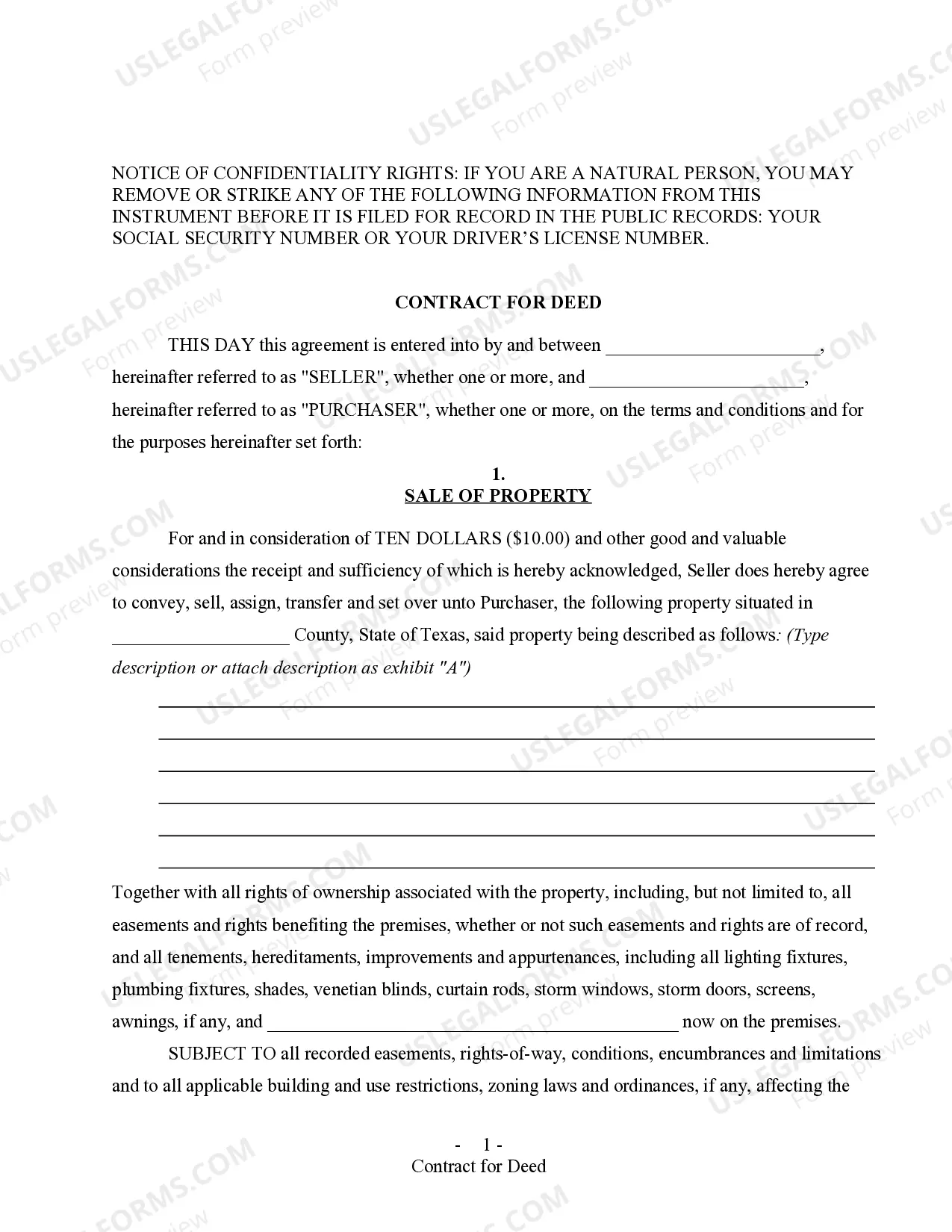
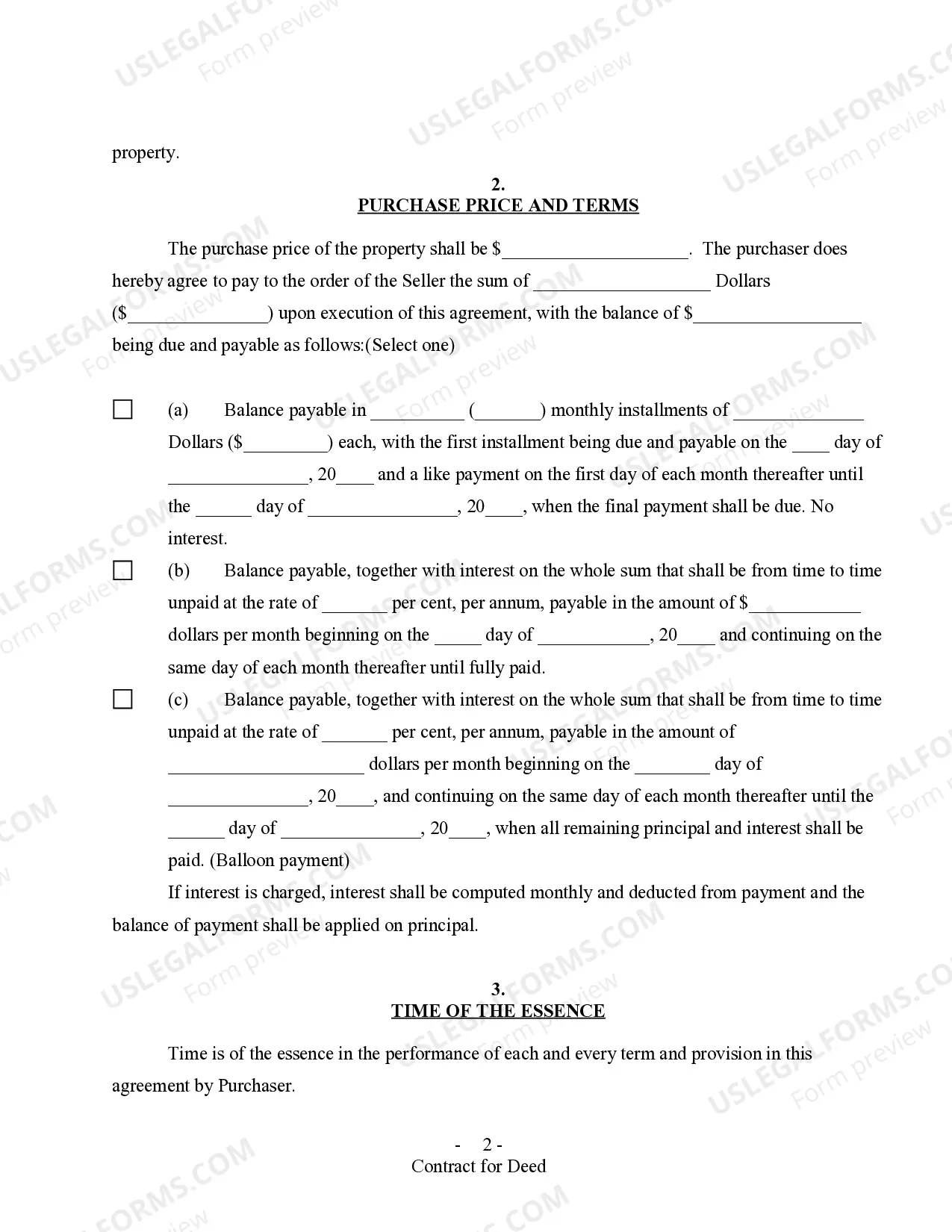
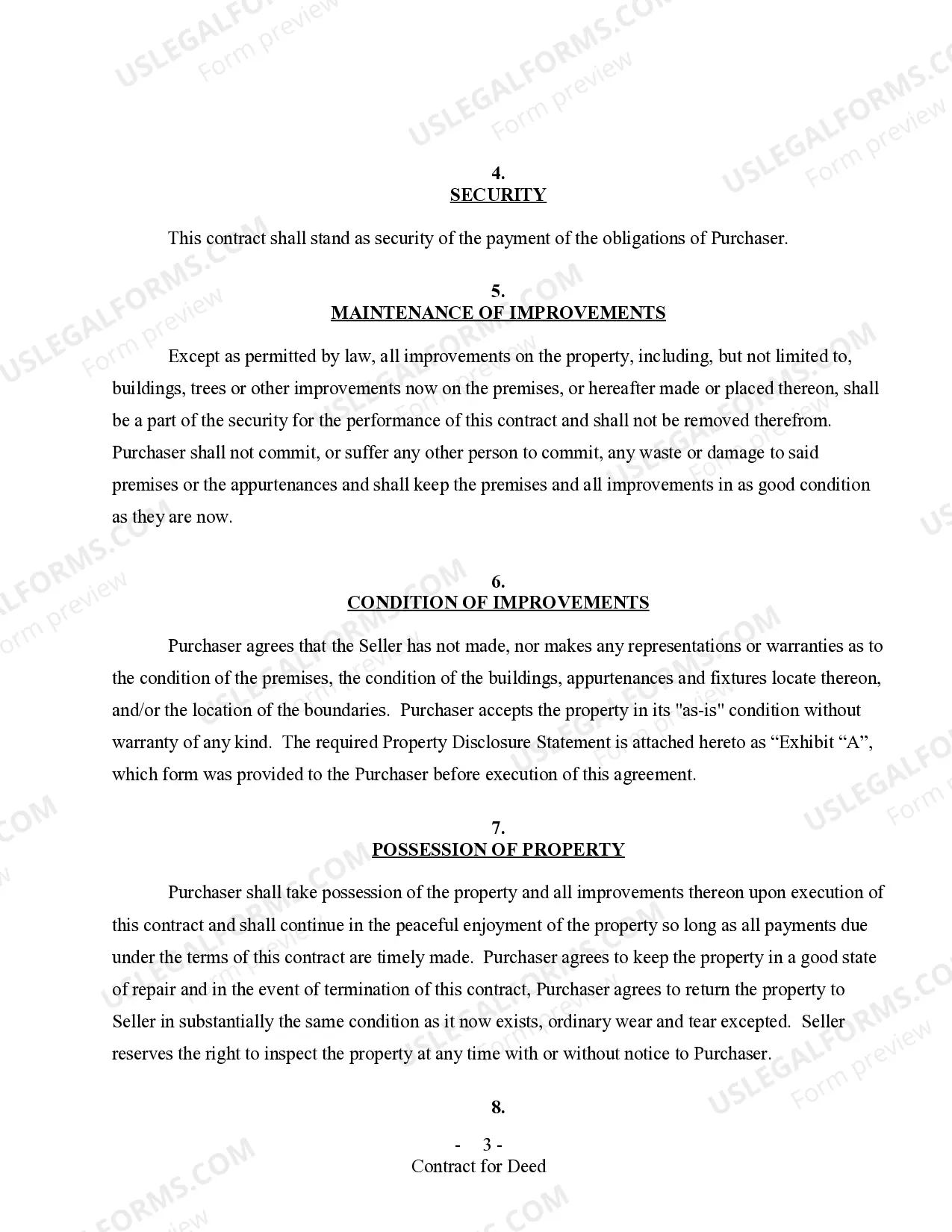
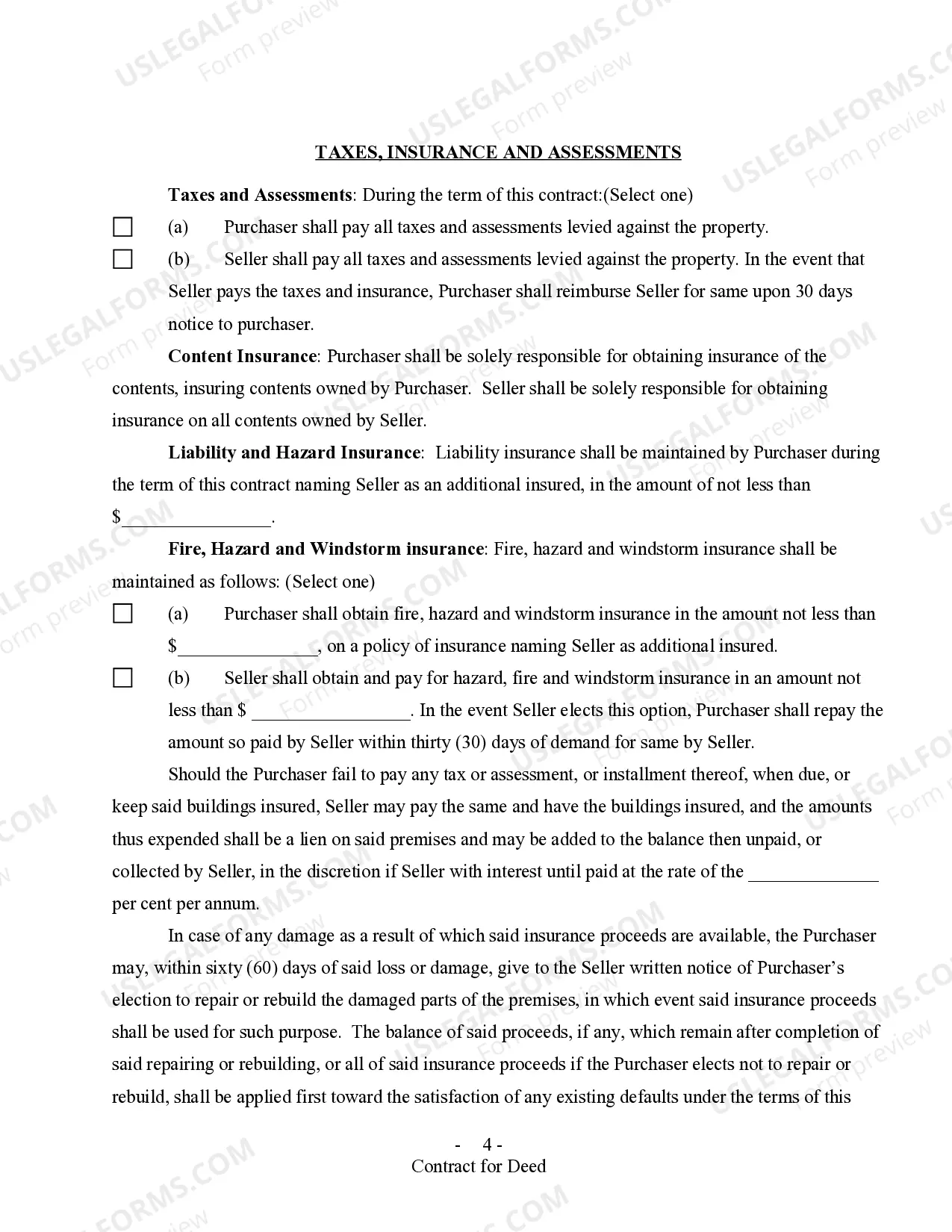
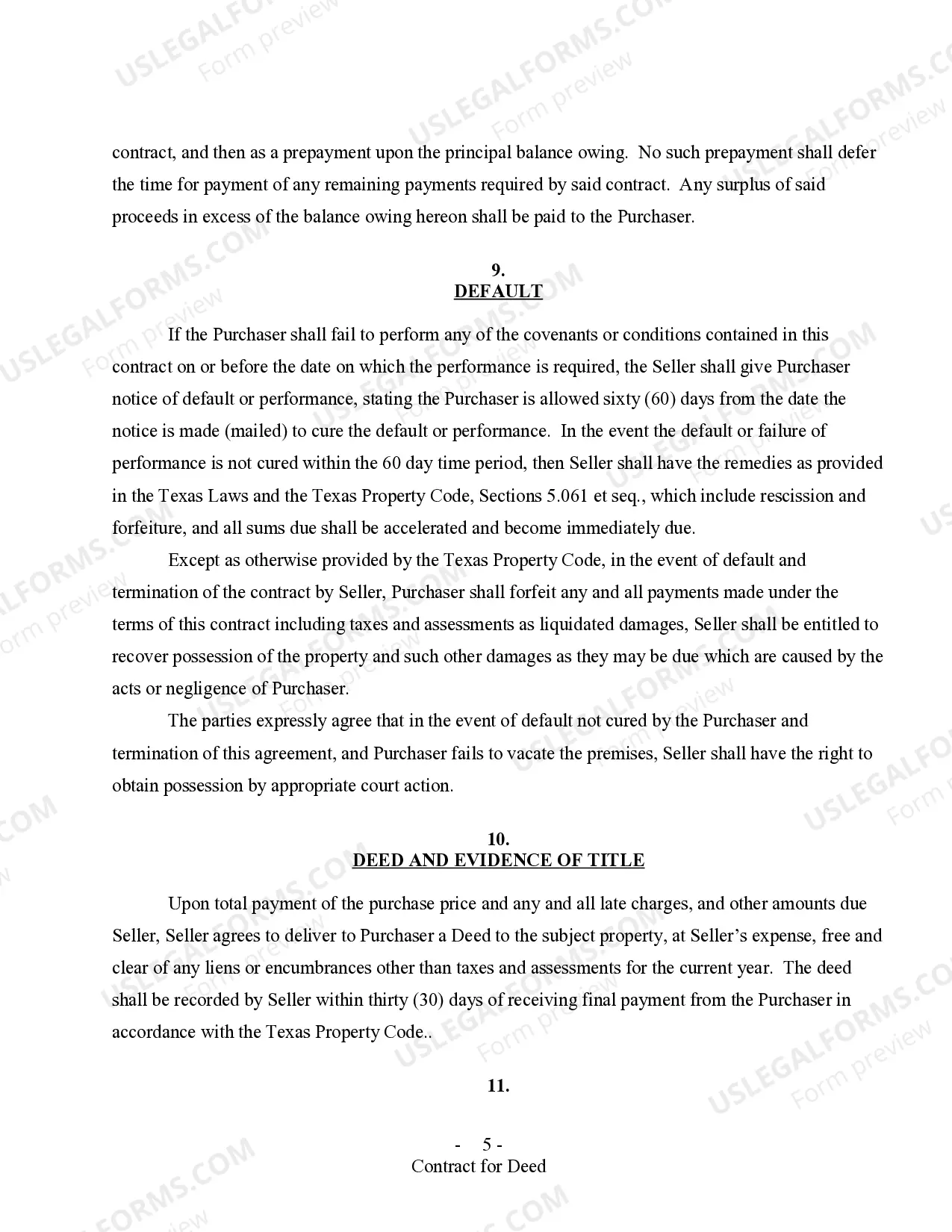
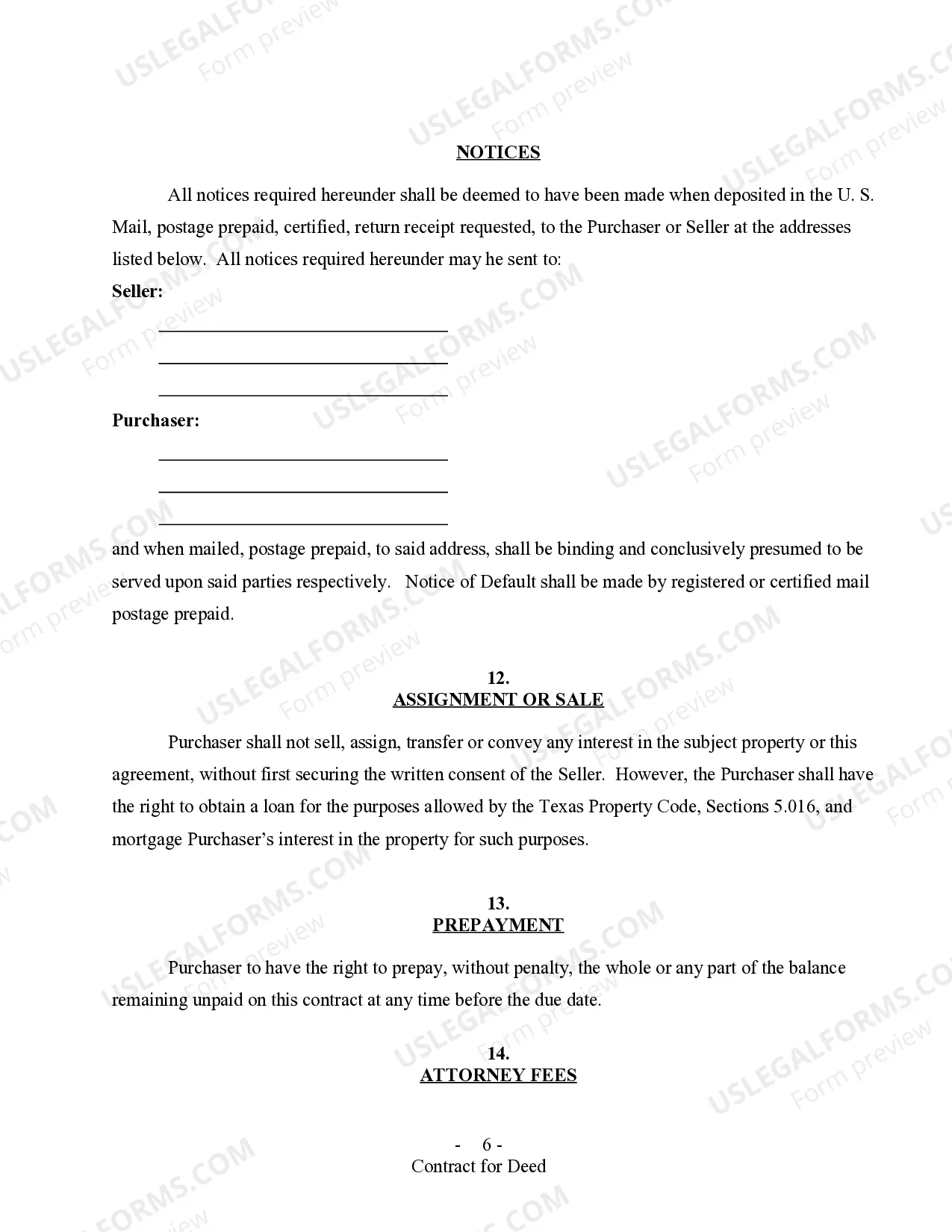
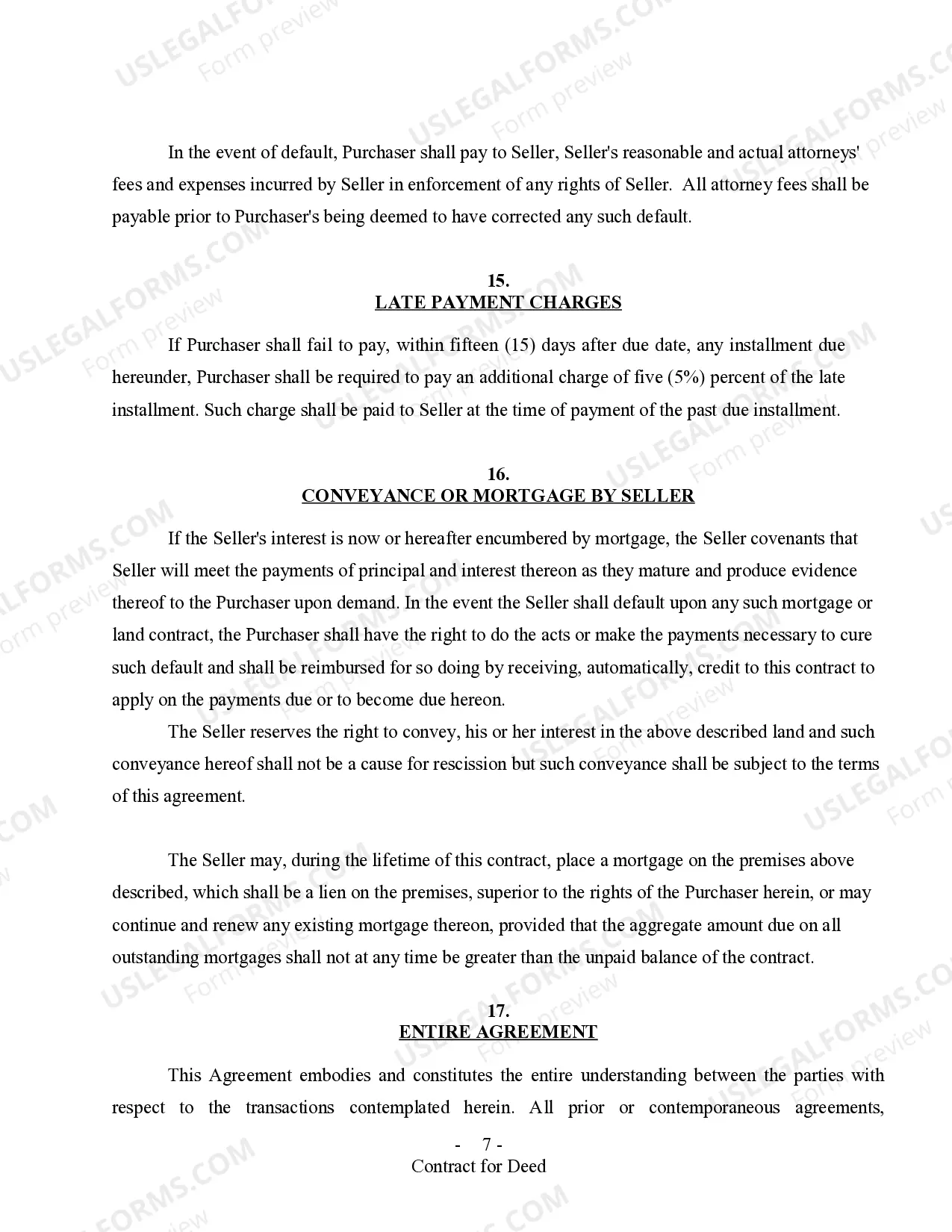

Get your form ready online
Our built-in tools help you complete, sign, share, and store your documents in one place.
Make edits, fill in missing information, and update formatting in US Legal Forms—just like you would in MS Word.
Download a copy, print it, send it by email, or mail it via USPS—whatever works best for your next step.
Sign and collect signatures with our SignNow integration. Send to multiple recipients, set reminders, and more. Go Premium to unlock E-Sign.
If this form requires notarization, complete it online through a secure video call—no need to meet a notary in person or wait for an appointment.
We protect your documents and personal data by following strict security and privacy standards.

Make edits, fill in missing information, and update formatting in US Legal Forms—just like you would in MS Word.

Download a copy, print it, send it by email, or mail it via USPS—whatever works best for your next step.

Sign and collect signatures with our SignNow integration. Send to multiple recipients, set reminders, and more. Go Premium to unlock E-Sign.

If this form requires notarization, complete it online through a secure video call—no need to meet a notary in person or wait for an appointment.

We protect your documents and personal data by following strict security and privacy standards.
Looking for another form?


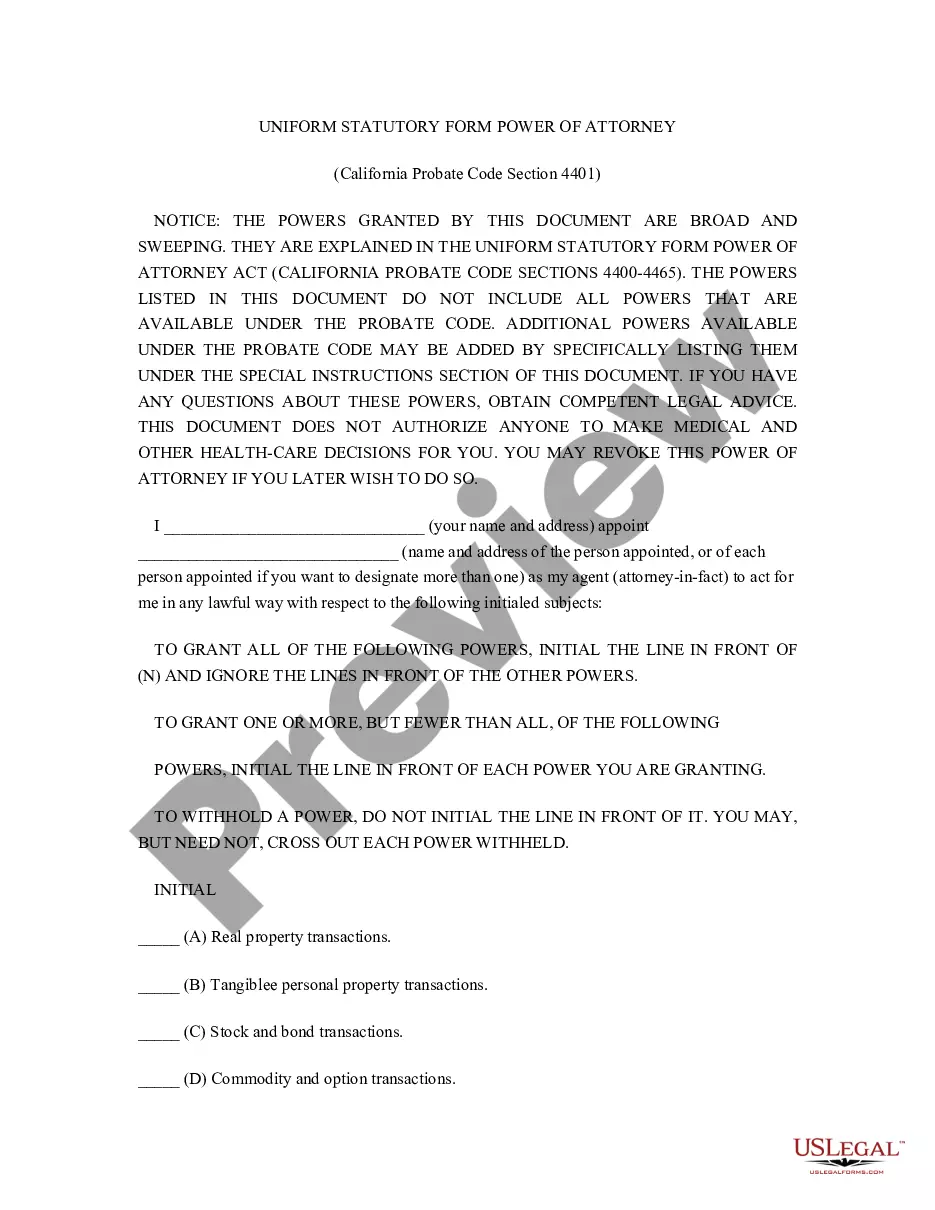
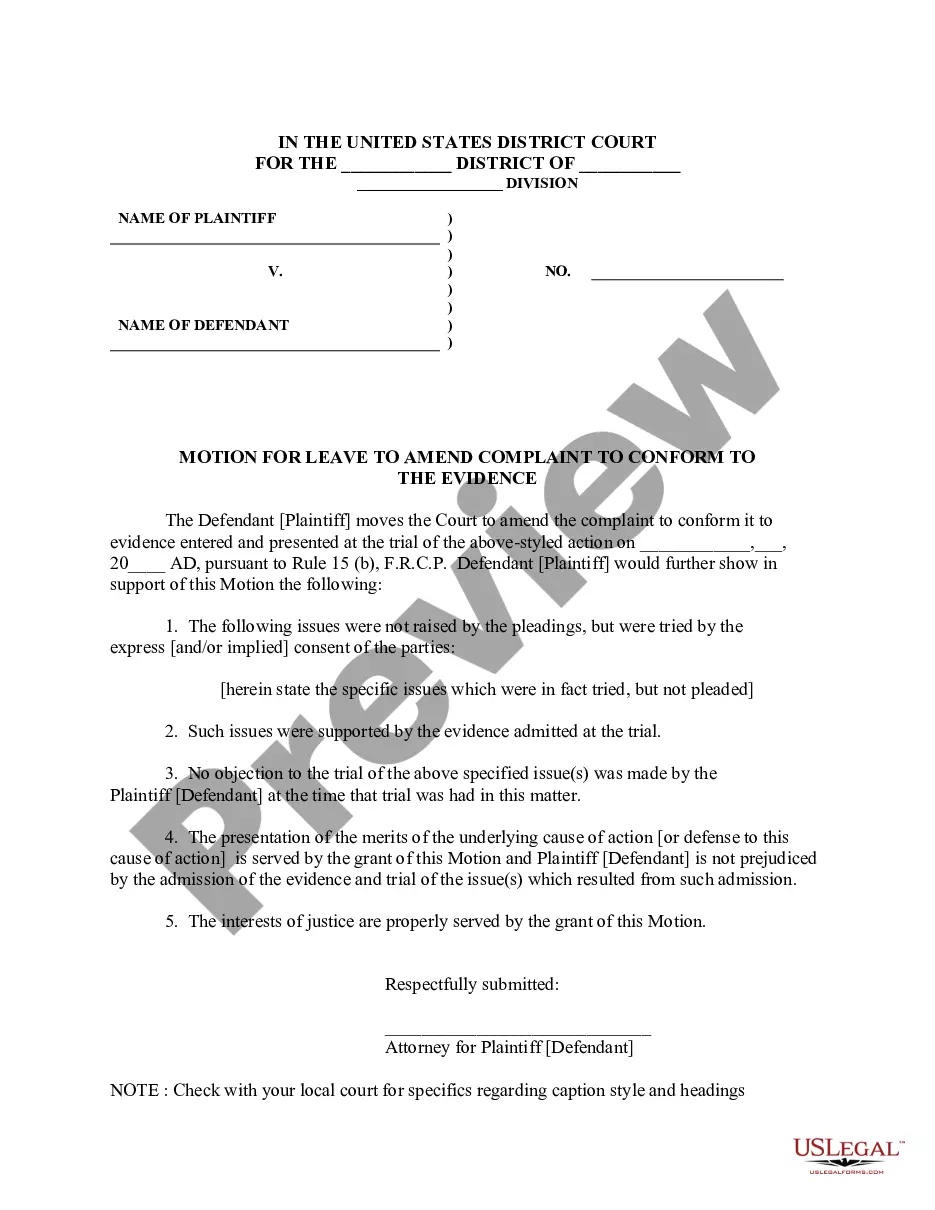

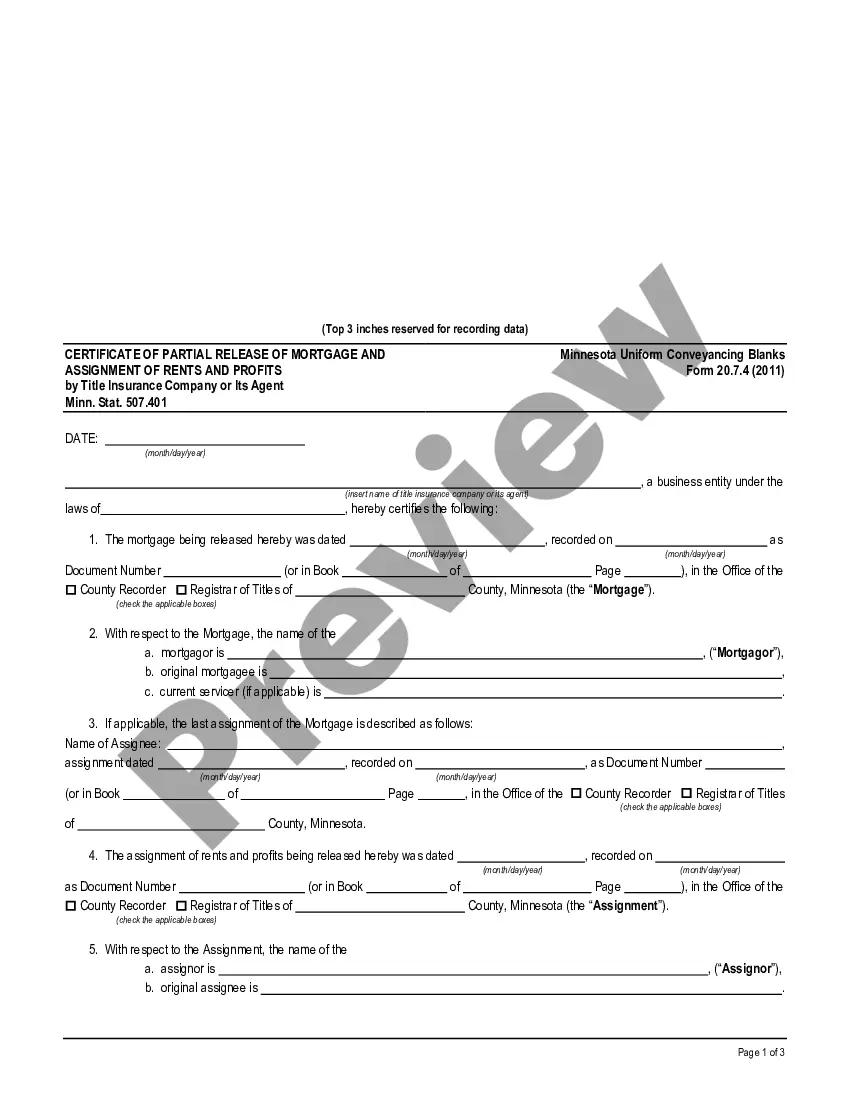
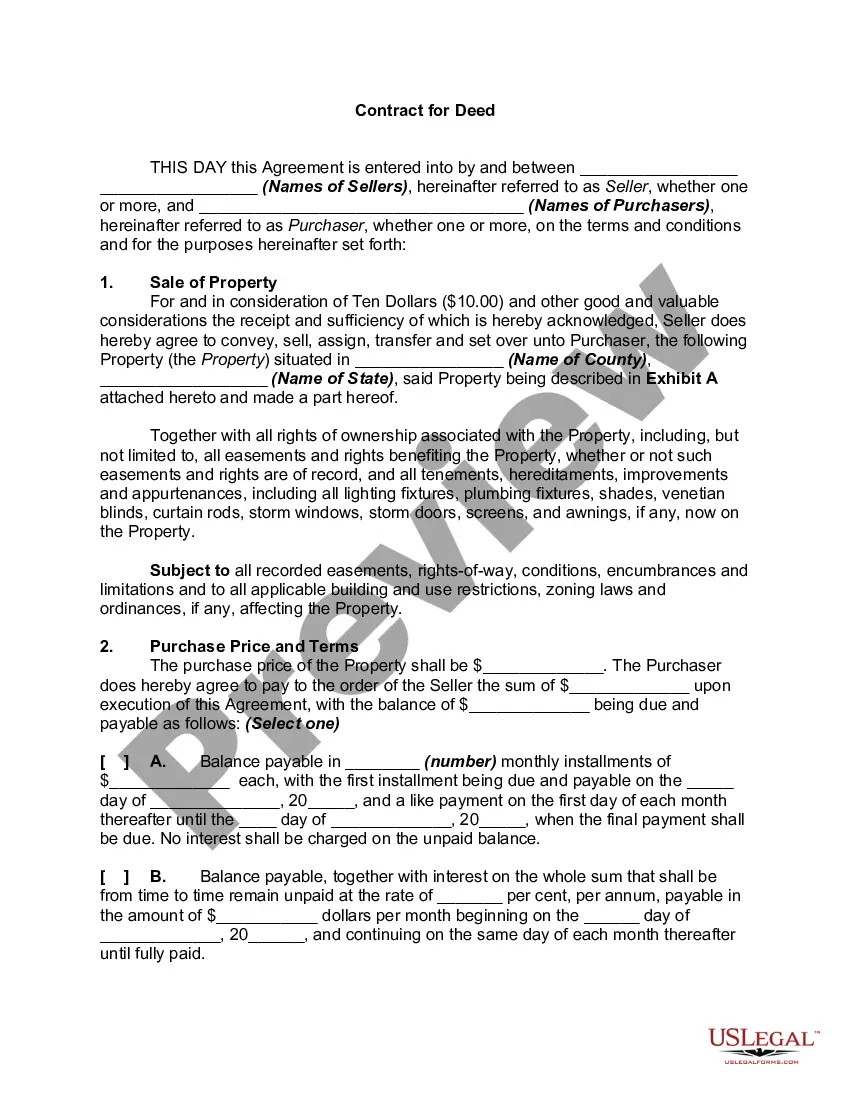
How to fill out All Texas Contract For Deed Forms For Residential Use - Land Contract, Agreement For Deed, Executory Contract?
- Access your existing account or create a new one on US Legal Forms. Ensure your subscription is active to gain full access.
- Search for the executory document you need by utilizing the Preview mode and checking its description to confirm it meets your jurisdiction's criteria.
- If the chosen document isn't suitable, use the search feature to explore alternative templates until you find the right fit.
- Proceed to purchase the document by clicking 'Buy Now' and selecting your desired subscription plan. Make sure to register your account to unlock the complete library.
- Complete your transaction by entering your payment details, either through credit card or PayPal, to finalize the subscription.
- Download the selected form directly to your device for immediate use, and find it later in the 'My Forms' section for easy access.
In conclusion, US Legal Forms empowers both individuals and professionals by streamlining the process of obtaining legal documents. With a vast library of over 85,000 forms and access to premium expert assistance, you can ensure your documents are both accurate and legally valid.
Start simplifying your legal documentation process today by visiting US Legal Forms and exploring the extensive resources available!
Form popularity
FAQ
To fill out a probate inventory, start by listing all assets owned by the deceased, including real estate, personal belongings, bank accounts, and investments. Be sure to note the estimated value of each asset at the time of death. Accuracy is critical, as this inventory will aid in the probate process. You can find valuable tools and templates for creating your inventory and understanding executory documents with dummies on the uslegalforms platform.
Filling out probate paperwork can be straightforward if you follow a few essential steps. Begin by gathering all relevant documents, such as the will, death certificate, and asset list. Next, accurately complete the required forms, ensuring that each entry is clear and correct. To simplify this process, uslegalforms offers various guides for executory documents with dummies to help you navigate the paperwork efficiently.
Certain assets avoid probate, including those held in a trust, life insurance proceeds, and retirement accounts with designated beneficiaries. Real estate that is owned jointly can also pass directly to the surviving owner without going through probate. Understanding these details can assist you in planning your estate effectively. For more information on managing assets and executory documents with dummies, consider exploring resources from uslegalforms.
The risks of being an executor include financial liability and the potential for disputes among beneficiaries. Mismanaging the estate can lead to legal action against you. Additionally, the emotional stress of handling a deceased person's affairs can weigh heavily on you. Being aware of these risks, and reading the executory document with dummies, can provide you a clearer understanding and prepare you for the responsibilities ahead.
The primary document that proves you are an executor is called Letters Testamentary or Letters of Administration. This document is issued by the court and grants you the authority to administer the estate. It’s essential to have this document on hand to manage assets and fulfill your obligations effectively. For assistance in preparing the necessary legal documents, consider using the executory document with dummies.
One major disadvantage of being an executor is the potential for personal liability. If you fail to fulfill your duties correctly, you might face legal consequences. This responsibility can also be time-consuming and emotionally taxing, especially during a time of loss. Utilizing resources like the executory document with dummies can help mitigate these challenges and offer support throughout your appointment.
Executors often make mistakes such as failing to keep proper records or mismanaging estate funds. They might overlook paying debts or taxes on time, leading to penalties. Additionally, poor communication with beneficiaries can create conflicts. Familiarizing yourself with the executory document with dummies can help you avoid these common pitfalls and streamline your tasks effectively.
An executory document is a legal agreement that outlines actions or obligations that must be completed in the future. This type of document often comes into play in estate planning and can be essential in defining the executor's responsibilities. Knowing how to interpret these documents can simplify your role. For further guidance, the executory document with dummies can clarify your understanding.
Being an executor involves several important steps that can seem daunting at first. Start by understanding the terms outlined in the will and familiarize yourself with the responsibilities you carry. A great resource is the executory document with dummies, which can guide you through your tasks. You can also consider using platforms like US Legal Forms for essential documents to assist you in the process.
To write a will for dummies, start with a clear title and state your intent to create a will. List your assets and how you would like them distributed, appoint an executor, and include any specific wishes regarding guardianship for minors. US Legal Forms provides essential executory documents with dummies to guide you through every step of simplifying the will-writing process.