Executory Contract Meaning With Example
Description
Get your form ready online
Our built-in tools help you complete, sign, share, and store your documents in one place.
Make edits, fill in missing information, and update formatting in US Legal Forms—just like you would in MS Word.
Download a copy, print it, send it by email, or mail it via USPS—whatever works best for your next step.
Sign and collect signatures with our SignNow integration. Send to multiple recipients, set reminders, and more. Go Premium to unlock E-Sign.
If this form requires notarization, complete it online through a secure video call—no need to meet a notary in person or wait for an appointment.
We protect your documents and personal data by following strict security and privacy standards.

Make edits, fill in missing information, and update formatting in US Legal Forms—just like you would in MS Word.

Download a copy, print it, send it by email, or mail it via USPS—whatever works best for your next step.

Sign and collect signatures with our SignNow integration. Send to multiple recipients, set reminders, and more. Go Premium to unlock E-Sign.

If this form requires notarization, complete it online through a secure video call—no need to meet a notary in person or wait for an appointment.

We protect your documents and personal data by following strict security and privacy standards.
Looking for another form?

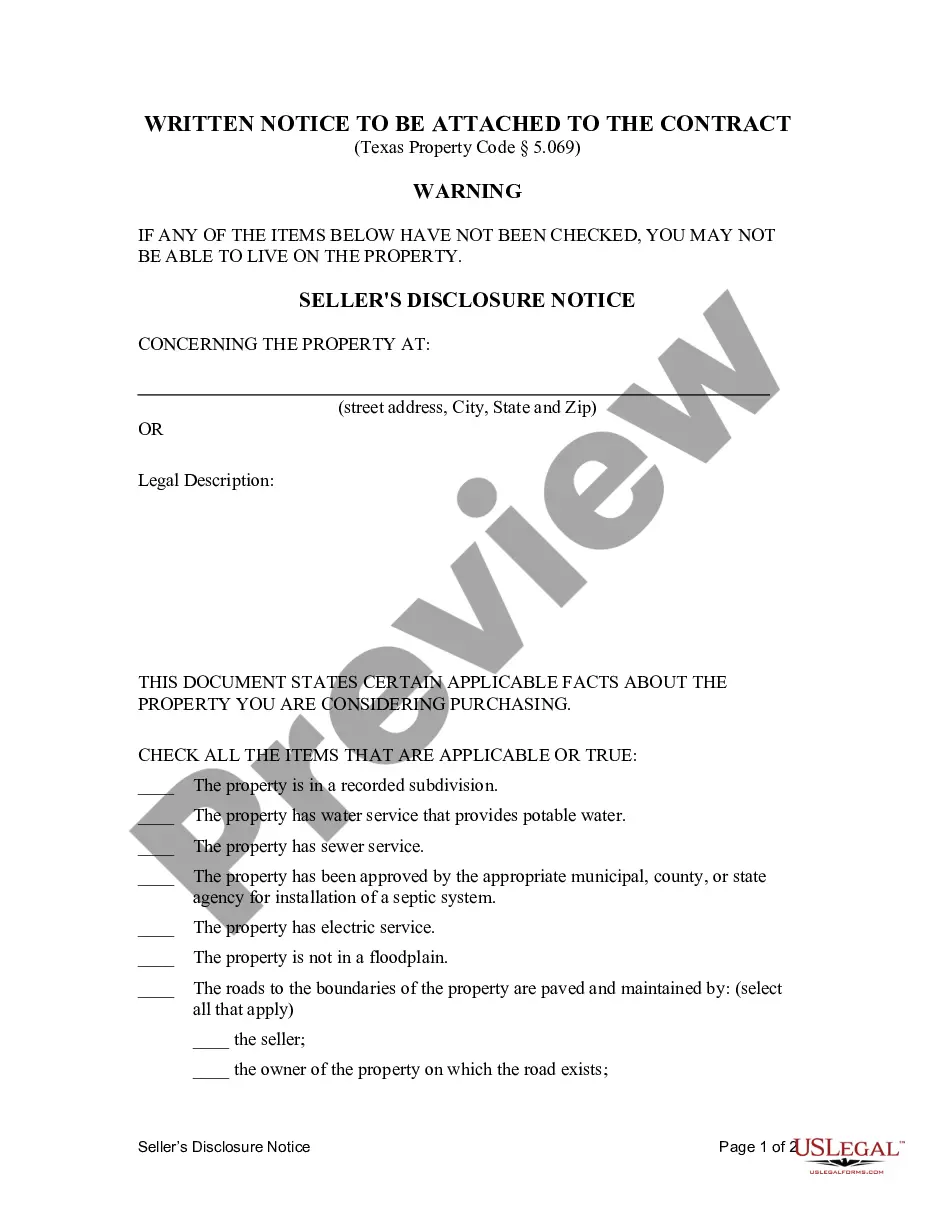
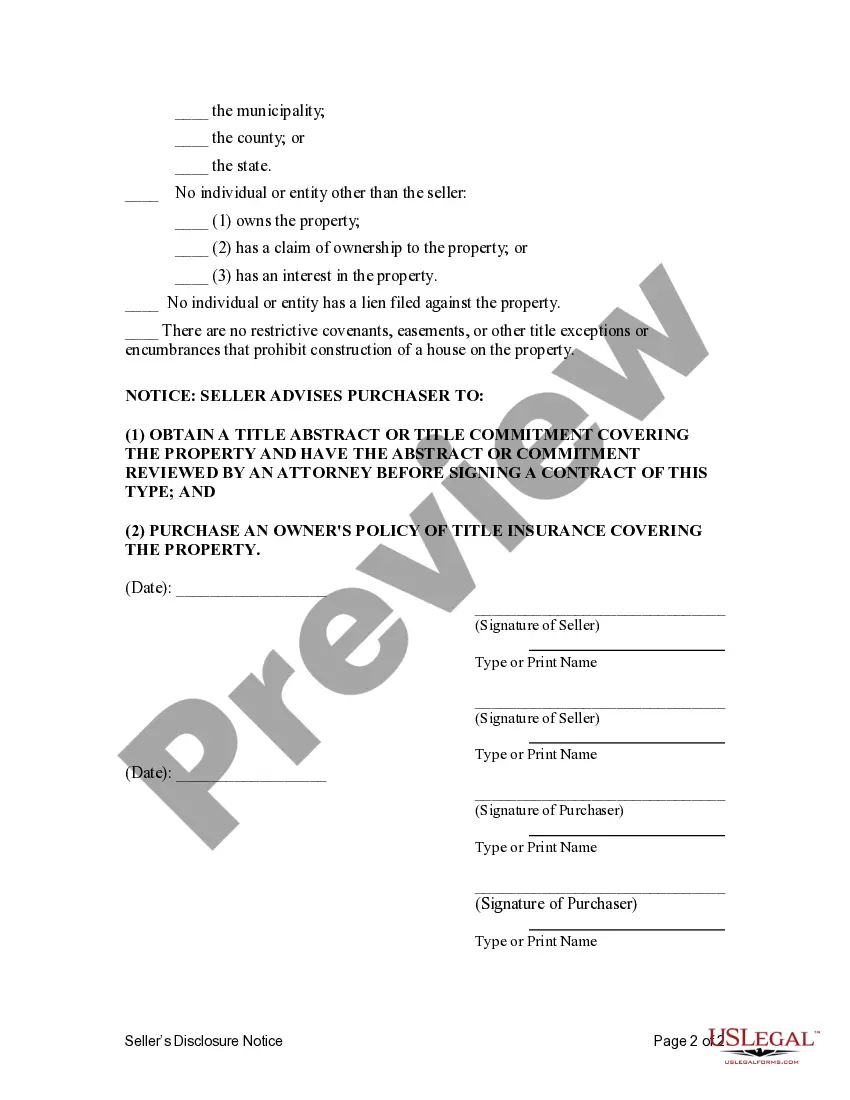
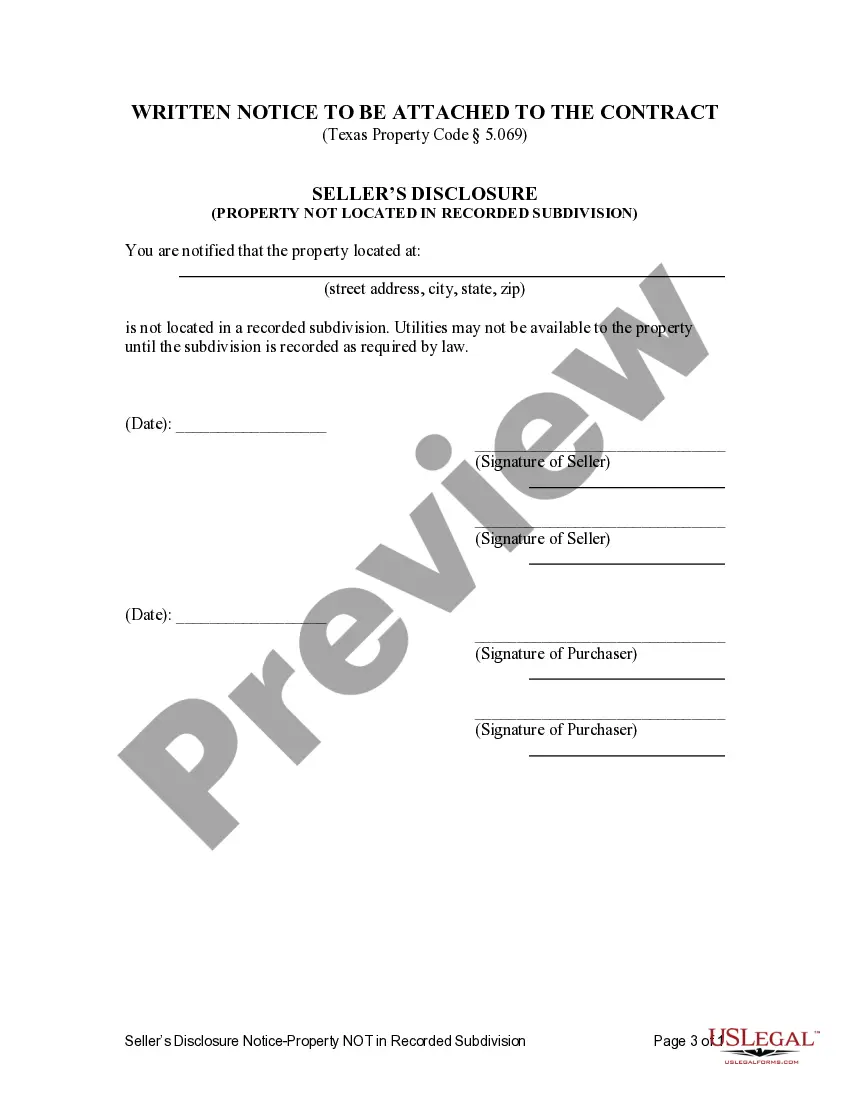
How to fill out Texas Contract For Deed Disclosure Of Property Condition - Residential - Land Contract, Executory Contract?
- If you're a returning user, log in to your account and download the required template by clicking the Download button. Verify that your subscription is active; renew it if necessary.
- For first-time users, start by browsing through the Preview mode to check the form description. Confirm that the form aligns with your needs and complies with your jurisdiction's requirements.
- If you need another template, utilize the Search tab to find a suitable form. Proceed only if you are certain it meets your specifications.
- Select the document you wish to purchase. Click on the Buy Now button and choose your preferred subscription plan. Account registration is mandatory to access our extensive library.
- Complete your purchase by providing your payment information via credit card or PayPal.
- Download the form onto your device, enabling you to complete it at your convenience. You can also access it later from the My Forms section of your profile.
US Legal Forms provides individuals and attorneys with a vast, user-friendly library of legal documents, empowering them to create legally sound agreements efficiently.
With over 85,000 editable legal forms available, it's easier than ever to find what you need and get expert assistance. Start securing your legal documents today!
Form popularity
FAQ
For a contract to qualify as executory, two main elements must be present: mutual obligations and pending performance. Both parties must have agreed to specific actions that are yet to be completed. Understanding these elements helps clarify the executory contract meaning with example, ensuring you know your rights and responsibilities in any agreement.
A classic example of an executory contract is a service agreement where a contractor agrees to complete a renovation project in exchange for payment. The contract remains executory until the work is fully done and the payment is made. This illustrates the executory contract meaning with example, which can be vital for individuals entering any form of contractual obligations.
An executory contract remains incomplete, indicating that some obligations are still pending between the parties involved. In contrast, an executed contract is one where both parties have fulfilled their commitments. Recognizing the differences helps in navigating legal discussions and understanding the executory contract meaning with example.
An executory contract is a legal agreement where one or both parties have not yet fulfilled their obligations. A common example is a lease agreement for renting an apartment, where the landlord and tenant both have responsibilities that are ongoing. By understanding the executory contract meaning with example, you can identify similar situations in your own dealings.
The key difference lies in the completion of the contract terms. An executed contract has been fully performed with all obligations completed, while an executory contract still has outstanding duties from one or both parties. When you grasp the executory contract meaning with example, it becomes easier to distinguish between these two types of contracts, which can impact your legal standing.
Yes, an executory contract is enforceable as long as it meets the necessary legal requirements. This type of contract involves obligations that one or both parties have yet to fulfill. Both parties must perform their duties as stipulated in the agreement for the contract to remain valid. Therefore, understanding the executory contract meaning with example can help clarify your legal rights and responsibilities.
Executed consideration occurs when both parties have fulfilled their promises, meaning there is no pending obligation. For instance, if you receive a service immediately after payment, that’s executed consideration. In contrast, executory consideration involves commitments that remain to be fulfilled. Knowing the difference enhances your understanding of the broader executory contract meaning with example and its implications in legal agreements.
Executory consideration involves a situation where a promise is made in anticipation of future performance. For example, if a contractor agrees to build a home in exchange for payment once finished, that promise illustrates executory consideration. Grasping the executory contract meaning with example makes it easier to recognize these kinds of promises in everyday dealings.
An executory promise is a commitment not yet fulfilled by one or both parties in a contract. For example, if one party agrees to deliver goods in exchange for payment in the future, this scenario illustrates the executory contract meaning with example. Until the goods are delivered and payment is made, both parties have ongoing obligations. Understanding these concepts is crucial, and platforms like USLegalForms can help clarify these terms and provide valuable resources.