Tennessee Driveway Laws For Private Property
Description
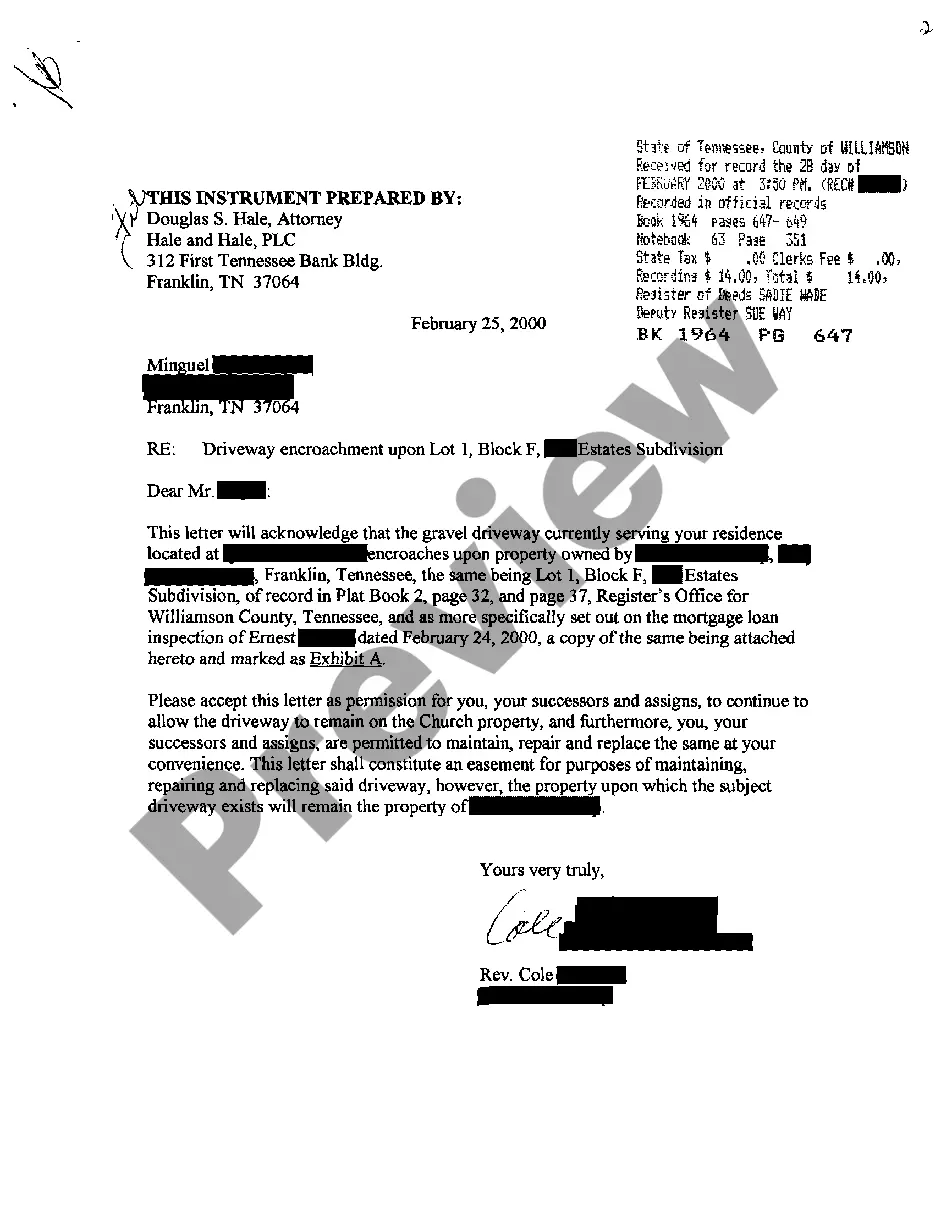
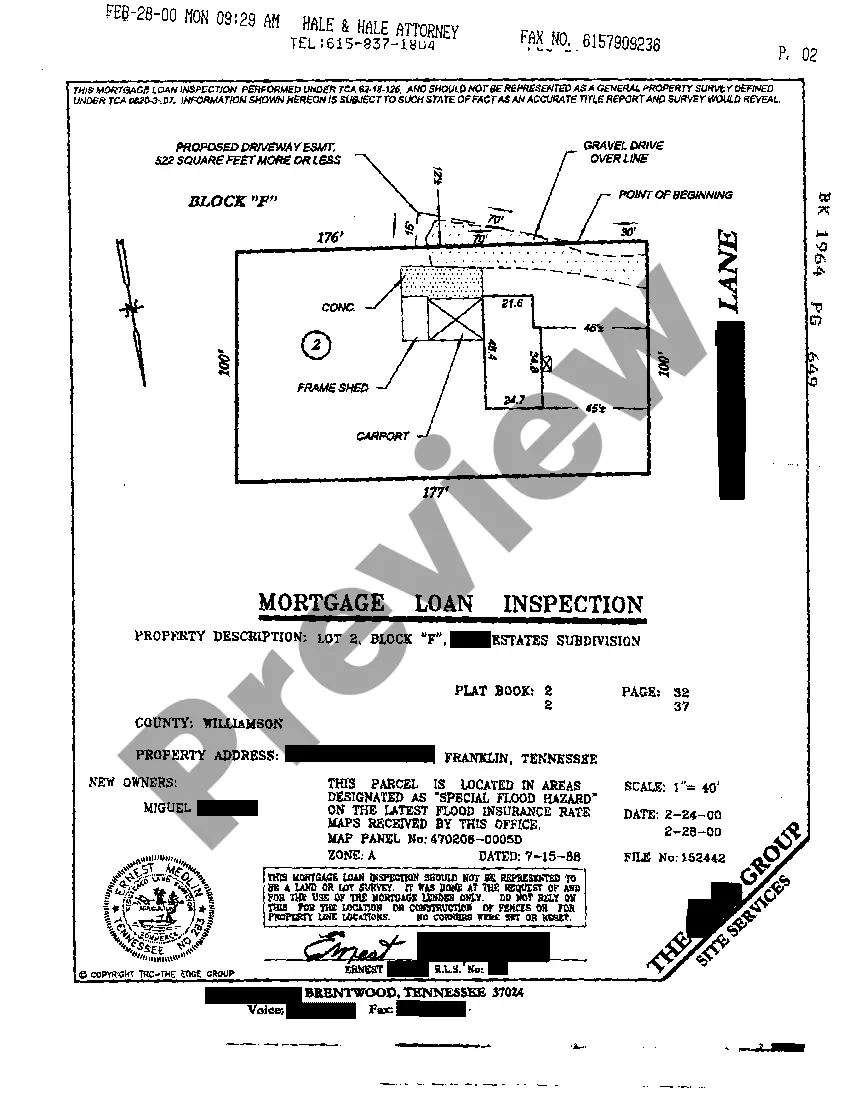
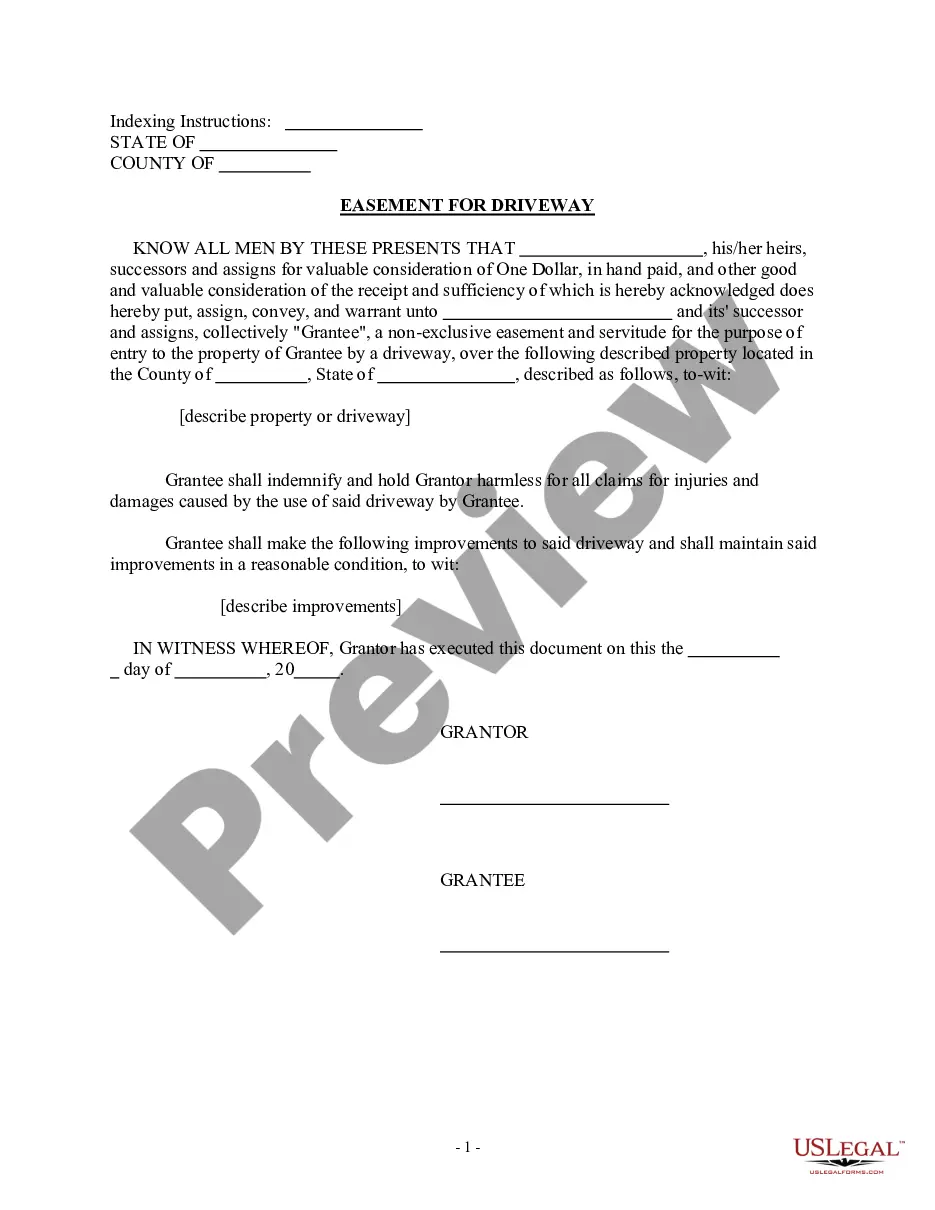
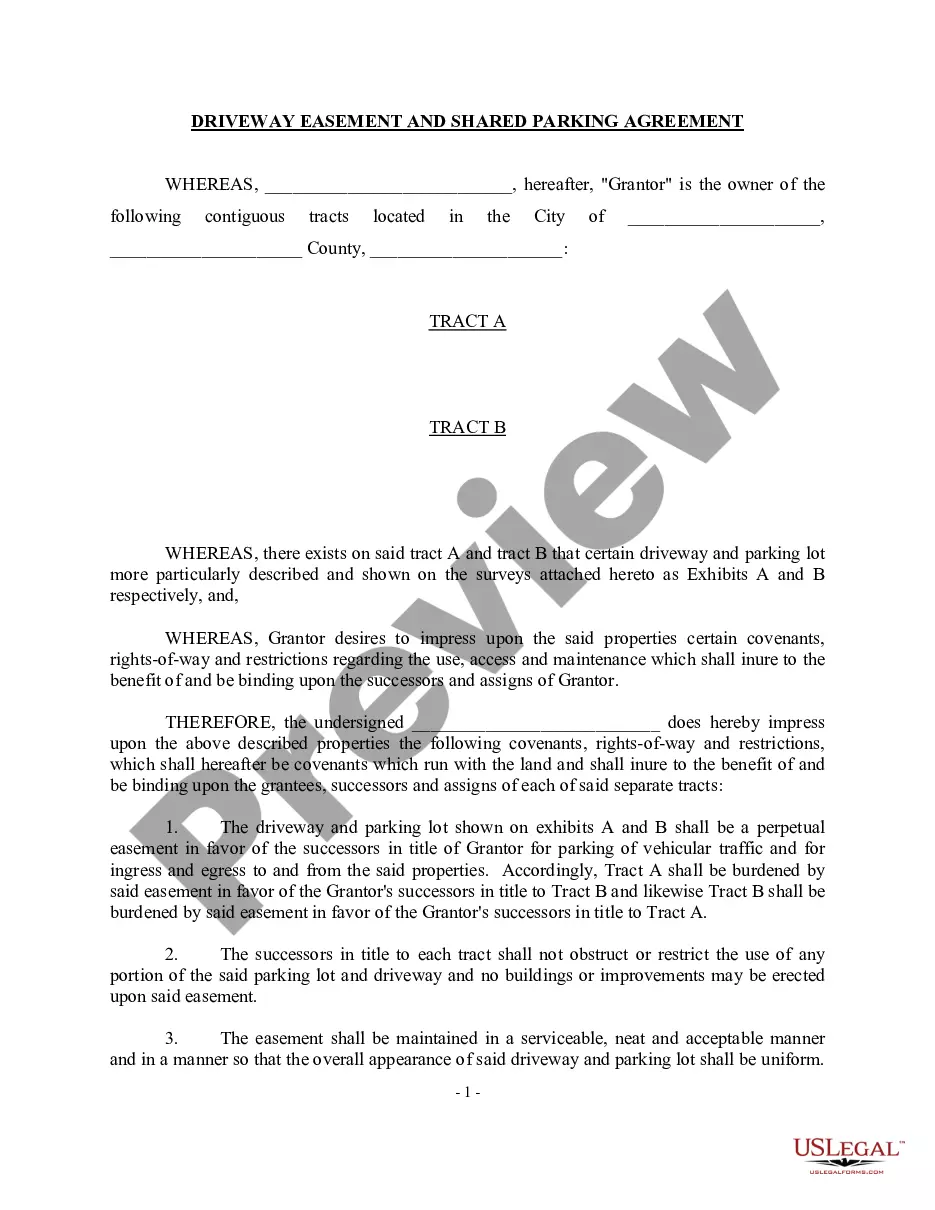
How to fill out Tennessee Driveway Easement?
Dealing with legal paperwork and processes can be a lengthy addition to your daily routine.
Tennessee Driveway Regulations for Private Property and similar forms typically necessitate that you search for them and comprehend the best methods to fill them out correctly.
Hence, whether you are managing financial, legal, or personal issues, having an extensive and user-friendly online collection of forms available when necessary will be extremely beneficial.
US Legal Forms is the leading online platform for legal documents, providing over 85,000 state-specific forms and various resources that facilitate the effortless completion of your paperwork.
Is it your first time using US Legal Forms? Sign up and create a free account in a matter of minutes, and you’ll gain access to the forms catalog and Tennessee Driveway Regulations for Private Property. Then, follow the steps outlined below to complete your form.
- Browse through the collection of pertinent documents available at your fingertips with just a single click.
- US Legal Forms offers you forms categorized by state and county ready for downloading at any moment.
- Protect your document management procedures by employing a reliable service that allows you to create any form in minutes without incurring additional fees.
- Just Log Into your account, locate Tennessee Driveway Regulations for Private Property, and obtain it instantly from the My documents section.
- You can also retrieve previously downloaded forms.
Form popularity
FAQ
The easement of right-of-way in Tennessee allows certain individuals or entities access to a portion of your property for specific purposes, such as utilities or road maintenance. This can affect where you can place your driveway, as the easement may restrict construction in certain areas. Understanding this concept is crucial, so you can comply with Tennessee driveway laws for private property and avoid future conflicts.
If you plan to pour your own driveway in Tennessee, you may need a permit, especially for new installations or significant alterations. Local regulations often require permits to ensure the work meets safety and zoning standards. Always consult your local government to understand the specific requirements under Tennessee driveway laws for private property.
Homeowners in Tennessee can often make minor improvements without a permit. This may include simple maintenance or repairs to an existing driveway, provided the changes do not alter its dimensions or materials significantly. However, it is wise to check local guidelines, as Tennessee driveway laws for private property can vary.
Tennessee driveway laws for private property usually dictate how close a driveway can be to the property line. Many local regulations require that driveways maintain a distance of at least five feet from the property line. However, it is advisable to confirm the exact distance with your local authorities to avoid any potential disputes.
The requirements for a driveway in Tennessee can vary based on local zoning laws. Typically, your driveway must be constructed using approved materials and meet certain dimensions. Familiarizing yourself with Tennessee driveway laws for private property will help you understand any specific requirements in your area, ensuring your driveway meets safety and accessibility standards.
In Tennessee, whether you need a permit for a driveway depends on local regulations. Generally, if you plan to add or modify a driveway, you may need to obtain a permit from your local government. It is essential to check with your city or county regulations to ensure compliance with Tennessee driveway laws for private property.
Yes, you can typically build a driveway on your property, but it is essential to follow Tennessee driveway laws for private property. These laws often require you to check local zoning regulations and obtain the necessary permits before starting construction. Additionally, ensure that your driveway does not obstruct public access or violate any easements. For detailed guidance and to simplify the process, consider using the services offered by uslegalforms, which can provide you with the necessary documentation and information.
Easement laws in Tennessee define how one property owner can use part of another's property. This is particularly relevant for driveways that may cross a neighbor's land. Understanding Tennessee driveway laws for private property is key to navigating easements effectively. If you face an easement issue, consider consulting resources like uslegalforms for more guidance and support.
Setback requirements in Tennessee dictate how far structures must be from property lines. These requirements are essential for ensuring safety, privacy, and compliance with local ordinances. Tennessee driveway laws for private property typically specify minimum setbacks that property owners must follow. Always verify the specific requirements with your local authorities before starting any construction.
Building close to a property line in Tennessee usually involves following specific setback requirements. These requirements can differ based on the type of structure and local regulations. It is crucial to consult Tennessee driveway laws for private property to understand your limits. Familiarizing yourself with these laws can help you avoid potential disputes with neighbors.