Tennessee Driveway Laws For 2018
Description
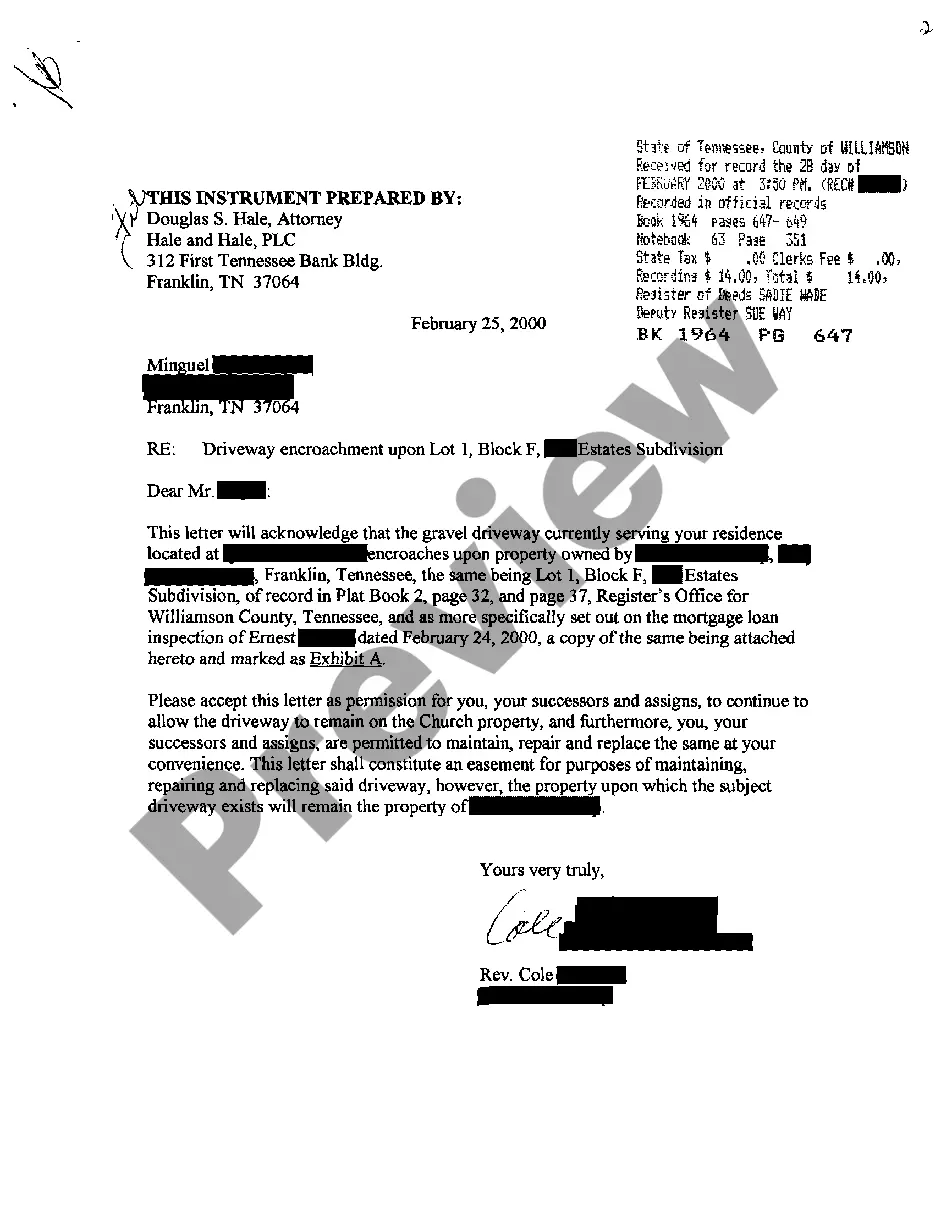
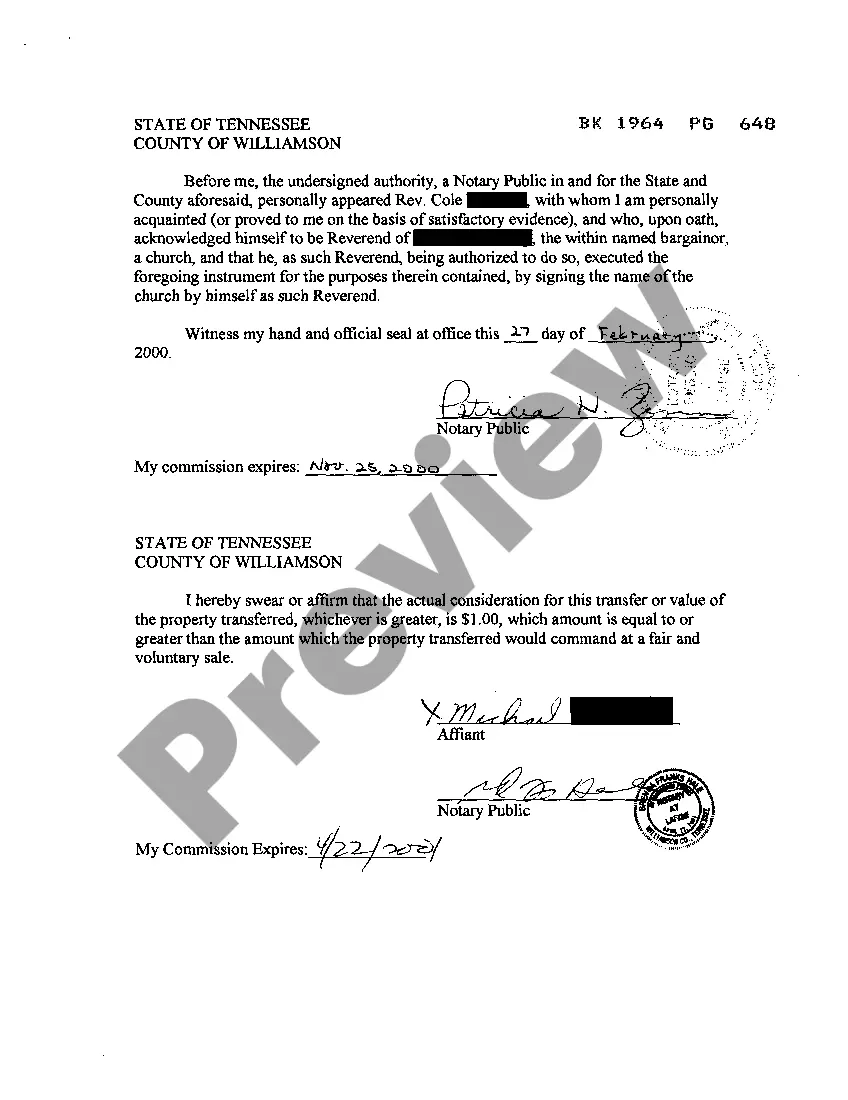
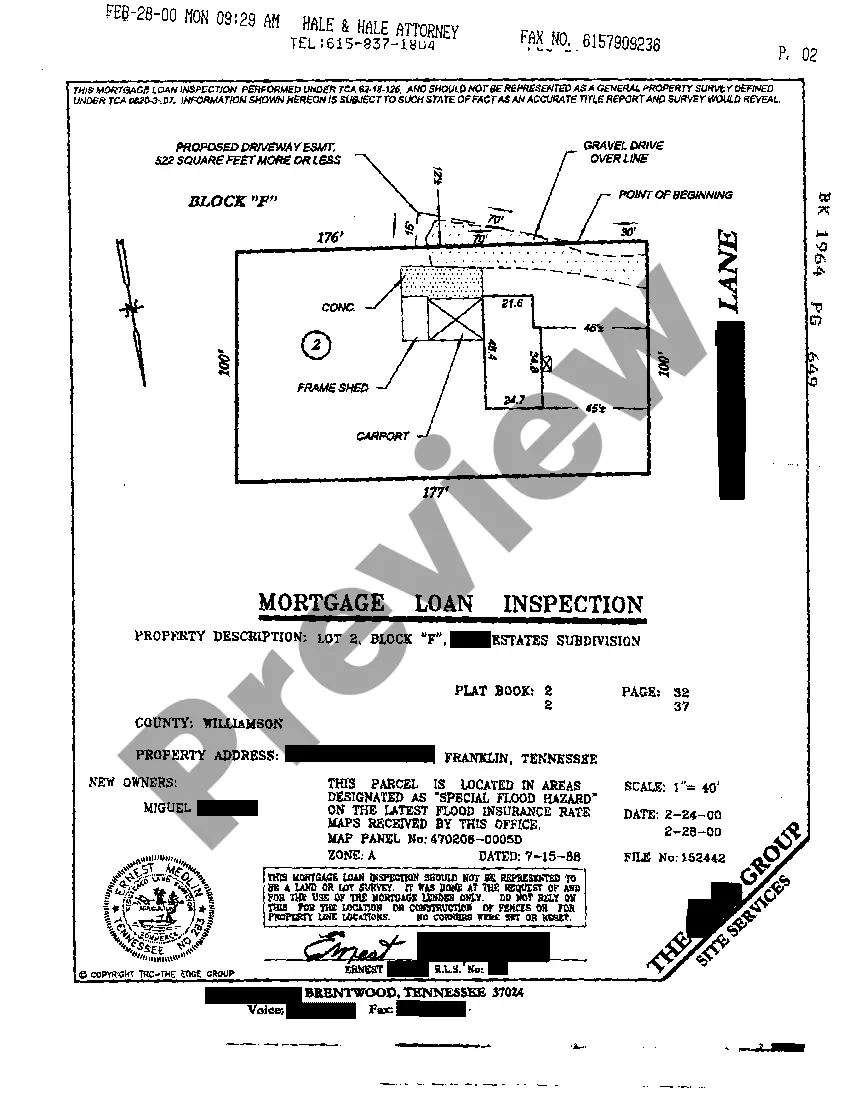
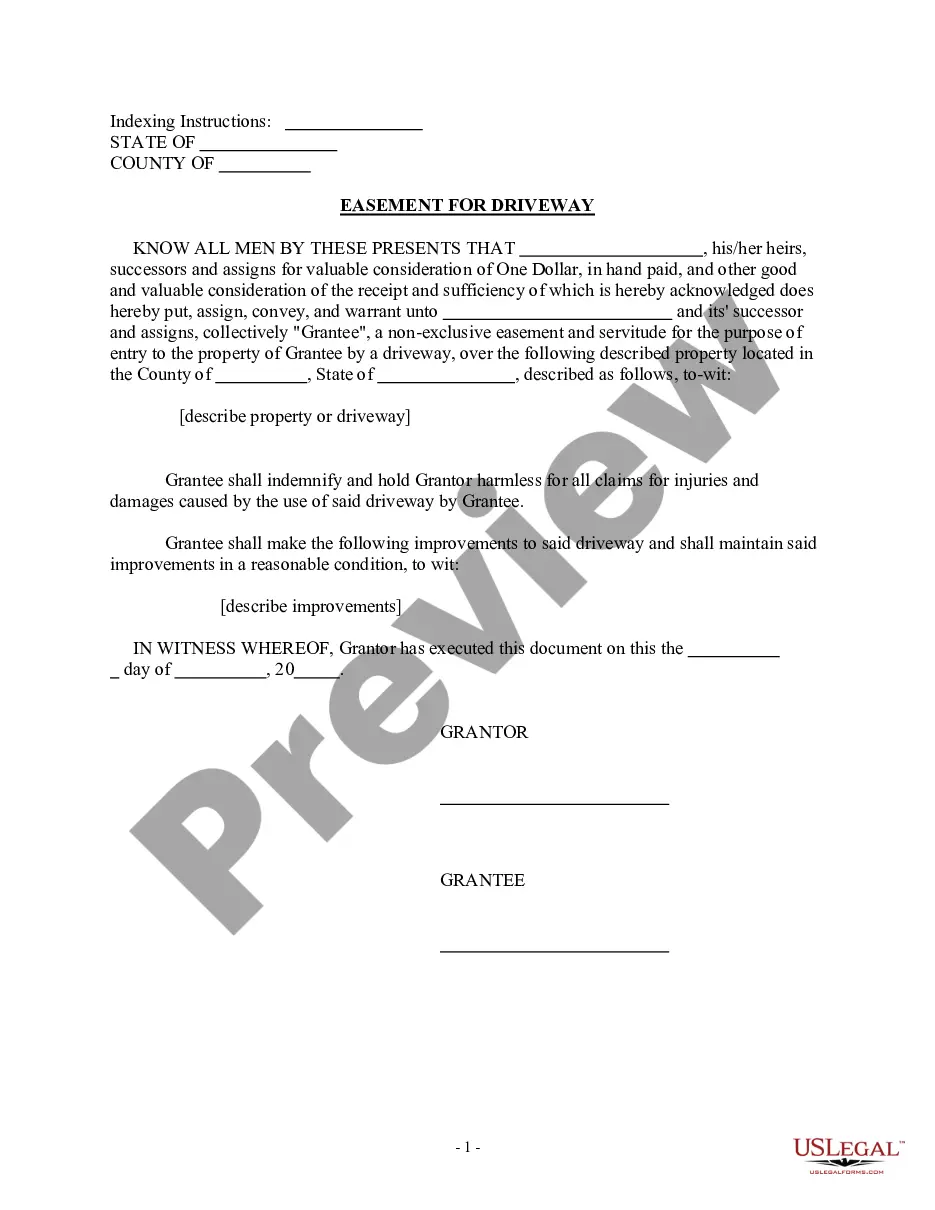
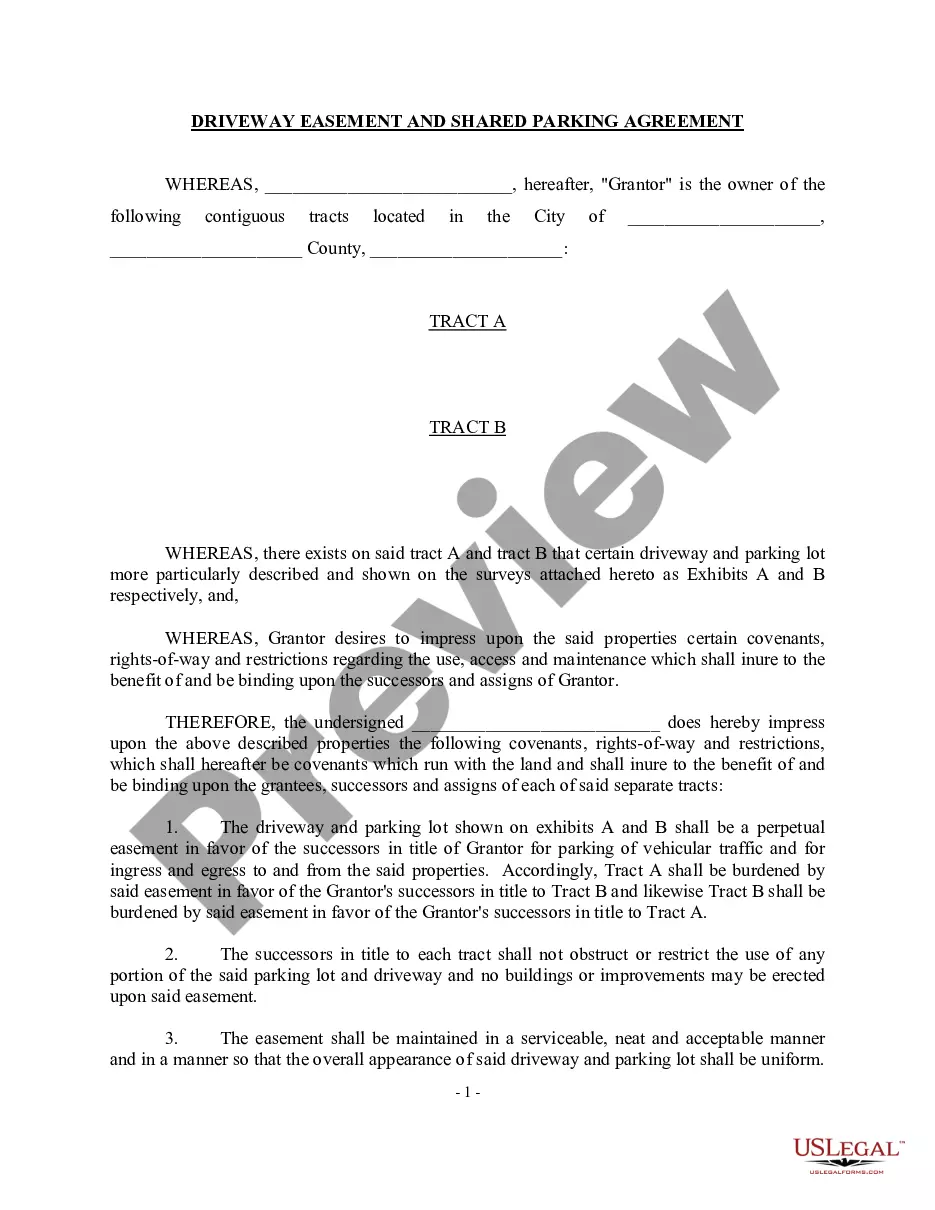









How to fill out Tennessee Driveway Easement?
It’s clear that you cannot transform into a legal expert instantly, nor can you discover how to swiftly prepare Tennessee Driveway Regulations For 2018 without possessing a specific set of expertise.
Drafting legal documents is a lengthy endeavor that necessitates specialized knowledge and skills. So why not delegate the preparation of the Tennessee Driveway Regulations For 2018 to the experts.
With US Legal Forms, one of the most extensive legal template collections, you can access everything from court documents to templates for internal business communication. We recognize how vital compliance and adherence to federal and state laws and regulations are. Therefore, on our platform, all forms are location-specific and current.
You can access your documents again from the My documents tab at any time. If you’re an existing client, you can simply Log In, and find and download the template from the same tab.
Regardless of the purpose of your documents—whether financial, legal, or personal—our website has you covered. Try US Legal Forms now!
- Locate the document you require by utilizing the search bar at the top of the page.
- Preview it (if this option is available) and review the accompanying description to determine if Tennessee Driveway Regulations For 2018 is what you need.
- Start your search anew if you require a different document.
- Sign up for a complimentary account and choose a subscription plan to purchase the document.
- Select Buy now. Once the payment is complete, you can download the Tennessee Driveway Regulations For 2018, fill it out, print it, and send or mail it to the necessary individuals or organizations.
Form popularity
FAQ
Tennessee driveway laws for 2018 typically dictate that driveways must be a certain distance away from the property line. This distance may vary based on local ordinances, so it's essential to check with your local planning office. Ensuring your driveway complies with these regulations can help you avoid disputes with neighbors and legal challenges.
To comply with Tennessee driveway laws for 2018, driveways must meet specific requirements, including minimum width and proper drainage. Additionally, you must consider the materials used and how they affect water runoff. By adhering to these requirements, you can create a functional and compliant driveway.
Tennessee driveway laws for 2018 include various regulations regarding the construction and maintenance of driveways. These laws cover aspects like proper drainage, proximity to property lines, and permissible materials. Familiarizing yourself with these laws can help you avoid costly mistakes and ensure your driveway is safe and legal.
The 2 second rule in Tennessee refers to a guideline for maintaining a safe following distance while driving. This rule suggests that drivers should stay at least two seconds behind the vehicle in front of them. While it does not directly relate to driveway laws, understanding safe driving practices can enhance overall road safety.
Tennessee driveway laws for 2018 outline several guidelines for driveway construction. These include specifications on width, surface materials, and drainage requirements. Following these guidelines is essential for ensuring safety and compliance with local regulations.
Yes, under Tennessee driveway laws for 2018, you typically need a permit to install a new driveway. This requirement helps ensure that the driveway meets local codes and safety standards. It is crucial to check with your local zoning office before starting any construction to avoid potential fines or legal issues.
According to Tennessee driveway laws for 2018, pouring your own driveway may require a permit, especially if the work involves significant alterations to the property. Some local governments mandate permits to maintain safety and compliance standards. It's advisable to consult with your local planning department or review guidelines available through platforms like USLegalForms. This way, you can avoid potential fines or complications.
Under Tennessee driveway laws for 2018, homeowners can perform certain activities without needing a permit. You can typically install or repair a driveway, provided it does not alter the existing drainage or structure significantly. However, it's important to check local regulations, as some areas may have specific restrictions or requirements. To ensure compliance, consider using resources like USLegalForms to access the necessary legal information.