Tennessee Motion To Strike For Admissions
Description
Form popularity
FAQ
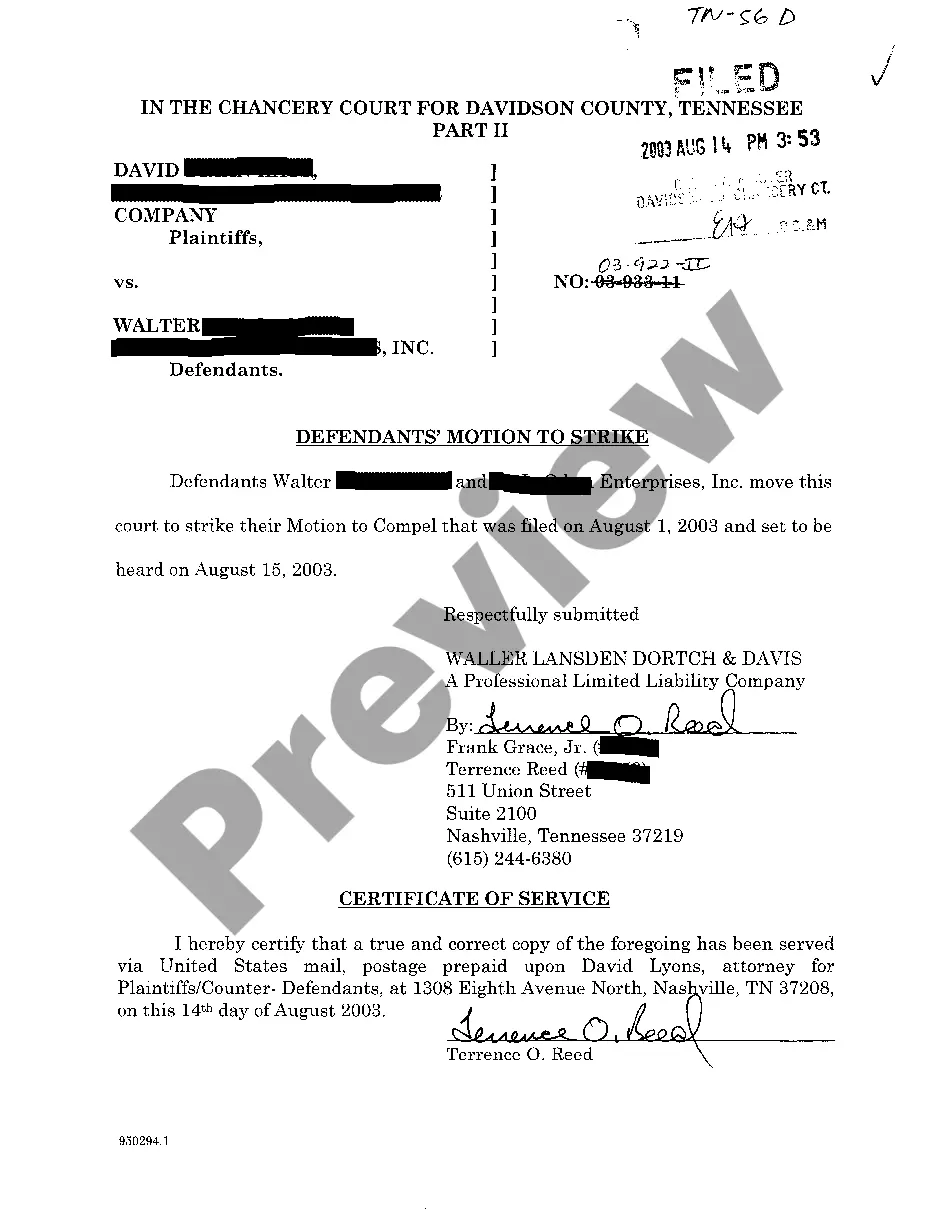
Rule 59 in Tennessee relates to motions for new trials and to alter or amend judgments. If you find that some legal admissions in your case are inappropriate, a Tennessee motion to strike for admissions may be applicable here. This rule allows parties to challenge decisions made by the court, ensuring fairness in legal proceedings. Understanding this can help you navigate the complexities of your case more effectively.
The rule of 60 refers to a procedural guideline that permits individuals to request relief from judgment. This includes situations where circumstances require revisiting prior legal decisions. If you are dealing with a Tennessee motion to strike for admissions, understanding this rule is crucial as it may allow you to contest or modify previous admissions. It's wise to consult legal resources, like US Legal Forms, for guidance in navigating these rules.
Rule 60 in Tennessee addresses relief from final judgments, orders, or proceedings. It allows parties to seek correction of errors, such as clerical mistakes, or request relief from a judgment that is unjust. In the context of a Tennessee motion to strike for admissions, this rule can be relevant if you need to challenge or amend prior responses to discovery requests. Familiarizing yourself with this rule can significantly impact your case.
In Tennessee, service of process must be done according to specific rules. Generally, you don't have to be served in person, as the law allows for alternative methods of service, such as certified mail. However, being served effectively is critical, especially in cases involving a Tennessee motion to strike for admissions. Understanding the service process ensures that legal proceedings proceed smoothly.
To file a motion to dismiss in Tennessee, you must prepare a written motion outlining the reasons for the dismissal, along with supporting documentation. These motions typically address issues like lack of jurisdiction or failure to state a claim. Keep in mind that if your case involves a Tennessee motion to strike for admissions, the motion to dismiss may need to address any admissions as a critical component.
Rule 34.02 in Tennessee allows for the discovery of documents and tangible things for inspection and copying. This rule plays a significant role in the pre-trial phase, ensuring all parties have access to relevant evidence. If you intend to file a Tennessee motion to strike for admissions, understanding Rule 34.02 can greatly assist in gathering necessary information.
Rule 35 in Tennessee pertains to motions for examinations, allowing a party to request a physical or mental examination of an opposing party. These motions are often crucial in personal injury cases, where assessments can influence trial outcomes. If you face situations involving a Tennessee motion to strike for admissions, knowing the implications of a rule 35 motion can be beneficial.
The rule 59 motion in Tennessee is the same as previously mentioned, focusing on the opportunity for a new trial or altering a judgment. It emphasizes correcting errors that could significantly affect the outcome of a case. When considering a Tennessee motion to strike for admissions, being aware of the implications of a rule 59 motion can help you solidify your position.
Rule 59 in Tennessee allows a party to file a motion for a new trial or to amend a judgment. This motion focuses on issues like mistakes in the trial or newly discovered evidence that could lead to a different verdict. A clear understanding of how a Tennessee motion to strike for admissions interacts with Rule 59 can help strengthen your legal strategy.
A Rule 60 motion in Tennessee is a request to set aside or modify a judgment for reasons such as mistake, inadvertence, or to prevent an injustice. It provides a means for parties to seek relief from an adverse judgment under certain circumstances. When dealing with judgments related to admissions, it is essential to understand how a Tennessee motion to strike for admissions may be impacted.