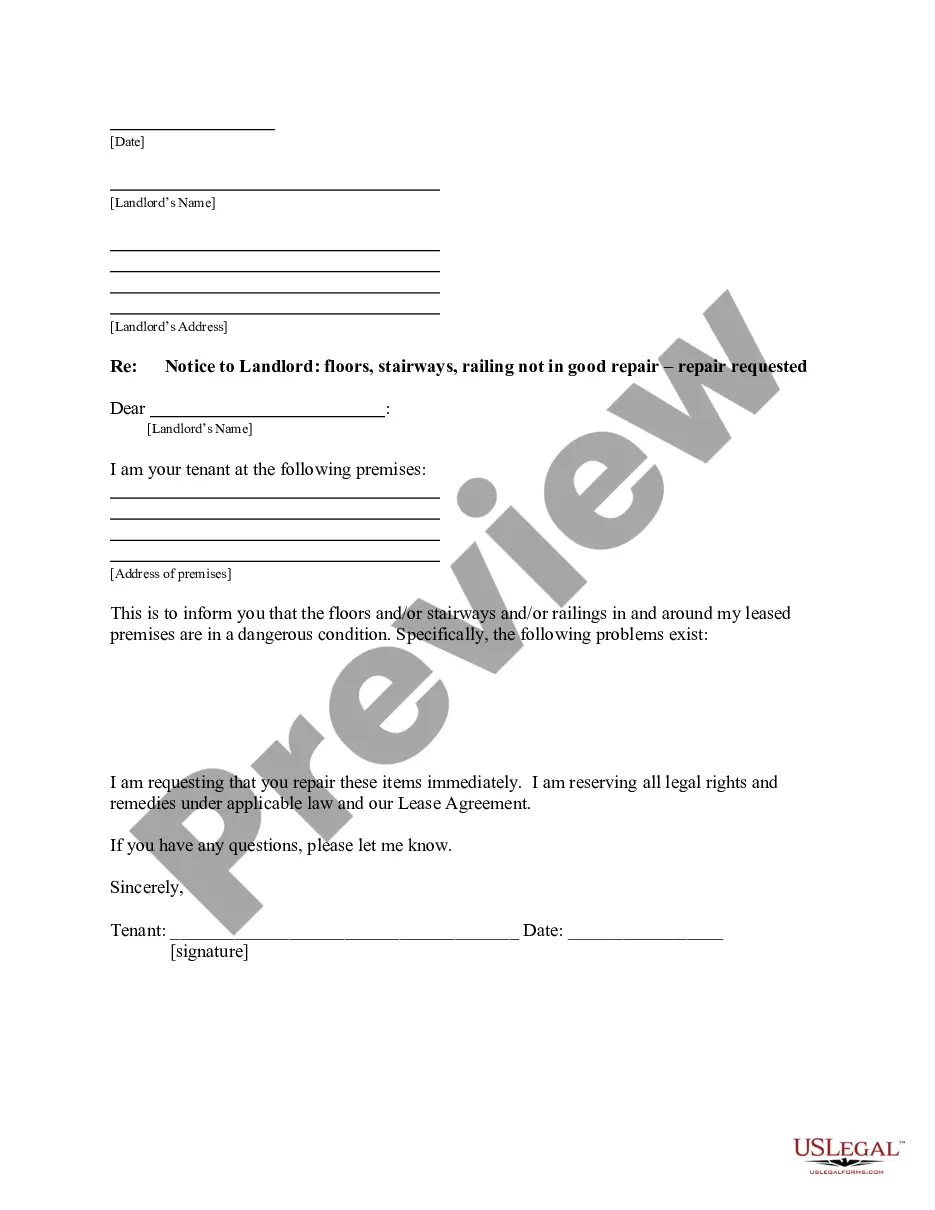
Tenant Letter For Damages
Description



Get your form ready online
Our built-in tools help you complete, sign, share, and store your documents in one place.
Make edits, fill in missing information, and update formatting in US Legal Forms—just like you would in MS Word.
Download a copy, print it, send it by email, or mail it via USPS—whatever works best for your next step.
Sign and collect signatures with our SignNow integration. Send to multiple recipients, set reminders, and more. Go Premium to unlock E-Sign.
If this form requires notarization, complete it online through a secure video call—no need to meet a notary in person or wait for an appointment.
We protect your documents and personal data by following strict security and privacy standards.

Make edits, fill in missing information, and update formatting in US Legal Forms—just like you would in MS Word.

Download a copy, print it, send it by email, or mail it via USPS—whatever works best for your next step.

Sign and collect signatures with our SignNow integration. Send to multiple recipients, set reminders, and more. Go Premium to unlock E-Sign.

If this form requires notarization, complete it online through a secure video call—no need to meet a notary in person or wait for an appointment.

We protect your documents and personal data by following strict security and privacy standards.
Looking for another form?
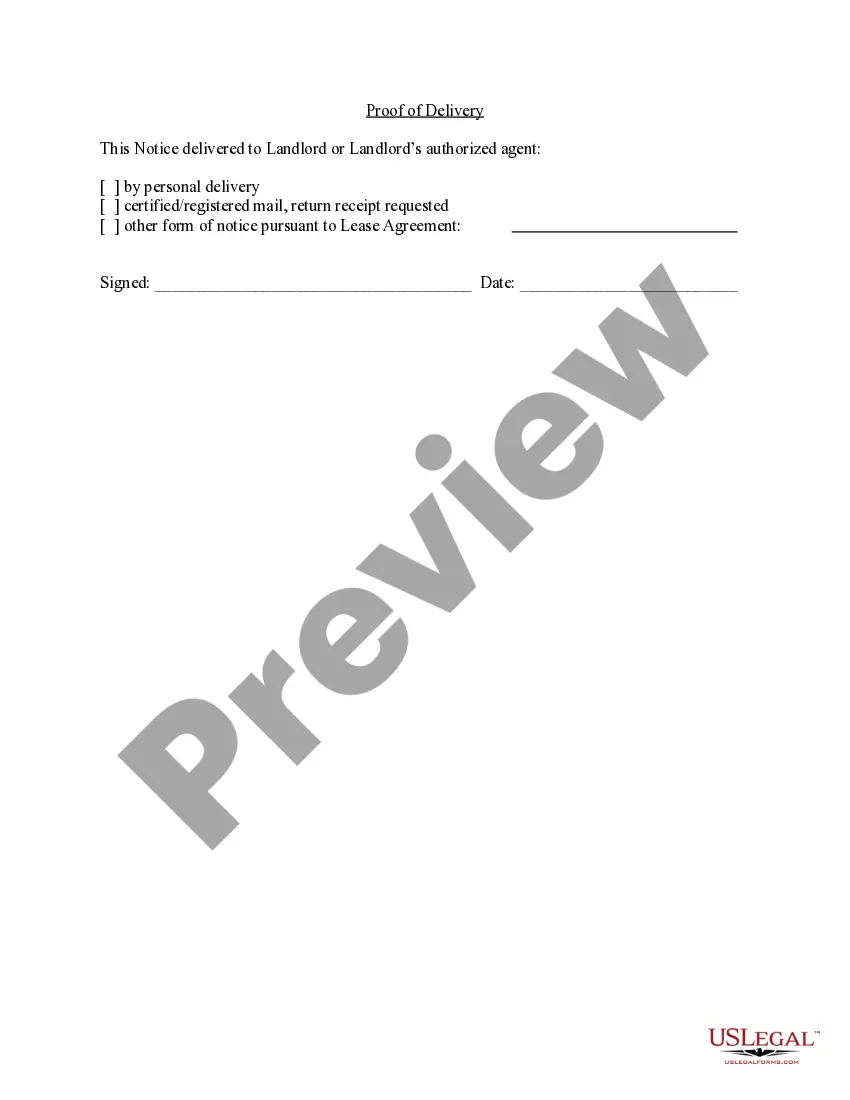
How to fill out Tennessee Letter From Tenant To Landlord With Demand That Landlord Repair Floors, Stairs Or Railings?
- Begin by logging into your existing US Legal Forms account. Ensure your subscription is active; if not, renew as needed.
- If you're new to the service, start by checking the Preview mode for the tenant letter for damages template to verify it aligns with legal requirements in your state.
- Should you need a different document, utilize the Search feature to find the appropriate template that suits your needs.
- Once you find the correct letter, click the Buy Now button and select your desired subscription plan.
- Complete your purchase by entering your payment details, either through credit card or PayPal.
- Finally, download your tenant letter for damages and save it to your device. You can access it later under the My Forms section of your account.
In conclusion, creating a tenant letter for damages doesn't have to be complicated, thanks to US Legal Forms. Their extensive library and expert assistance ensure that you can produce accurate and legally sound documents effortlessly.
Ready to get started? Visit US Legal Forms today and equip yourself with the necessary legal documents for your rental needs.
Form popularity
FAQ
If you cause damage to a rental, your landlord may hold you accountable for repairs. Typically, you will receive a tenant letter for damages detailing the costs and nature of the damage. It is essential to address this letter promptly to maintain a good relationship with your landlord. Additionally, using a tenant letter for damages from USLegalForms can help you communicate effectively and ensure that all agreements are clear.
Yes, landlords typically need to show proof of damages when they intend to deduct costs from a tenant's security deposit. This proof can include photographs, repair bills, or a detailed tenant letter for damages that outlines the issues. Having solid evidence not only supports the landlord's claims but also helps maintain transparency and trust with tenants. If you are a tenant facing such a situation, consider using US Legal Forms to create a clear tenant letter for damages to respond effectively.
An example of a property damage demand letter includes a clear statement of the damages, an itemized list of repair costs, and a reasonable deadline for payment. This tenant letter for damages should maintain a professional tone while explaining the issues that need to be addressed. By including relevant information, such as photographs of the damage and lease agreement references, landlords can strengthen their case. For those looking to create an effective letter, uSlegalforms offers templates that ensure all necessary components are included.
A letter of demand for damages is a written document that requests compensation for losses or repairs needed due to a tenant's actions. This tenant letter for damages specifies the nature of the losses and provides details about the required compensation. Sending a letter of demand is a crucial step in the process of recovering costs, as it demonstrates the seriousness of the situation. This approach often encourages tenants to respond and come to a resolution quickly.
A demand letter for damages to a tenant is a formal request sent by a landlord to a tenant, detailing the damages incurred to the property. This type of tenant letter for damages outlines the specific issues that need to be addressed, along with any costs associated with repairs. It serves as an important communication tool to resolve disputes amicably. By using a demand letter, landlords can clearly convey their expectations and establish a timeline for addressing the damages.
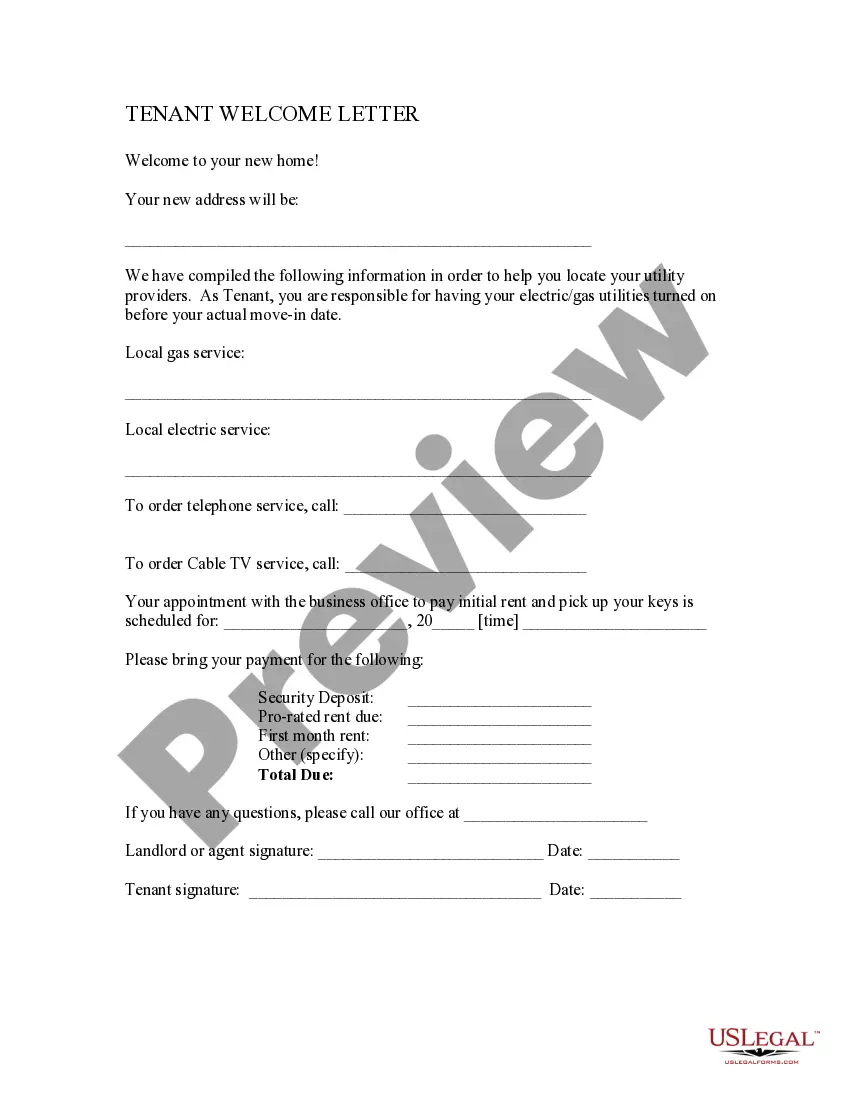
An example of a tenant letter for damages includes a friendly yet firm tone while outlining the specific damages incurred. Begin with a header that includes the date and your address, followed by the tenant's details. Clearly state the damage, explain your concerns, and request repairs or compensation. This not only communicates your message effectively but also establishes a documented record of your request.
Deciding whether to pursue legal action against a tenant for damages often depends on the extent of the damage and the costs involved. Suing may be worth it if the damages significantly exceed your expectations or cause financial strain. However, consider the time and resources involved in legal proceedings, as well as the relationship you may have with the tenant. A tenant letter for damages could be a more effective first step in resolving the issue.
When writing a tenant letter for damages, start by detailing your concerns in a straightforward manner. Include the items or areas that require repair, and explain how they impact your living situation. It’s important to set a reasonable deadline for repairs and express your expectation for a prompt resolution. This approach demonstrates professionalism and reinforces your rights as a tenant.
To write a tenant letter for damages, clearly state the issue you are addressing. Begin with the date and your contact information, followed by the landlord's details. Describe the damage and specify the repairs needed, maintaining a polite tone throughout the letter. Finally, request a timely response to ensure that the matter is resolved quickly.