Tennessee Contractor Withholding
Description
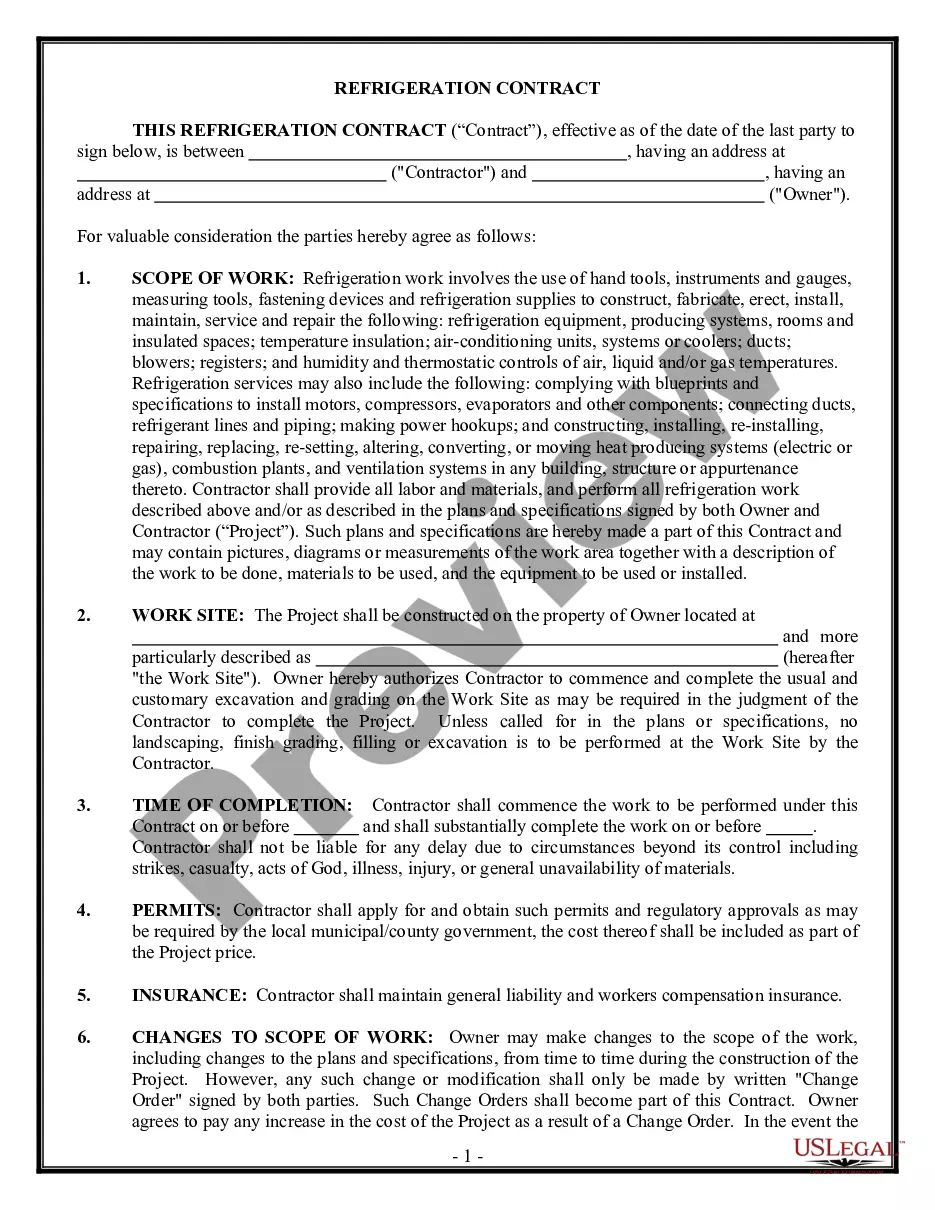
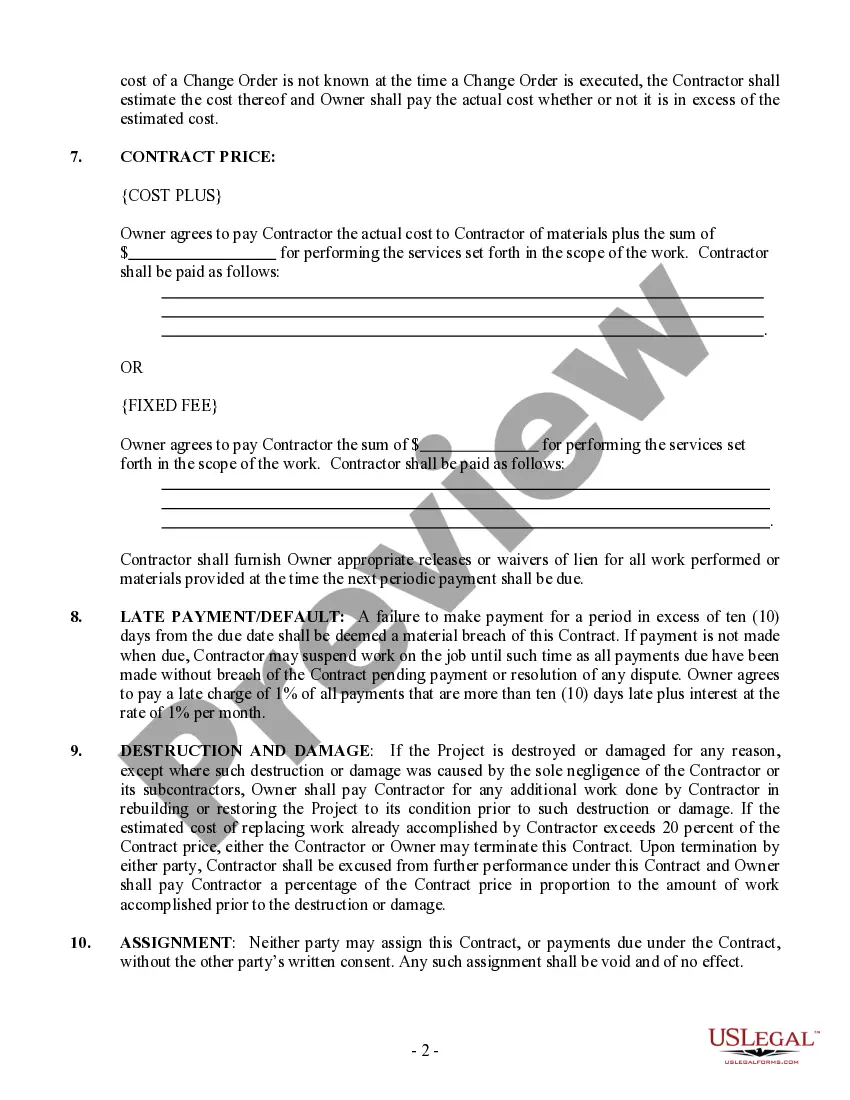
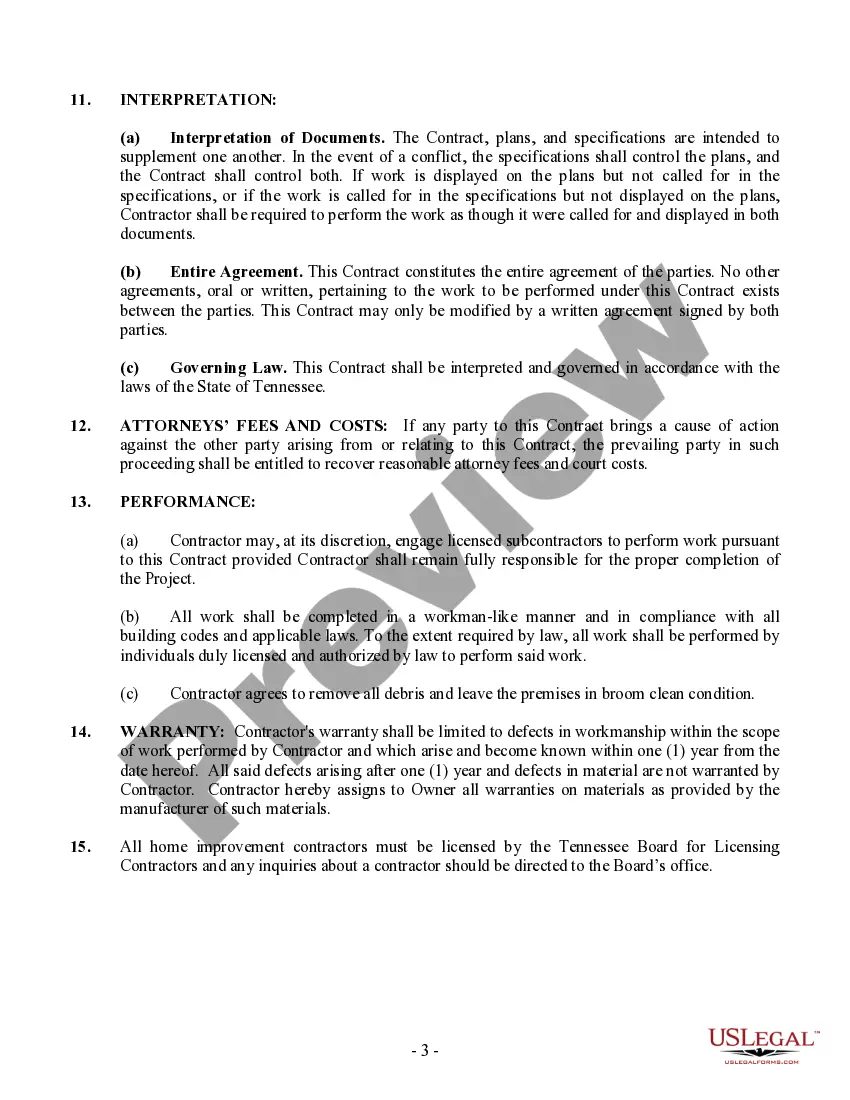
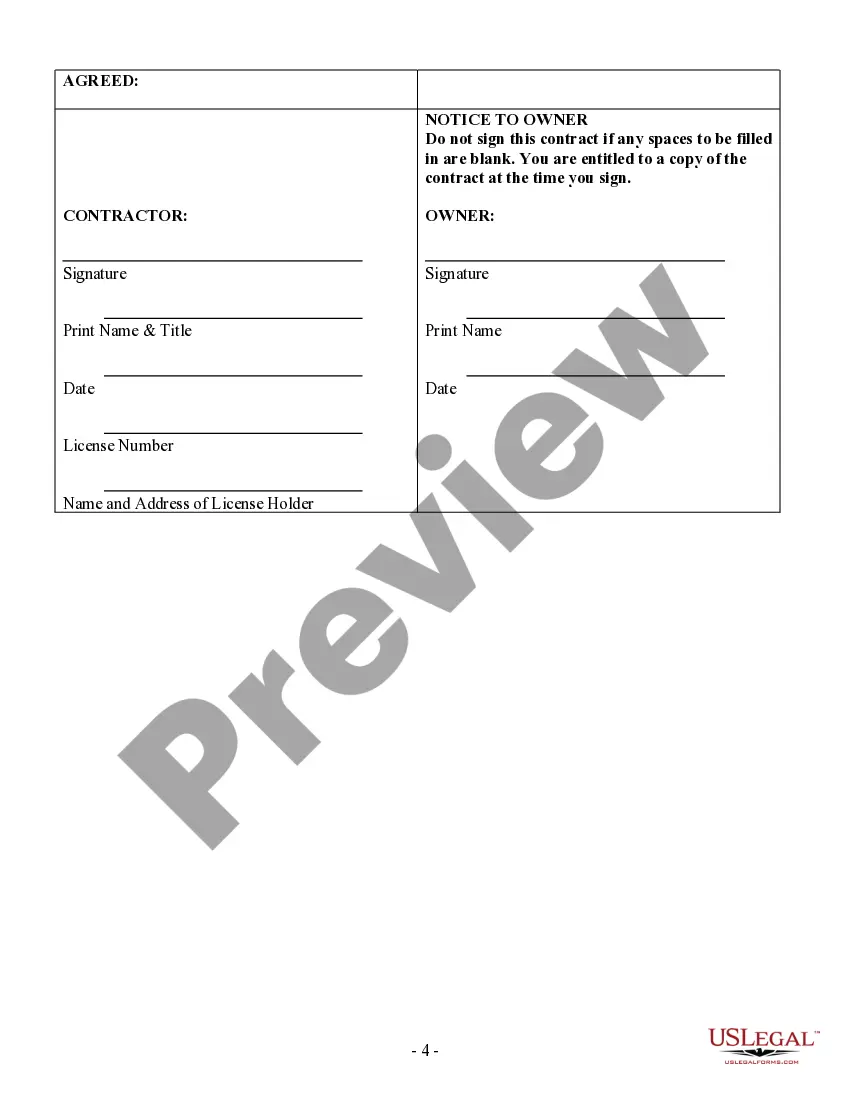
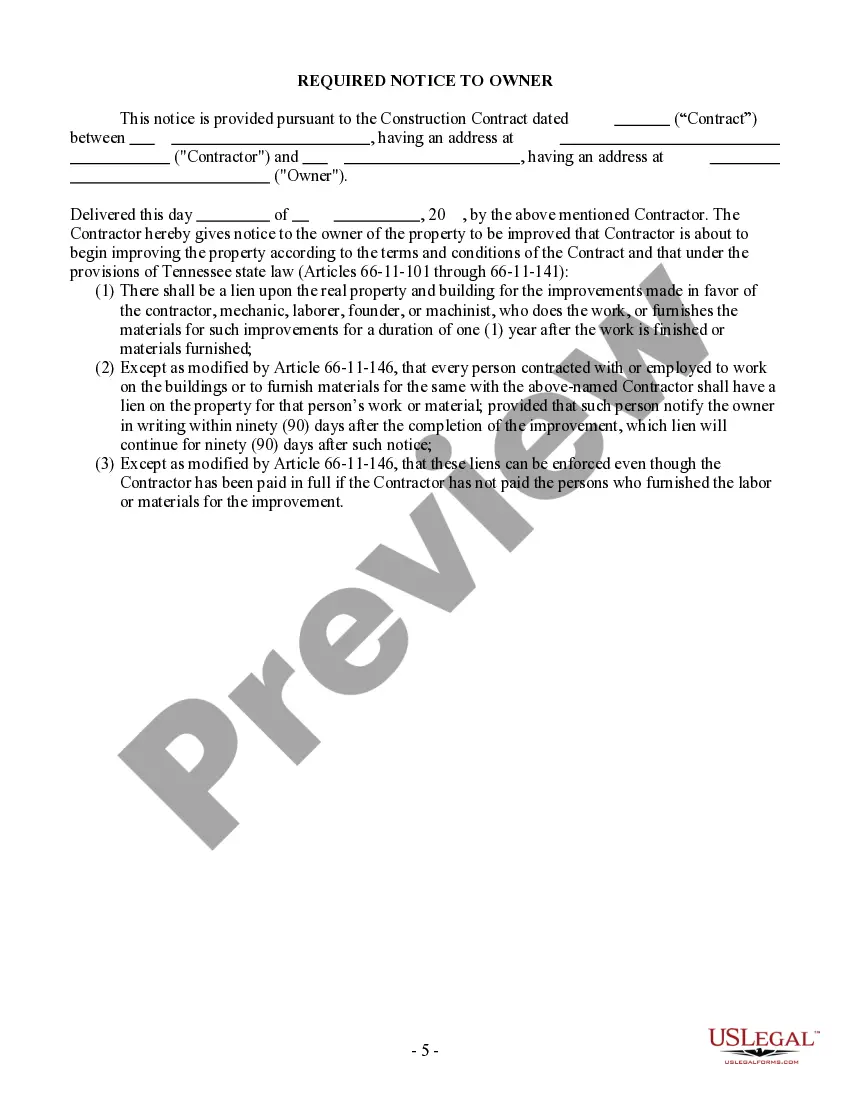
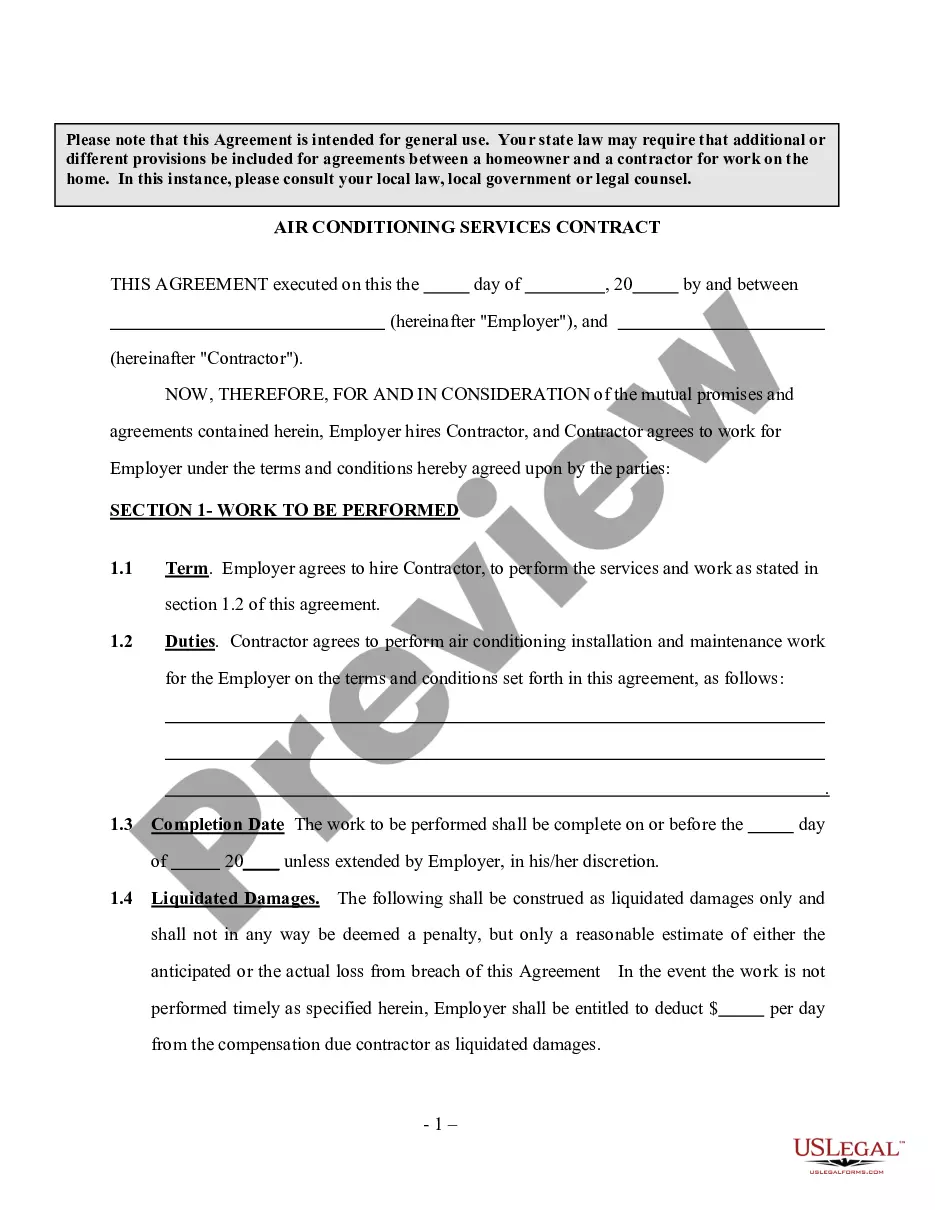
Get your form ready online
Our built-in tools help you complete, sign, share, and store your documents in one place.
Make edits, fill in missing information, and update formatting in US Legal Forms—just like you would in MS Word.
Download a copy, print it, send it by email, or mail it via USPS—whatever works best for your next step.
Sign and collect signatures with our SignNow integration. Send to multiple recipients, set reminders, and more. Go Premium to unlock E-Sign.
If this form requires notarization, complete it online through a secure video call—no need to meet a notary in person or wait for an appointment.
We protect your documents and personal data by following strict security and privacy standards.

Make edits, fill in missing information, and update formatting in US Legal Forms—just like you would in MS Word.

Download a copy, print it, send it by email, or mail it via USPS—whatever works best for your next step.

Sign and collect signatures with our SignNow integration. Send to multiple recipients, set reminders, and more. Go Premium to unlock E-Sign.

If this form requires notarization, complete it online through a secure video call—no need to meet a notary in person or wait for an appointment.

We protect your documents and personal data by following strict security and privacy standards.
Looking for another form?

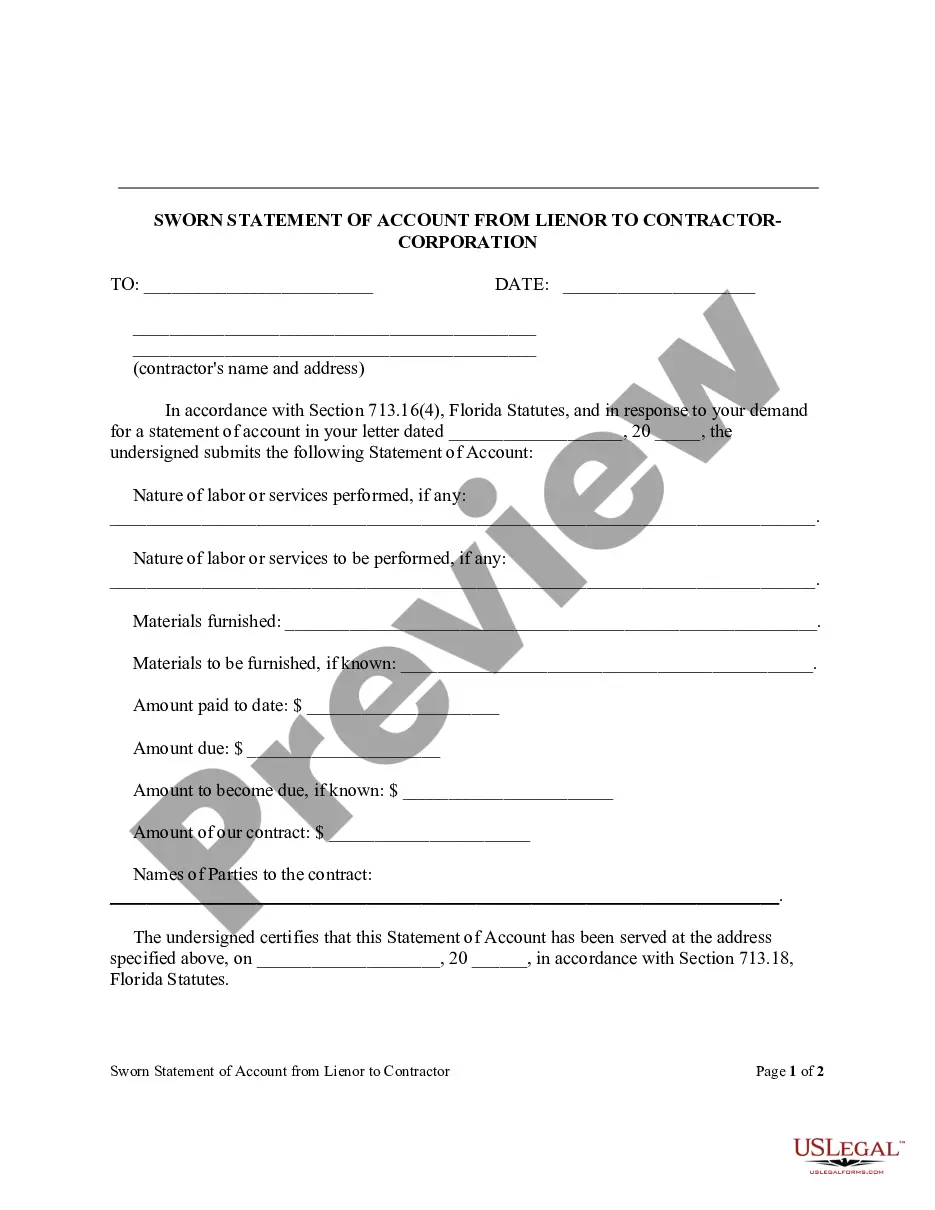








How to fill out Tennessee Refrigeration Contract For Contractor?
Regardless of whether you frequently handle documentation or occasionally need to submit a legal file, it is crucial to have a resource where all the samples are interconnected and current.
The initial action you should take with a Tennessee Contractor Withholding is to verify that you possess the latest version, as it determines its submittability.
If you desire to streamline your search for the most recent document examples, look for them on US Legal Forms.
Avoid the hassle of managing legal documents. All your templates will be organized and validated with a US Legal Forms account.
- US Legal Forms is a collection of legal documents that includes nearly every sample you may seek.
- Look for the templates you need, assess their relevance instantly, and learn more about their applications.
- With US Legal Forms, you gain access to over 85,000 document templates across various sectors.
- Discover the Tennessee Contractor Withholding samples in just a few clicks and retain them at any moment in your account.
- A US Legal Forms account enables you to access all necessary samples more conveniently and with reduced hassle.
- You simply need to click Log In in the header of the site and navigate to the My documents section where all the forms you need are readily available, saving you time spent searching for the ideal template or verifying its authenticity.
- To acquire a form without an account, follow these instructions.
Form popularity
FAQ
Can I withhold taxes for an independent contractor? In most cases, businesses do not withhold taxes from any payments to an independent contractor. If, however, backup withholding applies, employers may be required to deduct a portion of the individual's earnings and send it to the IRS directly.
Paying Taxes as an Independent Contractor You'll need to file a tax return with the IRS if your net earnings from self-employment are $400 or more. Along with your Form 1040, you'll file a Schedule C to calculate your net income or loss for your business.
You must use either one of two forms, a W-4 or a W-9, depending on whether you are hiring a new employee or an independent contractor. If you are hiring a new employee, you must have that person fill out a W-4 form. If you are hiring an independent contractor, you must have that person complete a W-9 form.
The IRS typically requires independent contractors and sole proprietors to pay estimated taxes quarterly using Form 1040-ES, Estimated Tax for Individuals. This pay-as-you-go approach helps them avoid a large tax bill at the end of the year.
Generally, you must withhold and pay income taxes, social security taxes and Medicare taxes as well as pay unemployment tax on wages paid to an employee. You do not generally have to withhold or pay any taxes on payments to independent contractors.