Power Attorney For Bank Account
Description
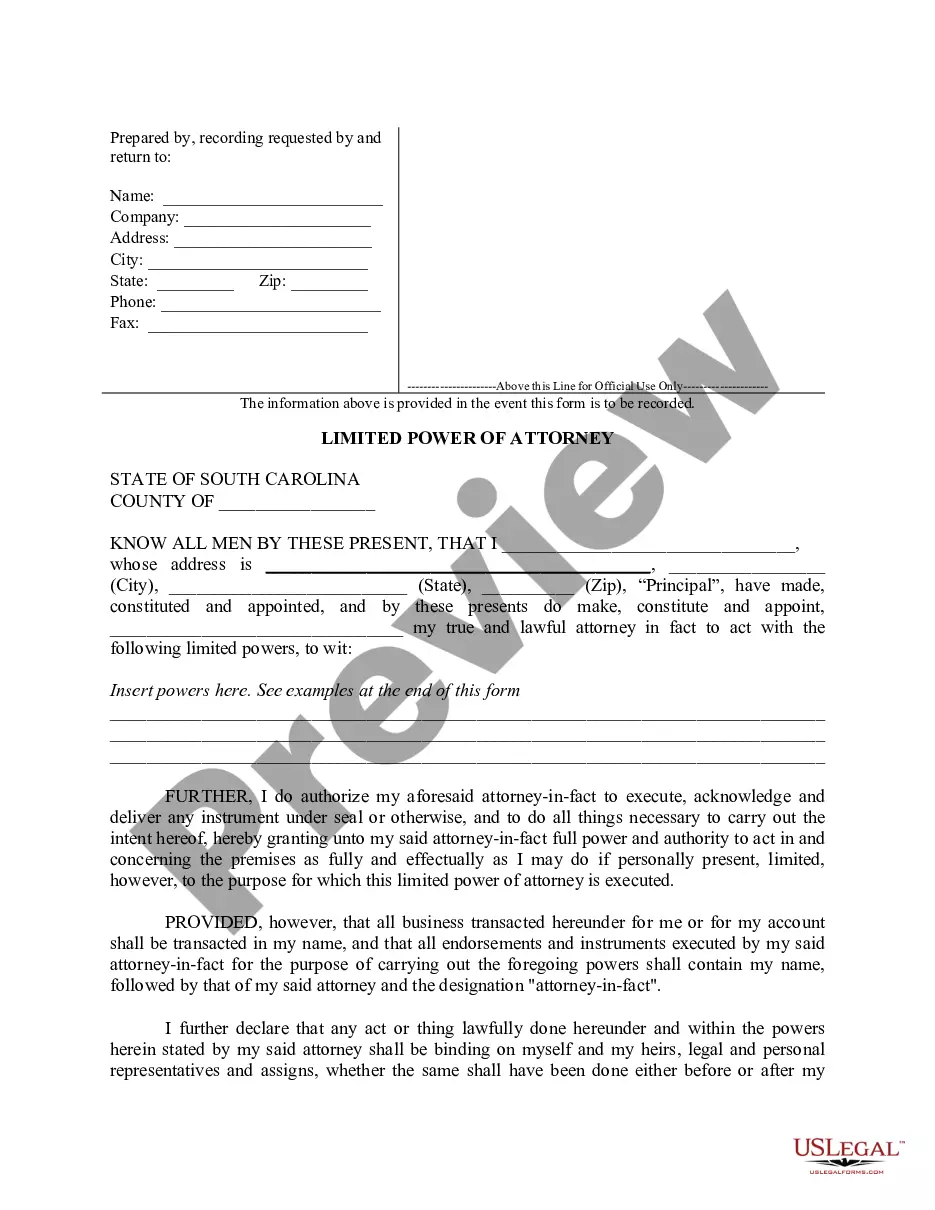
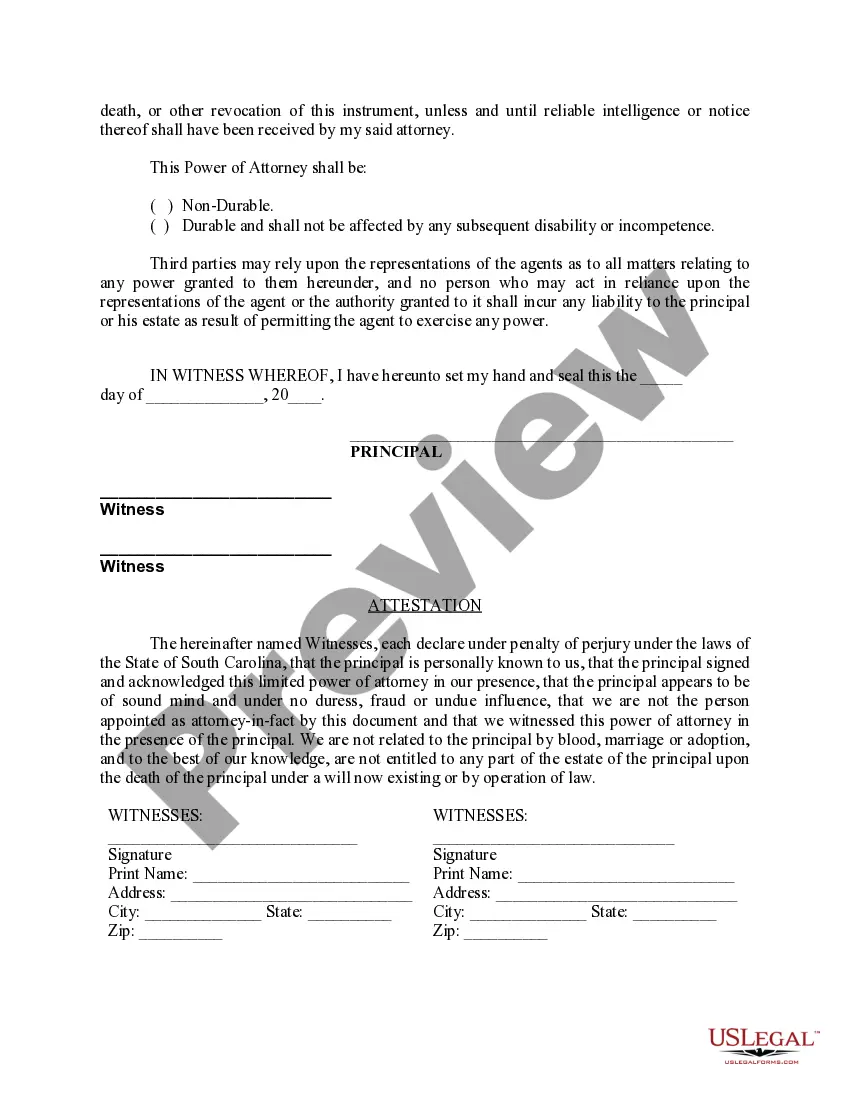
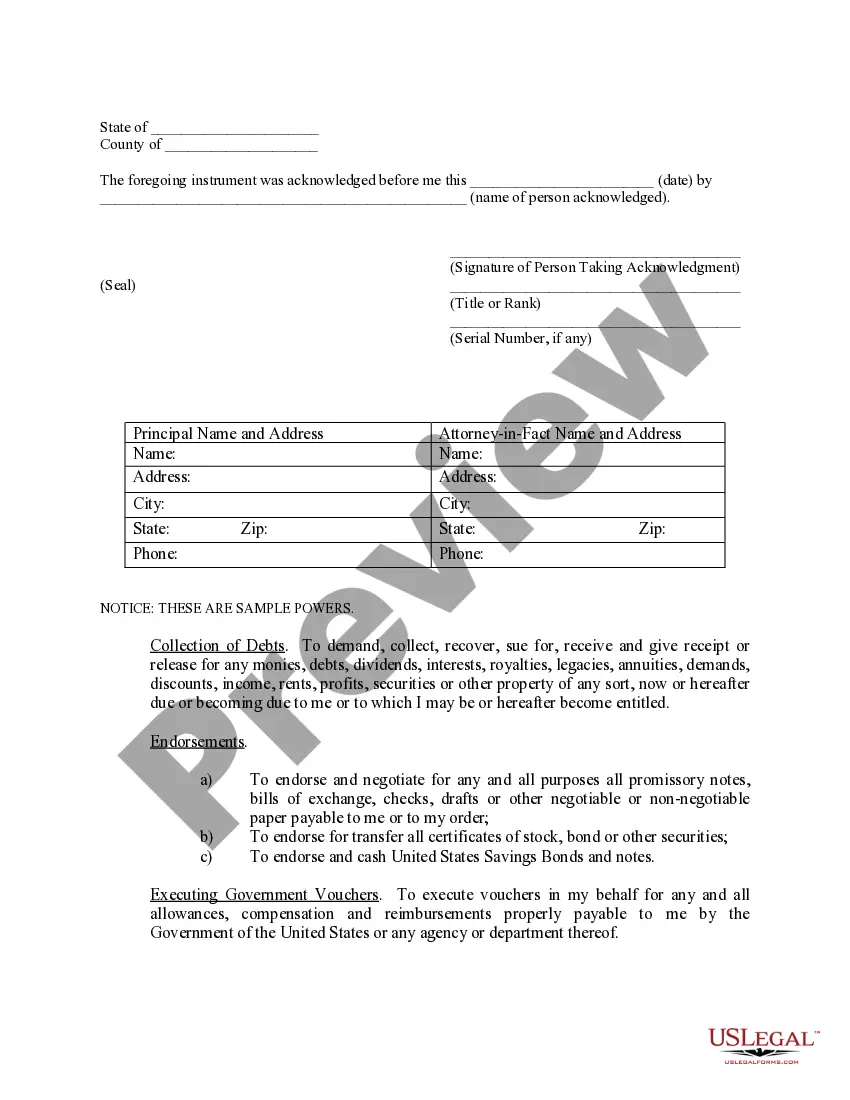
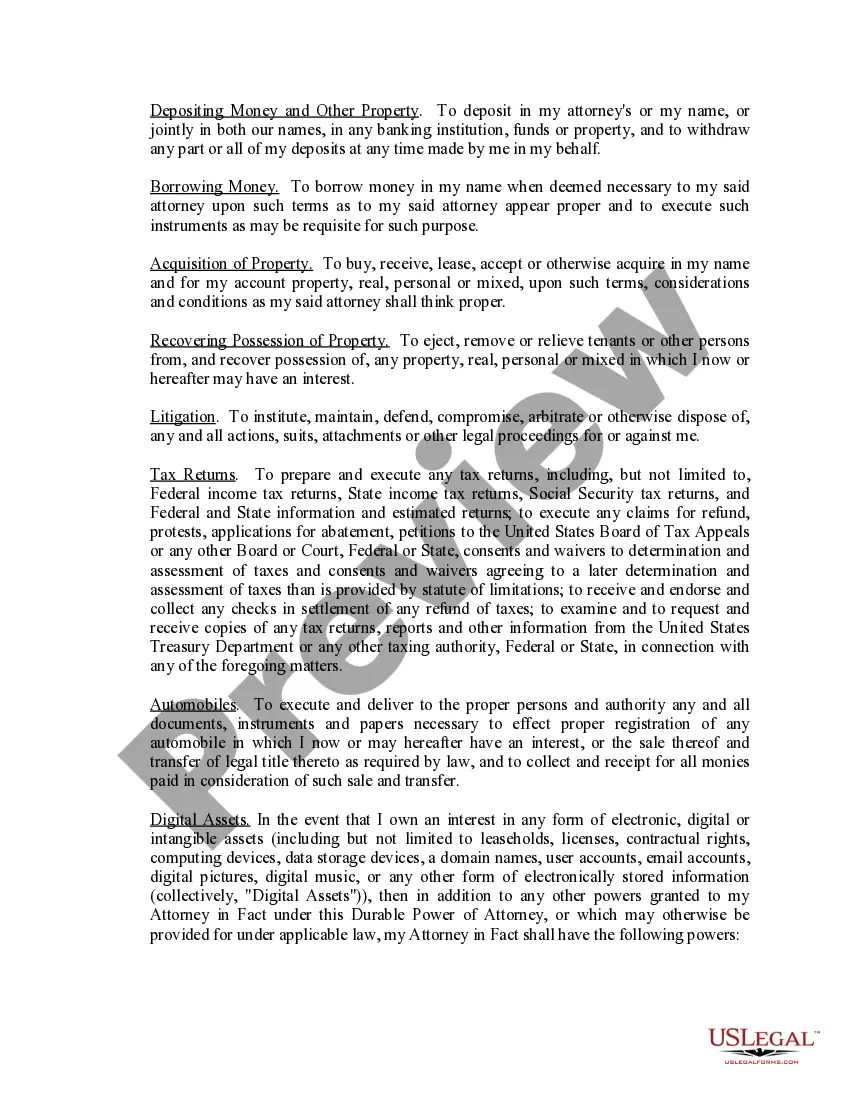
Get your form ready online
Our built-in tools help you complete, sign, share, and store your documents in one place.
Make edits, fill in missing information, and update formatting in US Legal Forms—just like you would in MS Word.
Download a copy, print it, send it by email, or mail it via USPS—whatever works best for your next step.
Sign and collect signatures with our SignNow integration. Send to multiple recipients, set reminders, and more. Go Premium to unlock E-Sign.
If this form requires notarization, complete it online through a secure video call—no need to meet a notary in person or wait for an appointment.
We protect your documents and personal data by following strict security and privacy standards.

Make edits, fill in missing information, and update formatting in US Legal Forms—just like you would in MS Word.

Download a copy, print it, send it by email, or mail it via USPS—whatever works best for your next step.

Sign and collect signatures with our SignNow integration. Send to multiple recipients, set reminders, and more. Go Premium to unlock E-Sign.

If this form requires notarization, complete it online through a secure video call—no need to meet a notary in person or wait for an appointment.

We protect your documents and personal data by following strict security and privacy standards.
Looking for another form?





How to fill out South Carolina Limited Power Of Attorney Where You Specify Powers With Sample Powers Included?
- Log in to your US Legal Forms account or create a new one if this is your first visit.
- Browse through our extensive library and search for 'Power of Attorney for Bank Account' to find the appropriate form.
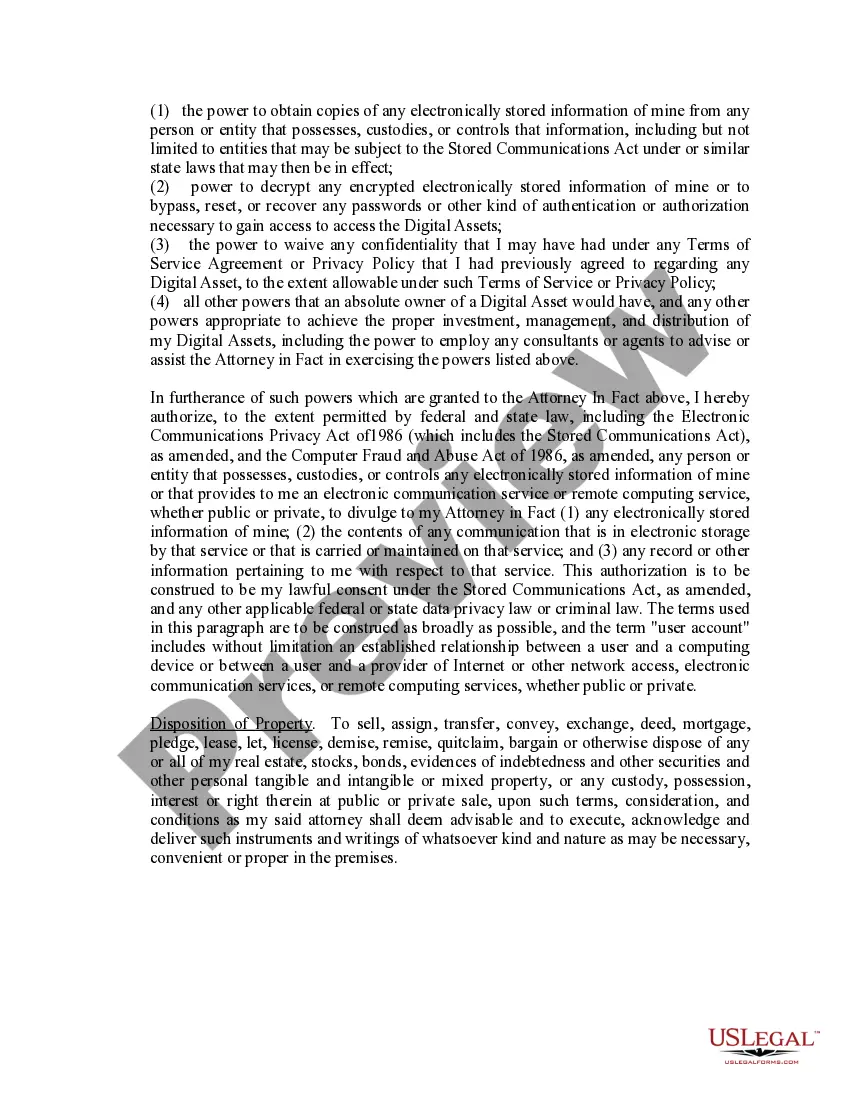
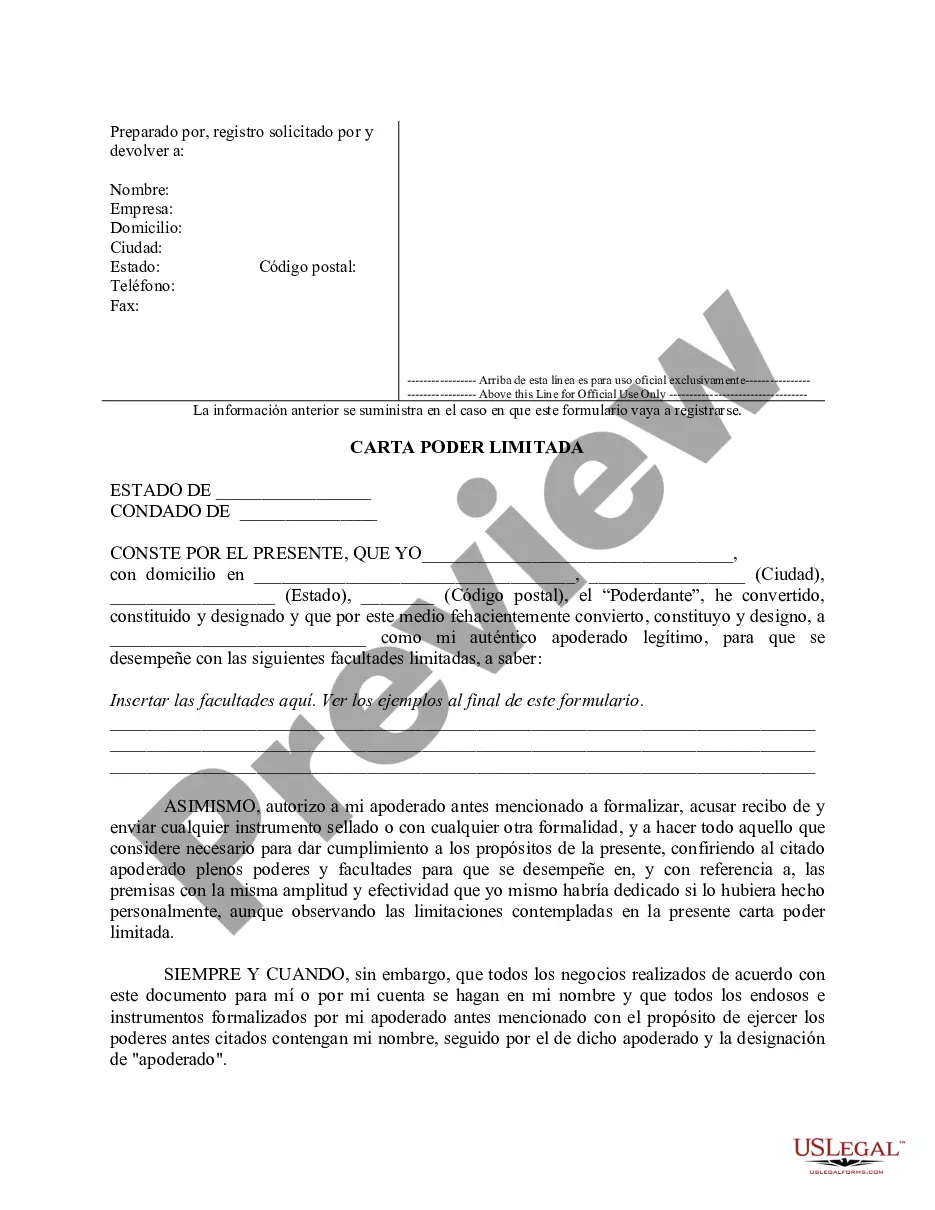
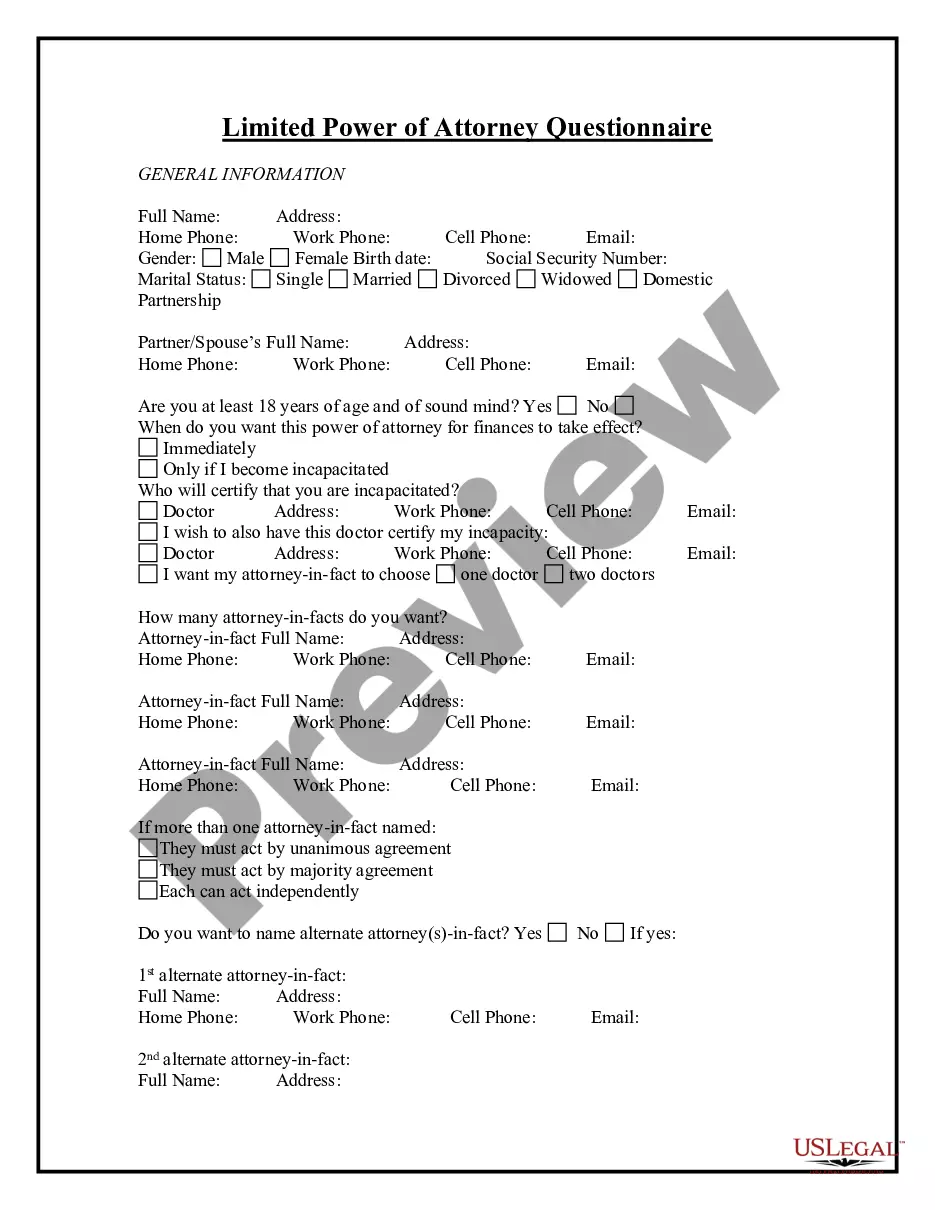
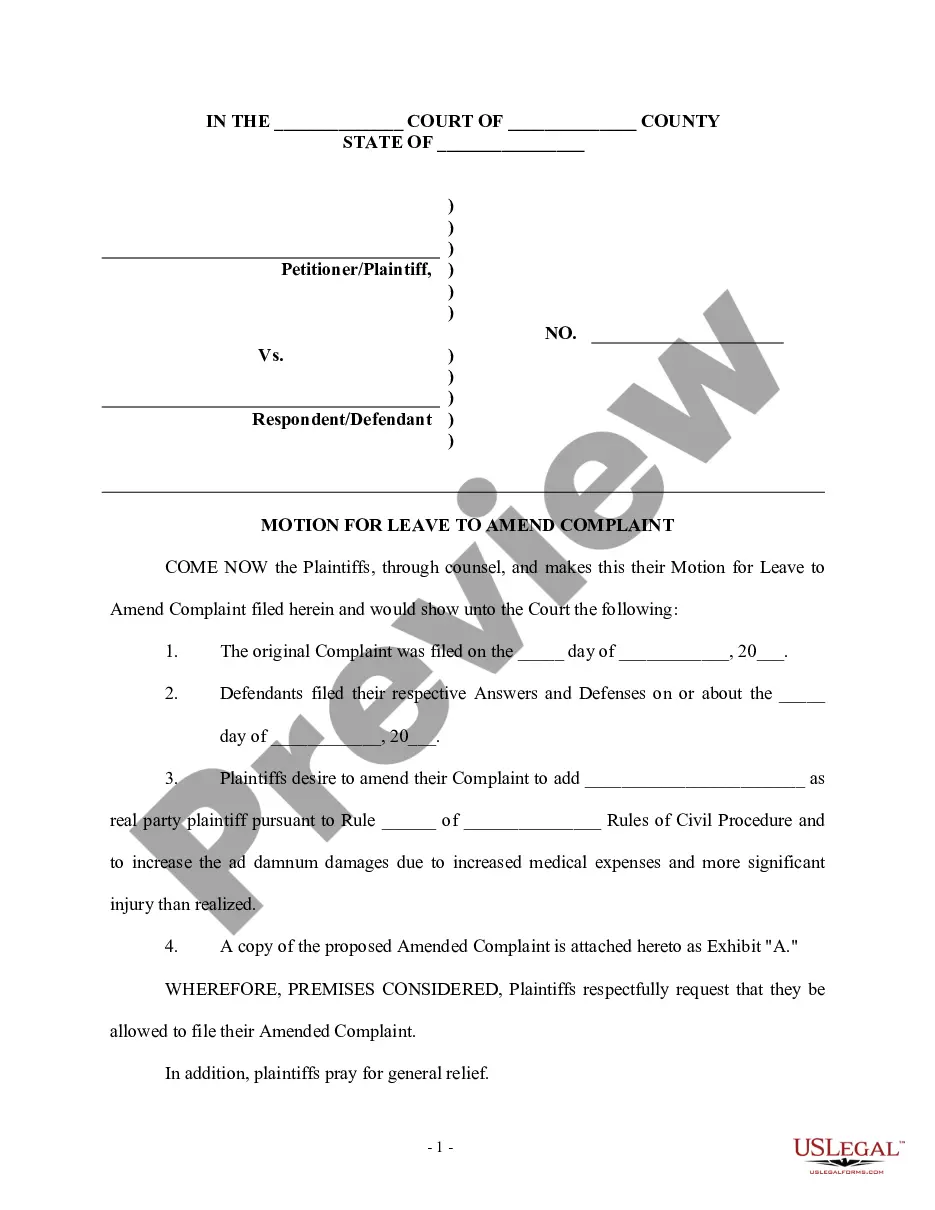
- Preview the form to ensure it meets your specific requirements and complies with your local jurisdiction.
- Select your chosen form and click on the 'Buy Now' button to choose your subscription plan.
- Enter your payment details and complete your purchase to access the form.
- Download the Power of Attorney form to your device, so you can fill it out and manage your bank account effectively.
Once you've downloaded your form, you can easily fill it out and ensure it reflects your wishes for managing your bank account. Remember, with US Legal Forms, you have access to experts who can assist you with any questions you may have during the completion process.
Get started today and empower yourself with the right legal tools. Visit US Legal Forms to simplify your legal document needs!
Form popularity
FAQ
Yes, a Power of Attorney can be added to a bank account, allowing your designated agent to access and manage the account. This is done by submitting the POA documentation directly to your bank. Each bank has its own policies regarding this process, but generally, it is straightforward. By granting POA for your bank account, you ensure that someone you trust can handle your financial affairs when needed.
To activate a Power of Attorney for finances, ensure that the POA document is signed, dated, and notarized according to state laws. You must provide copies of this document to relevant banks or financial institutions where you hold accounts. Once they have the document, your designated agent can begin managing your finances on your behalf. Platforms like uslegalforms can help you create and manage your POA document effectively.
To add someone to your bank account, visit your bank and request to add them as a joint account holder or to grant them POA. You will need personal identification for both individuals involved. The bank may require you to complete specific forms and provide permissions in writing. By adding someone as a POA for your bank account, you allow them to handle financial transactions on your behalf.
To add a Power of Attorney (POA) to your bank account, you typically need to provide your bank with the POA document. This document should clearly state the authority granted to the agent regarding your financial matters. Most banks require you to present this document in person at a branch. Once submitted, the bank will review your POA and typically update their records, allowing your designated agent to manage your account.
Writing a power of attorney letter for a bank account involves a clear structure and specific details. Start by identifying yourself and the person you are granting authority to, along with your respective addresses. Clearly state the powers you are transferring, ensuring it aligns with the requirements of the bank. For assistance in drafting a precise document, uslegalforms offers templates that make this process straightforward.
The time it takes for a bank to approve a power of attorney for a bank account can vary. Typically, it might take a few days to a couple of weeks, depending on the bank's internal processes and the completeness of the submitted documents. It's important to ensure that all required information is clearly provided to speed up the approval. If you're unsure about the procedure, using resources from uslegalforms can streamline your experience.
Banks are meticulous about power of attorney to safeguard against fraud and unauthorized transactions. They need to ensure that the document is legally valid and that the agent acts in the best interests of the account holder. To avoid complications, providing a clear and comprehensive power of attorney for your bank account is essential.
Yes, most banks honor durable power of attorney documents, as long as they comply with state laws. A durable power of attorney remains effective even if the principal becomes incapacitated. However, each bank has its policies, so you should present the document in advance to confirm its acceptance.
In most cases, a power of attorney can add themselves to a checking account if the document allows it. However, the bank may require consent from the account holder or specific language in the power of attorney for the bank account. It’s essential to check with the bank and ensure all requirements are met.
A power of attorney for a bank account allows an agent to manage your finances on your behalf. This arrangement is especially useful if you become unable to make decisions due to illness or travel. The agent can conduct transactions and make withdrawals, provided the bank recognizes the document.