Pennsylvania Estate Form For Sale
Description
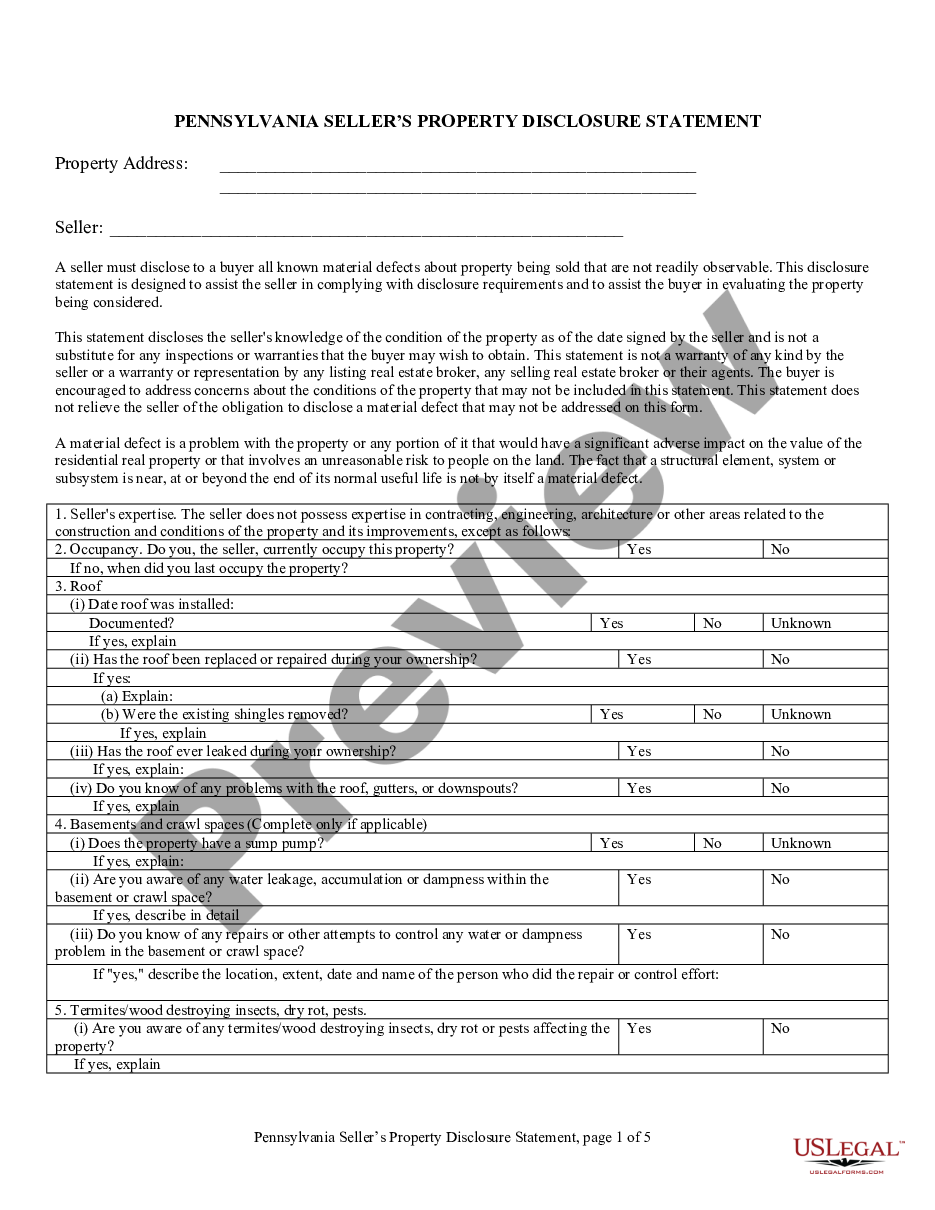
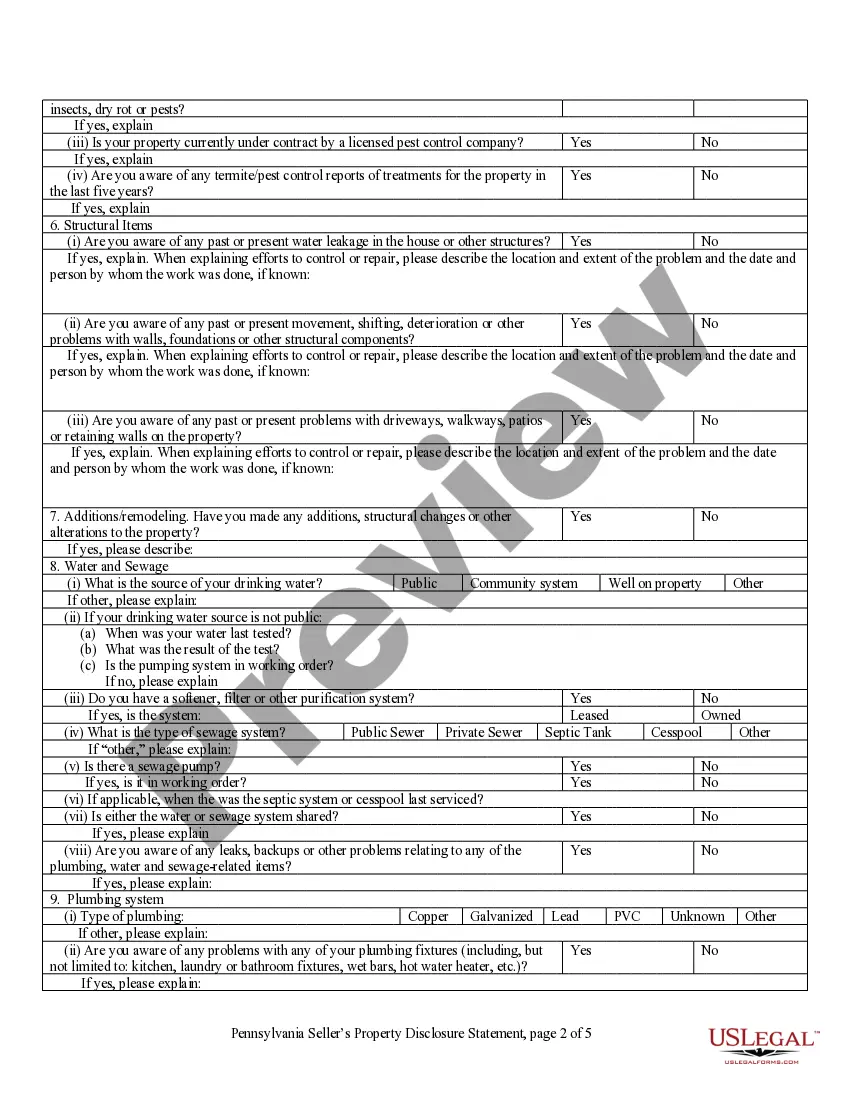
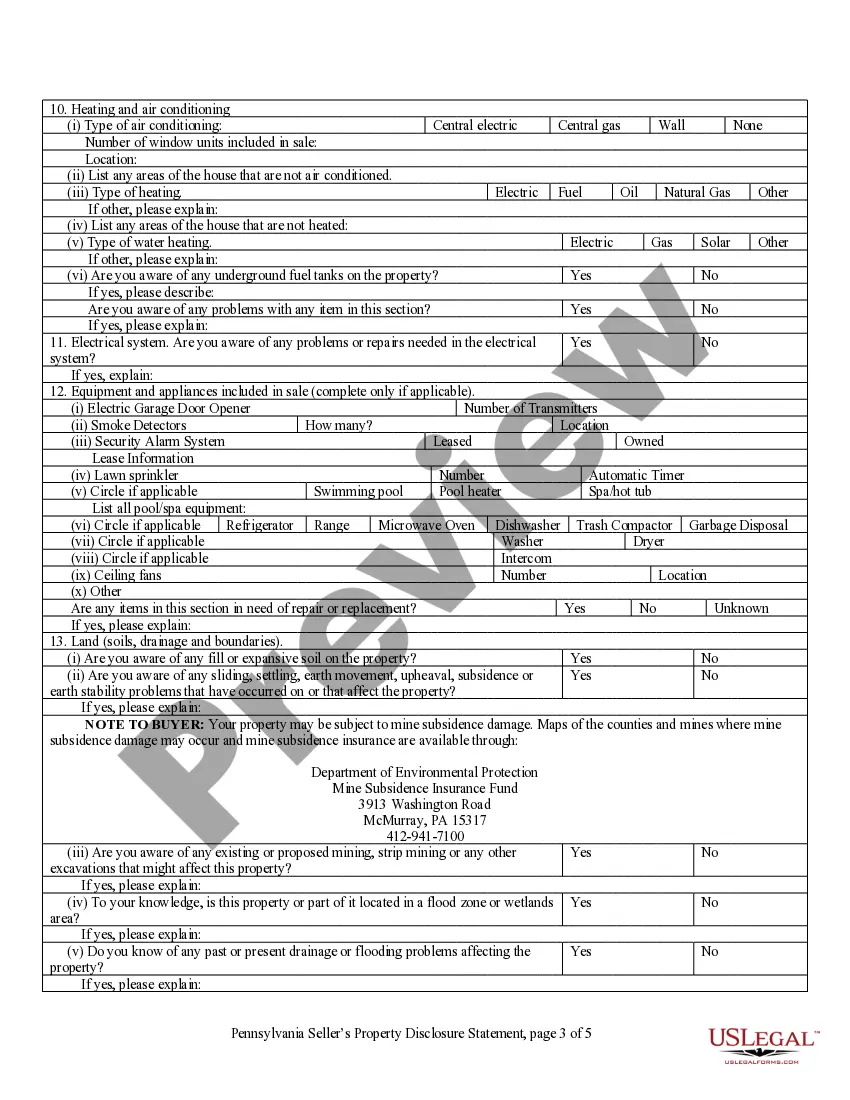
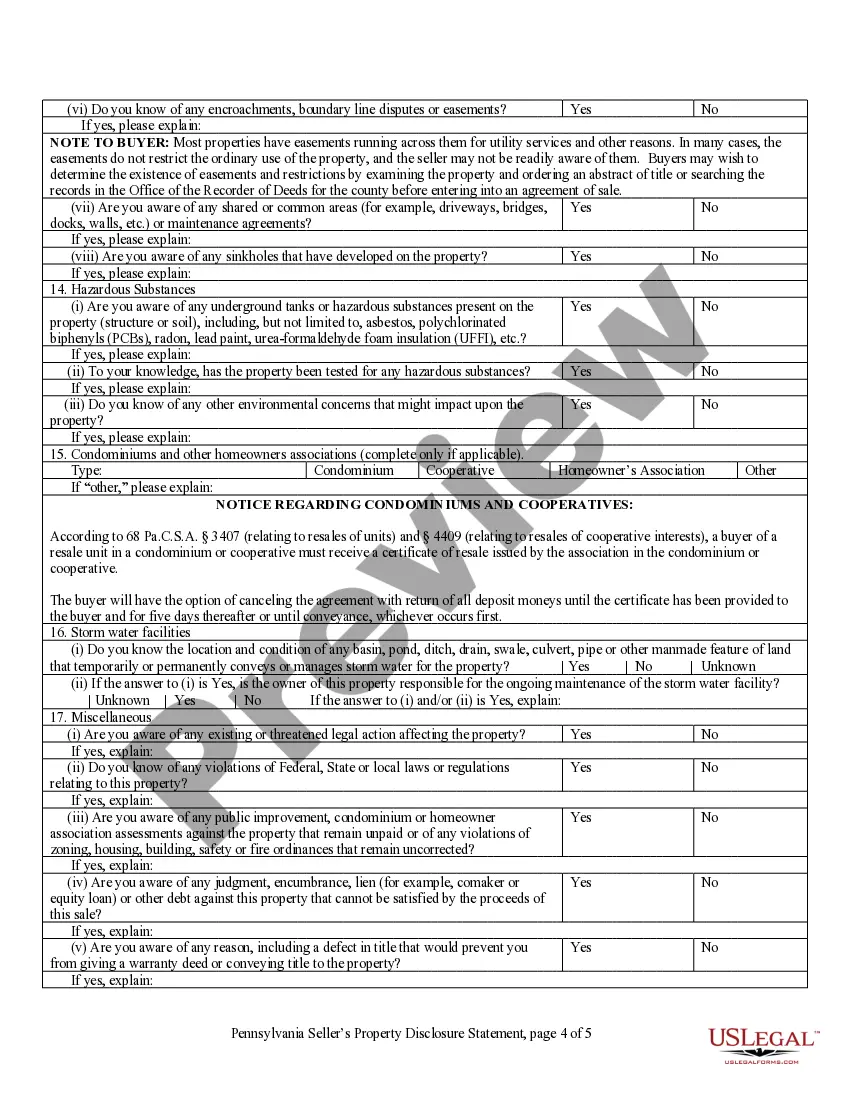
Get your form ready online
Our built-in tools help you complete, sign, share, and store your documents in one place.
Make edits, fill in missing information, and update formatting in US Legal Forms—just like you would in MS Word.
Download a copy, print it, send it by email, or mail it via USPS—whatever works best for your next step.
Sign and collect signatures with our SignNow integration. Send to multiple recipients, set reminders, and more. Go Premium to unlock E-Sign.
If this form requires notarization, complete it online through a secure video call—no need to meet a notary in person or wait for an appointment.
We protect your documents and personal data by following strict security and privacy standards.

Make edits, fill in missing information, and update formatting in US Legal Forms—just like you would in MS Word.

Download a copy, print it, send it by email, or mail it via USPS—whatever works best for your next step.

Sign and collect signatures with our SignNow integration. Send to multiple recipients, set reminders, and more. Go Premium to unlock E-Sign.

If this form requires notarization, complete it online through a secure video call—no need to meet a notary in person or wait for an appointment.

We protect your documents and personal data by following strict security and privacy standards.
Looking for another form?
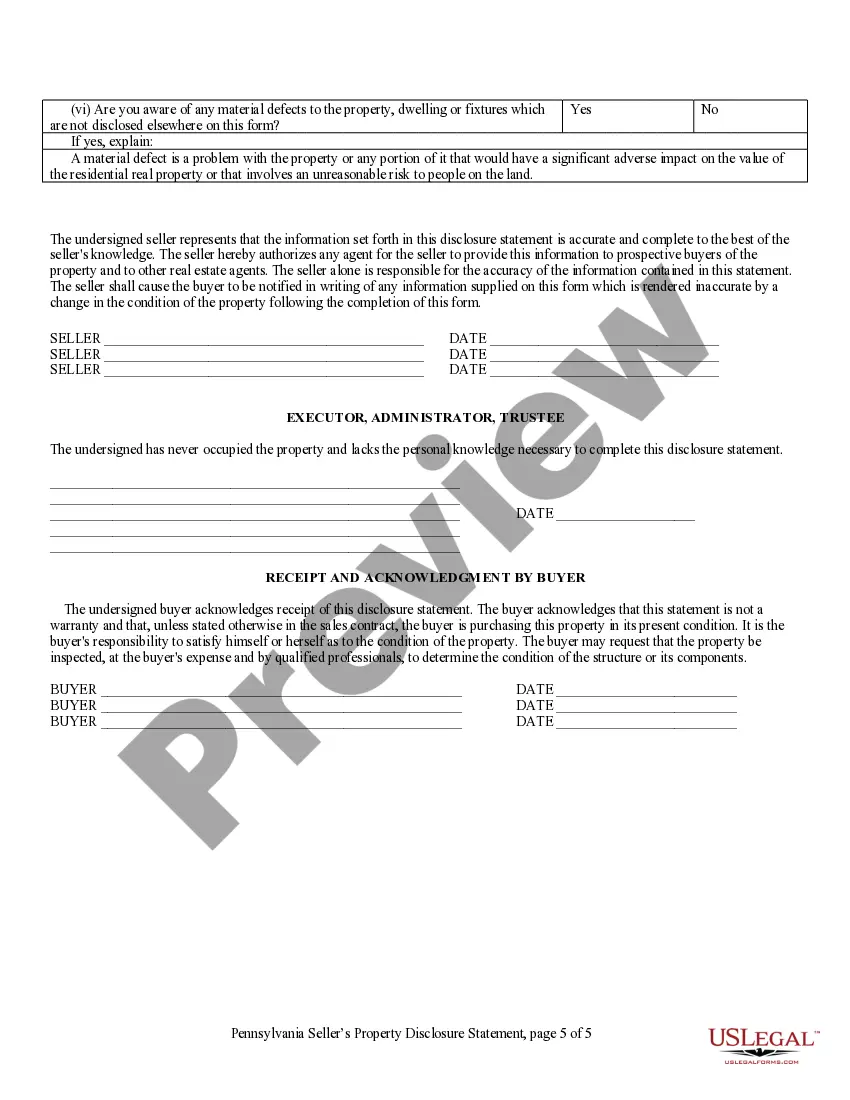
How to fill out Pennsylvania Residential Real Estate Sales Disclosure Statement?
Regardless of whether it is for commercial objectives or personal matters, everyone must face legal circumstances at some point in their lives.
Filling out legal paperwork demands meticulous focus, starting from choosing the suitable form template. For example, if you select an incorrect version of a Pennsylvania Estate Form For Sale, it will be rejected upon submission. Thus, it is crucial to find a trustworthy provider of legal documents such as US Legal Forms.
With an extensive US Legal Forms catalog available, you never have to waste time searching for the correct sample online. Utilize the library’s straightforward navigation to find the right template for any situation.
- Acquire the form you require using the search feature or catalog browsing.
- Review the document’s details to confirm it corresponds to your situation, state, and locality.
- Click on the form’s preview to inspect it.
- If it is the incorrect document, return to the search tool to find the Pennsylvania Estate Form For Sale sample you require.
- Obtain the template if it satisfies your criteria.
- If you already possess a US Legal Forms account, simply click Log in to access previously stored documents in My documents.
- In case you do not have an account yet, you can download the form by clicking Buy now.
- Select the appropriate pricing option.
- Complete the account registration form.
- Choose your payment method: you can use a credit card or PayPal account.
- Select the file format you prefer and download the Pennsylvania Estate Form For Sale.
- Once it is saved, you can fill out the form using editing software or print it and complete it manually.
Form popularity
FAQ
In Pennsylvania, you do not necessarily need an attorney to transfer a deed; however, having one can simplify the process. An attorney can ensure that all legal requirements are met and that the transfer is executed correctly. If you choose to handle it yourself, consider using a Pennsylvania estate form for sale to streamline the process. This form can guide you through the necessary steps and help avoid potential pitfalls.
The PA Rev 1500 form must be filed by the estates or trusts that have income taxable in Pennsylvania. If you are managing an estate and have sold property using a Pennsylvania estate form for sale, you may be required to submit this form. Additionally, any estate that has a taxable income exceeding certain thresholds must file. This requirement ensures that all taxable income is reported correctly, protecting you from potential penalties.
To report an estate sale on your tax return, you should first determine if the estate is subject to federal estate tax. If applicable, use the Pennsylvania estate form for sale to document the sale of assets. You will report any income generated from the sale on the estate's income tax return, ensuring all necessary deductions are accounted for. This process helps maintain compliance with tax obligations while maximizing benefits for the estate.
Closing out an estate in Pennsylvania involves several steps. Begin by filing the appropriate Pennsylvania estate form for sale and notifying all interested parties. You will also need to settle any outstanding debts and distribute the remaining assets. Once these tasks are completed, you can submit the final report to the Orphans' Court to officially close the estate.
(a) An agreement of sale, other than for a cemetery lot, mausoleum or cremation space or opening, shall contain: (1) The date of the agreement. (2) The names of the buyer and seller. (3) A description of the property and the interest to be conveyed.
When selling real estate in Pennsylvania, you must pay federal capital gains tax. The IRS defines two types of capital gains: short-term and long-term. If you own the property for one year or less before selling, it is a short-term capital gain. If you've held it for over a year, it's long-term.
Some transactions are exempt from Transfer Tax. Some examples would be conveyances between husband and wife, parents and child, grandparent and grandchild, brothers and sisters. A one-time transfer is allowed between former spouses. Other exemptions are allowed in certain situations.
Pennsylvania Real Estate Purchase Agreement Also known as a property sales agreement, this document has been designed to document both the buyer and seller consent on the terms and obligations that both parties must comply with when selling/buying a property.
The tax is usually split evenly between the buyer and the seller, but this is not a legal requirement. The City has the right to collect 100% of the tax from either party, so it's in the best interest of the buyer to make sure the tax is paid in full at the closing of the sale.