Pennsylvania Estate Document For Death
Description
Get your form ready online
Our built-in tools help you complete, sign, share, and store your documents in one place.
Make edits, fill in missing information, and update formatting in US Legal Forms—just like you would in MS Word.
Download a copy, print it, send it by email, or mail it via USPS—whatever works best for your next step.
Sign and collect signatures with our SignNow integration. Send to multiple recipients, set reminders, and more. Go Premium to unlock E-Sign.
If this form requires notarization, complete it online through a secure video call—no need to meet a notary in person or wait for an appointment.
We protect your documents and personal data by following strict security and privacy standards.

Make edits, fill in missing information, and update formatting in US Legal Forms—just like you would in MS Word.

Download a copy, print it, send it by email, or mail it via USPS—whatever works best for your next step.

Sign and collect signatures with our SignNow integration. Send to multiple recipients, set reminders, and more. Go Premium to unlock E-Sign.

If this form requires notarization, complete it online through a secure video call—no need to meet a notary in person or wait for an appointment.

We protect your documents and personal data by following strict security and privacy standards.
Looking for another form?

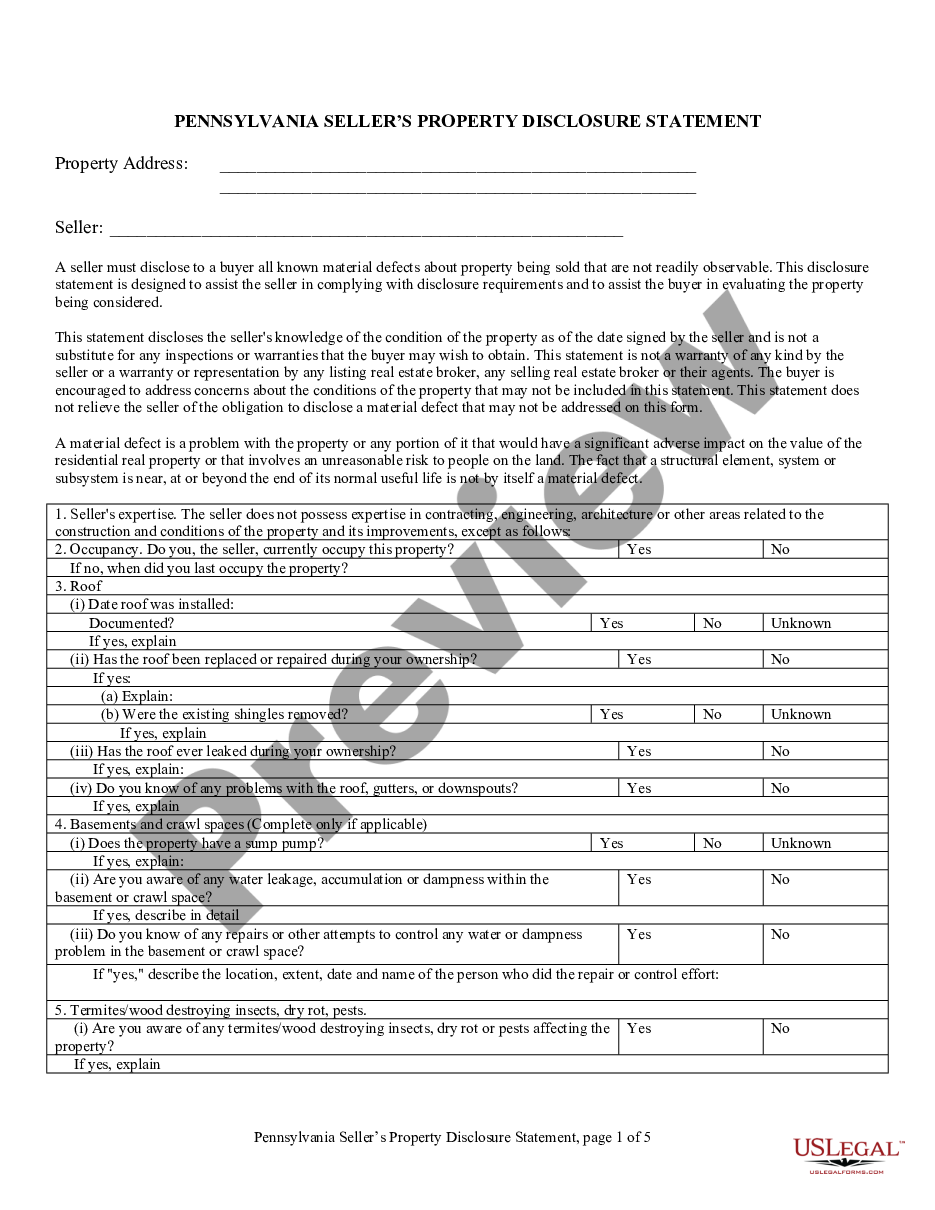
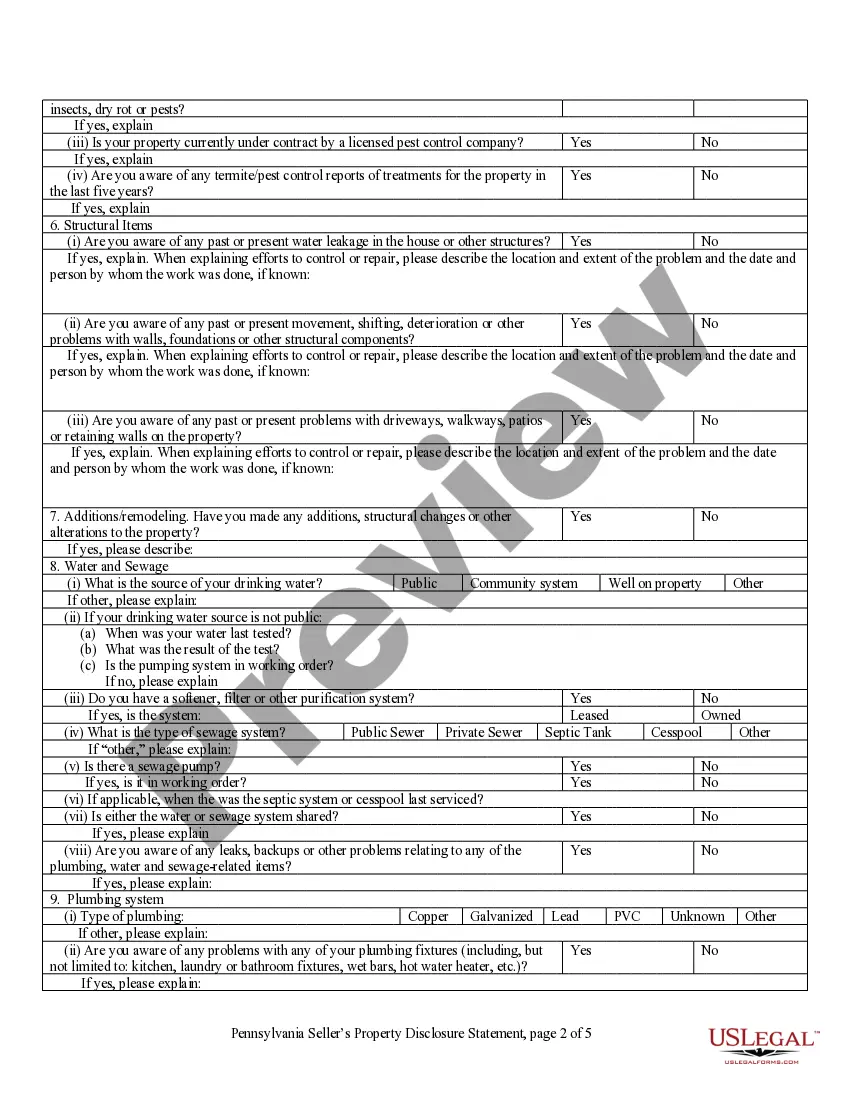
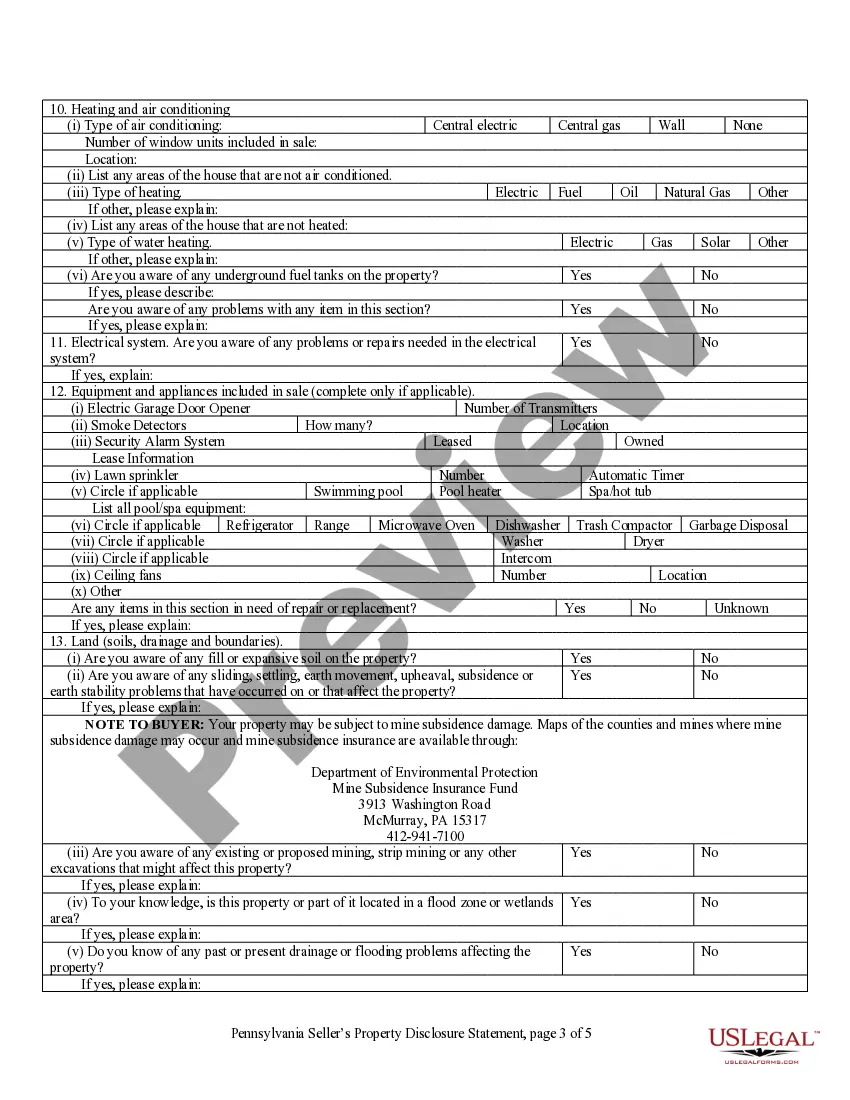
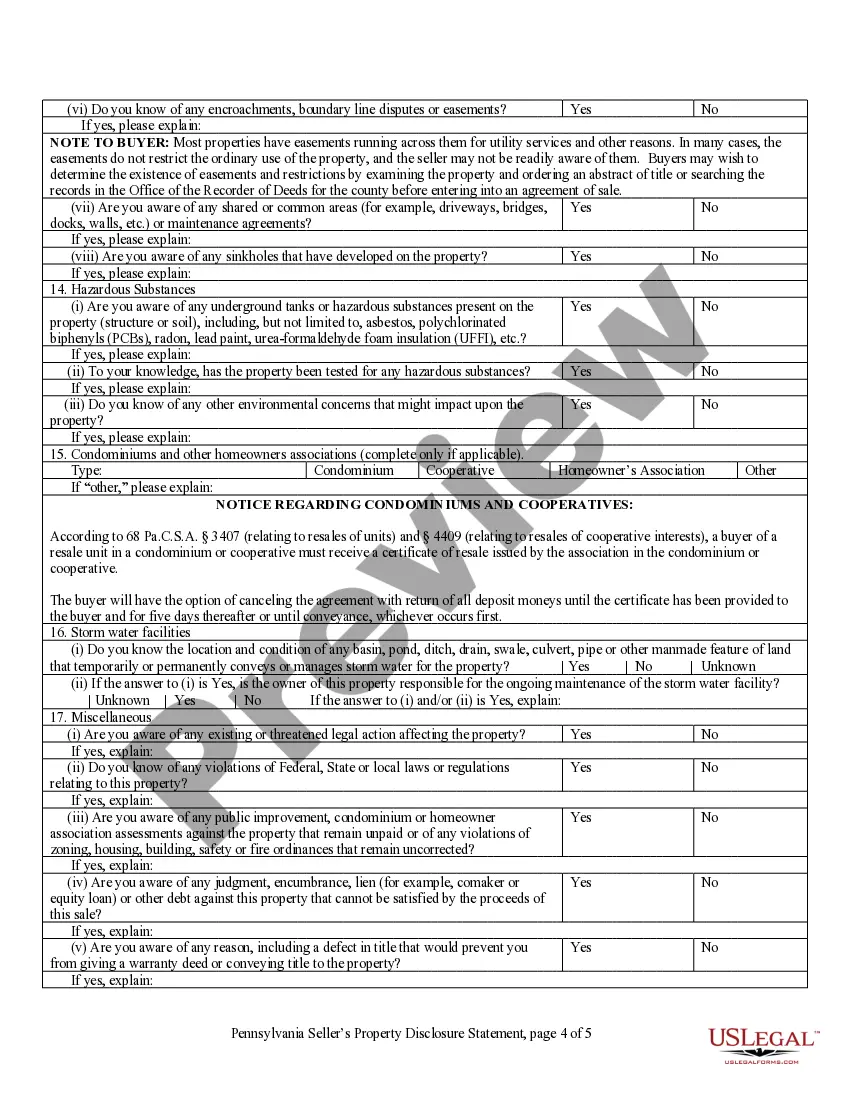
How to fill out Pennsylvania Residential Real Estate Sales Disclosure Statement?
Regulatory oversight might be overwhelming, even for seasoned practitioners.
When you are looking for a Pennsylvania Estate Document For Death and do not have the opportunity to devote time to finding the correct and current edition, the processes could be stressful.
Tap into a repository of articles, tutorials, and guides pertinent to your circumstances and requirements.
Conserve time and energy searching for the documents you require, and leverage US Legal Forms’ enhanced search and Preview capability to locate Pennsylvania Estate Document For Death and acquire it.
Benefit from the US Legal Forms online library, backed by 25 years of reliability and experience. Streamline your daily document management in a seamless and user-friendly manner today.
- If you hold a monthly subscription, Log Into your US Legal Forms account, search for the document, and download it.
- Check the My documents section to review the documents you have previously downloaded and manage your files as you see fit.
- If this is your first experience with US Legal Forms, create an account for unrestricted access to all features of the platform.
- After locating the necessary form, confirm its accuracy by previewing it and reviewing its details.
- Ensure that the template is accepted in your state or county.
- Click on Buy Now when you are ready.
- Choose a subscription option.
- Select the file format you need, then Download, complete, sign, print, and send your documents.
- A comprehensive online form repository could be transformative for anyone who wishes to manage these circumstances efficiently.
- US Legal Forms is a leading provider of digital legal documents, featuring over 85,000 state-specific legal forms accessible to you whenever needed.
- Utilize sophisticated tools to finalize and manage your Pennsylvania Estate Document For Death.
Form popularity
FAQ
Under Pennsylvania law, executors have a duty to provide an accounting to beneficiaries. An accounting is a detailed report that outlines the assets, liabilities, income, and expenses associated with the estate, as well as the executor's actions in managing and distributing the estate.
If a beneficiary requests access to financial institution statements and the executor refuses to provide them, the beneficiary can take legal action. They can follow the court for an order compelling the executor to reveal the requested information.
4.5 percent on transfers to direct descendants and lineal heirs; 12 percent on transfers to siblings; and. 15 percent on transfers to other heirs, except charitable organizations, exempt institutions and government entities exempt from tax.
In Pennsylvania, it is only necessary to probate if the decedent owned assets, whether financial or real estate holdings, solely in their name which did not already have a beneficiary designated. Such assets are called probate assets, and in order to convey ownership of them it is necessary to probate.
No estate will have to pay estate tax from Pennsylvania. There is still a federal estate tax. The federal estate tax exemption is $12.06 million in 2022 and $12.92 million in 2023. This exemption is portable.