Pennsylvania Estate And Trust Law
Description
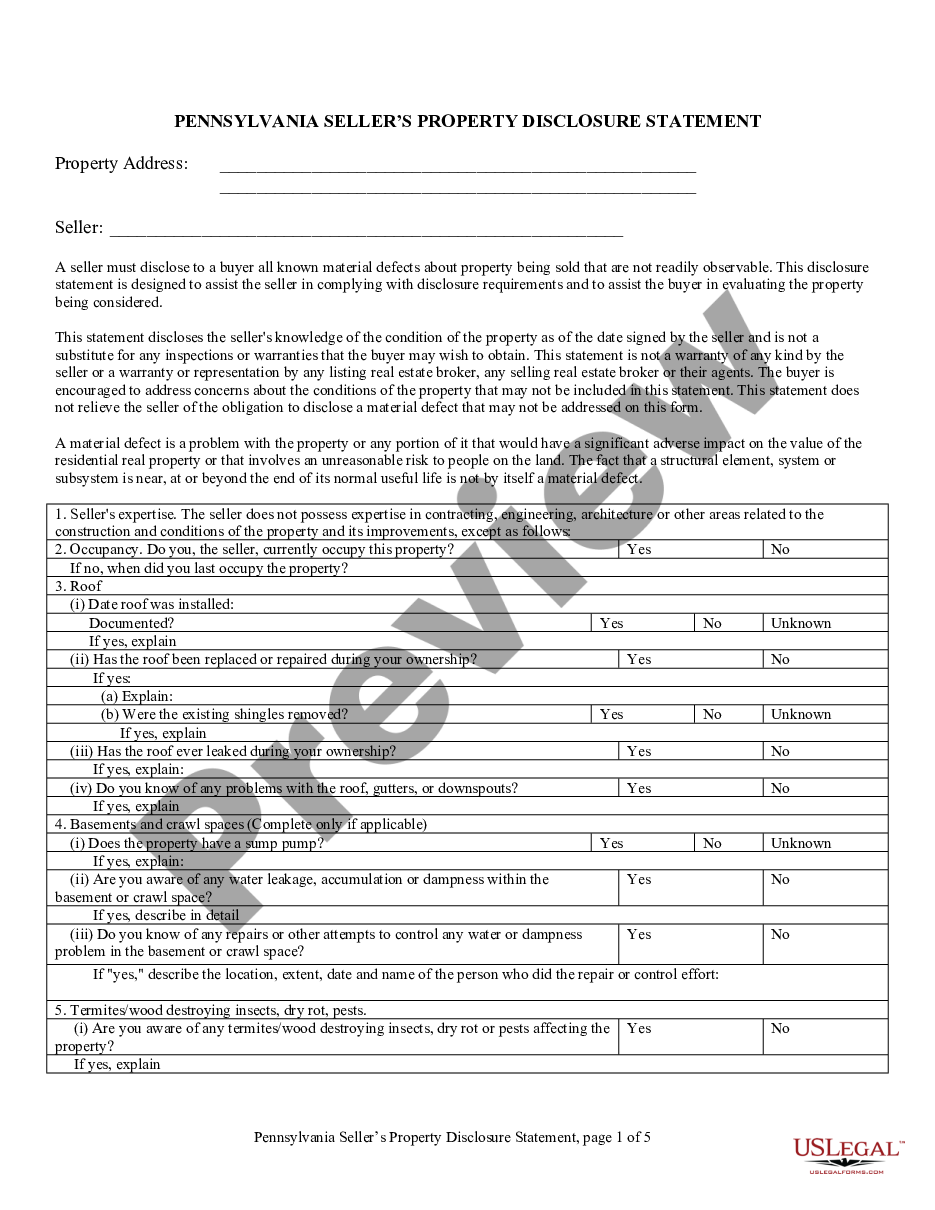
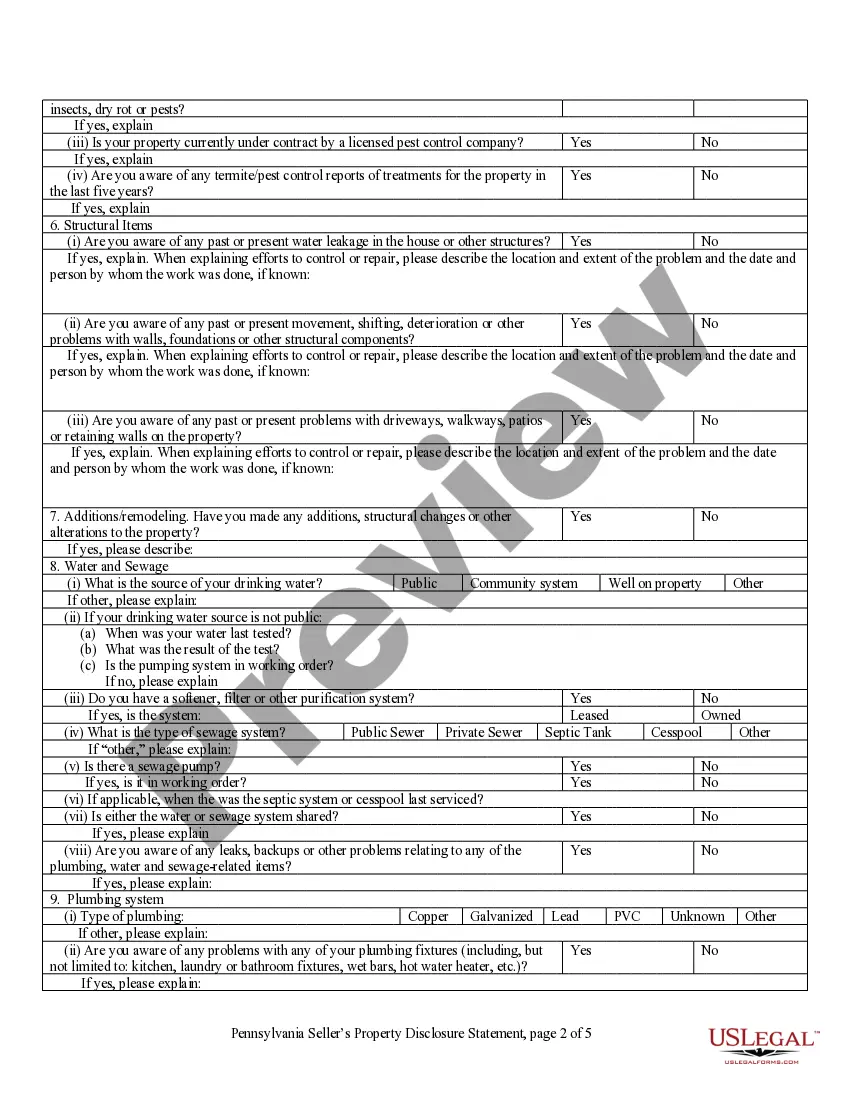
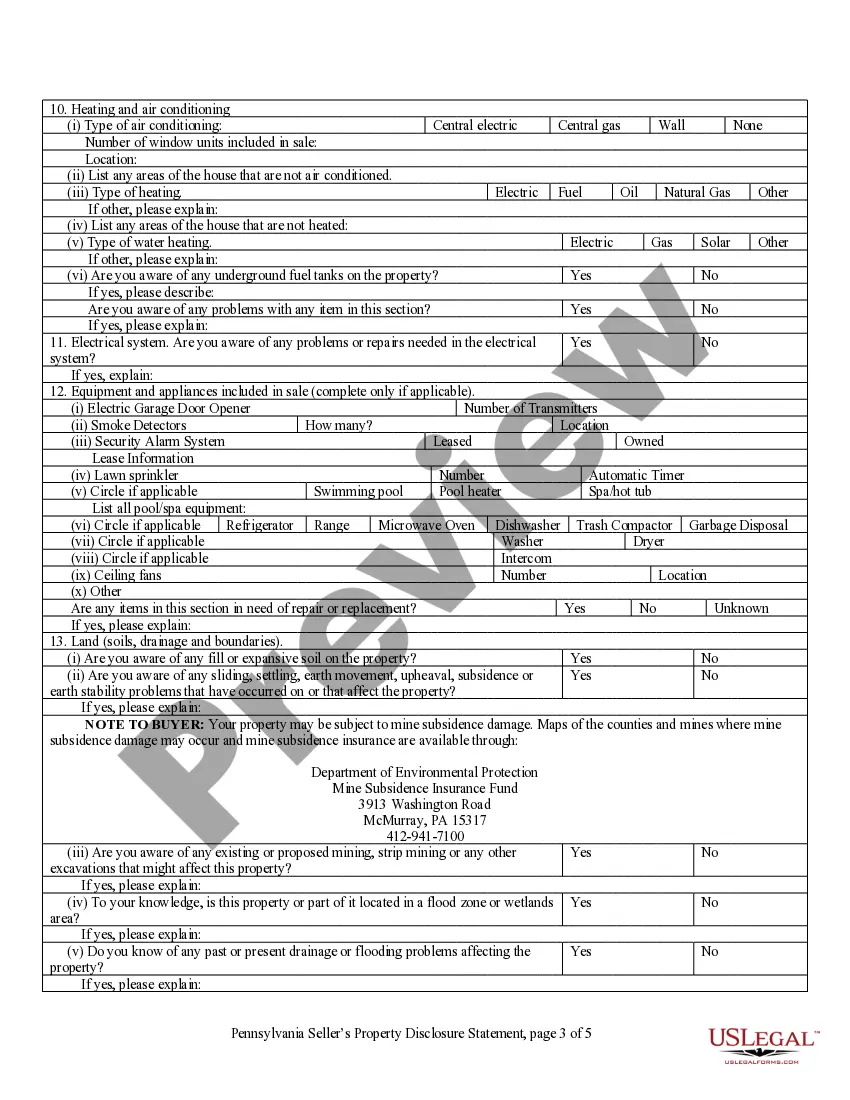
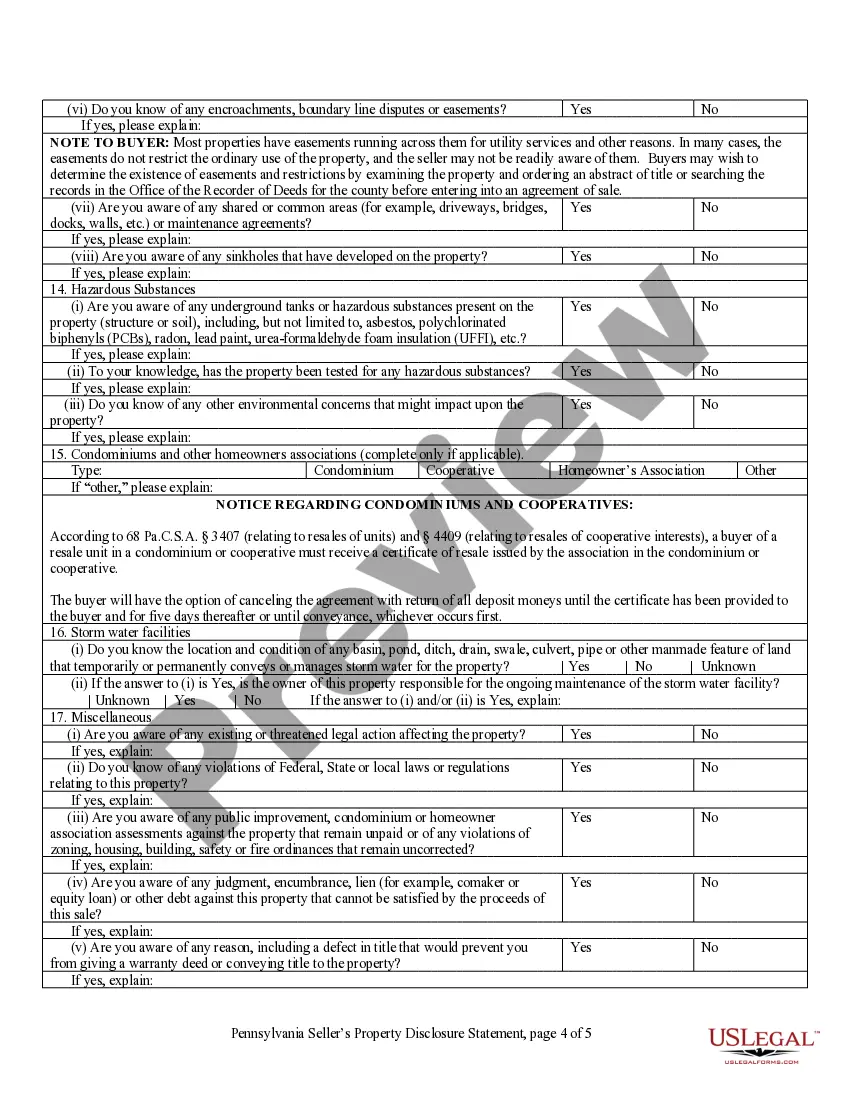
Get your form ready online
Our built-in tools help you complete, sign, share, and store your documents in one place.
Make edits, fill in missing information, and update formatting in US Legal Forms—just like you would in MS Word.
Download a copy, print it, send it by email, or mail it via USPS—whatever works best for your next step.
Sign and collect signatures with our SignNow integration. Send to multiple recipients, set reminders, and more. Go Premium to unlock E-Sign.
If this form requires notarization, complete it online through a secure video call—no need to meet a notary in person or wait for an appointment.
We protect your documents and personal data by following strict security and privacy standards.

Make edits, fill in missing information, and update formatting in US Legal Forms—just like you would in MS Word.

Download a copy, print it, send it by email, or mail it via USPS—whatever works best for your next step.

Sign and collect signatures with our SignNow integration. Send to multiple recipients, set reminders, and more. Go Premium to unlock E-Sign.

If this form requires notarization, complete it online through a secure video call—no need to meet a notary in person or wait for an appointment.

We protect your documents and personal data by following strict security and privacy standards.
Looking for another form?


Form popularity
FAQ
Absolutely, a trust can avoid probate in Pennsylvania. This legal framework allows assets held within a trust to pass directly to beneficiaries without the lengthy court process. Leveraging this aspect of Pennsylvania estate and trust law can provide significant peace of mind for you and your heirs.
While trusts offer many benefits, there are some downsides to consider. Creating a trust typically involves higher upfront costs and requires careful management of assets. However, when structured properly, the advantages under Pennsylvania estate and trust law often outweigh these concerns, especially for larger estates.
Yes, one major benefit of a trust in Pennsylvania is that it generally avoids the probate process. When a trust holds your assets, they can be distributed to beneficiaries without court intervention after your death. This feature of Pennsylvania estate and trust law can save time, costs, and maintain privacy for your loved ones.
Establishing a trust in Pennsylvania requires a few essential steps. Initially, select the type of trust that meets your goals—revocable, irrevocable, or other forms. Then, draft a formal trust agreement that specifies the terms, beneficiaries, and assets. By using USLegalForms, you can find easy-to-follow templates that align with Pennsylvania estate and trust law.
To form a trust in Pennsylvania, start by clearly identifying the types of assets you wish to include. Next, choose a trustee who will manage the trust according to your wishes, and draft the trust document that outlines the terms. Utilizing our platform at USLegalForms can simplify this process by providing the necessary templates you need to establish a trust in accordance with Pennsylvania estate and trust law.
Settling an estate in Pennsylvania involves several important steps. First, you'll need to gather and inventory the deceased's assets. Next, you must file the will with the court, if one exists, and obtain letters of administration or testamentary. Following these steps, you can address debts, taxes, and ultimately distribute the remaining assets as indicated in accordance with Pennsylvania estate and trust law.
In Pennsylvania, deciding between a will and a trust depends on your specific needs. A will typically offers a straightforward way to distribute assets after your passing, while a trust allows you to manage your assets during your lifetime and can provide greater privacy. Both documents play essential roles in Pennsylvania estate and trust law, so consider your situation carefully.
To avoid Pennsylvania inheritance tax, consider gifting assets while you are still alive. This approach can reduce the value of your estate and may lower tax liabilities. Additionally, understanding the exemptions and deductions available under Pennsylvania estate and trust law can help. Working with legal experts can also provide effective strategies to ensure you protect your estate from unnecessary taxes.
In Pennsylvania estate and trust law, an estate does not have a set minimum value that necessitates going through probate; however, most estates with significant assets will typically enter this legal process. Generally, estates valued over $50,000 will require probate, while smaller estates may have simpler alternatives like simplified estate procedures. Understanding this process can help you make informed decisions during estate planning.
While a trust itself cannot completely avoid inheritance tax in Pennsylvania estate and trust law, it can help in managing how and when beneficiaries receive their inheritance. Strategic planning can lead to overall tax reductions and optimize the inheritance process. Consulting with professionals familiar with state laws is recommended for best outcomes.