Pa Estate Form For Estate
Description
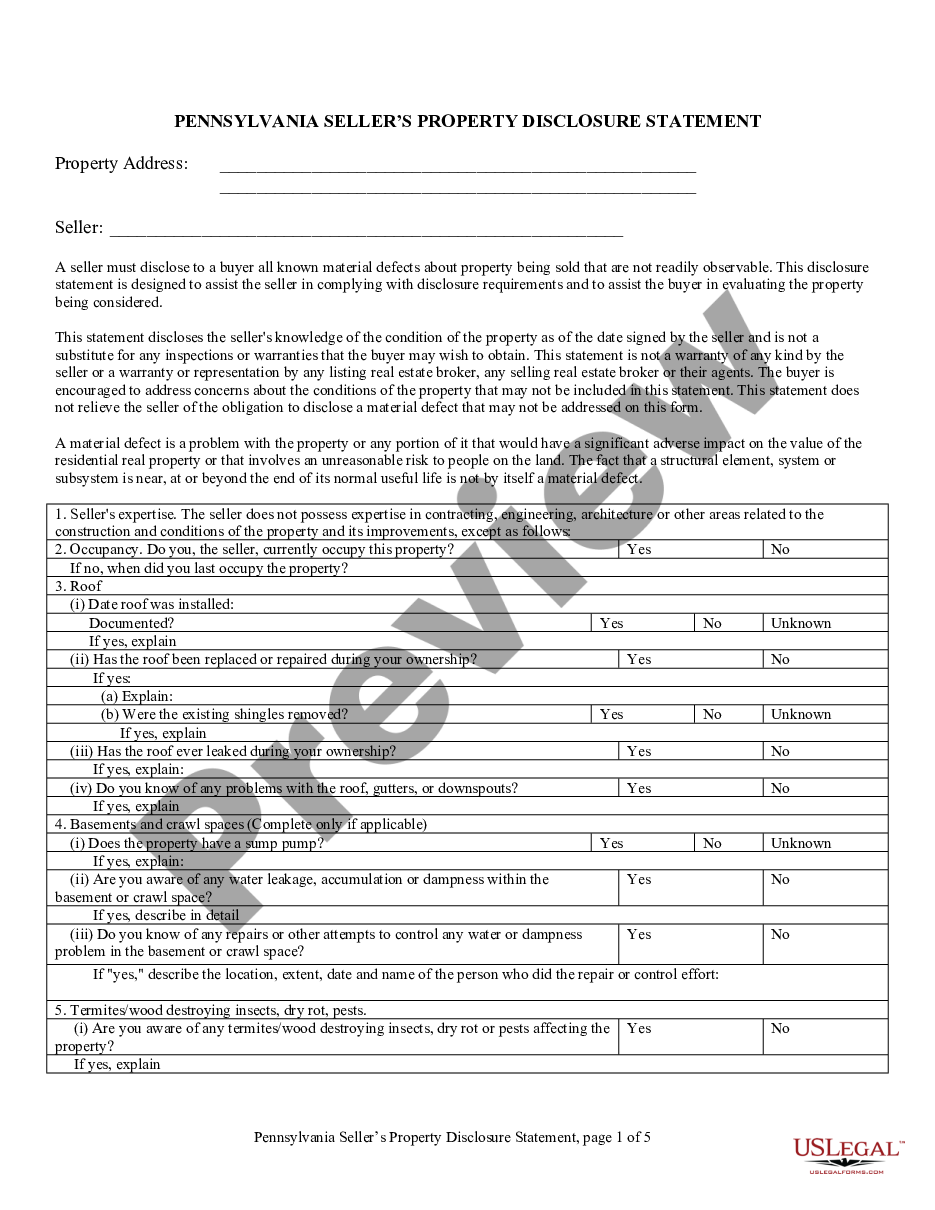
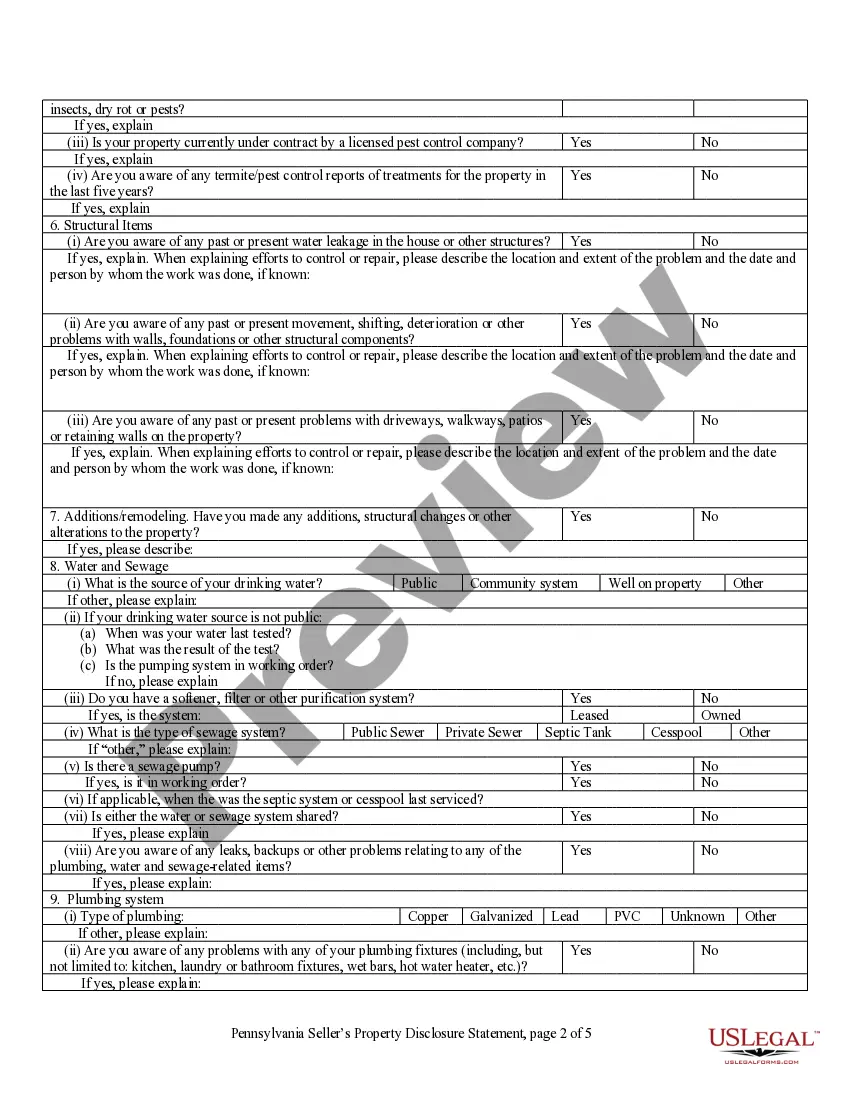
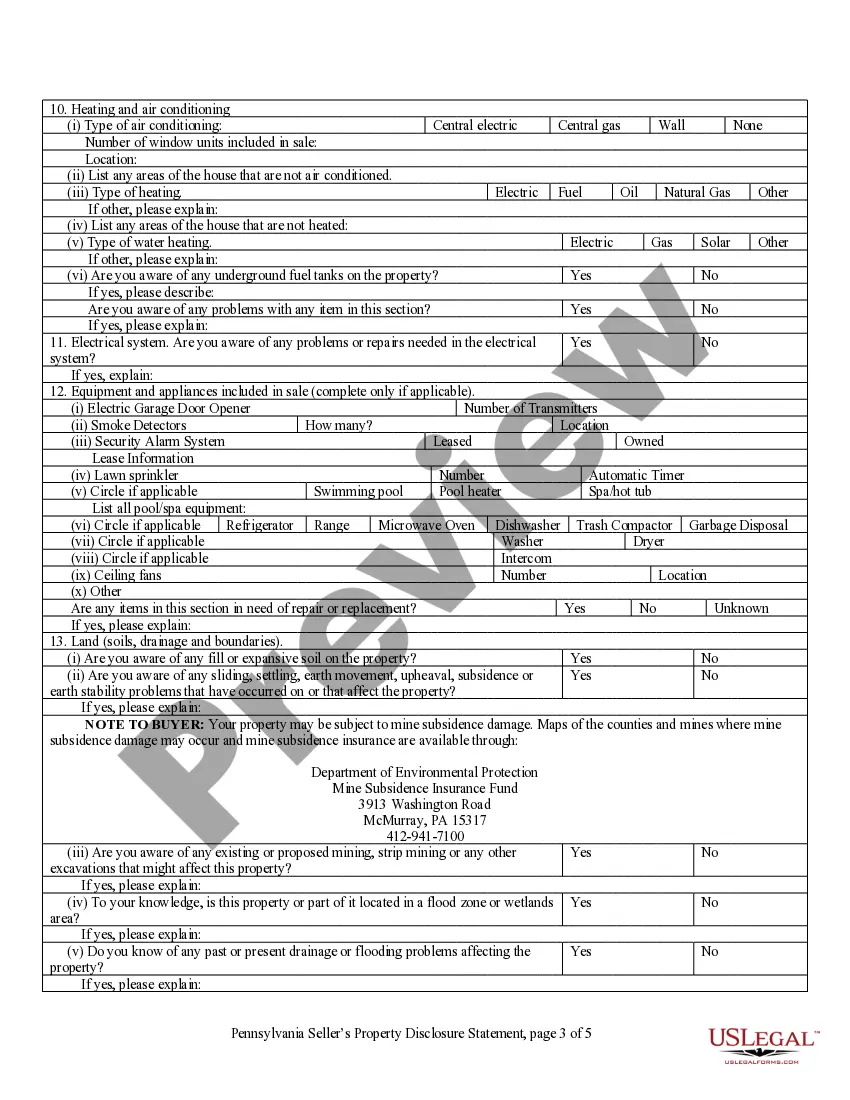
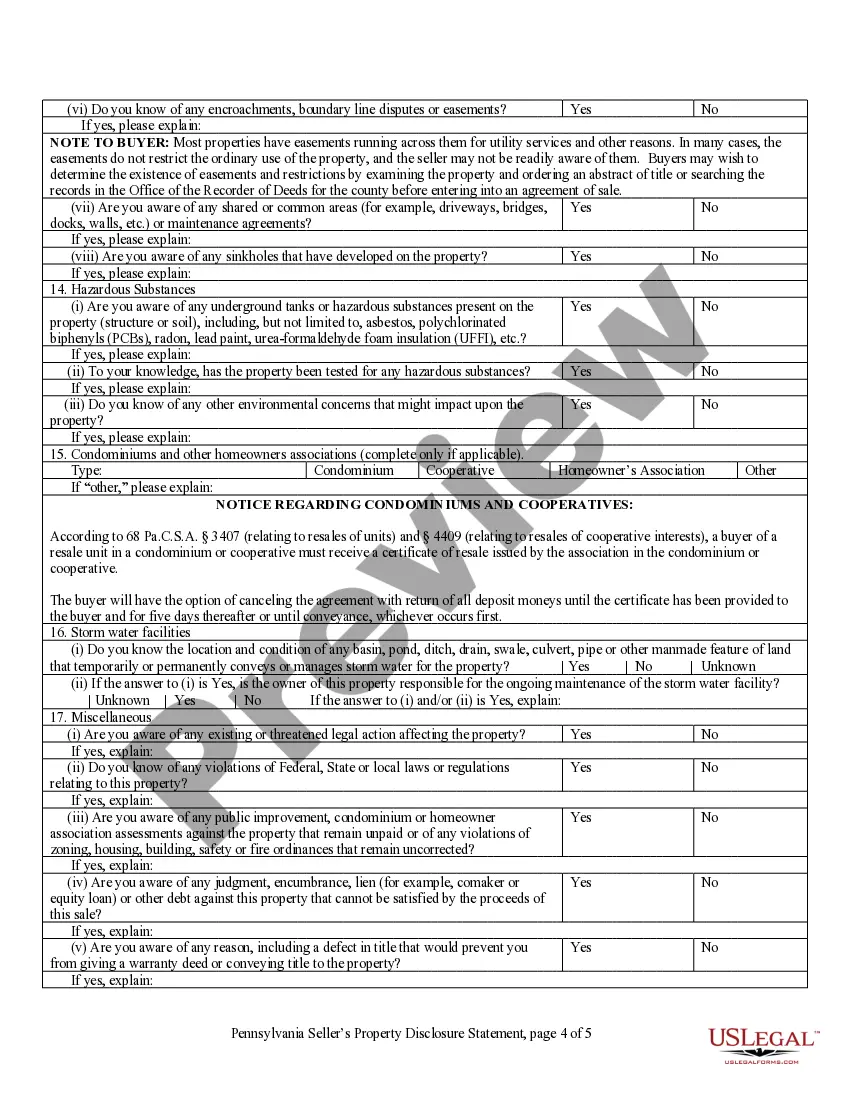
Get your form ready online
Our built-in tools help you complete, sign, share, and store your documents in one place.
Make edits, fill in missing information, and update formatting in US Legal Forms—just like you would in MS Word.
Download a copy, print it, send it by email, or mail it via USPS—whatever works best for your next step.
Sign and collect signatures with our SignNow integration. Send to multiple recipients, set reminders, and more. Go Premium to unlock E-Sign.
If this form requires notarization, complete it online through a secure video call—no need to meet a notary in person or wait for an appointment.
We protect your documents and personal data by following strict security and privacy standards.

Make edits, fill in missing information, and update formatting in US Legal Forms—just like you would in MS Word.

Download a copy, print it, send it by email, or mail it via USPS—whatever works best for your next step.

Sign and collect signatures with our SignNow integration. Send to multiple recipients, set reminders, and more. Go Premium to unlock E-Sign.

If this form requires notarization, complete it online through a secure video call—no need to meet a notary in person or wait for an appointment.

We protect your documents and personal data by following strict security and privacy standards.
Looking for another form?
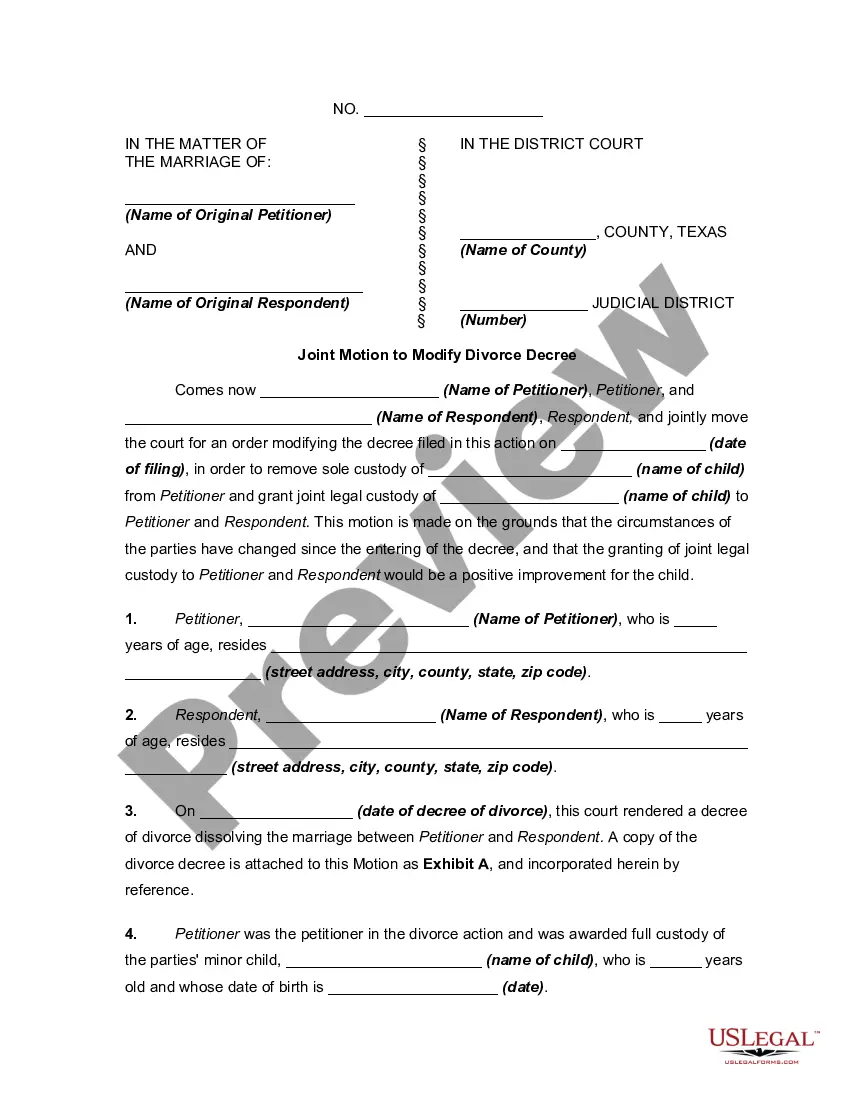
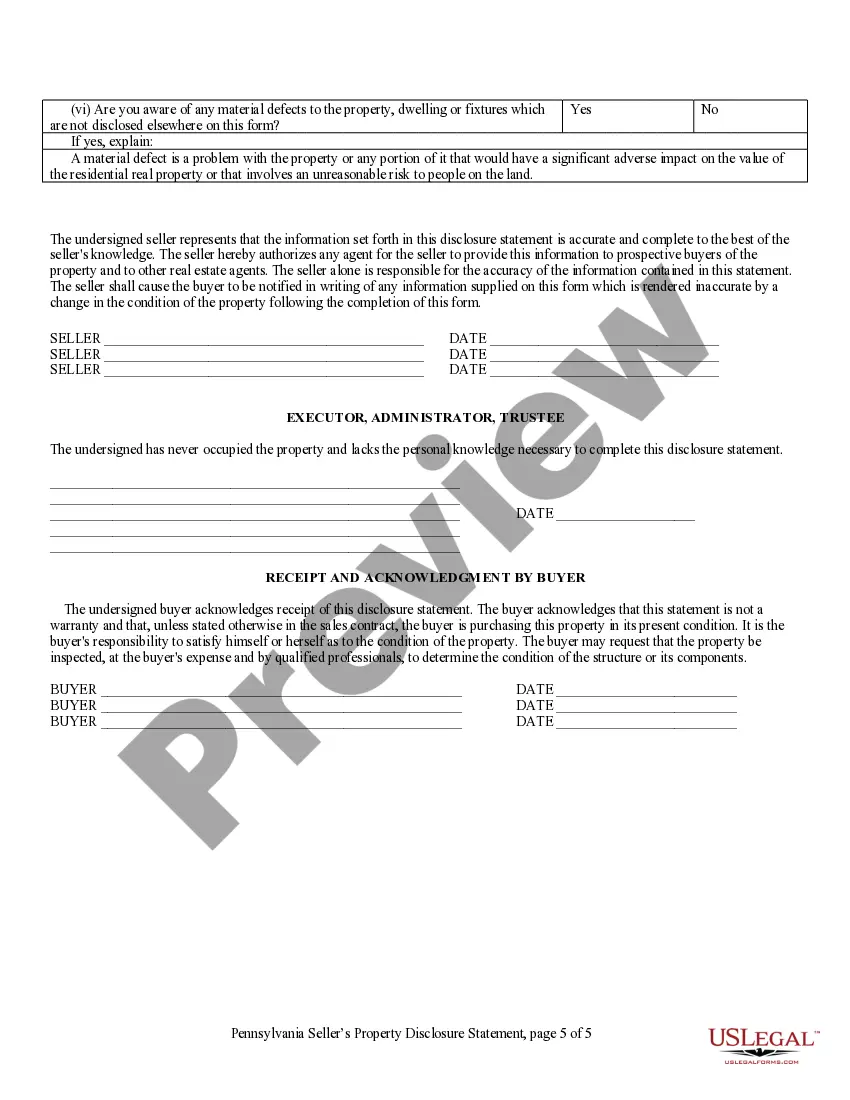
How to fill out Pennsylvania Residential Real Estate Sales Disclosure Statement?
Finding a reliable source for the latest and pertinent legal templates is a significant part of navigating bureaucracy.
Identifying the appropriate legal documents demands precision and careful consideration, which is why it is essential to obtain samples of the Pa Estate Form for Estate exclusively from trustworthy origins, such as US Legal Forms. An incorrect template could squander your time and hinder your current situation. With US Legal Forms, you have minimal worries.
After obtaining the form on your device, you can edit it using the editor or print it out to fill it manually. Eliminate the hassles associated with your legal documentation. Explore the extensive US Legal Forms library to locate legal templates, assess their applicability to your situation, and download them promptly.
- Utilize the library navigation or the search bar to find your template.
- Review the form’s details to confirm it meets the requirements for your state and county.
- Check the form preview, if available, to verify that it is the correct document you need.
- If the Pa Estate Form for Estate does not meet your specifications, return to search for the appropriate template.
- Once you are confident about the form’s suitability, download it.
- As a registered user, click Log in to verify and access your chosen forms in My documents.
- If you have not created an account yet, click Buy now to acquire the form.
- Select the pricing option that aligns with your requirements.
- Proceed to the registration to complete your purchase.
- Finalize your transaction using your preferred payment method (credit card or PayPal).
- Choose the document format for downloading the Pa Estate Form for Estate.
Form popularity
FAQ
Under Pennsylvania law, executors have a duty to provide an accounting to beneficiaries. An accounting is a detailed report that outlines the assets, liabilities, income, and expenses associated with the estate, as well as the executor's actions in managing and distributing the estate.
This is done by going to the Register of Wills in the County in which the decedent resided. The Register of Wills is part of the Court of Common Pleas, which has jurisdiction over the estate administration.
In Pennsylvania, the courts shortcut probate for any estate worth $50,000 or under.
The process of settling an estate involves naming a personal representative, collecting estate assets, filling appropriate forms with the Register of Wills, notifying heirs, providing a public notice, paying all debts and taxes, and distributing the remaining assets to heirs named in the will or under the laws of ...
In Pennsylvania, you can use a summary probate procedure when estates are worth less than $50,000 (not including funeral costs, real estate and allowable family payments). There is no Affidavit procedure in PA.