Pennsylvania Special Limited Foreclosure
Description
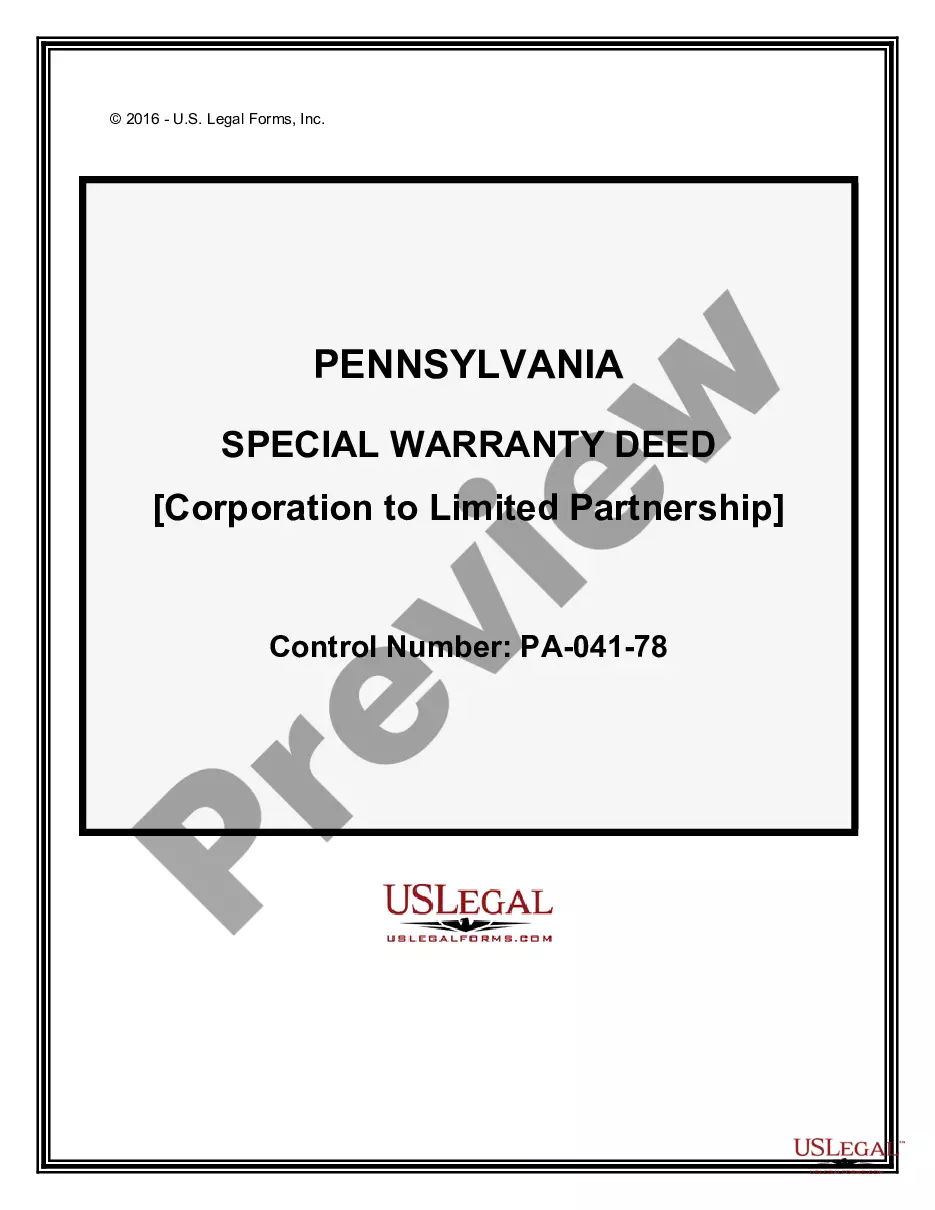
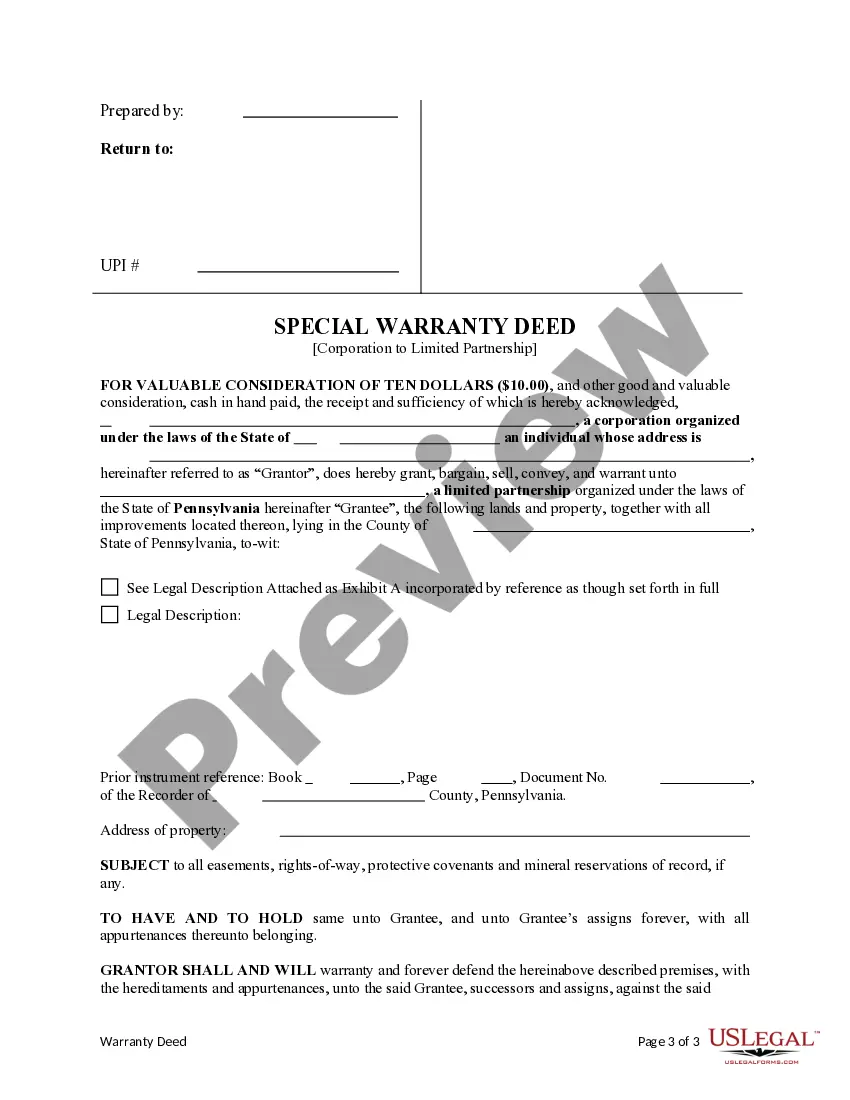
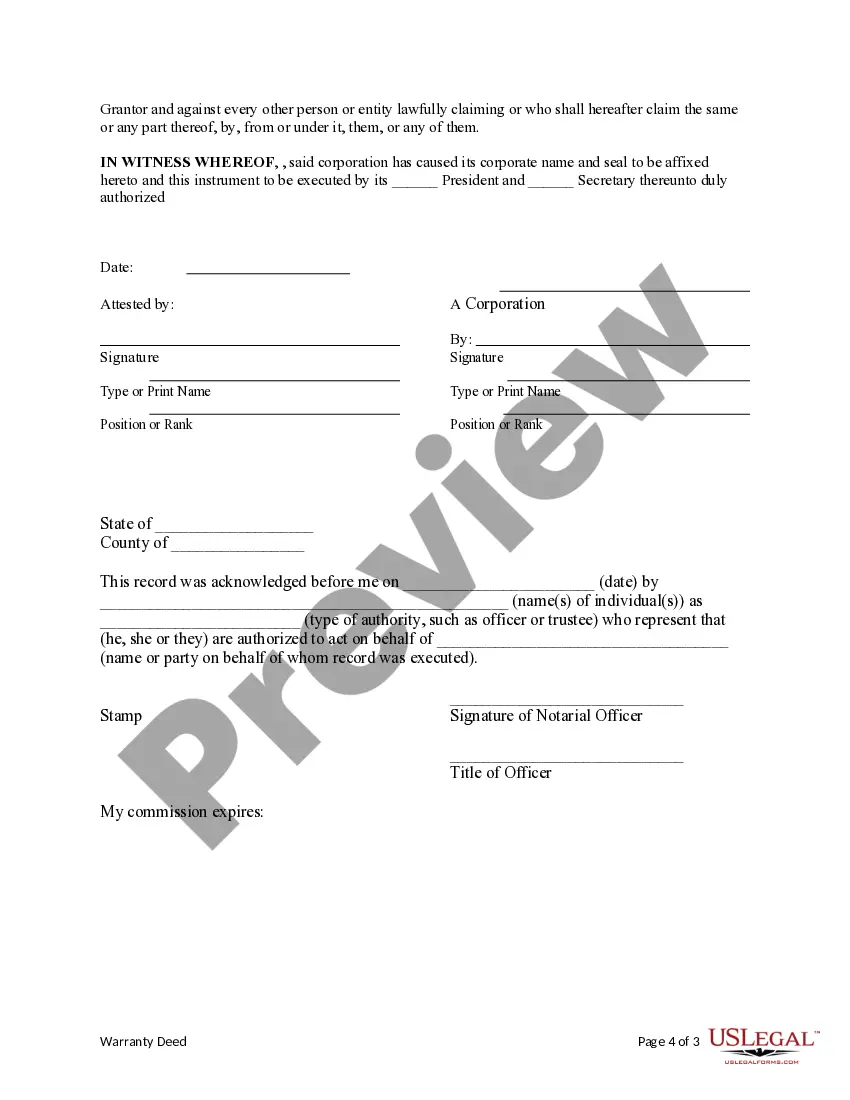
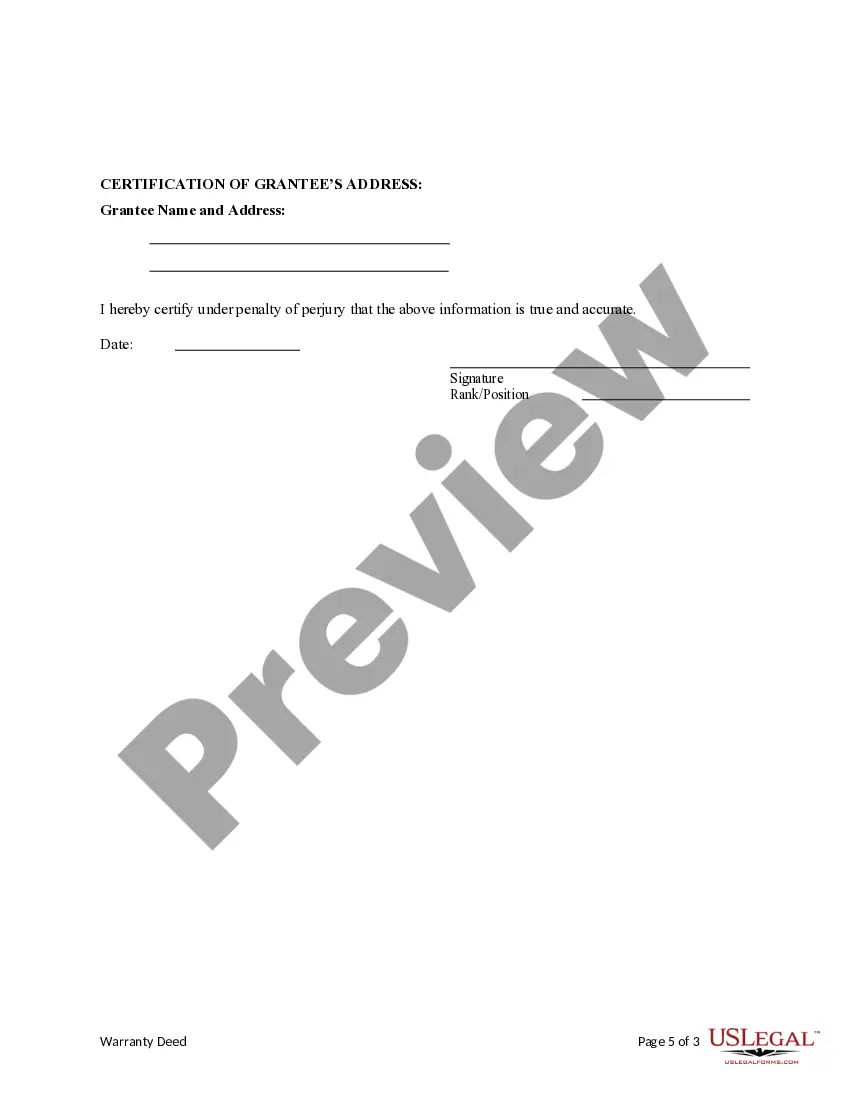
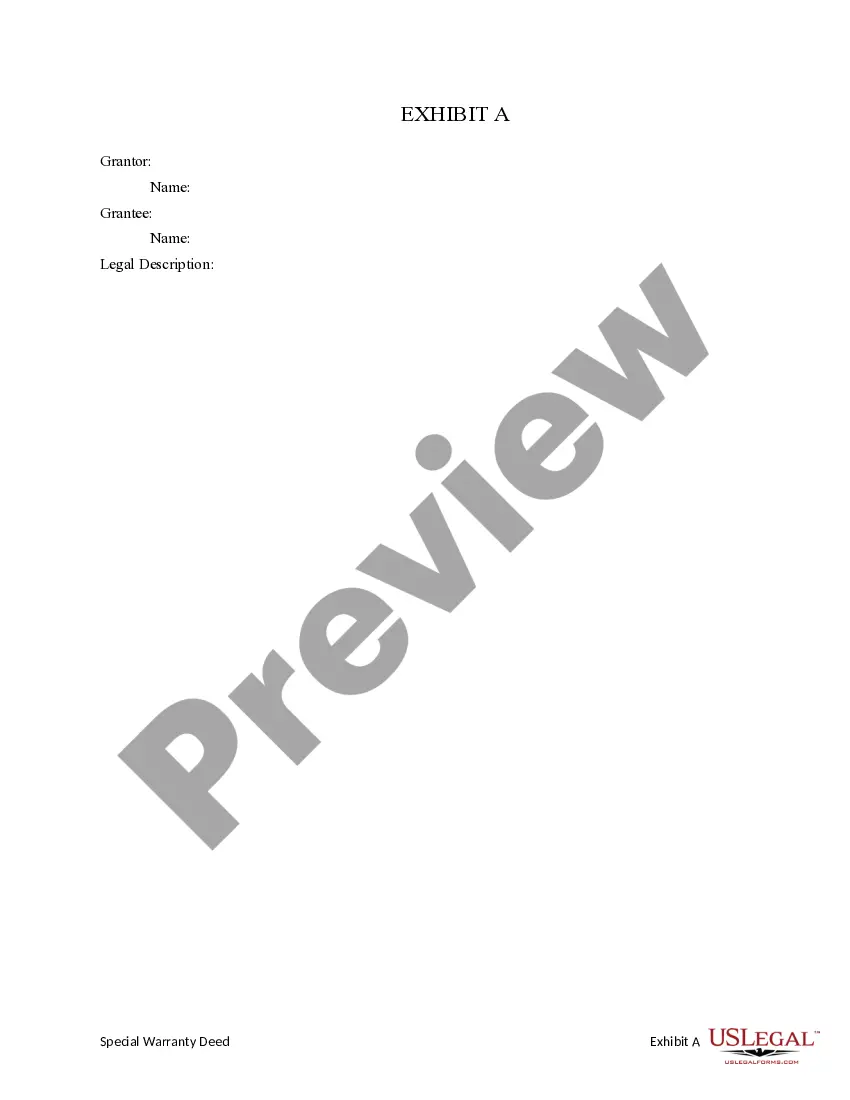
Get your form ready online
Our built-in tools help you complete, sign, share, and store your documents in one place.
Make edits, fill in missing information, and update formatting in US Legal Forms—just like you would in MS Word.
Download a copy, print it, send it by email, or mail it via USPS—whatever works best for your next step.
Sign and collect signatures with our SignNow integration. Send to multiple recipients, set reminders, and more. Go Premium to unlock E-Sign.
If this form requires notarization, complete it online through a secure video call—no need to meet a notary in person or wait for an appointment.
We protect your documents and personal data by following strict security and privacy standards.

Make edits, fill in missing information, and update formatting in US Legal Forms—just like you would in MS Word.

Download a copy, print it, send it by email, or mail it via USPS—whatever works best for your next step.

Sign and collect signatures with our SignNow integration. Send to multiple recipients, set reminders, and more. Go Premium to unlock E-Sign.

If this form requires notarization, complete it online through a secure video call—no need to meet a notary in person or wait for an appointment.

We protect your documents and personal data by following strict security and privacy standards.
Looking for another form?


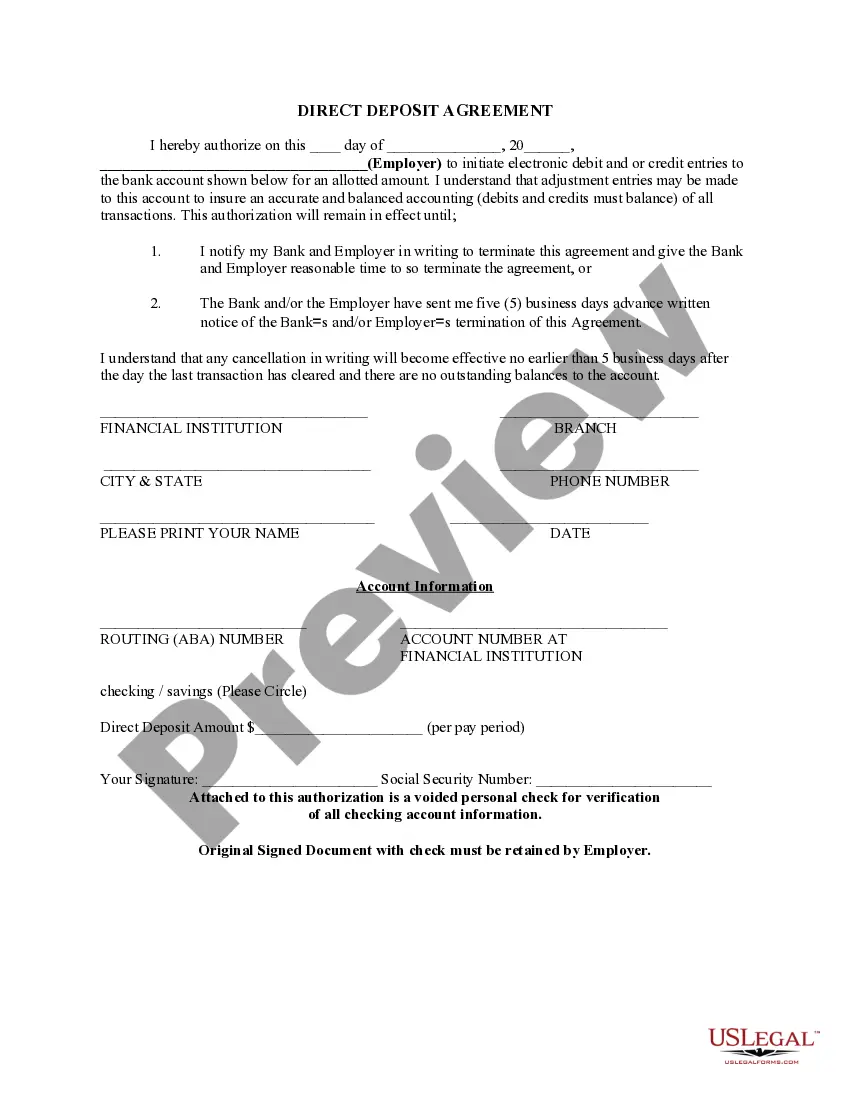


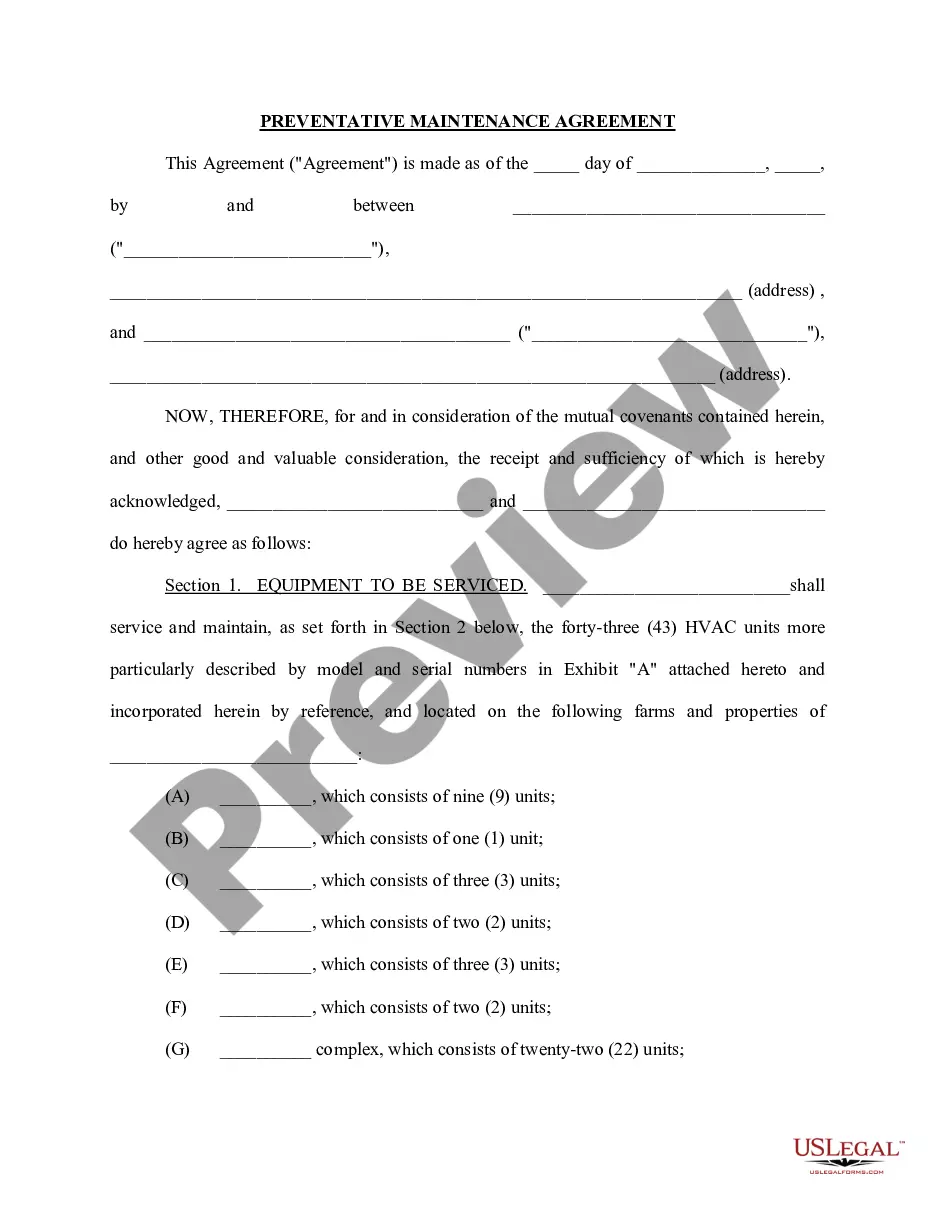




How to fill out Pennsylvania Special Warranty Deed From Corporation To Limited Partnership?
- If you're an existing user, log in to your account and check your subscription status to ensure it's valid. If needed, renew according to your plan.
- For first-time users, start by exploring the Preview mode and reading the form descriptions carefully to identify the document that best meets your needs.
- If the chosen document doesn’t fit, utilize the Search tab to find another template that aligns with your local regulations.
- Once you've selected your form, click the Buy Now button and choose a subscription plan that suits your requirements. You’ll need to create an account to access the library.
- Complete your purchase by entering your credit card details or using your PayPal account to finalize the transaction.
- After payment, download your form and save it to your device, ensuring you can access it anytime through the My Forms section of your profile.
US Legal Forms provides individuals and attorneys with a streamlined process to access legal documents, offering over 85,000 fillable and editable forms. This robust collection surpasses many competitors, ensuring you have a wealth of options.
Empower yourself with precise legal documents by utilizing US Legal Forms today. Start your journey to stress-free legal management now!
Form popularity
FAQ
Foreclosure processes vary by state, and in New Mexico, the process involves a judicial hearing. Similar to Pennsylvania, lenders must file a lawsuit, and the court issues a ruling about the foreclosure. Understanding this variance helps homeowners know their rights and options in different scenarios. By looking into Pennsylvania special limited foreclosure, you can better grasp how these processes differ across states and what solutions exist for you.
One significant downside of a foreclosure is the long-lasting impact on your credit score, which can take years to recover. Additionally, you may lose your home and have difficulty finding housing in the future due to your foreclosure history. It's also important to consider the emotional toll a foreclosure can take. Exploring Pennsylvania special limited foreclosure can provide alternate pathways to address your needs without the adverse effects of foreclosure.
A foreclosure does not entirely remove your debts. While it may relieve you from mortgage obligations, any remaining balance after the sale, known as a deficiency, might still require payment. Furthermore, creditors can pursue you for that remaining debt, affecting your finances. Understanding Pennsylvania special limited foreclosure can help you manage residual debts effectively.
In Pennsylvania, the foreclosure process typically starts with a notification of default from your lender. If you do not resolve this, the lender files a complaint in court, leading to a scheduled hearing. After the court grants the foreclosure, the property gets sold at auction. It's crucial to understand the nuances of Pennsylvania special limited foreclosure to navigate the process efficiently.
A voluntary foreclosure can remain on your credit report for up to seven years. This length of time may vary depending on specific circumstances around the foreclosure. To understand how it affects your credit score, knowledge of the Pennsylvania special limited foreclosure could be advantageous. Taking steps to rebuild your credit post-foreclosure is essential for your financial recovery.
Yes, in many circumstances, you can return your house to the mortgage company through a process known as a deed in lieu of foreclosure. This option allows you to avoid foreclosure proceedings altogether. By pursuing a Pennsylvania special limited foreclosure, you may streamline this process and lessen the impact on your credit. Make sure to discuss these options with your lender.
To initiate a voluntary foreclosure, start by contacting your lender to discuss your options and express your intention to surrender the property. You may consider filing for a Pennsylvania special limited foreclosure, which helps you manage the process with fewer complications. Additionally, seeking legal advice can be beneficial to ensure that you complete all necessary paperwork accurately.
The foreclosure process in Pennsylvania generally begins when a homeowner falls behind on mortgage payments. Lenders must file a complaint in court, followed by a public sale of the property. Homeowners can choose a Pennsylvania special limited foreclosure, which may simplify the process while ensuring compliance with state laws. Understanding each step is critical to making informed decisions during foreclosure.
Foreclosure processes in Tennessee typically involve a series of steps, including notification to the borrower and a public auction. The lender usually files a notice of default, providing the homeowner an opportunity to catch up on payments. While this question pertains to Tennessee, it's important to understand how similar processes work in Pennsylvania. Exploring a Pennsylvania special limited foreclosure could provide more tailored options.
To voluntarily foreclose, you start by notifying your mortgage lender of your intention. This process often includes providing documentation of your financial hardship. Next, you may choose a Pennsylvania special limited foreclosure, which allows for a streamlined process. This option can help in returning the property to the lender more efficiently.