Pennsylvania Supreme Court
Description
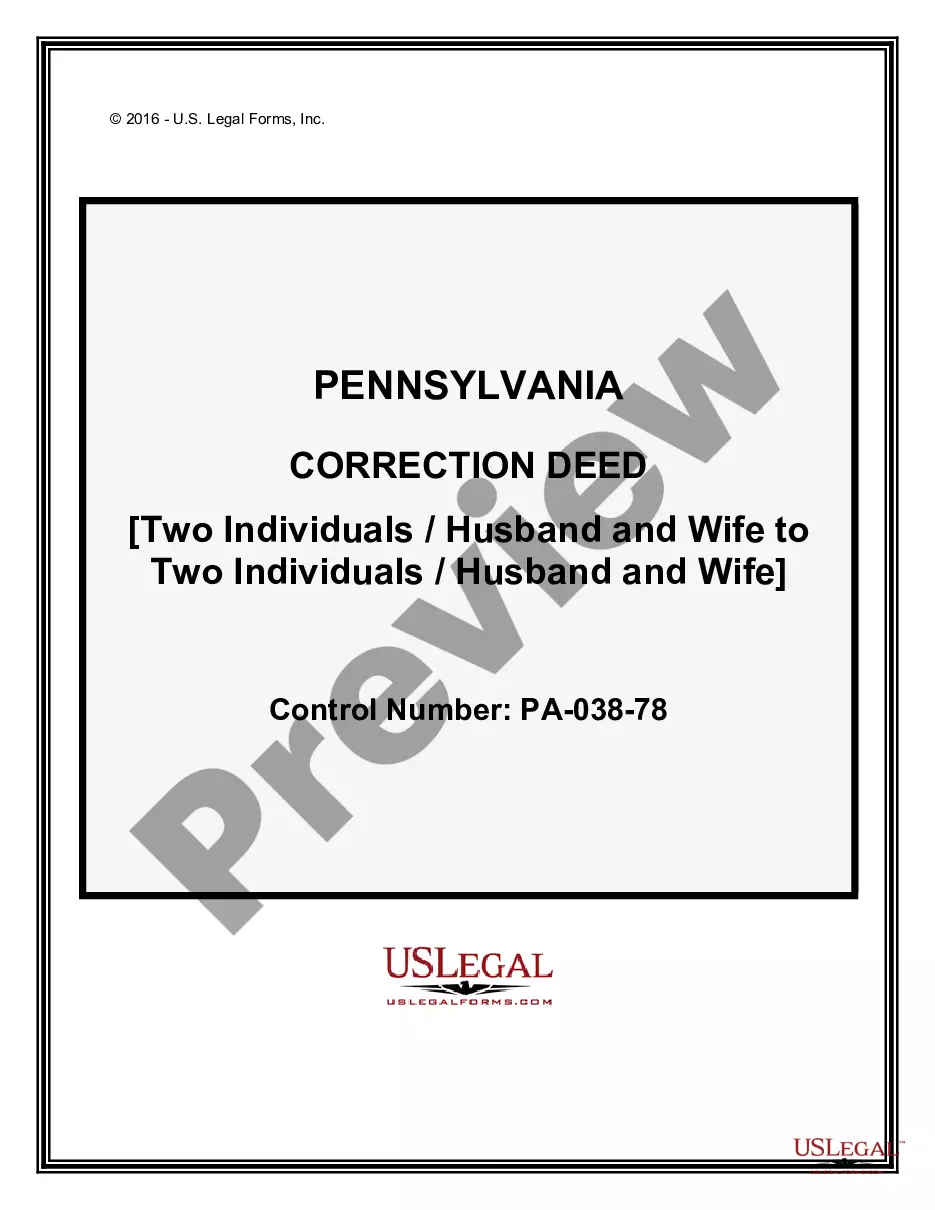
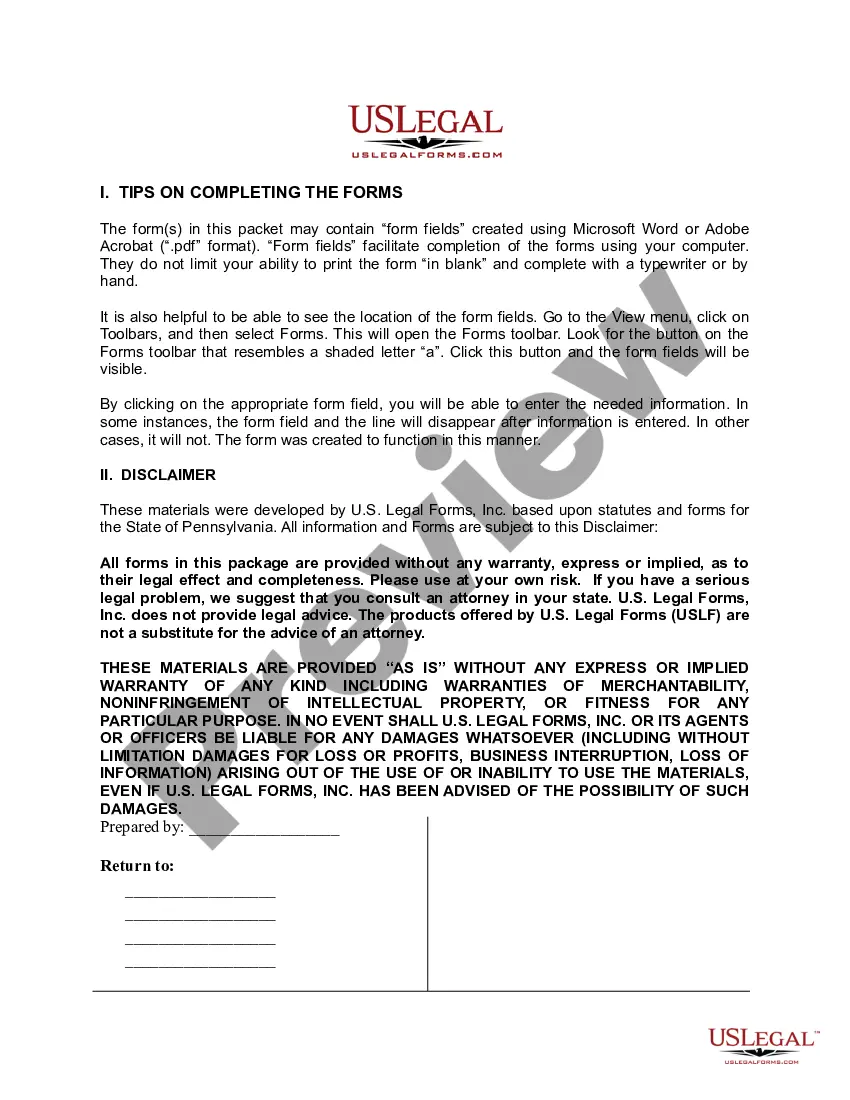
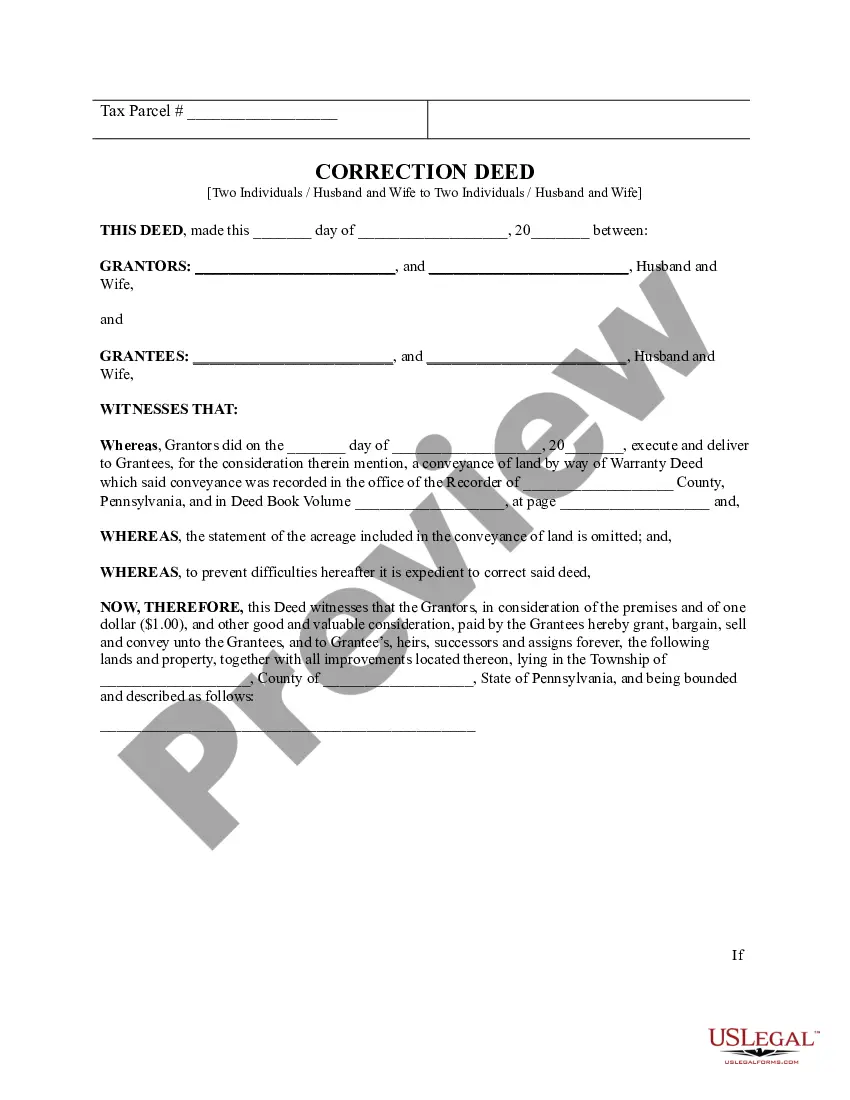
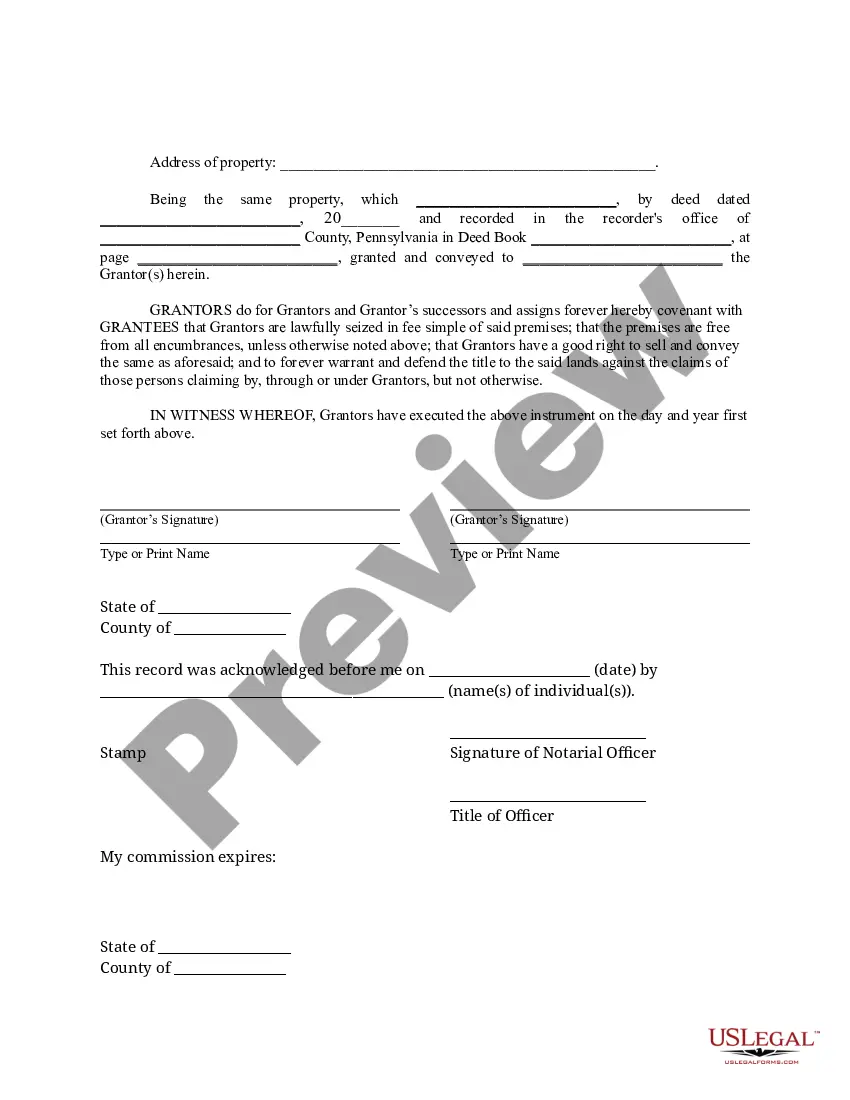
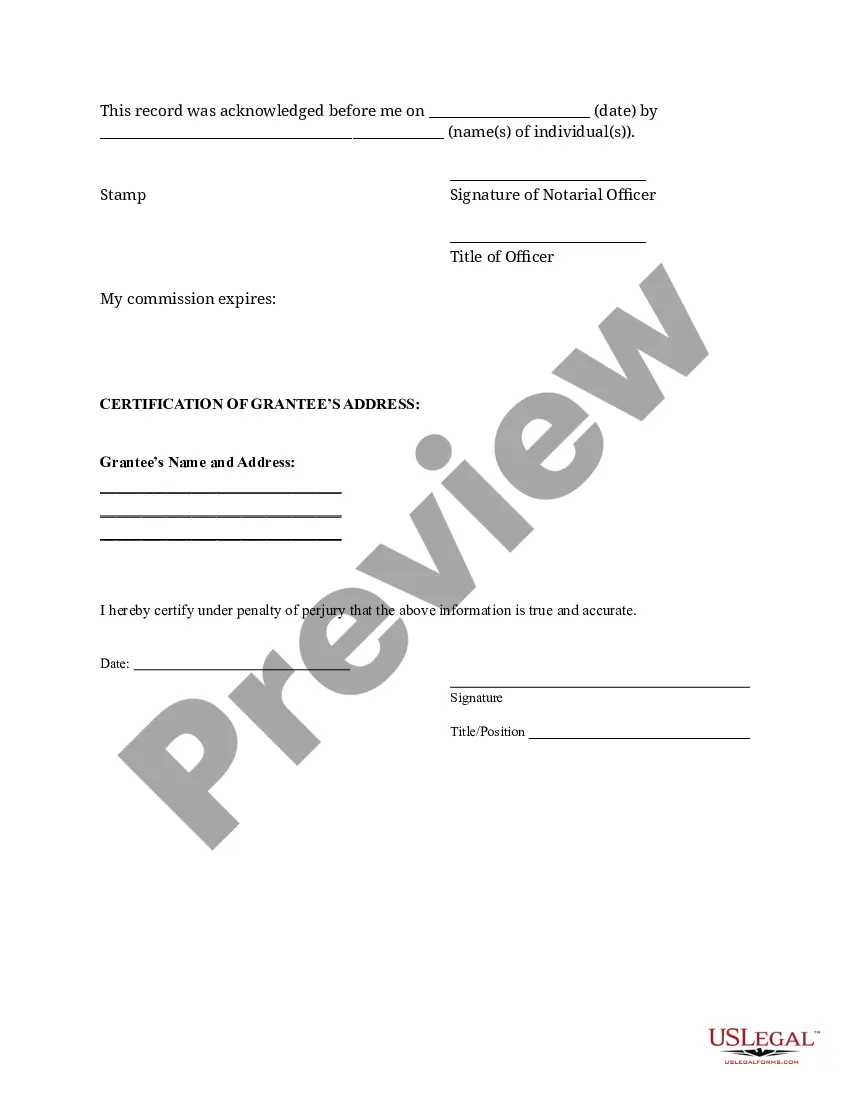
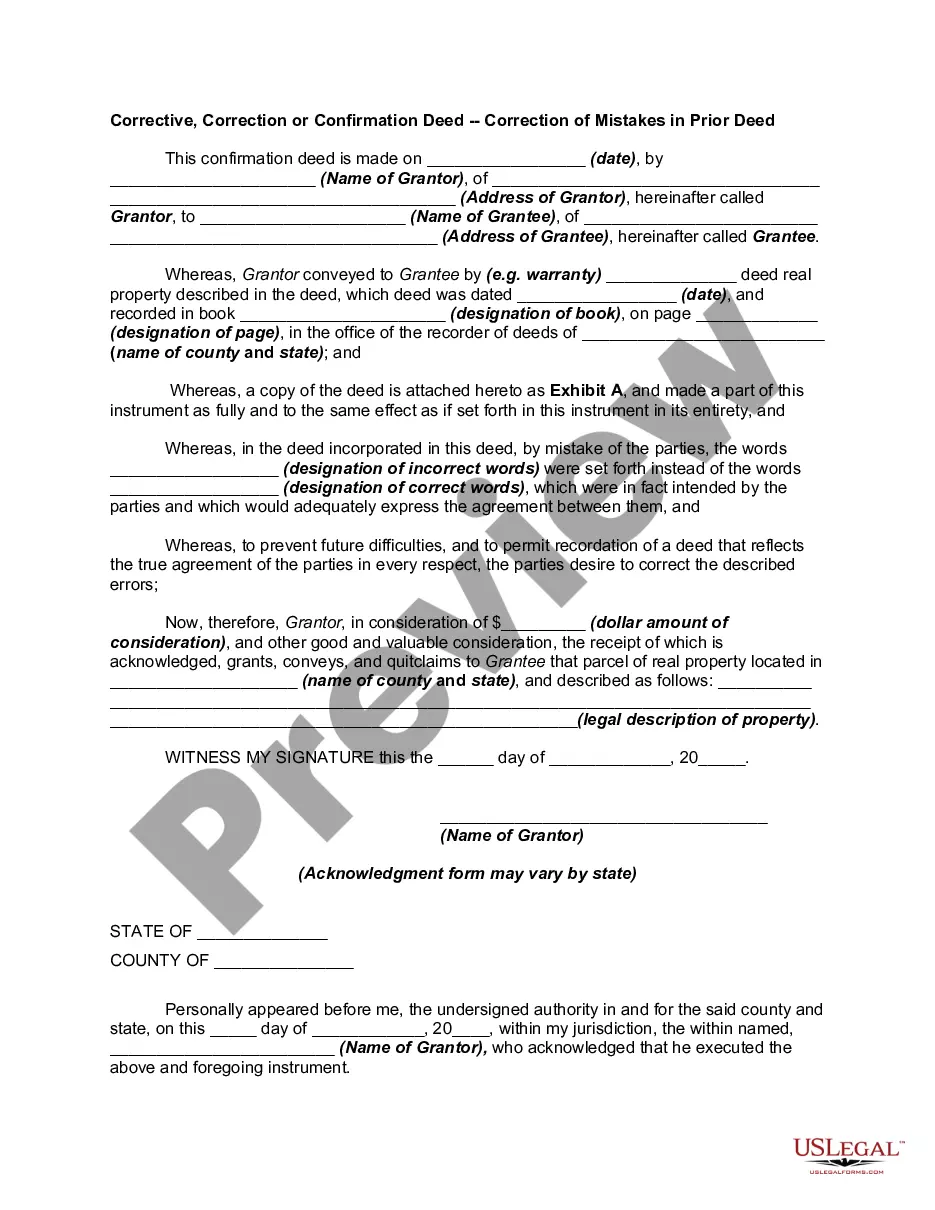

Get your form ready online
Our built-in tools help you complete, sign, share, and store your documents in one place.
Make edits, fill in missing information, and update formatting in US Legal Forms—just like you would in MS Word.
Download a copy, print it, send it by email, or mail it via USPS—whatever works best for your next step.
Sign and collect signatures with our SignNow integration. Send to multiple recipients, set reminders, and more. Go Premium to unlock E-Sign.
If this form requires notarization, complete it online through a secure video call—no need to meet a notary in person or wait for an appointment.
We protect your documents and personal data by following strict security and privacy standards.

Make edits, fill in missing information, and update formatting in US Legal Forms—just like you would in MS Word.

Download a copy, print it, send it by email, or mail it via USPS—whatever works best for your next step.

Sign and collect signatures with our SignNow integration. Send to multiple recipients, set reminders, and more. Go Premium to unlock E-Sign.

If this form requires notarization, complete it online through a secure video call—no need to meet a notary in person or wait for an appointment.

We protect your documents and personal data by following strict security and privacy standards.
Looking for another form?
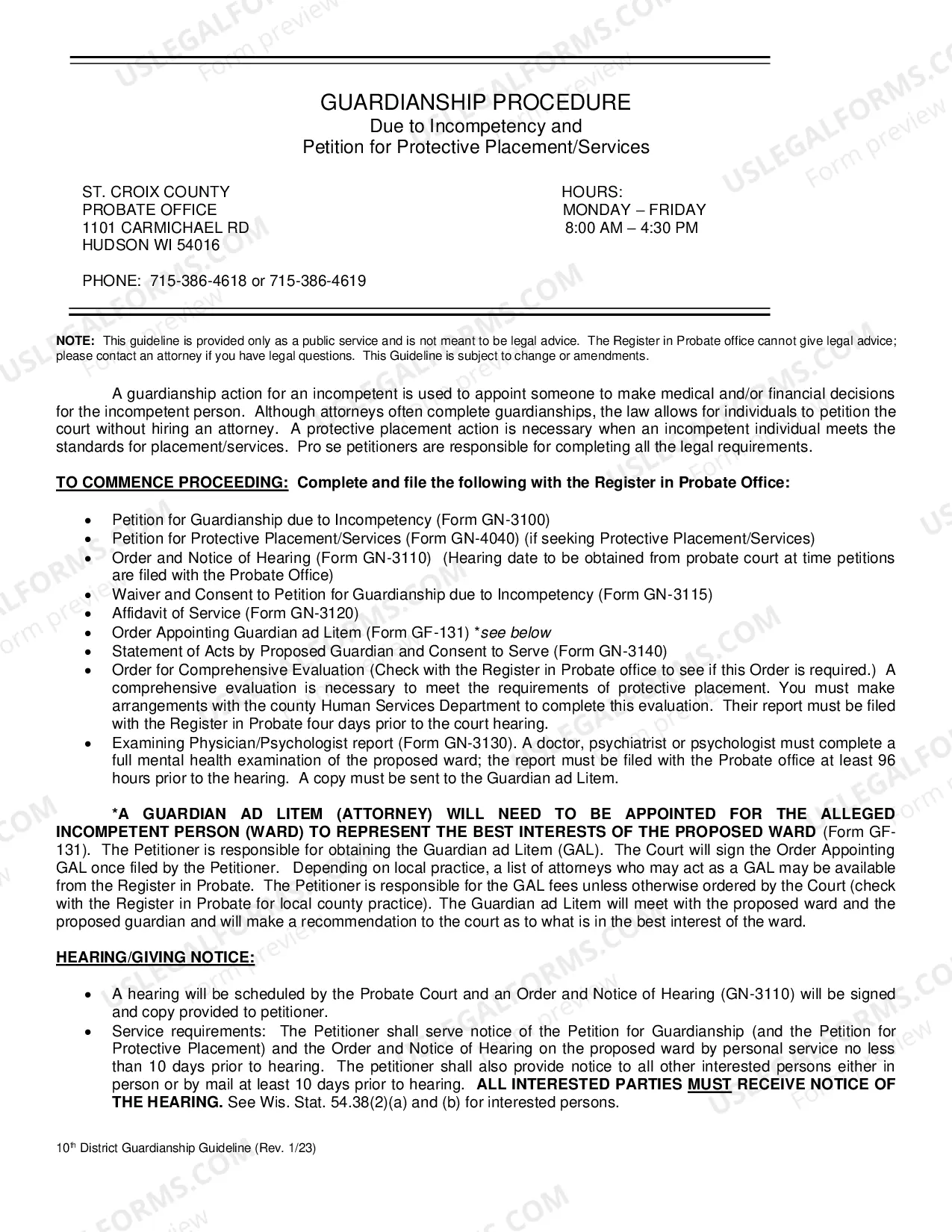
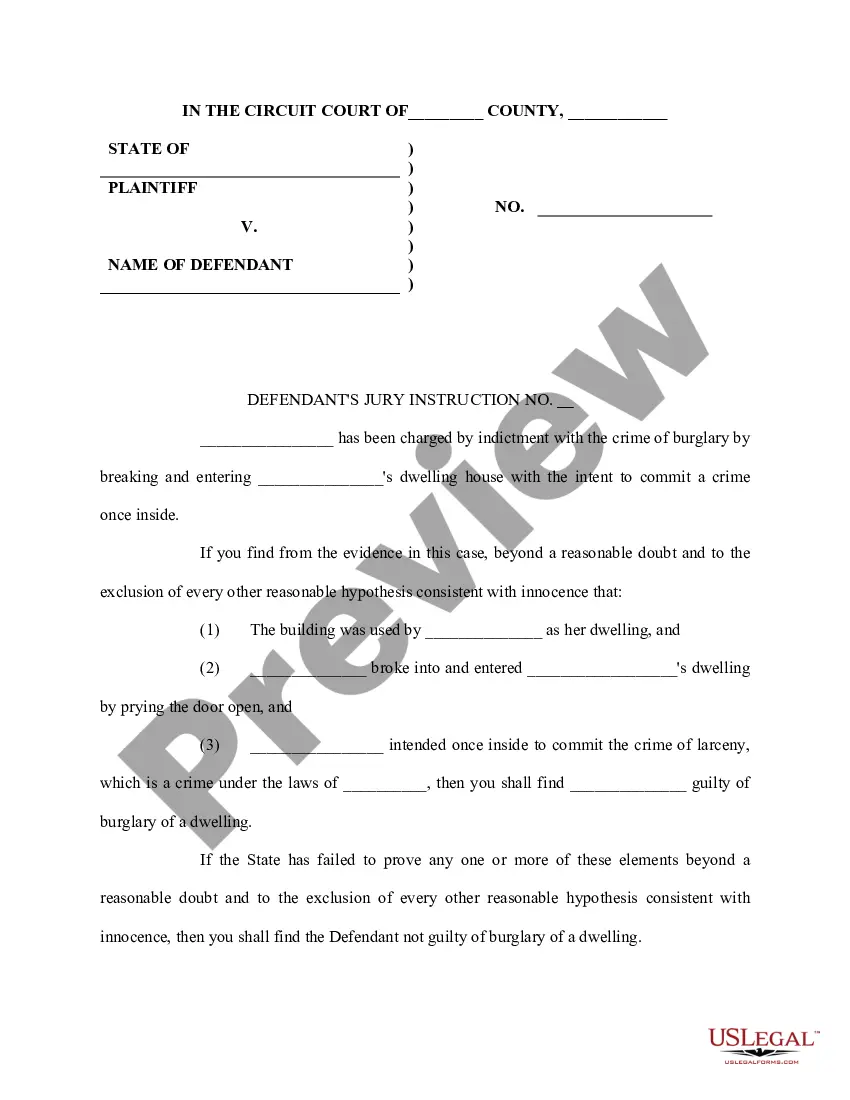
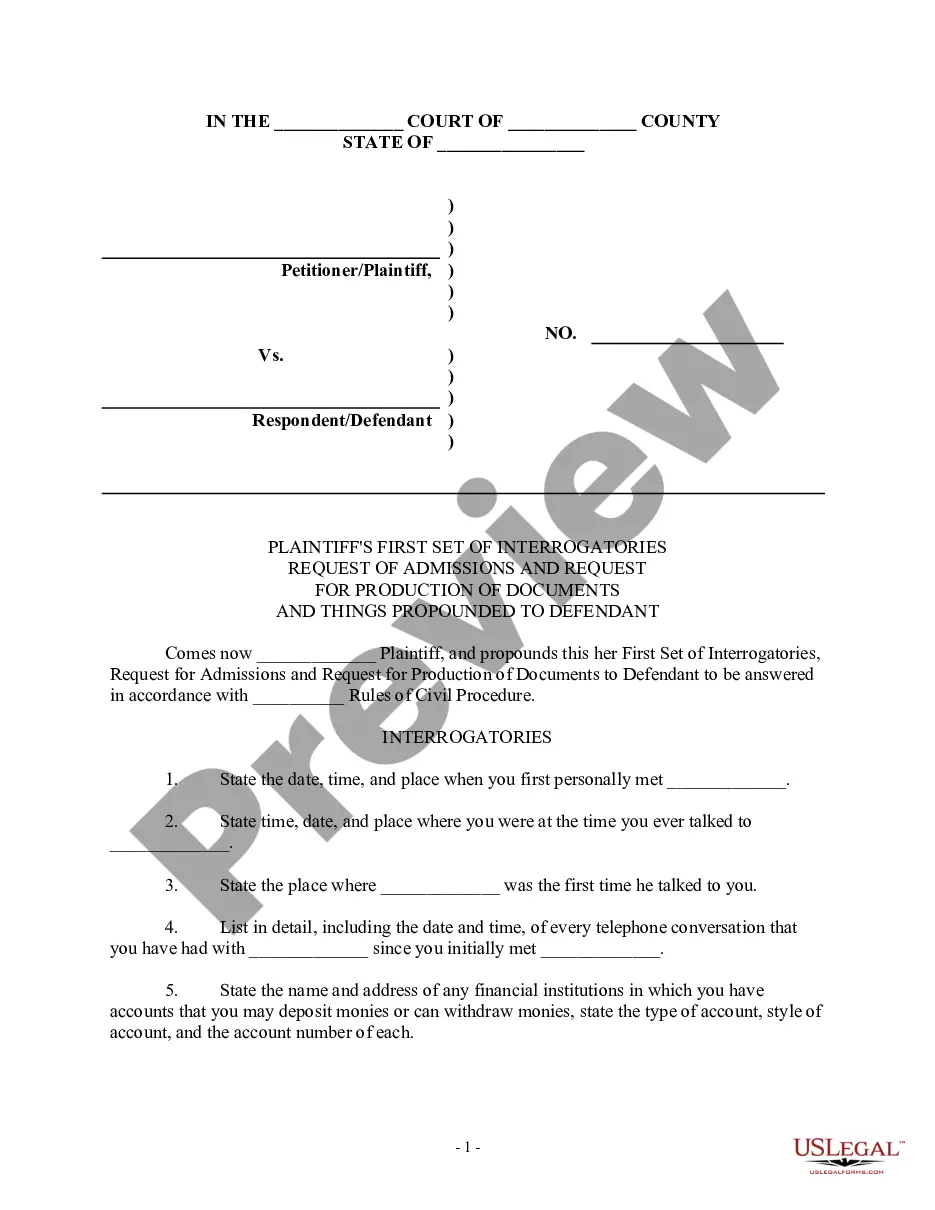
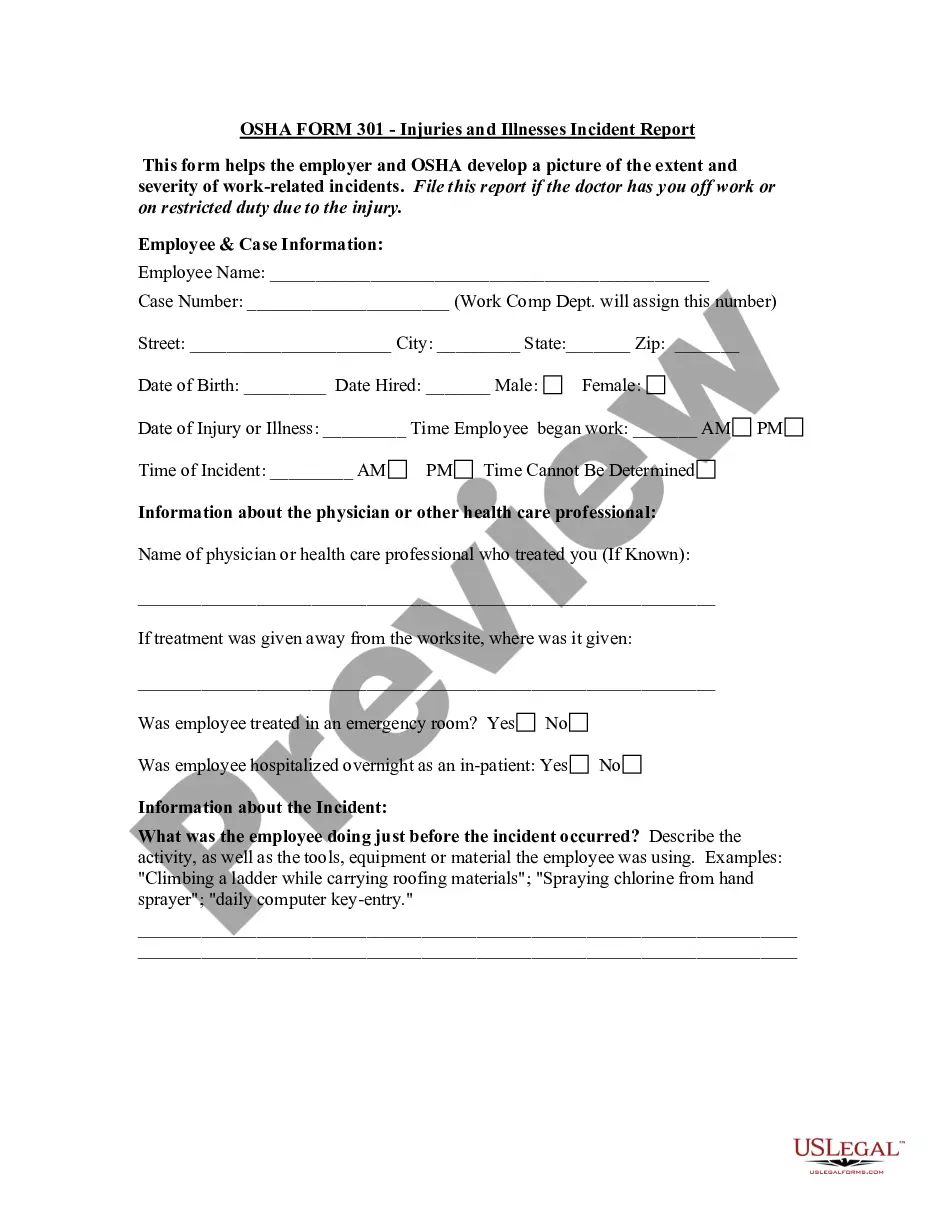
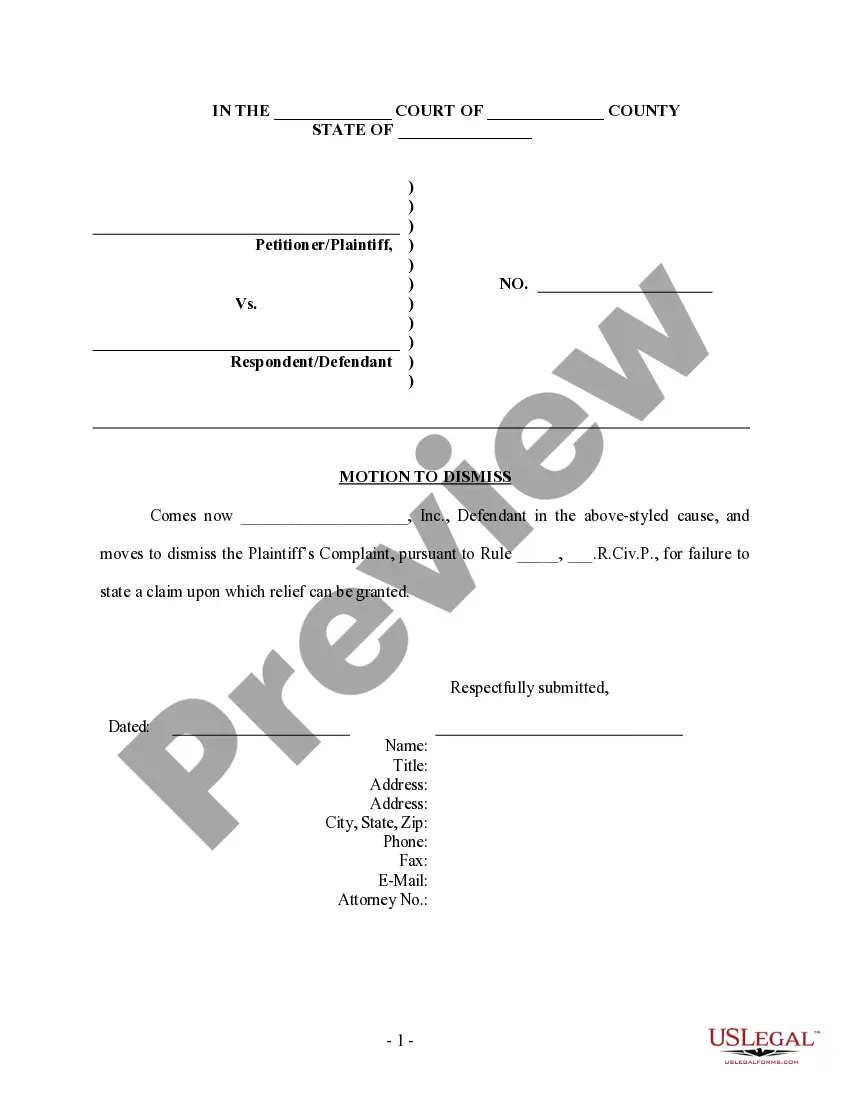

How to fill out Pennsylvania Correction Deed -?
- If you're a returning user, simply log in to your account and download the necessary form by clicking the Download button, ensuring your subscription is active.
- For first-time users, check the Preview mode to verify you've selected the correct form that adheres to local jurisdiction requirements.
- If the form doesn’t meet your needs, utilize the Search tab to find a more suitable document.
- Once you have identified the correct form, click on the Buy Now button, select your preferred subscription plan, and register for an account for full library access.
- Proceed with your purchase by entering your credit card information or using your PayPal account.
- Finally, download your form and save it on your device for future use. You can access it anytime in the My Forms section of your profile.
With US Legal Forms, you're empowered to manage legal documentation efficiently, backed by extensive resources and support.
Start leveraging their library today to ensure your legal forms are accurate and comply with the necessary requirements.
Form popularity
FAQ
The current roster of the Pennsylvania Supreme Court includes justices like Debra Todd, Kevin Dougherty, and Christine Donohue, among others. Each justice brings distinct perspectives and experiences, contributing to a comprehensive examination of cases. Understanding who these justices are can help you better appreciate the legal landscape in Pennsylvania and how their decisions affect your rights.
Writing to a Pennsylvania Supreme Court justice requires addressing your correspondence to the justice directly at the Supreme Court's address. Include your full name, contact information, and a clear, concise message regarding your inquiry or concern. Keep in mind that justices may not respond individually; however, providing a thoughtful message can still convey your points effectively.
The Pennsylvania Commonwealth Court consists of several judges, each bringing unique expertise to the bench. Notable judges include President Judge Mary Hannah Leavitt and Judge Patricia A. McCullough. This court primarily handles cases involving government agencies, thus playing an essential role in interpreting laws that affect Pennsylvanians daily.
To present a case to the Pennsylvania Supreme Court, you need to file a petition for allowance of appeal. This involves outlining the legal issues and demonstrating why your case merits the Court’s attention. It's crucial to ensure that your case presents significant legal questions or a compelling reason for the Court to review your situation. Utilizing resources such as USLegalForms can help you navigate this complex process effectively.
Becoming a Justice of the Pennsylvania Supreme Court typically involves a rigorous selection process influenced by legal experience, recommendations, and election by the public. Candidates often demonstrate exceptional legal knowledge and a strong professional reputation. If you are interested in understanding this process more deeply, resources like US Legal Forms can provide valuable insights.
Once a decision is made by the Pennsylvania Supreme Court, options for further appeal are limited. However, there may be certain petitions for reargument or reconsideration if new evidence surfaces or existing interpretations are challenged. US Legal Forms can guide you on the appropriate steps to consider for such a situation.
Yes, an appeal can be made to the Pennsylvania Supreme Court, but it is subject to strict eligibility criteria. Not every case can be appealed; frequent appeals stem from prior decisions of lower courts that raise significant legal questions. Consulting with resources from US Legal Forms can better prepare you for initiating an appeal.
A case may qualify for the Pennsylvania Supreme Court if it involves significant public interest or important constitutional issues. Additionally, if lower court decisions conflict or if there are different interpretations of the law across jurisdictions, your case may be heard. US Legal Forms provides useful templates and insights to help determine if your case merits Supreme Court review.
Grounds for appealing to the Pennsylvania Supreme Court can vary, but they typically include legal errors made by lower courts, disputes over the interpretation of law, or cases with statewide implications. It's crucial to identify and clearly state these grounds in your appeal. Engaging with US Legal Forms can help clarify these grounds and support your argument effectively.
When you wish to appeal to the PA Supreme Court, start by determining if your case qualifies for their review. Generally, you will need to present significant legal questions or conflicts in the law. Following this, you should draft and file your petition for allowance of appeal, paying attention to all required formats and timelines. Tools from US Legal Forms can provide the necessary guidance to strengthen your appeal case.