Oregon Life Estate Deed With Life Estate
Description
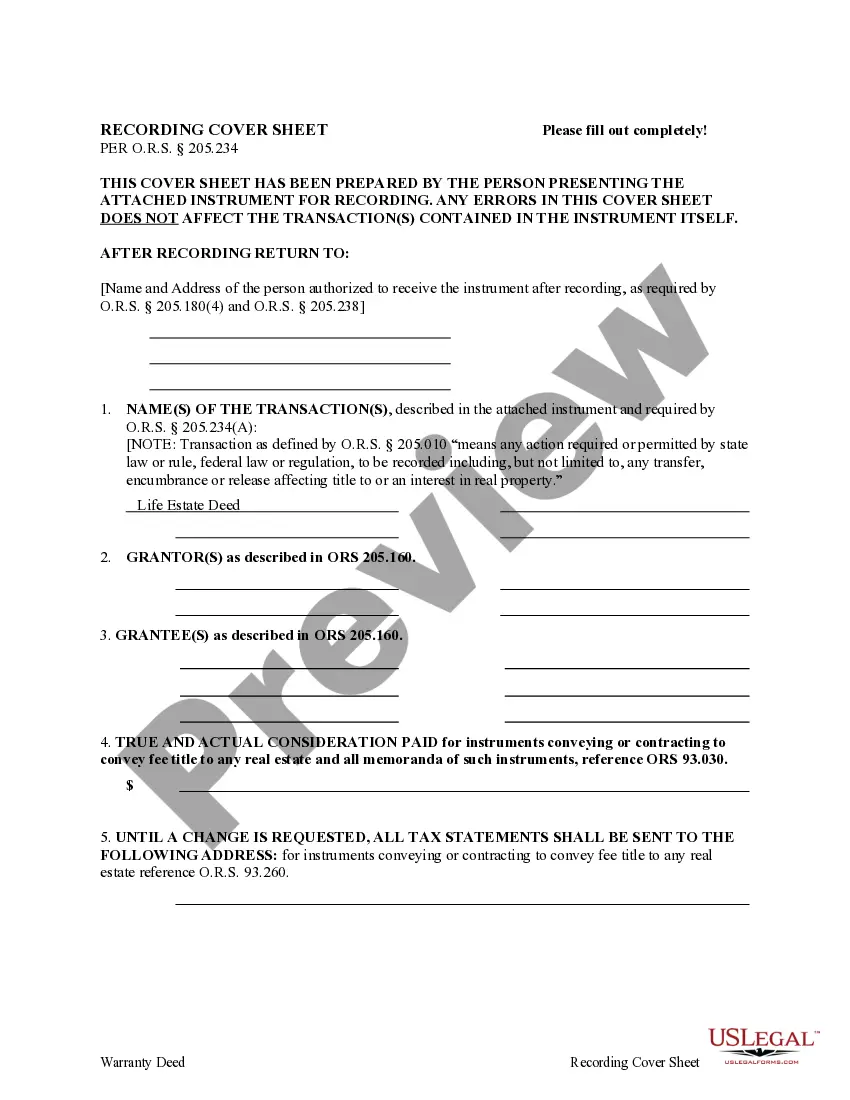
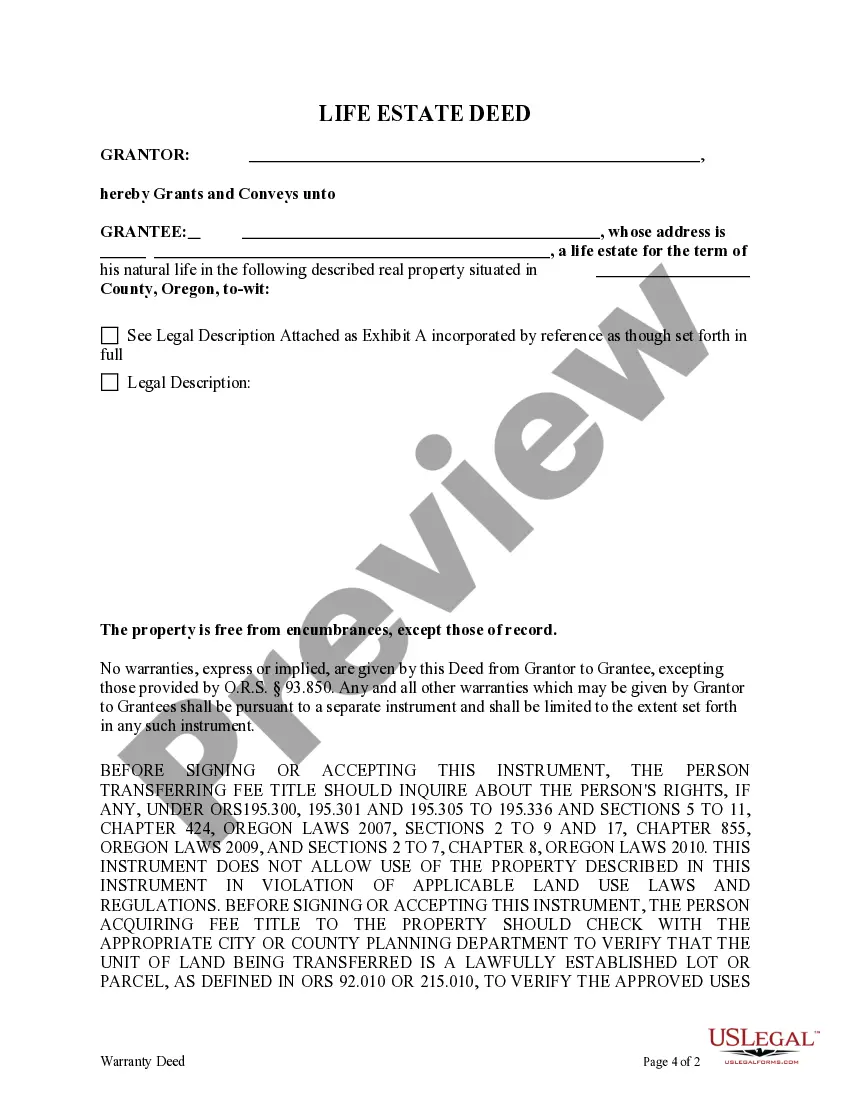


Get your form ready online
Our built-in tools help you complete, sign, share, and store your documents in one place.
Make edits, fill in missing information, and update formatting in US Legal Forms—just like you would in MS Word.
Download a copy, print it, send it by email, or mail it via USPS—whatever works best for your next step.
Sign and collect signatures with our SignNow integration. Send to multiple recipients, set reminders, and more. Go Premium to unlock E-Sign.
If this form requires notarization, complete it online through a secure video call—no need to meet a notary in person or wait for an appointment.
We protect your documents and personal data by following strict security and privacy standards.

Make edits, fill in missing information, and update formatting in US Legal Forms—just like you would in MS Word.

Download a copy, print it, send it by email, or mail it via USPS—whatever works best for your next step.

Sign and collect signatures with our SignNow integration. Send to multiple recipients, set reminders, and more. Go Premium to unlock E-Sign.

If this form requires notarization, complete it online through a secure video call—no need to meet a notary in person or wait for an appointment.

We protect your documents and personal data by following strict security and privacy standards.
Looking for another form?
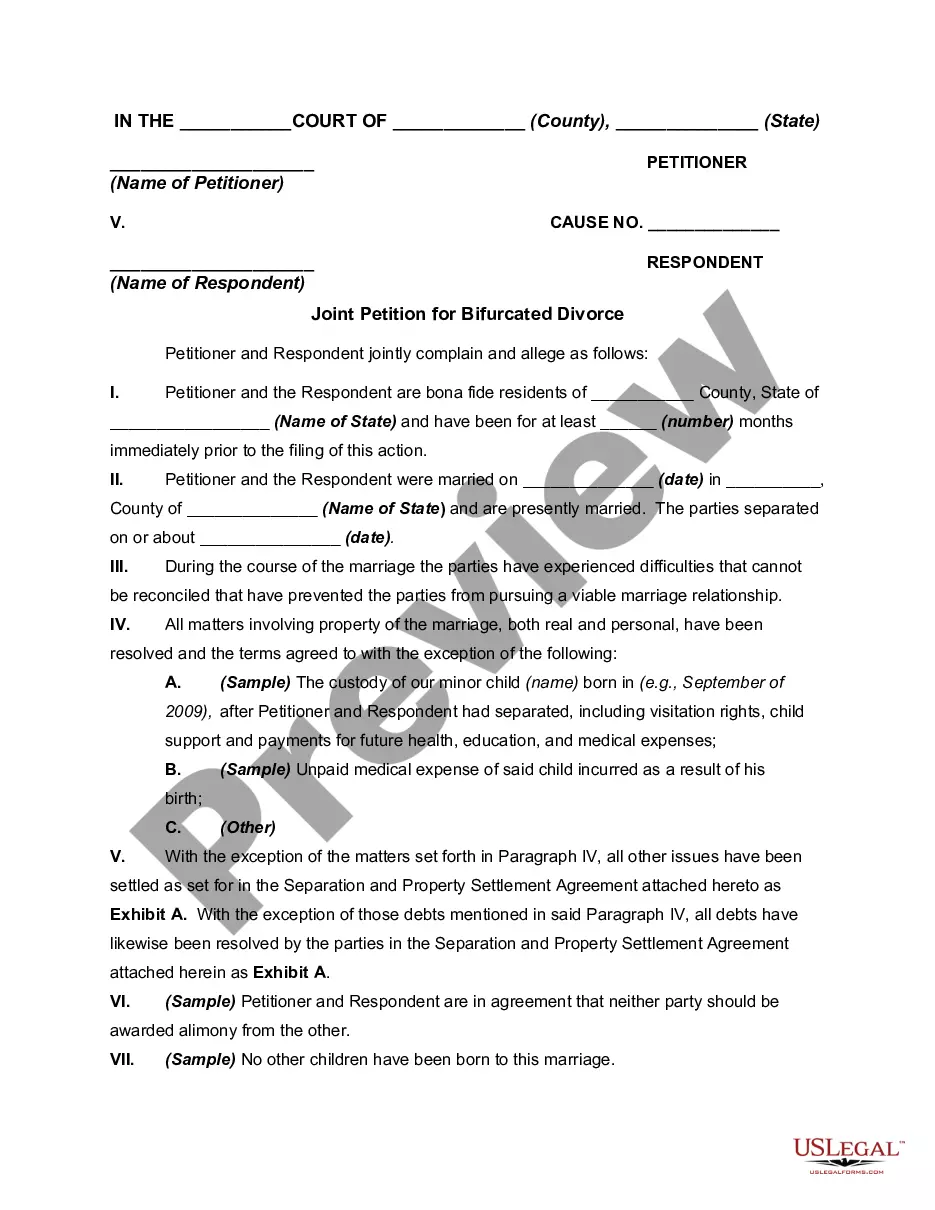
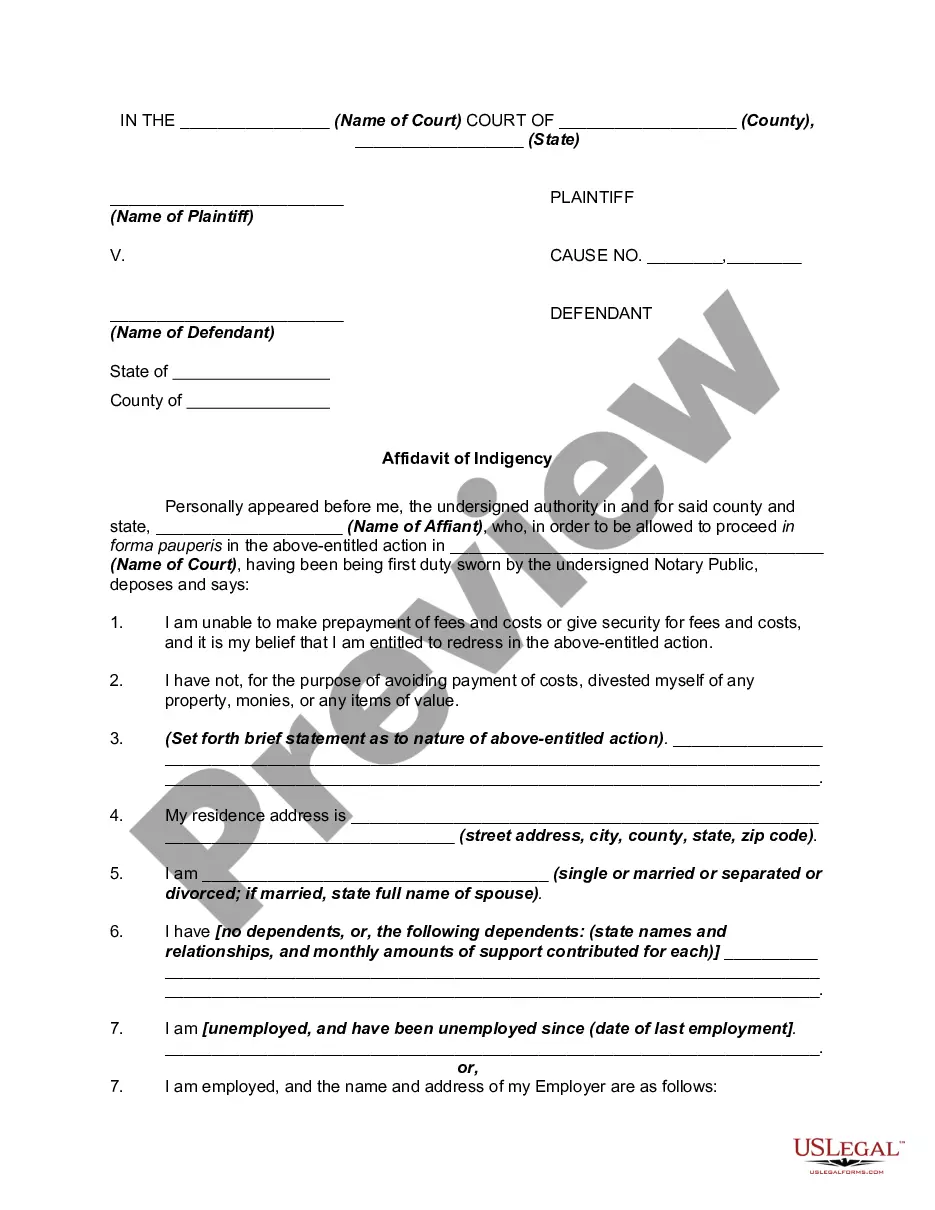
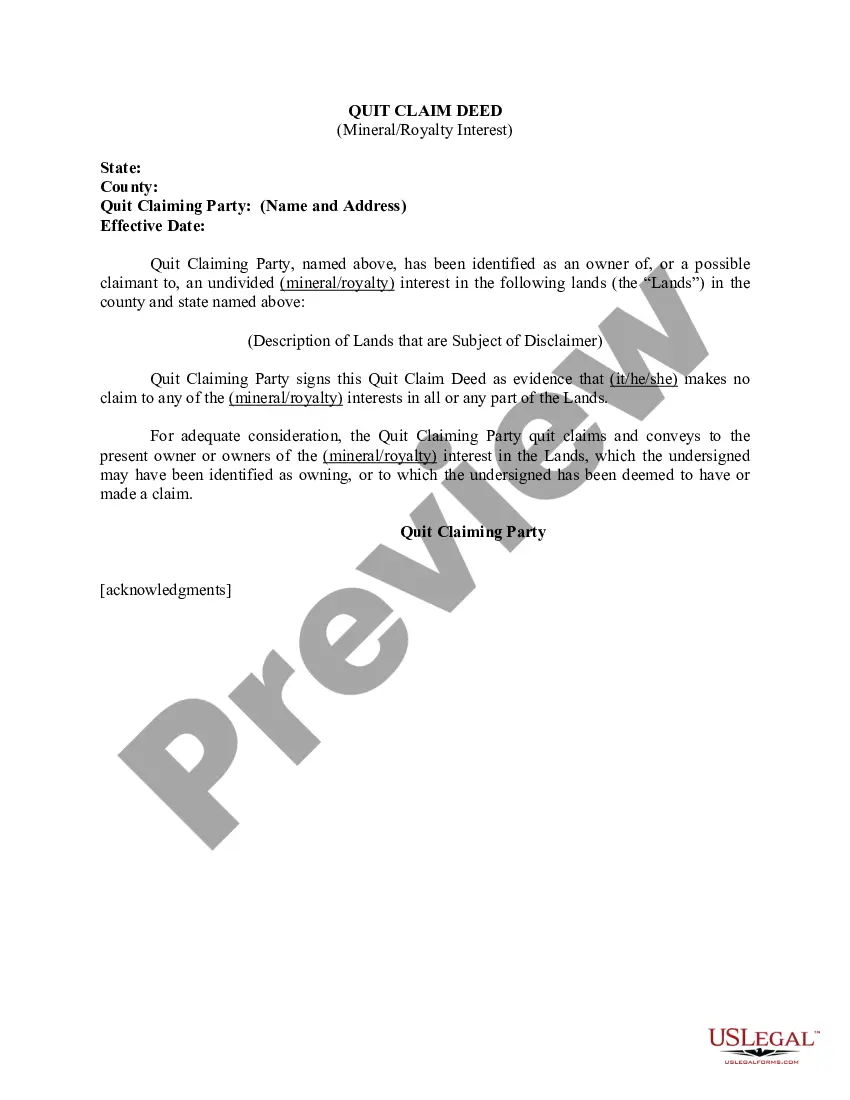
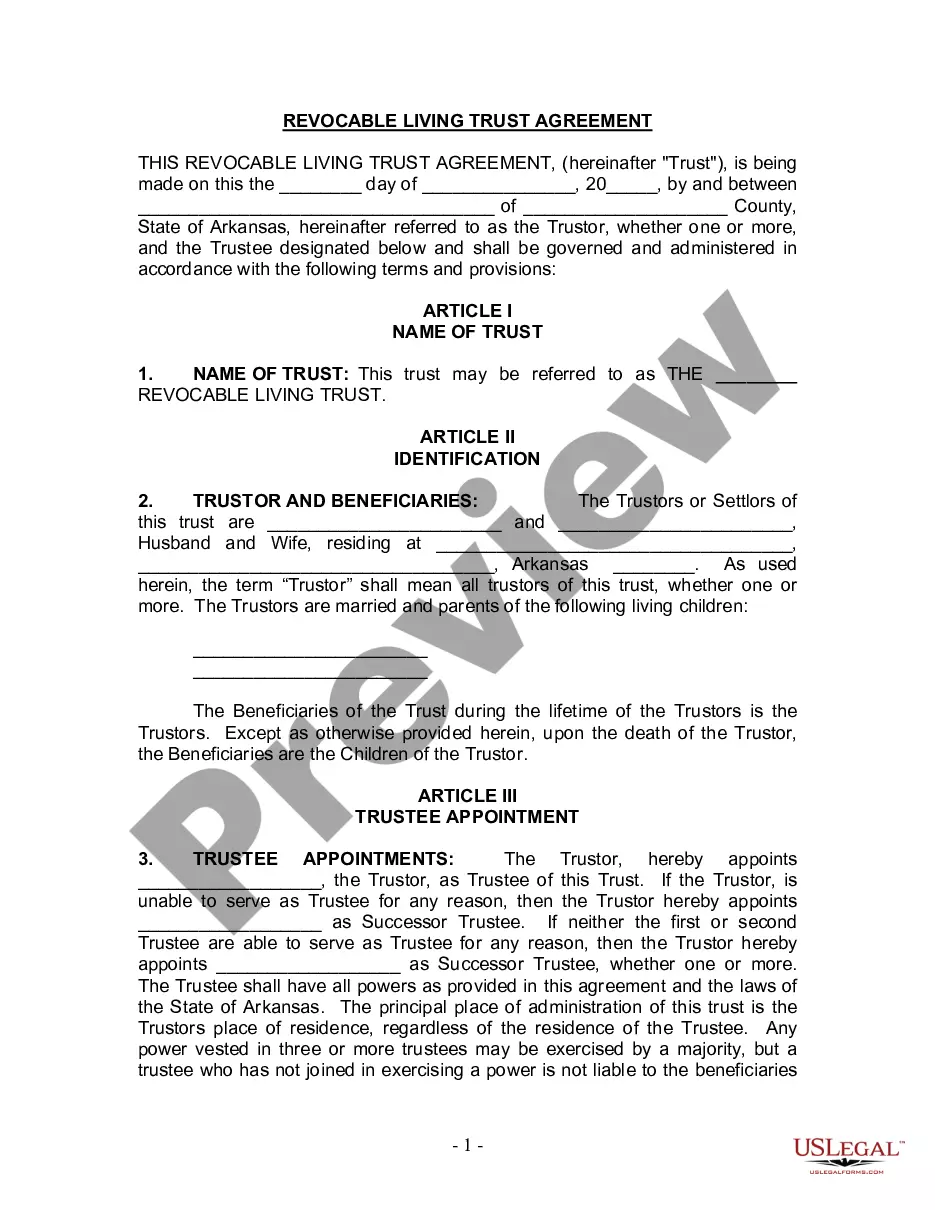
How to fill out Oregon Life Estate Deed From An Individual To An Individual.?
Regardless of whether it's for professional reasons or personal issues, everyone must handle legal matters at some time in their life.
Filling out legal documents necessitates meticulous attention, starting from selecting the correct form template. For instance, if you choose an incorrect version of the Oregon Life Estate Deed With Life Estate, it will be declined once submitted. Thus, it is crucial to obtain a reliable source of legal documents like US Legal Forms.
With an extensive US Legal Forms catalog available, you no longer need to waste time searching for the correct template online. Utilize the library’s straightforward navigation to locate the right template for any situation.
- Locate the template you require by utilizing the search bar or catalog navigation.
- Review the form’s description to confirm it aligns with your needs, state, and county.
- Click on the form’s preview to examine it.
- If it is the incorrect document, return to the search feature to find the Oregon Life Estate Deed With Life Estate template you seek.
- Download the file when it meets your specifications.
- If you possess a US Legal Forms account, click Log in to access previously saved documents in My documents.
- If you haven't created an account yet, you can acquire the form by clicking Buy now.
- Select the suitable pricing option.
- Fill out the account registration form.
- Choose your payment method: either a credit card or a PayPal account.
- Select the file format you desire and download the Oregon Life Estate Deed With Life Estate.
- Once it is saved, you can complete the form using editing software or print it and fill it out manually.
Form popularity
FAQ
To record an Oregon life estate deed with life estate, you need to complete the deed form accurately. After signing the document, you must file it with the county recorder's office where the property is located. This process ensures that the deed becomes part of public records, providing notice of the life estate arrangement. Using US Legal Forms can help you find the correct forms and guidance for this process.
An example of an Oregon life estate deed with life estate is when an individual, let's say Jane, transfers her property to her child, Mark, but retains the right to live in the home for the rest of her life. In this case, Jane is the life tenant, and Mark is the remainderman, who will receive full ownership after Jane passes away. This arrangement allows Jane to maintain her home while ensuring Mark's future ownership. For more detailed examples and templates, consider exploring resources on US Legal Forms.
To record an Oregon life estate deed with life estate, you need to draft the deed according to state requirements, ensuring that it clearly outlines the life tenant and remainderman. Next, visit your local county clerk's office to file the deed, as this step is essential for making the deed official. You may also want to check state-specific recording fees and provide necessary identification. Using a platform like US Legal Forms can simplify this process, providing templates and guidance tailored to your needs.
One disadvantage of an Oregon life estate deed with life estate is that it limits the property owner's control over the asset. Once the deed is created, the life tenant cannot sell or mortgage the property without the consent of the remainderman. Additionally, this type of deed can complicate estate planning, as it may lead to disputes among heirs. It's crucial to consider these factors when deciding if a life estate deed is the right choice for your situation.
(20) "Legal title" means legal ownership by a person. (21) "Life estate" means an interest in real or personal property that terminates upon the death of a measuring life.
You must sign the deed and get your signature notarized, and then record (file) the deed with the county clerk's office before your death. Otherwise, it won't be valid. The beneficiary's rights. The person you name in the TOD deed to inherit the property has no legal right to it until your death.
For example, a person can also own a life estate, which is the right to use property during their lifetime (or during the lifetime of some other specific individual). If there is a life estate, the property will pass to what is called the remainderman upon the end of the life in question.
The trust's beneficiary may be a spouse, the grantor's children, or a charitable organization. A life estate is also "irrevocable." Once a life estate deed is filed, the life tenant cannot alter the agreement without the consent of the remainderman.