Life Estate With Remainder Interest
Description
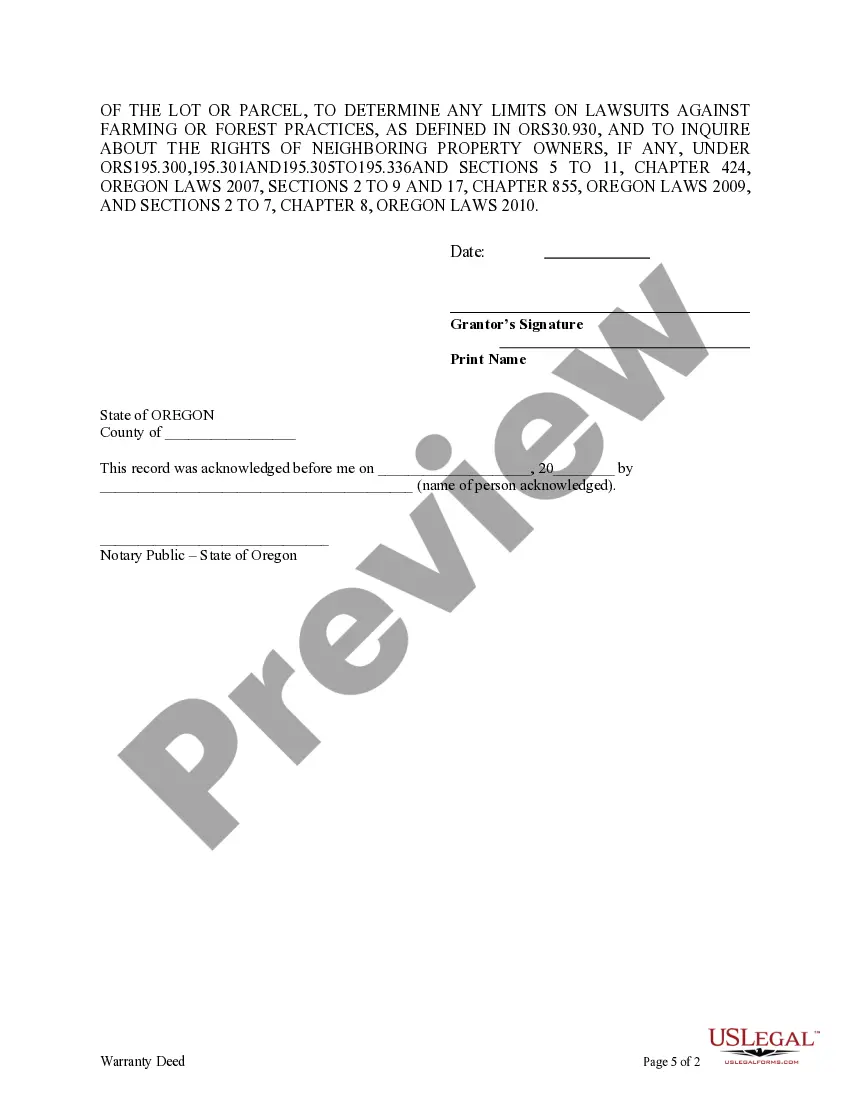


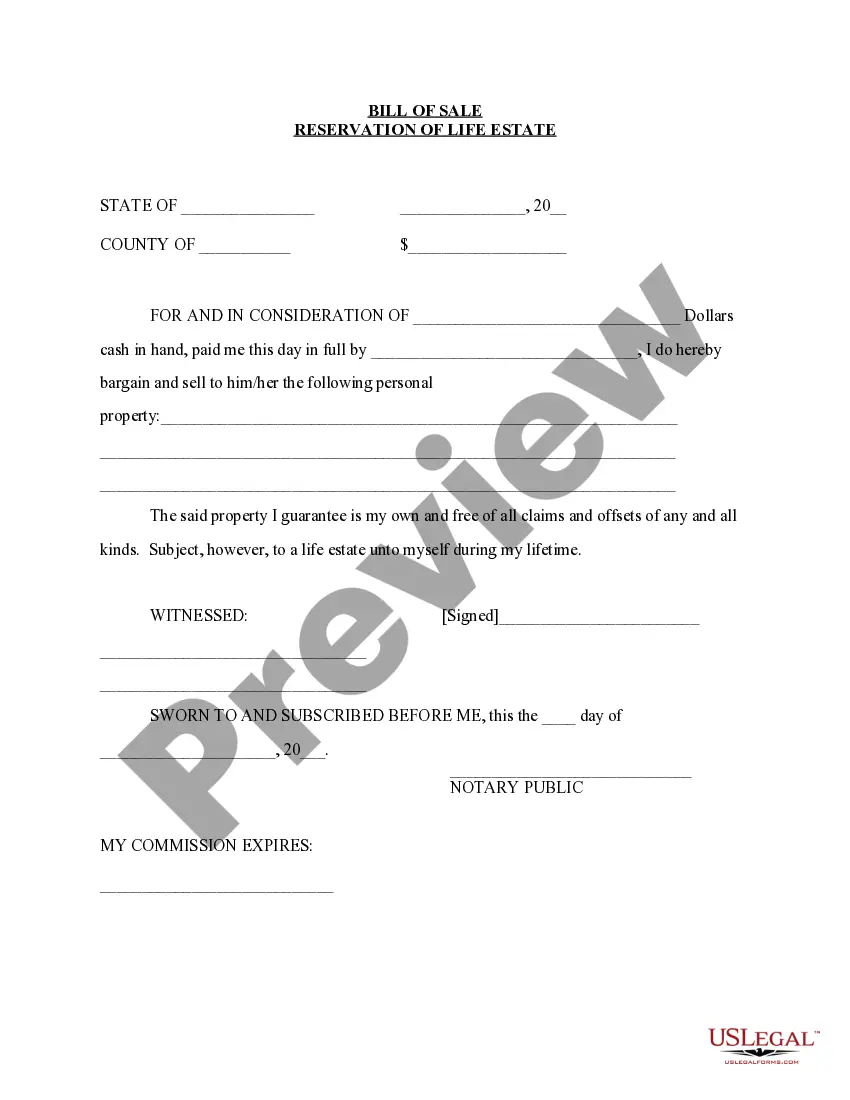
Get your form ready online
Our built-in tools help you complete, sign, share, and store your documents in one place.
Make edits, fill in missing information, and update formatting in US Legal Forms—just like you would in MS Word.
Download a copy, print it, send it by email, or mail it via USPS—whatever works best for your next step.
Sign and collect signatures with our SignNow integration. Send to multiple recipients, set reminders, and more. Go Premium to unlock E-Sign.
If this form requires notarization, complete it online through a secure video call—no need to meet a notary in person or wait for an appointment.
We protect your documents and personal data by following strict security and privacy standards.

Make edits, fill in missing information, and update formatting in US Legal Forms—just like you would in MS Word.

Download a copy, print it, send it by email, or mail it via USPS—whatever works best for your next step.

Sign and collect signatures with our SignNow integration. Send to multiple recipients, set reminders, and more. Go Premium to unlock E-Sign.

If this form requires notarization, complete it online through a secure video call—no need to meet a notary in person or wait for an appointment.

We protect your documents and personal data by following strict security and privacy standards.
Looking for another form?
How to fill out Oregon Life Estate Deed From An Individual To An Individual.?
Whether for commercial reasons or personal affairs, everyone must deal with legal circumstances at some stage in their lifetime.
Filling out legal documents demands meticulous care, starting with choosing the right form template.
With an extensive catalog from US Legal Forms available, you need not waste time searching for the right sample online. Utilize the library’s user-friendly navigation to discover the right form for any circumstance.
- Locate the document you require using the search bar or catalog browsing.
- Review the form’s details to confirm it suits your situation, state, and locality.
- Click on the form’s preview to examine it.
- If it is the wrong document, return to the search feature to locate the Life Estate With Remainder Interest template you require.
- Obtain the template once it aligns with your needs.
- If you possess a US Legal Forms account, simply click Log in to access previously saved documents in My documents.
- In case you do not have an account yet, you can purchase the form by selecting Buy now.
- Choose the appropriate pricing option.
- Complete the account registration form.
- Select your payment method: utilize a credit card or PayPal account.
- Choose the file format you prefer and download the Life Estate With Remainder Interest.
- Once it is stored, you can fill out the form using editing software or print it and fill it out by hand.
Form popularity
FAQ
The difference between a life interest and a remainder interest lies in the timing of ownership. A life interest grants the right to use and enjoy a property during the life tenant's lifetime. In contrast, a remainder interest refers to the future right to ownership that kicks in once the life interest ends. Understanding this distinction helps individuals make informed decisions about their estate planning.
A remainder interest refers to the rights of an individual to receive property after the termination of a life estate. In a life estate with a remainder interest, the remainderman does not have control over the property until the life tenant passes away. This arrangement protects the future interests of the property. It can be a strategic way to manage inheritance and property distribution.
A life estate with a remainder interest is a legal arrangement where one person, the life tenant, has the right to live in a property for their lifetime. After their death, ownership transfers to another person, known as the remainderman. This setup allows for effective estate planning. It ensures that property passes directly to the intended heir without going through probate.
A remainder interest signifies a legal right to a property that becomes effective after a life estate ends. In practical terms, it means the remainderman will inherit the property once the life tenant passes away. This an important concept within estate planning, as it helps outline the future ownership and use of the property under a life estate with remainder interest agreement.
Life interest refers to the rights held by an individual to use a property for the duration of their lifetime. Remainder interest, on the other hand, is the future interest that allows the remainderman to take over ownership once the life interest concludes. This arrangement is frequently seen in estate planning and provides a clear path for property transfer, ensuring that intended beneficiaries benefit from the life estate with remainder interest.
The remainderman is the individual who holds the remainder interest in a property. Essentially, the remainderman will gain ownership once the life estate terminates, usually upon the life tenant's death. It is important to clearly define the roles of both parties in any agreement involving a life estate with remainder interest, which can help avoid future disputes.
A life estate grants an individual the right to use and occupy a property during their lifetime, while a remainder interest refers to the right to possess the property after the life estate ends. In essence, the life tenant has immediate enjoyment of the property, while the remainderman awaits their opportunity to take full ownership. Understanding both concepts is crucial in estate planning involving a life estate with remainder interest.
A life estate can limit your control over the property, as you cannot sell or mortgage it without the consent of the remainderman. Additionally, upon your passing, the property automatically transfers to the remainderman, which means you cannot pass it to others in your estate. This arrangement can complicate estate planning and limit the transfer of wealth.
An example of a remainder interest is when parents create a trust for their property, allowing them to live in it during their lifetimes while designating their children as remaindermen. Upon the parents' deaths, the property will automatically transfer to the children, who will then hold full ownership. This arrangement provides peace of mind and clarity regarding inheritance, ensuring your assets are managed according to your wishes.
The tax basis for the remainderman is typically the fair market value of the property at the time of the life tenant's death. As mentioned earlier, this is known as the stepped-up basis, which can provide substantial tax savings when the property is sold. By knowing the tax implications, you can effectively plan for financial outcomes and minimize tax burdens.