Life Estate For Home
Description
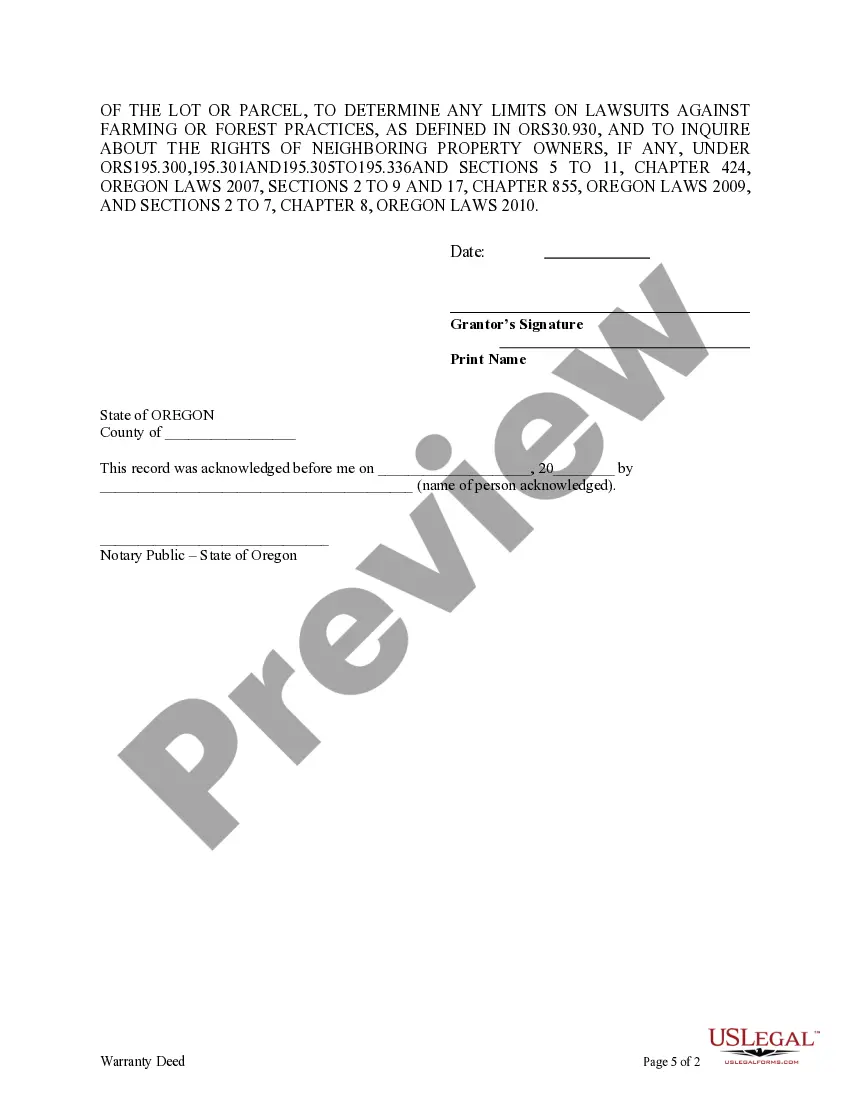


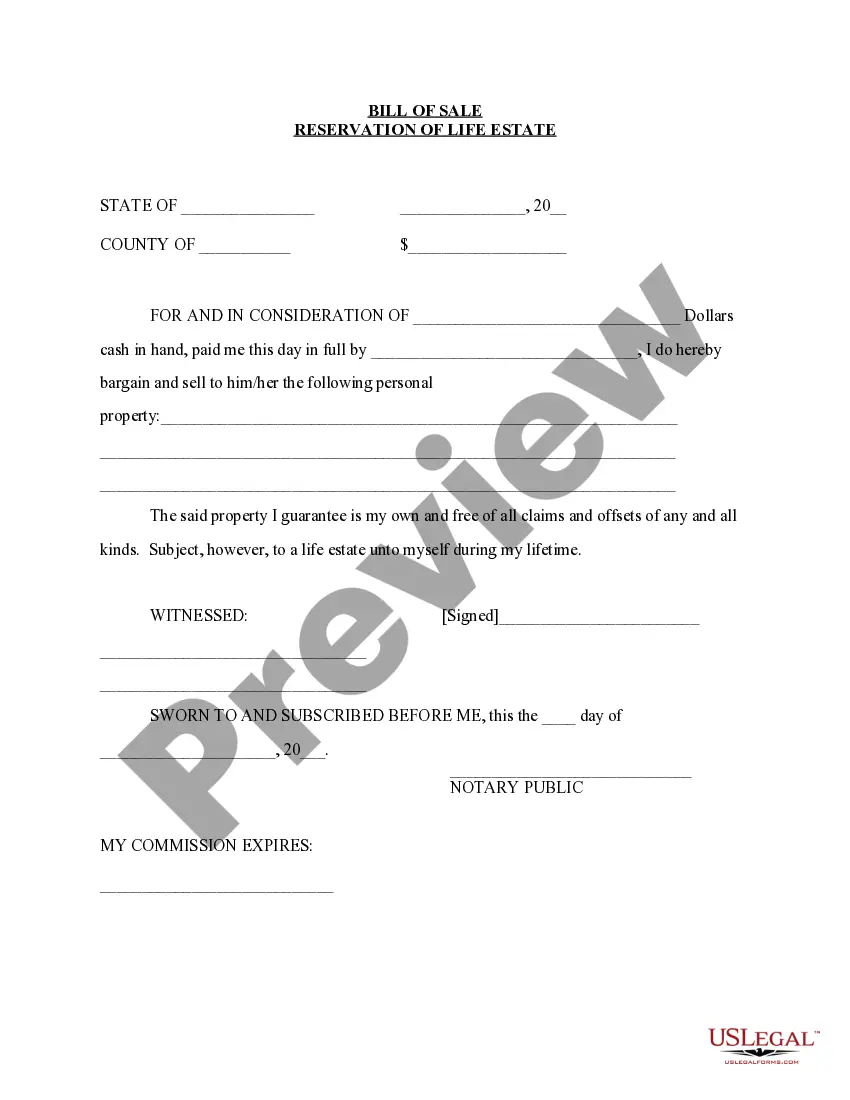
Get your form ready online
Our built-in tools help you complete, sign, share, and store your documents in one place.
Make edits, fill in missing information, and update formatting in US Legal Forms—just like you would in MS Word.
Download a copy, print it, send it by email, or mail it via USPS—whatever works best for your next step.
Sign and collect signatures with our SignNow integration. Send to multiple recipients, set reminders, and more. Go Premium to unlock E-Sign.
If this form requires notarization, complete it online through a secure video call—no need to meet a notary in person or wait for an appointment.
We protect your documents and personal data by following strict security and privacy standards.

Make edits, fill in missing information, and update formatting in US Legal Forms—just like you would in MS Word.

Download a copy, print it, send it by email, or mail it via USPS—whatever works best for your next step.

Sign and collect signatures with our SignNow integration. Send to multiple recipients, set reminders, and more. Go Premium to unlock E-Sign.

If this form requires notarization, complete it online through a secure video call—no need to meet a notary in person or wait for an appointment.

We protect your documents and personal data by following strict security and privacy standards.
Looking for another form?

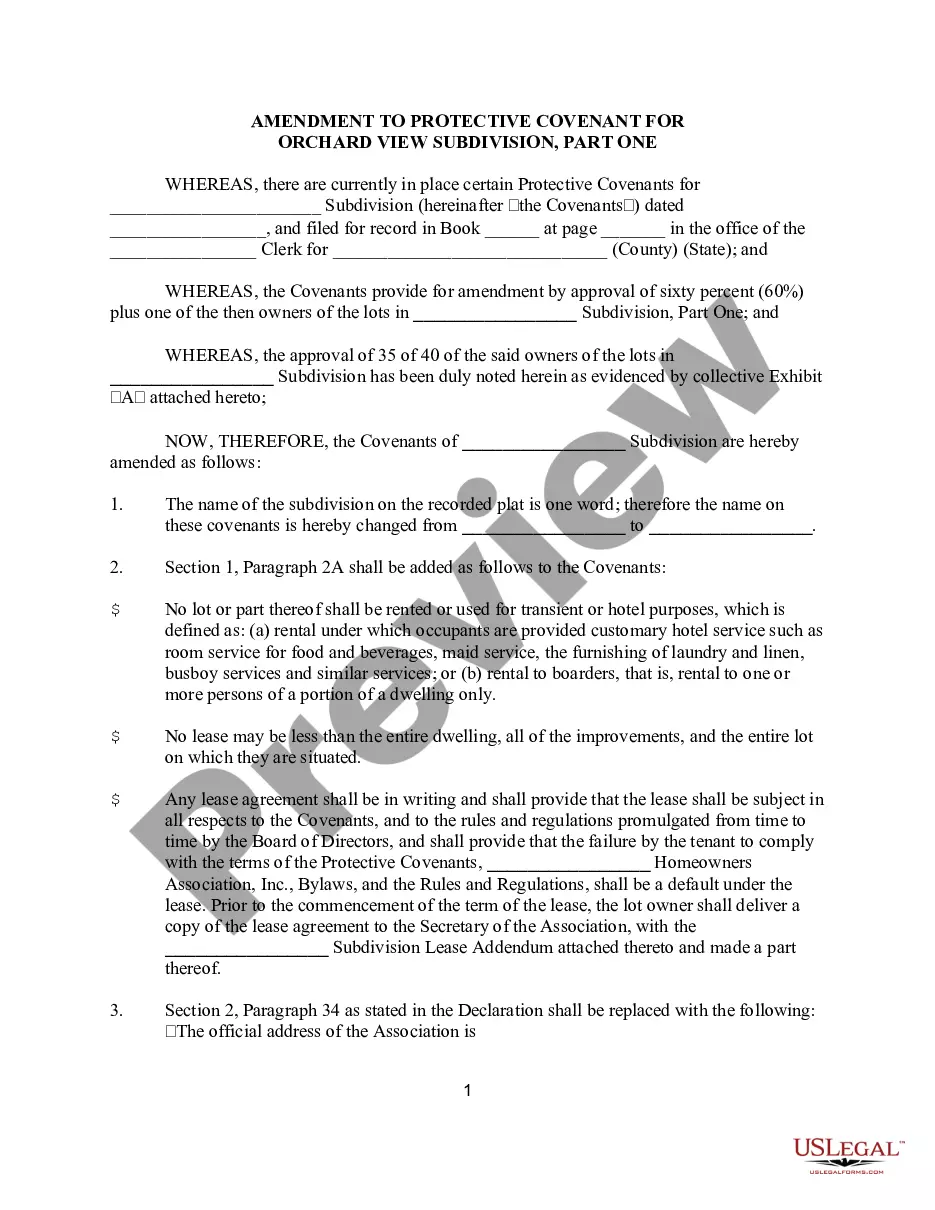





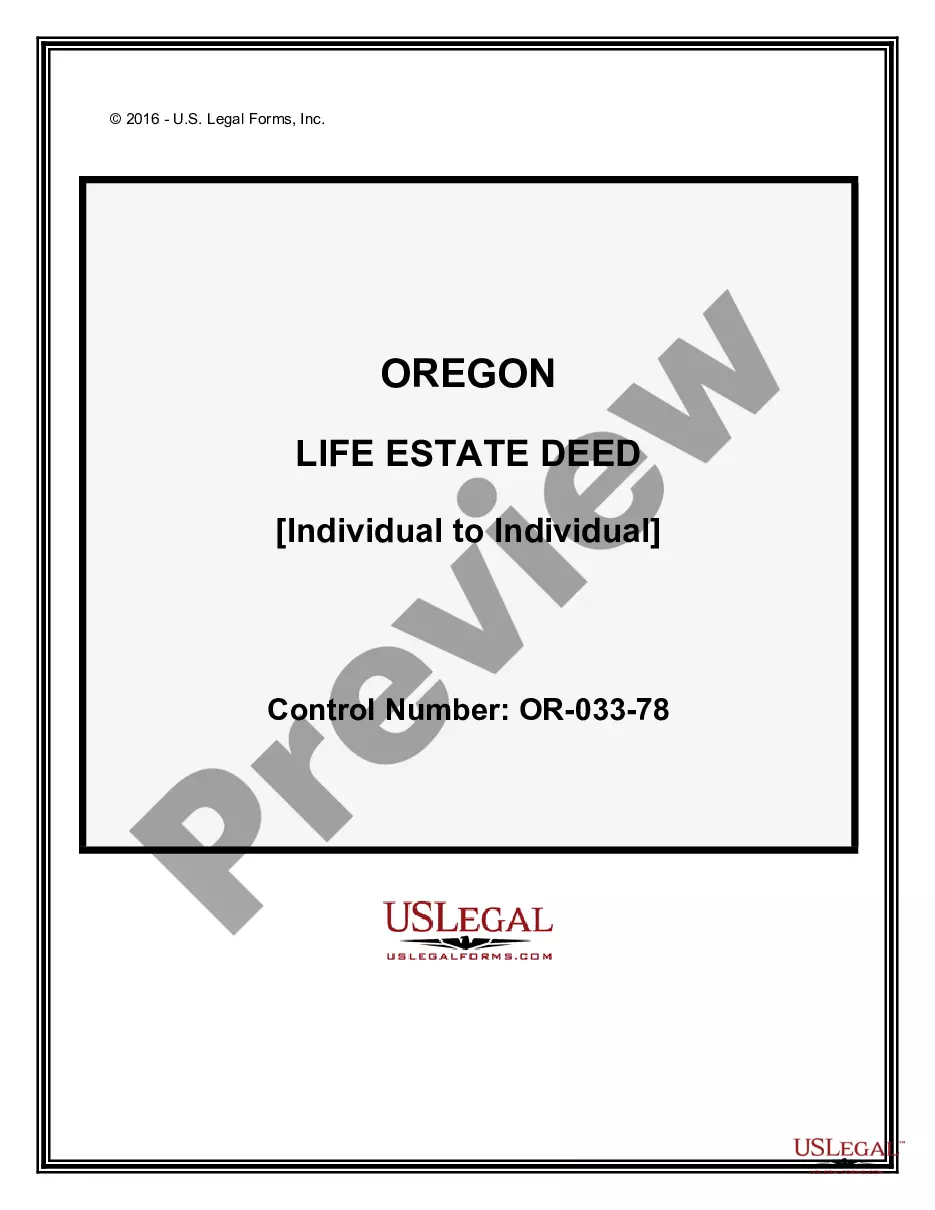
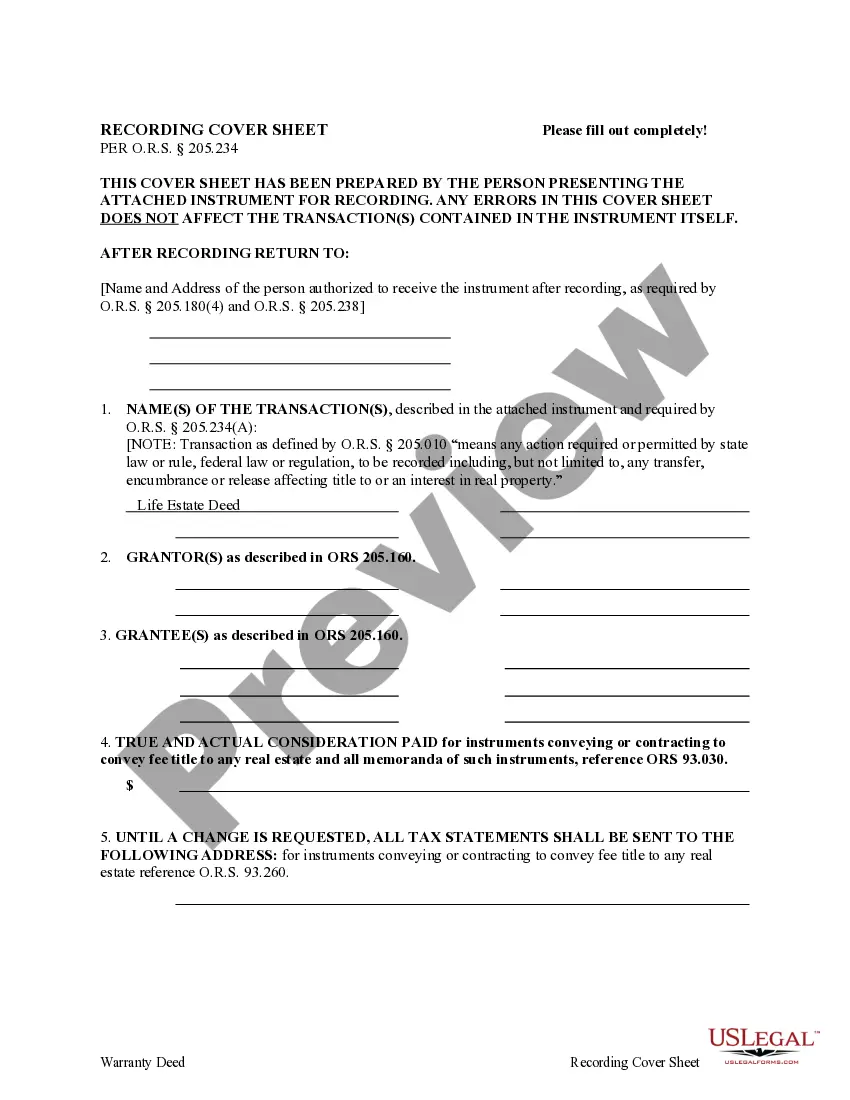
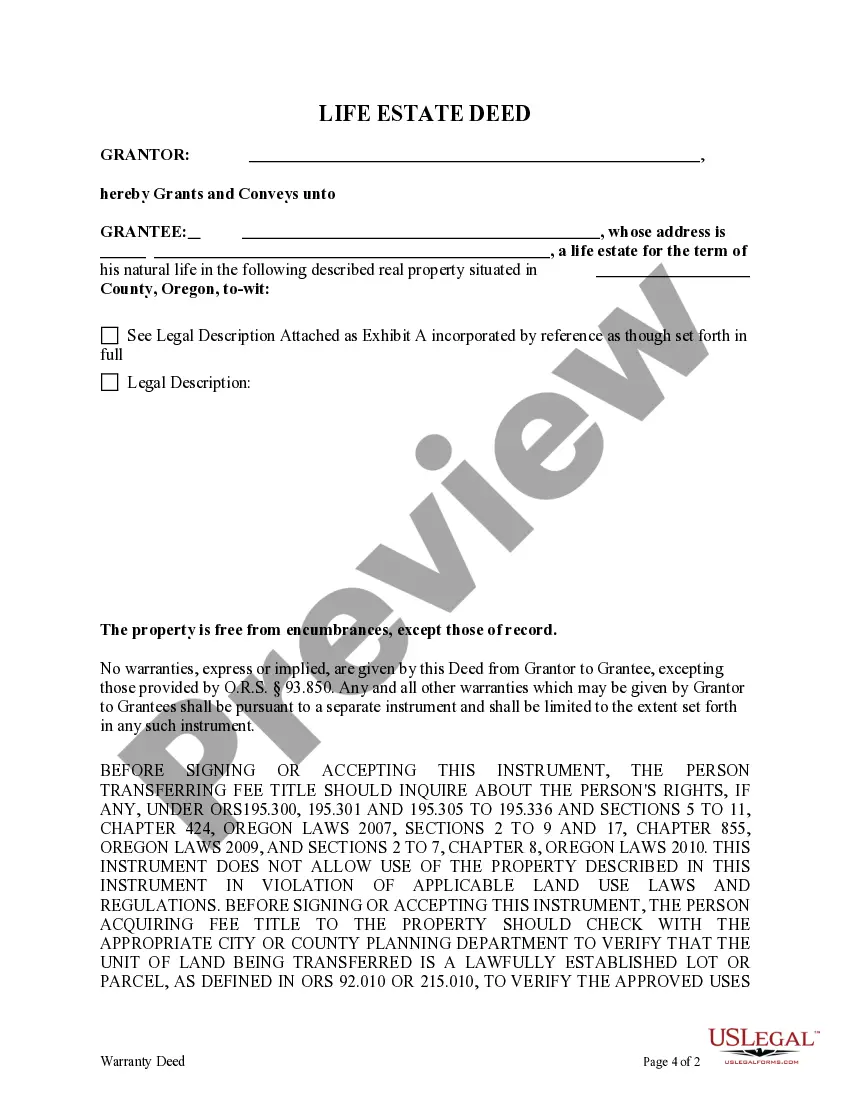
How to fill out Oregon Life Estate Deed From An Individual To An Individual.?
Managing legal documents can be daunting, even for the most experienced experts.
If you are looking for a Life Estate For Home and lack the time to find the suitable and current version, the process can be stressful.
Utilize a database of articles, guides, handbooks, and resources related to your specific situation and requirements.
Save time and effort searching for the required paperwork using US Legal Forms’ advanced search and Preview feature to find Life Estate For Home and obtain it.
Benefit from the US Legal Forms online library, supported by 25 years of expertise and dependability. Streamline your document management process today in a simple and intuitive way.
- If you have a membership, Log In to your US Legal Forms account, search for the form, and download it.
- Check the My documents section to view the documents you've saved and manage your folders as needed.
- If this is your first time using US Legal Forms, create an account and gain unlimited access to all platform benefits.
- After obtaining your desired form, verify that it is the correct one by previewing it and reviewing its details.
- Make sure the sample is approved in your state or county.
- Select Buy Now when you are ready.
- Choose a monthly subscription plan.
- Select your preferred file format, and Download, complete, sign, print, and send your documents.
- Access state- or county-specific legal and business forms.
- US Legal Forms addresses any needs you may have, ranging from personal to business documents, all in one location.
- Use advanced tools to complete and manage your Life Estate For Home.
Form popularity
FAQ
To fill out a life estate for home deed, start by entering the name of the grantor, the life tenant, and the remainderman. Clearly describe the property and state that it is a life estate deed. Make sure to sign the form and have it notarized to authenticate it. Using US Legal Forms can help ensure you capture all necessary details correctly.
Filing a life estate for home begins with completing the deed accurately. After that, you’ll need to sign and notarize it, then bring the deed to your county recorder's office. Keep in mind that various jurisdictions may have different forms or requirements, so double-check these before filing. You can find helpful resources and templates on US Legal Forms to simplify the process.
While a life estate for home provides benefits, it also comes with potential drawbacks. The life tenant cannot sell or modify the property without the consent of the remainderman. Additionally, life estates do not offer protection from creditors, meaning that if debts arise, the estate may still be vulnerable. It's wise to weigh these factors carefully before proceeding.
To record a life estate for home, you need to file the deed with your local county recorder's office. Make sure the deed is signed by the grantor and notarized to ensure its validity. Once recorded, it publicly establishes the life estate, allowing the designated individual to reside in the home for their lifetime. For further guidance, consider using US Legal Forms to access proper templates.
Calculating the value of a life estate for home involves determining the present value of the property and the life expectancy of the person holding the life estate. The calculation typically uses actuarial tables to assess how long the individual is likely to live, applying a discount rate to find the present value. This value helps in various scenarios, such as estate planning or tax implications. Tools available through US Legal Forms can simplify this calculation, providing you with valuable insights.
The most common way to create a life estate for home is through a deed. In this process, the property owner transfers the home to a new owner while retaining the right to live in it for the rest of their life. This arrangement allows you to enjoy the benefits of homeownership while ensuring that the property passes to your chosen beneficiaries upon your passing. Using US Legal Forms, you can easily draft the necessary deed to establish a life estate for your home.
While a life estate provides several benefits, it does come with some downsides. For instance, the life tenant remains responsible for property taxes and maintenance expenses. Furthermore, if the life tenant has significant debts, they may lose their interest in the property to creditors. It’s essential to carefully consider these aspects before establishing a life estate for home.
Creating a life estate for home can provide security and peace of mind for individuals and their families. It allows the owner to continue living in their property while ensuring that it passes directly to a chosen heir upon their death. This arrangement can simplify estate planning, potentially reducing costs associated with probate. Utilizing services from USLegalForms can facilitate this setup effectively.
A life estate deed in GA allows you to grant someone the right to live in your home for the duration of their life. This legal arrangement ensures that upon death, the property automatically transfers to a designated remainderman. It's a popular choice in estate planning, helping to avoid probate and streamline the transfer process. If you’re considering this, platforms like USLegalForms can provide the necessary documents.
One downside of a life estate for home is limited control over the property. The life tenant cannot sell or modify the estate without the agreement of the remainderman. Additionally, if the life tenant incurs debt or faces financial issues, creditors may target the property. It's crucial to weigh these factors when considering a life estate.