Estate For Life Real Estate
Description
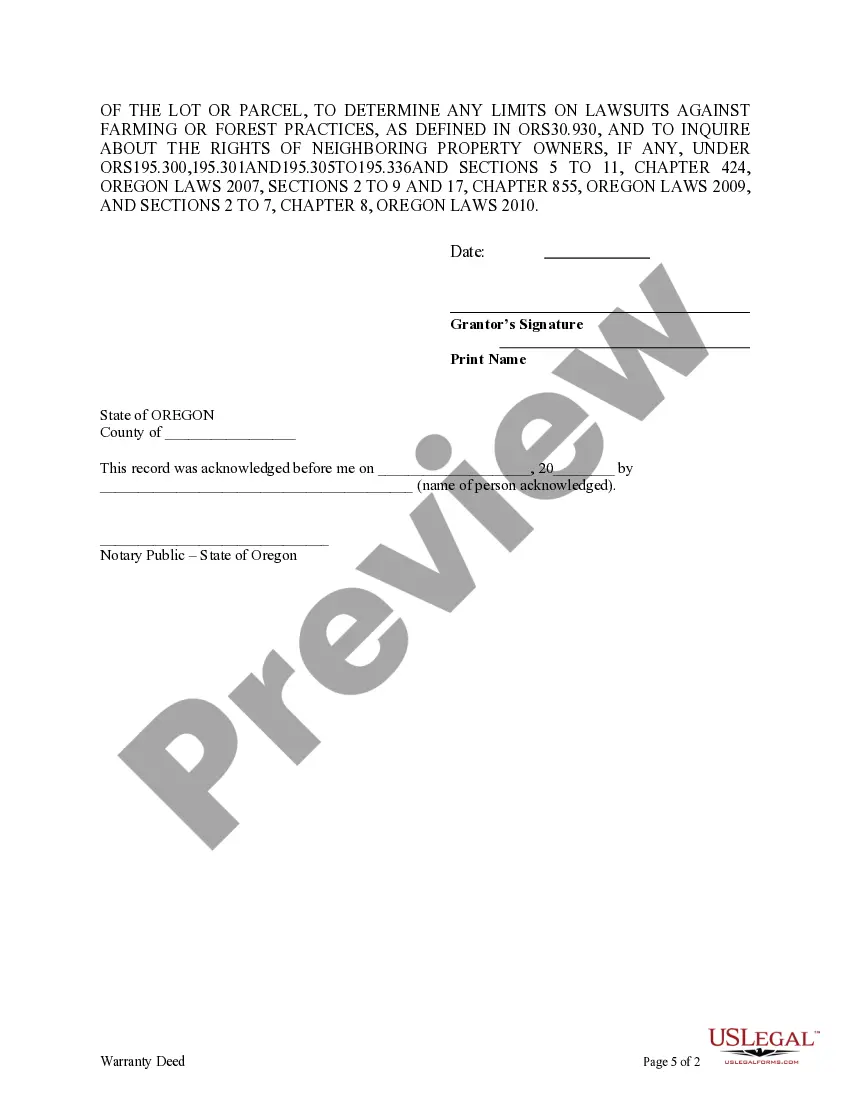


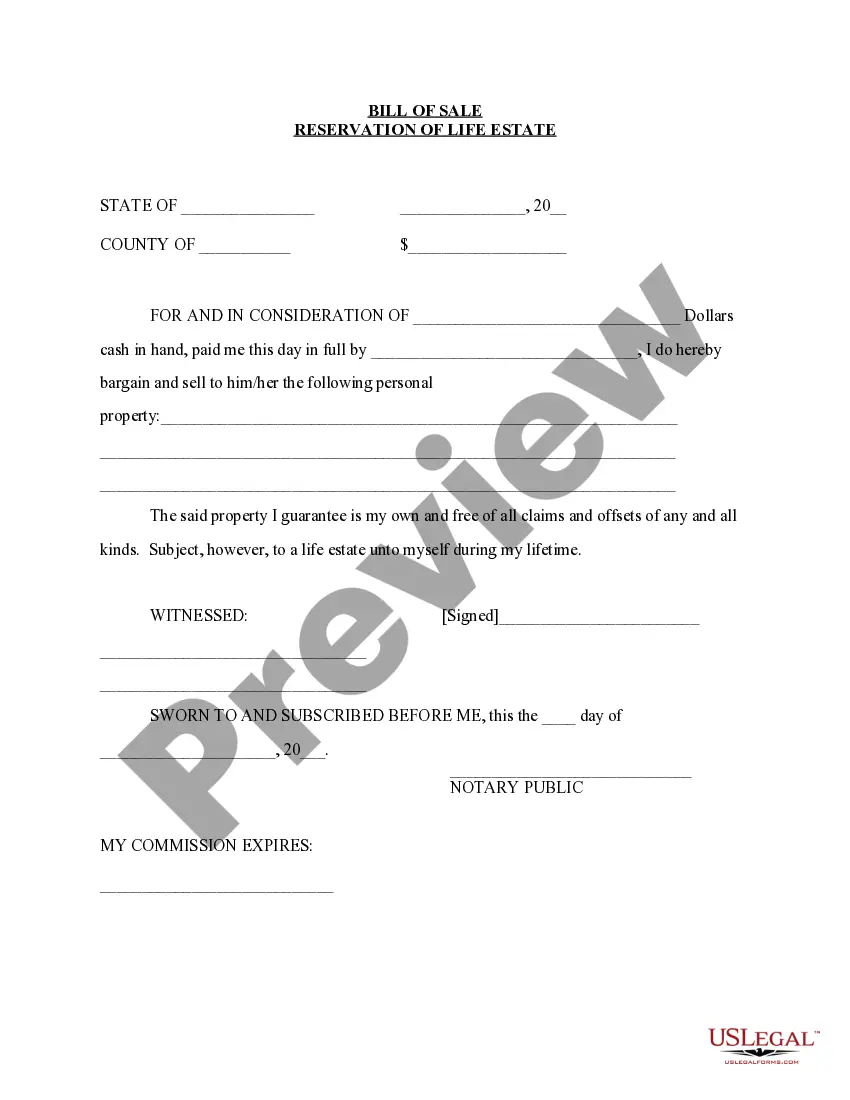
Get your form ready online
Our built-in tools help you complete, sign, share, and store your documents in one place.
Make edits, fill in missing information, and update formatting in US Legal Forms—just like you would in MS Word.
Download a copy, print it, send it by email, or mail it via USPS—whatever works best for your next step.
Sign and collect signatures with our SignNow integration. Send to multiple recipients, set reminders, and more. Go Premium to unlock E-Sign.
If this form requires notarization, complete it online through a secure video call—no need to meet a notary in person or wait for an appointment.
We protect your documents and personal data by following strict security and privacy standards.

Make edits, fill in missing information, and update formatting in US Legal Forms—just like you would in MS Word.

Download a copy, print it, send it by email, or mail it via USPS—whatever works best for your next step.

Sign and collect signatures with our SignNow integration. Send to multiple recipients, set reminders, and more. Go Premium to unlock E-Sign.

If this form requires notarization, complete it online through a secure video call—no need to meet a notary in person or wait for an appointment.

We protect your documents and personal data by following strict security and privacy standards.
Looking for another form?



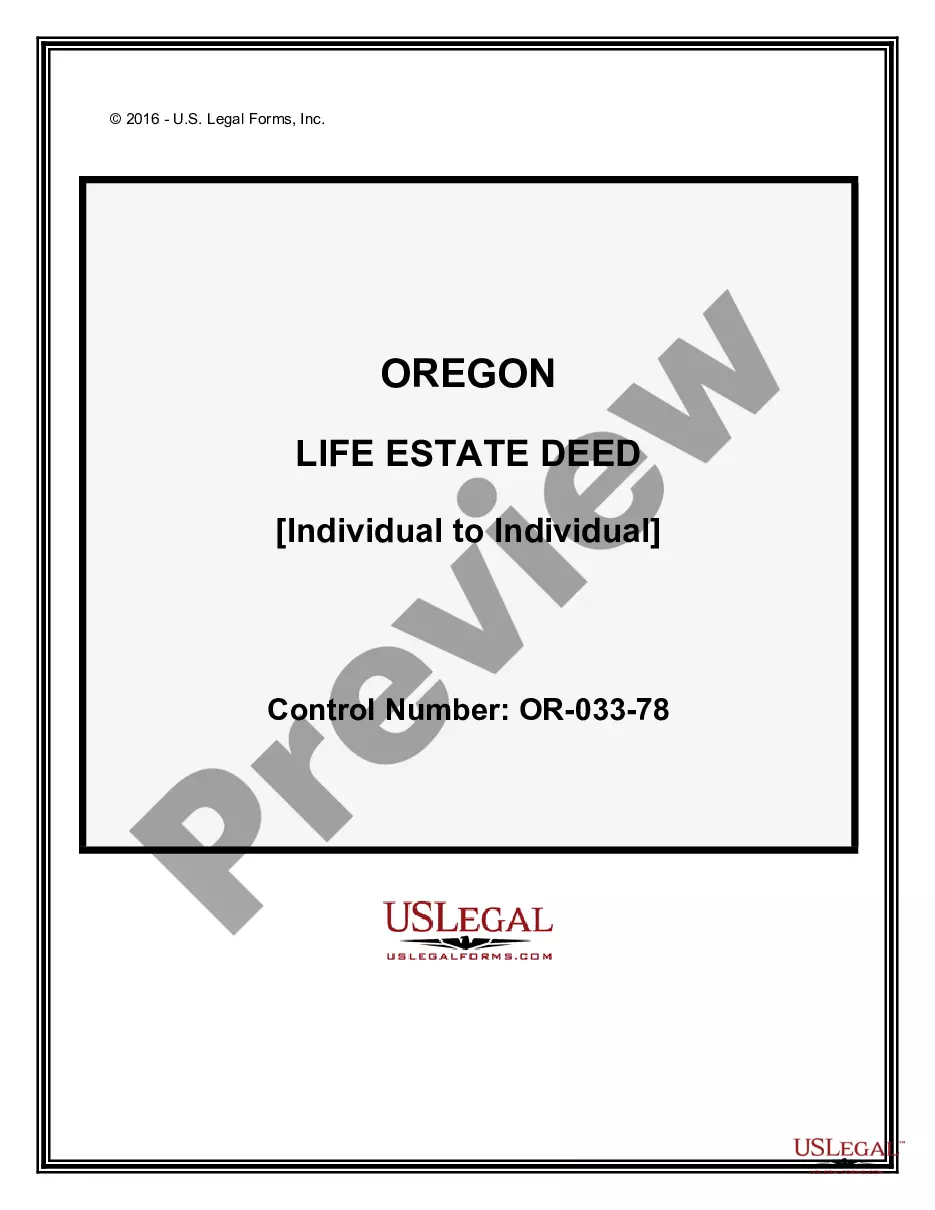
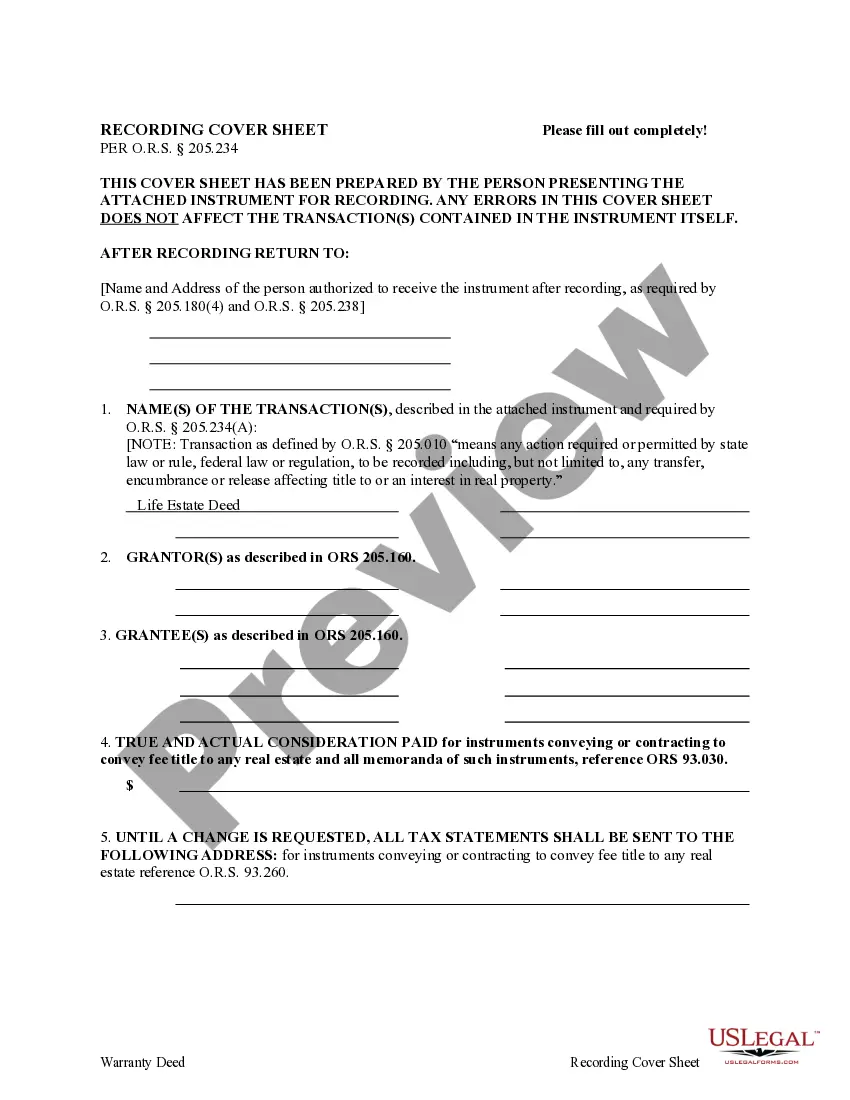
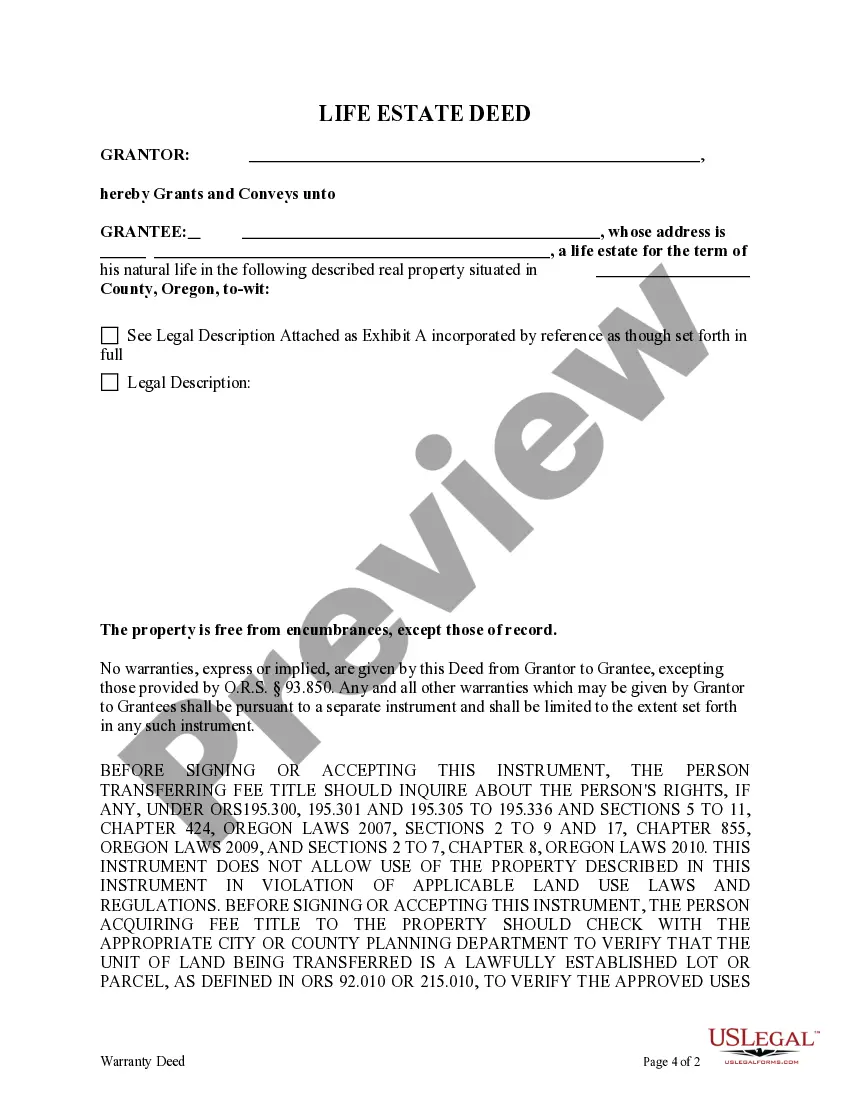
How to fill out Oregon Life Estate Deed From An Individual To An Individual.?
- Log into your US Legal Forms account if you're a returning user. Ensure your subscription is active; if it's expired, renew it per your chosen payment plan.
- If you’re new, start by reviewing the Preview mode and form descriptions to find a document that meets your requirements for estate for life transactions.
- Search for any additional templates you might need using the Search tab if the initial options don't meet your criteria.
- Select the document you wish to purchase by clicking the Buy Now button and choose your preferred subscription plan, registering for an account if prompted.
- Complete your purchase by entering your credit card information or using a PayPal account to finalize the subscription payment.
- Download your selected form directly to your device, ensuring you can access it in the My Forms section whenever necessary.
By following these straightforward steps, you can quickly obtain the necessary legal documents for your estate for life real estate needs. Whether you're a seasoned user or a first-time customer, US Legal Forms provides a manageable and efficient way to navigate legal requirements.
Take control of your legal document needs today with US Legal Forms—empowering you to act confidently in your real estate transactions.
Form popularity
FAQ
A legal life estate is created by law, typically through wills or statutes, and grants the holder certain rights to property during their lifetime. In contrast, an equitable life estate arises from a court's decision, often due to equitable principles, allowing for rights to be enforced. Understanding these differences in the context of estate for life real estate can guide you through legal scenarios. If you need help navigating these concepts, platforms like US Legal Forms provide valuable resources and forms to assist you.
The two main types of life estate are the absolute life estate and the conditional life estate. An absolute life estate grants full ownership rights to the holder for their lifetime without any conditions, while a conditional life estate hinges on specific criteria being met. Both types of estate for life real estate offer unique advantages in managing property and transferring ownership. By knowing these distinctions, you can make more informed decisions regarding your assets.
Another name for a life estate is an estate for life real estate. This legal designation allows someone to hold property for the duration of their lifetime. When the person passes away, the property typically transfers to another individual or entity designated by the deceased. Understanding this term can significantly impact your estate planning.
While life estates offer unique advantages, they also come with downsides. One primary concern is the lack of flexibility; the life tenant cannot sell or mortgage the property without the remainderman's consent. Additionally, if the court deems it necessary, a life estate may be affected by legal disputes or financial issues. Understanding these potential challenges helps you navigate estate for life real estate more effectively.
An example of an estate for life is when a parent grants their home to their child, allowing the parent to live in the home until their death. In this case, the child becomes the remainderman and will gain full ownership once the parent passes away. Such arrangements are beneficial in estate for life real estate, providing both security for the life tenant and a straightforward inheritance plan for the beneficiary.
Calculating a life estate often involves determining the present value of the property based on the expected lifespan of the life tenant. You can use a formula or tables provided by actuaries that factor in age and life expectancy to arrive at an estimate. This calculation is crucial for understanding the value of your interest, particularly in estate for life real estate, and for estate planning purposes.
A life estate provides several benefits, making it an appealing option for many individuals. It allows you to retain property use while ensuring it passes directly to heirs upon your death, avoiding probate. This arrangement can effectively manage inheritance and control property use during your lifetime, making it a valuable strategy within estate for life real estate.
Yes, creditors can make claims against a life estate. If the life tenant has outstanding debts, creditors may pursue the life estate as part of the individual's assets. However, once the life tenant passes away, the property usually passes to the remainderman, protecting it from any further claims. Understanding the relationship between life estates and debts can help you make informed decisions in estate for life real estate.
Selling a house that is in a life estate is typically not straightforward. The life tenant cannot sell the property without the agreement of the remainderman, as the remainderman holds future ownership rights. Understanding this dynamic is critical for anyone looking to navigate issues related to estate for life real estate.
Yes, life estates are entirely legal in Georgia, offering individuals a way to transfer property while retaining certain rights during their lifetime. This legal arrangement is beneficial for estate planning, as it can help avoid probate for the property. Engaging with legal professionals can clarify your options in managing your estate for life real estate.