Limited Liability Company For Rental Property
Description

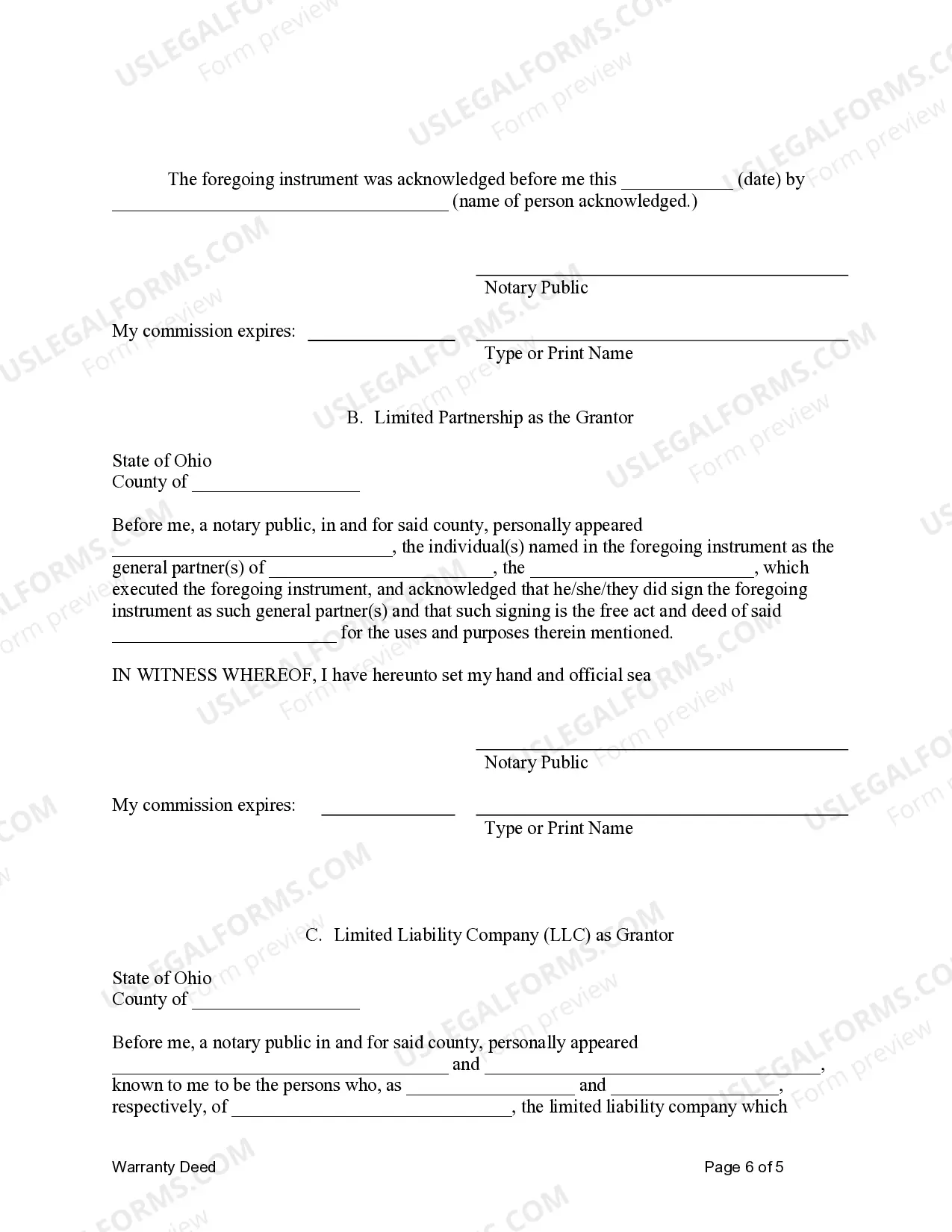

Get your form ready online
Our built-in tools help you complete, sign, share, and store your documents in one place.
Make edits, fill in missing information, and update formatting in US Legal Forms—just like you would in MS Word.
Download a copy, print it, send it by email, or mail it via USPS—whatever works best for your next step.
Sign and collect signatures with our SignNow integration. Send to multiple recipients, set reminders, and more. Go Premium to unlock E-Sign.
If this form requires notarization, complete it online through a secure video call—no need to meet a notary in person or wait for an appointment.
We protect your documents and personal data by following strict security and privacy standards.

Make edits, fill in missing information, and update formatting in US Legal Forms—just like you would in MS Word.

Download a copy, print it, send it by email, or mail it via USPS—whatever works best for your next step.

Sign and collect signatures with our SignNow integration. Send to multiple recipients, set reminders, and more. Go Premium to unlock E-Sign.

If this form requires notarization, complete it online through a secure video call—no need to meet a notary in person or wait for an appointment.

We protect your documents and personal data by following strict security and privacy standards.
Looking for another form?

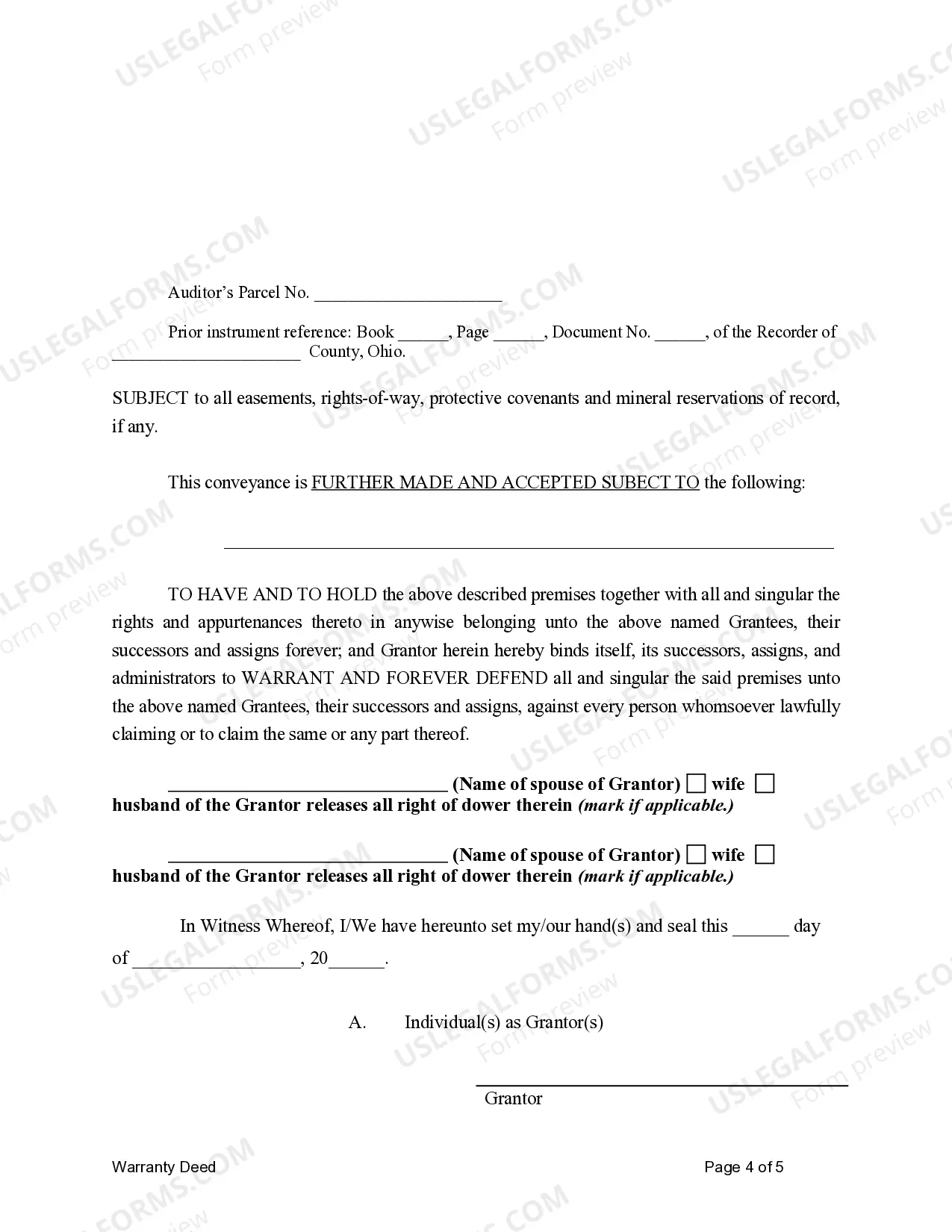
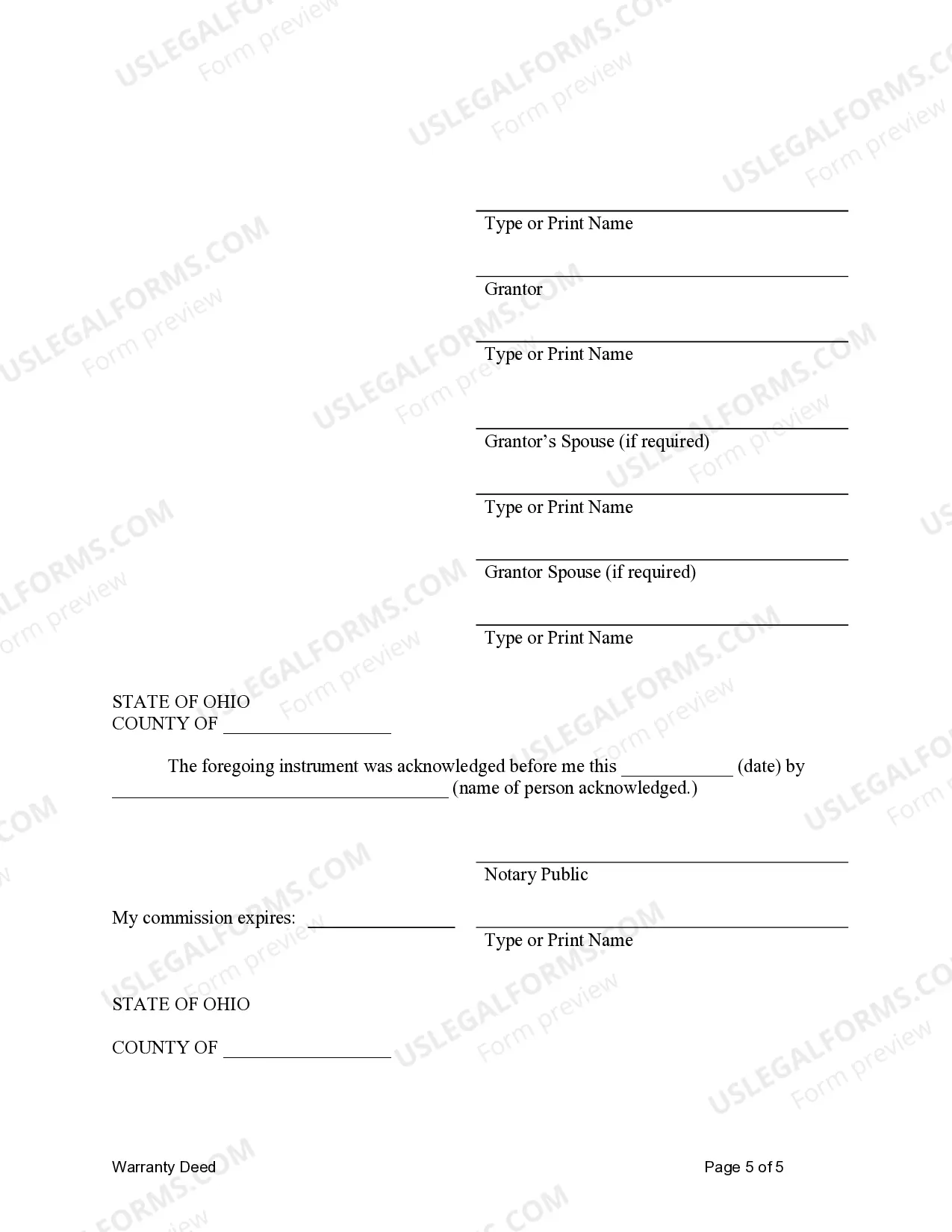
How to fill out Ohio Warranty Deed From Limited Partnership Or LLC Is The Grantor, Or Grantee?
- Begin by checking the Preview mode and description of the available forms to select the appropriate document that aligns with your state's requirements.
- If your desired form isn't available, use the Search tab to find an alternative template that better fits your needs.
- Once you locate the correct document, click on the Buy Now button to select your preferred subscription plan and create an account.
- Provide your payment information, such as credit card details or PayPal account, to finalize your purchase.
- After payment, download the necessary template to your device and access it at any time through the My Forms section of your account.
Completing these steps ensures you have the proper legal documentation for your limited liability company, allowing you to operate your rental property with confidence and protection.
Sign up with US Legal Forms today for access to a vast library of over 85,000 legal documents and ensure your rental property is set up correctly. Don't hesitate—get started now!
Form popularity
FAQ
Transferring your rental property to a limited liability company for rental property can have several tax implications. For example, if the property has appreciated in value, you may face capital gains tax upon transfer. It’s crucial to consult with a tax advisor to understand these consequences and identify how to best structure the transfer to minimize potential tax liabilities.
In most cases, transferring a mortgage to a limited liability company for rental property is not straightforward. You usually need to refinance the mortgage in the name of the LLC, as most lenders do not allow direct transfers of existing mortgages to an LLC. Always check with your lender to understand their specific policies regarding this matter.
To transfer your rental property into a limited liability company for rental property, you will first need to form the LLC by filing the necessary documents with your state. After the LLC is established, you will draft a deed transferring ownership from yourself to the LLC. Working with a legal professional can help ensure the transfer is done correctly and complies with all regulations.
Yes, you can put your rental property into a limited liability company for rental property even if you have a mortgage, but it's essential to check your mortgage agreement first. Many lenders have specific clauses that may require you to notify them or obtain consent before transferring the property. It's wise to consult with a legal expert to navigate this process smoothly.
While a limited liability company for rental property offers protection from personal liability, it also comes with some downsides. For example, LLCs require regular maintenance, including annual filings and fees, which can add up. Additionally, certain mortgage lenders may impose restrictions on properties owned by LLCs, which could limit your financing options.
When starting an LLC for rental property, a single-member LLC is suitable if you are the sole owner. For partnerships or joint ventures, a multi-member LLC can distribute profits and responsibilities more effectively. Both types offer liability protection, but be sure to consider your overall real estate strategy. Using a platform like uslegalforms can simplify the process of establishing your LLC correctly.
The best business type for a rental property often becomes a limited liability company for rental property due to its dual advantages of liability protection and tax flexibility. An LLC safeguards your personal assets from debts or lawsuits related to the property. Moreover, it allows for easier ownership transfer and management. Consider your investment goals carefully when making this decision.
To transfer your rental property into a limited liability company for rental property, you start by forming the LLC through a reliable platform. Once established, you will execute a deed transferring the property from yourself to the LLC. It is important to notify your lender about this transfer, as they may have specific requirements or restrictions. Engaging a real estate attorney might also be beneficial to ensure compliance.
The best type of LLC for rental property often depends on your unique situation, but a single-member LLC is common for individual investors. This structure provides liability protection and pass-through taxation, allowing you to avoid double taxation. Additionally, if you plan to have multiple properties, a multi-member LLC can help distribute risks and responsibilities among partners. Always consider your long-term goals when deciding.
When you own a rental property through a limited liability company for rental property, you will need to report your income and expenses on Schedule E of your personal tax return. Alternatively, your LLC may choose to file as a corporation, which has different tax implications. It's crucial to keep detailed records of your income and expenses. Consulting with a tax professional can ensure that you comply with all tax regulations specific to your LLC.