Unregistered Land Vs Registered Land
Description


Get your form ready online
Our built-in tools help you complete, sign, share, and store your documents in one place.
Make edits, fill in missing information, and update formatting in US Legal Forms—just like you would in MS Word.
Download a copy, print it, send it by email, or mail it via USPS—whatever works best for your next step.
Sign and collect signatures with our SignNow integration. Send to multiple recipients, set reminders, and more. Go Premium to unlock E-Sign.
If this form requires notarization, complete it online through a secure video call—no need to meet a notary in person or wait for an appointment.
We protect your documents and personal data by following strict security and privacy standards.

Make edits, fill in missing information, and update formatting in US Legal Forms—just like you would in MS Word.

Download a copy, print it, send it by email, or mail it via USPS—whatever works best for your next step.

Sign and collect signatures with our SignNow integration. Send to multiple recipients, set reminders, and more. Go Premium to unlock E-Sign.

If this form requires notarization, complete it online through a secure video call—no need to meet a notary in person or wait for an appointment.

We protect your documents and personal data by following strict security and privacy standards.
Looking for another form?
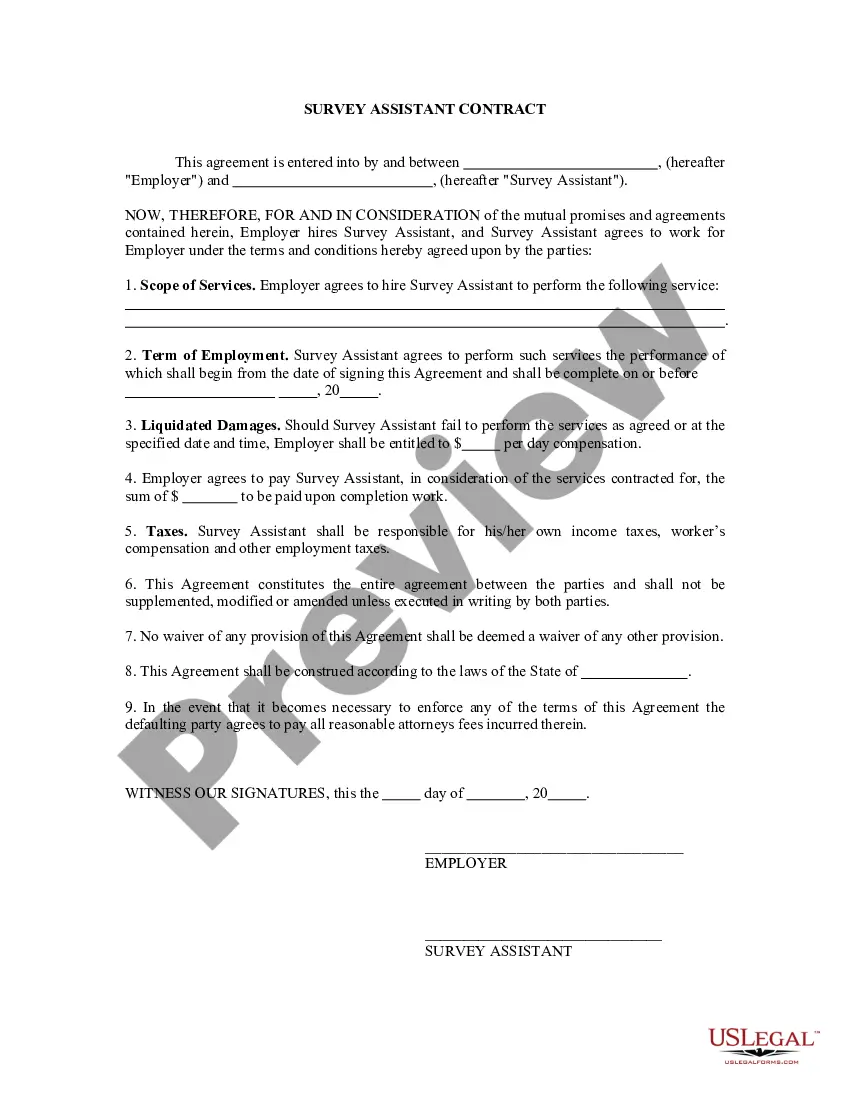
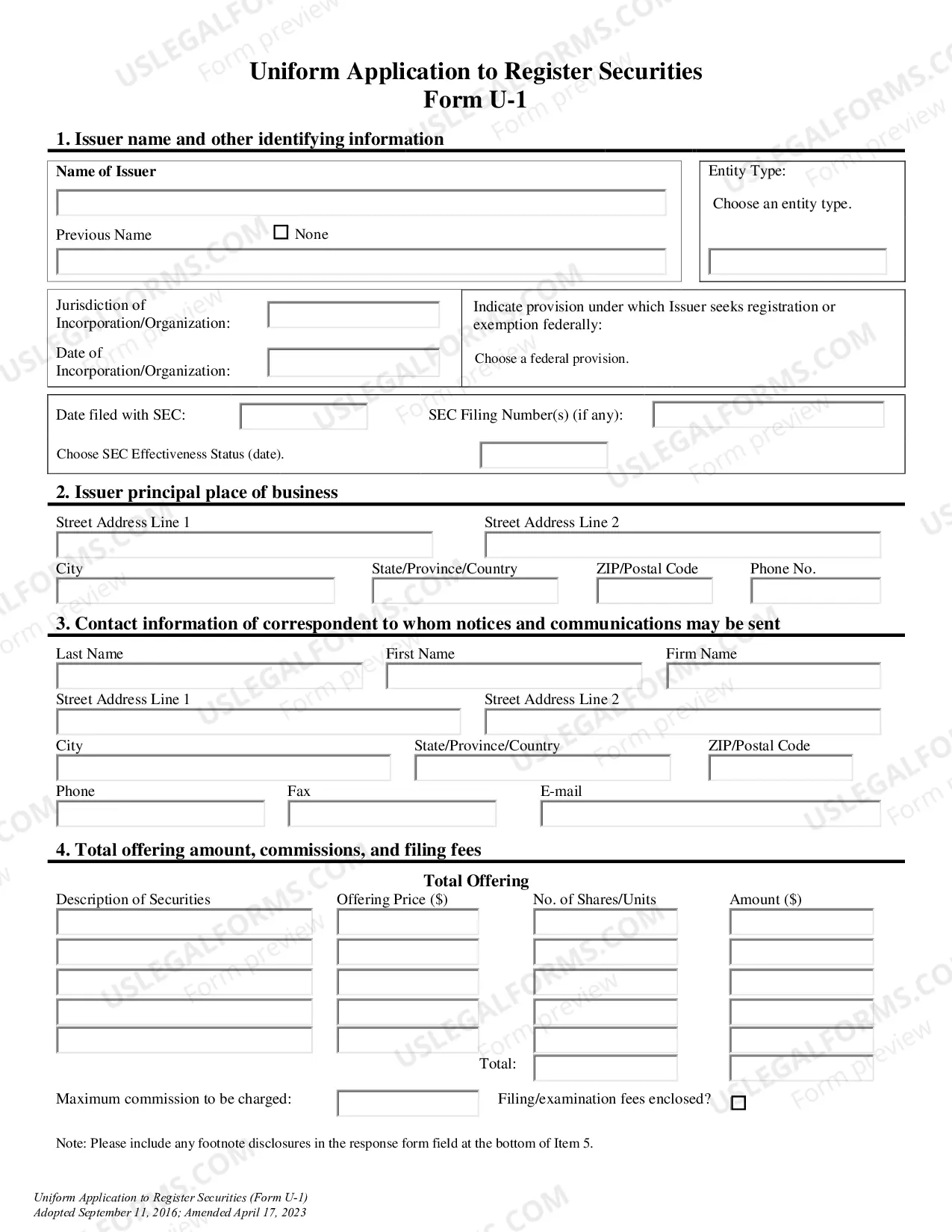

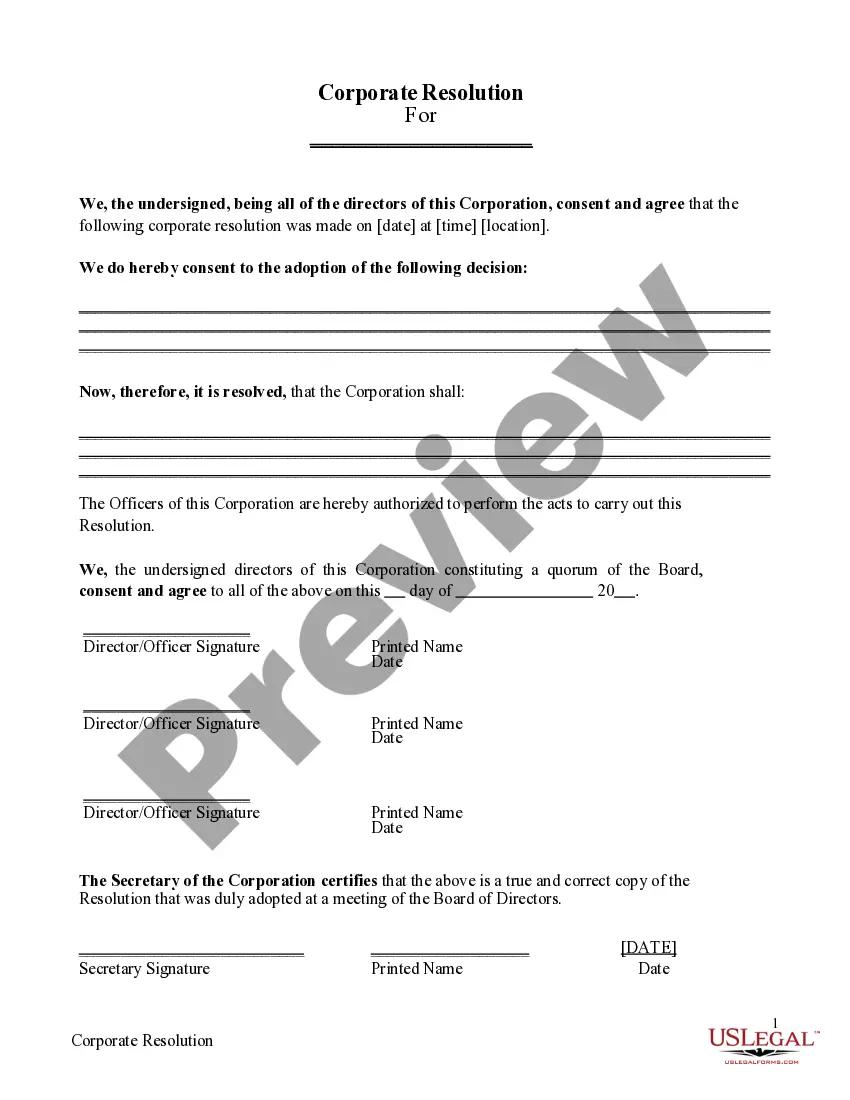
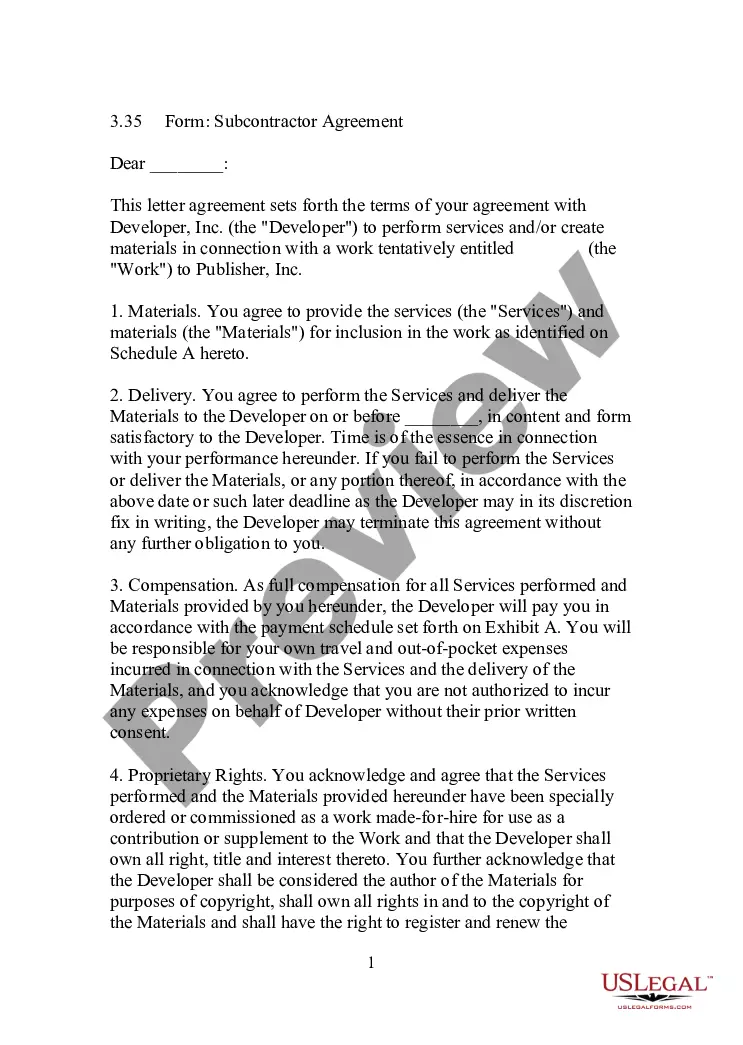
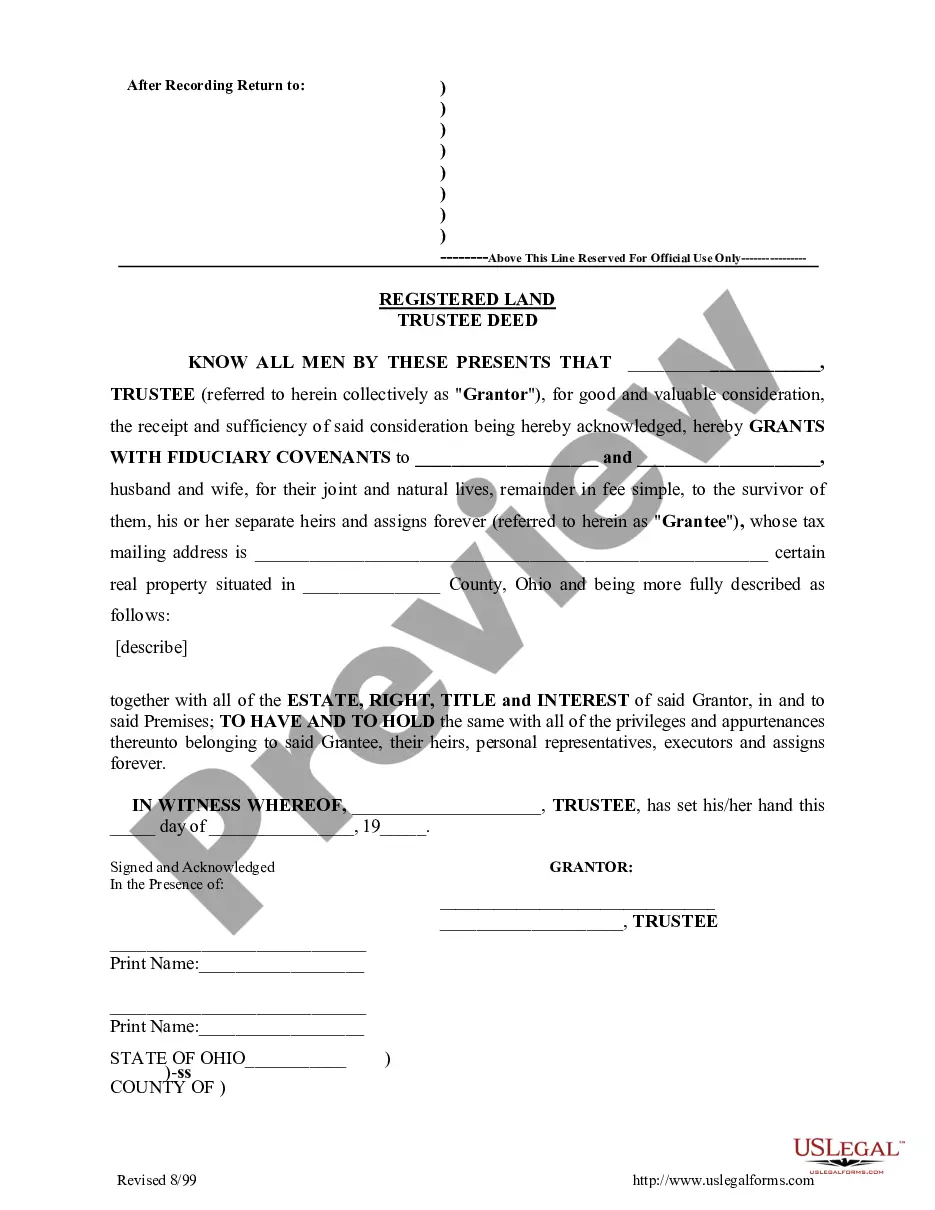
How to fill out Ohio Registered Land - Trustees Deed?
It’s common knowledge that you cannot turn into a legal authority instantly, and neither can you understand how to efficiently handle Unregistered Land Vs Registered Land without possessing a specialized collection of skills.
Preparing legal documents is a lengthy endeavor that demands specific education and expertise. So, why not entrust the development of the Unregistered Land Vs Registered Land to the professionals.
With US Legal Forms, one of the most extensive legal document repositories, you can discover everything from court paperwork to office communication templates.
You can revisit your documents from the My documents section at any time. If you’re a current customer, you can simply Log In and locate and download the template from the same section.
Regardless of the nature of your documentation—be it financial, legal, or personal—our website has you covered. Experience US Legal Forms today!
- Realize the form you need utilizing the search feature at the top of the page.
- Examine it (if this option is available) and review the accompanying description to verify whether Unregistered Land Vs Registered Land is what you’re looking for.
- Restart your search if you require another form.
- Create a complimentary account and choose a subscription plan to acquire the template.
- Select Buy now. After completing the payment, you can download the Unregistered Land Vs Registered Land, complete it, print it, and dispatch it by post to the relevant individuals or organizations.
Form popularity
FAQ
Registered land refers to property that has been formally recorded with the appropriate land registry. This process provides a certificate of title, clearly establishing ownership rights. Owning registered land offers many benefits, including enhanced legal security and ease of transfer. Understanding registered land as opposed to unregistered land can significantly impact your investment decisions.
If the land is not registered, it can lead to difficulties in proving ownership and may hinder your ability to sell or develop the property. Unregistered land can expose you to risks, such as disputes from other claimants. It's crucial to understand the implications and seek legal advice to navigate these challenges. Utilizing services like USLegalForms can aid you in the registration process and clarify the unregistered land vs registered land debate.
The duration to register land in Jamaica may vary based on several factors, such as the complexity of the land's title. Generally, the registration process can take anywhere from a few weeks to several months. It is important to gather all necessary documents to expedite the process. Knowing the differences between unregistered land vs registered land can help streamline your journey toward registration.
Registering land provides legal protection and helps avoid disputes. If you own unregistered land, proving your ownership may become challenging. Registering your land also simplifies transactions and increases its marketability. Therefore, understanding unregistered land vs registered land is crucial for effective property management.
Yes, it is possible for someone to take over your land, especially if it is unregistered land. Unregistered land vs registered land highlights the importance of securing your property rights. If your land is unregistered, it may be easier for others to make claims or establish rights over it. To protect yourself, consider consulting with a legal professional or using platforms like US Legal Forms to ensure your land is properly registered.
The three main types of land include residential, commercial, and agricultural land. Residential land is used for housing, commercial land is designated for businesses, and agricultural land is utilized for farming. Knowing these categories can help you navigate the complexities of unregistered land vs registered land. Each type has its own rules and benefits, which can be crucial when considering property options.
Registered land refers to parcels of land that are documented in a government registry. This means that ownership, boundaries, and any associated rights are officially recorded. Consequently, registered land provides clarity and security for property owners compared to unregistered land. Understanding the differences between unregistered land and registered land is key to making informed property decisions.
Yes, it is possible to own unregistered land without a title deed, but it can create challenges in proving ownership. In cases of unregistered land vs registered land, the lack of documentation can lead to disputes and make selling or transferring the property more complicated. You can navigate these issues with resources like US Legal Forms, which provide the necessary documentation and guidance to establish your ownership legally.
The best proof of ownership is typically the title deed, which is a legal document showing your name as the current owner. Additionally, having a recorded deed with the county clerk adds an extra layer of verification. When comparing unregistered land vs registered land, owning registered land often simplifies the process of proving ownership, as there is usually a centralized record to reference.
The terms registered land and recorded land refer to how property ownership is documented. Registered land is usually part of a formal land registration system, providing a clearer title and often reducing disputes. In contrast, recorded land relies on the local recording of deeds and documents, which can lead to complications in proving ownership. Understanding the difference between unregistered land vs registered land is essential for ensuring clear property rights.