Registration For Land
Description
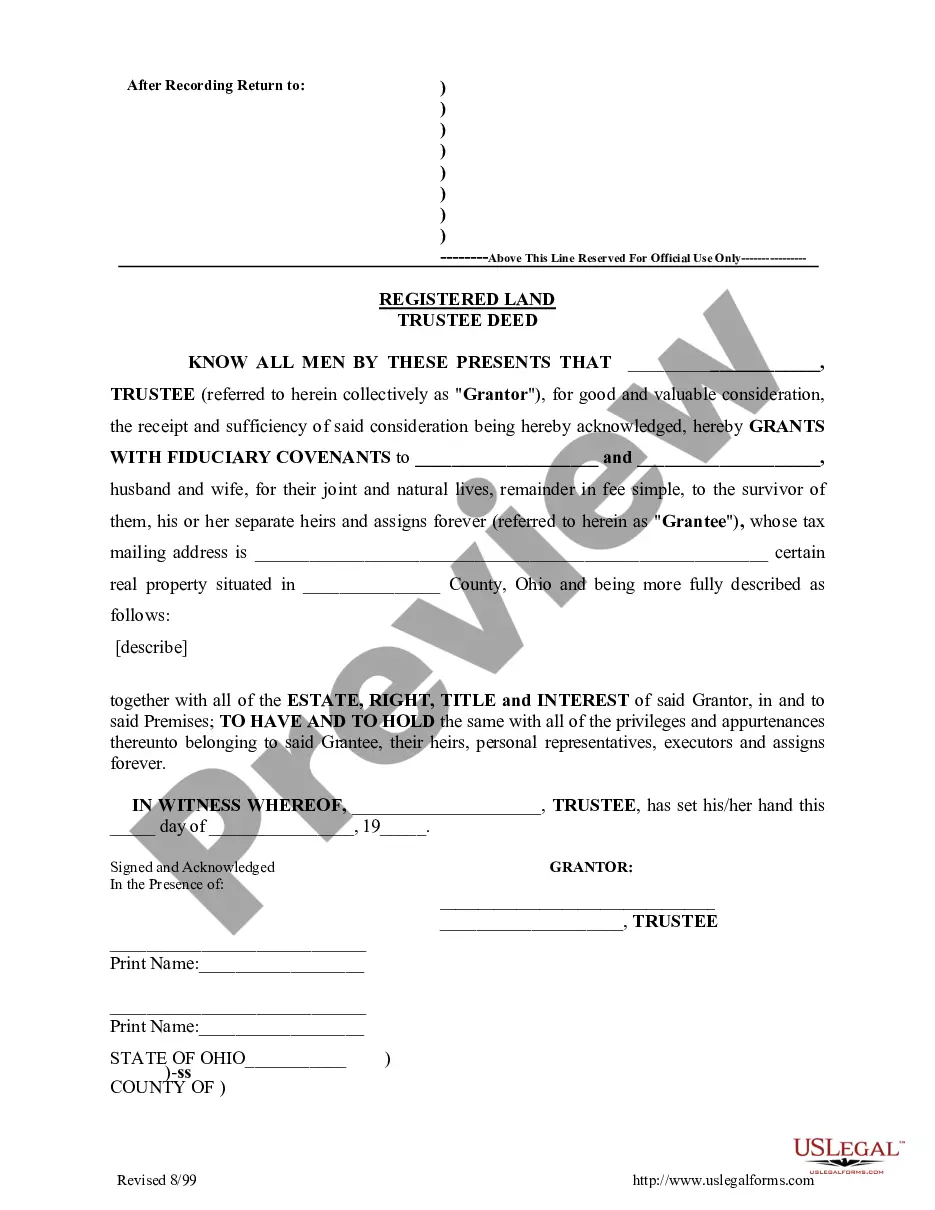
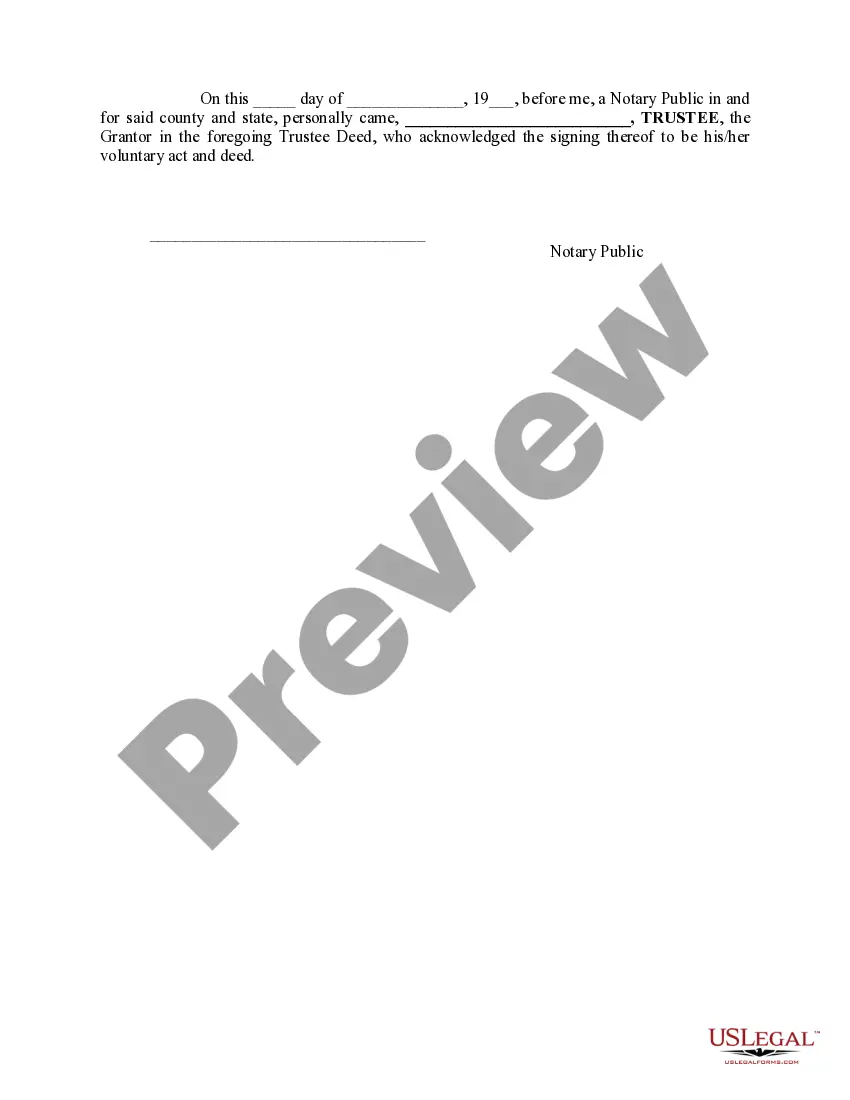


Get your form ready online
Our built-in tools help you complete, sign, share, and store your documents in one place.
Make edits, fill in missing information, and update formatting in US Legal Forms—just like you would in MS Word.
Download a copy, print it, send it by email, or mail it via USPS—whatever works best for your next step.
Sign and collect signatures with our SignNow integration. Send to multiple recipients, set reminders, and more. Go Premium to unlock E-Sign.
If this form requires notarization, complete it online through a secure video call—no need to meet a notary in person or wait for an appointment.
We protect your documents and personal data by following strict security and privacy standards.

Make edits, fill in missing information, and update formatting in US Legal Forms—just like you would in MS Word.

Download a copy, print it, send it by email, or mail it via USPS—whatever works best for your next step.

Sign and collect signatures with our SignNow integration. Send to multiple recipients, set reminders, and more. Go Premium to unlock E-Sign.

If this form requires notarization, complete it online through a secure video call—no need to meet a notary in person or wait for an appointment.

We protect your documents and personal data by following strict security and privacy standards.
Looking for another form?
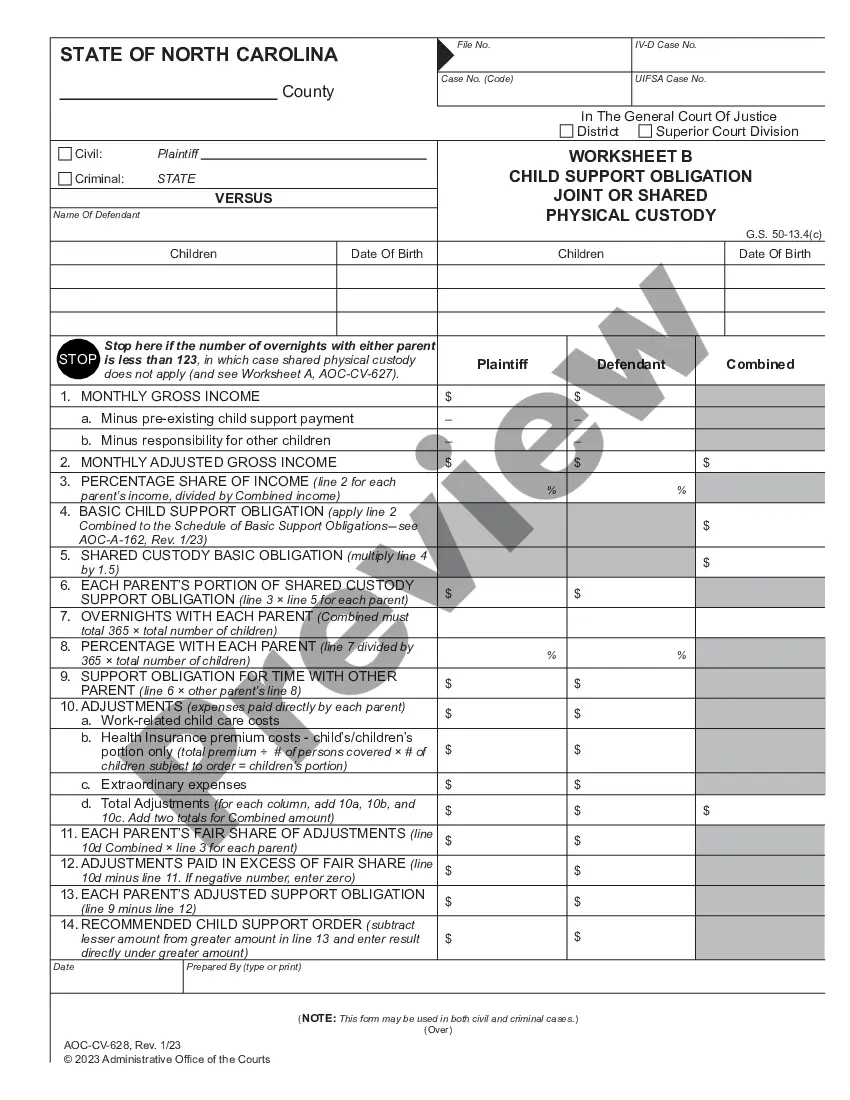
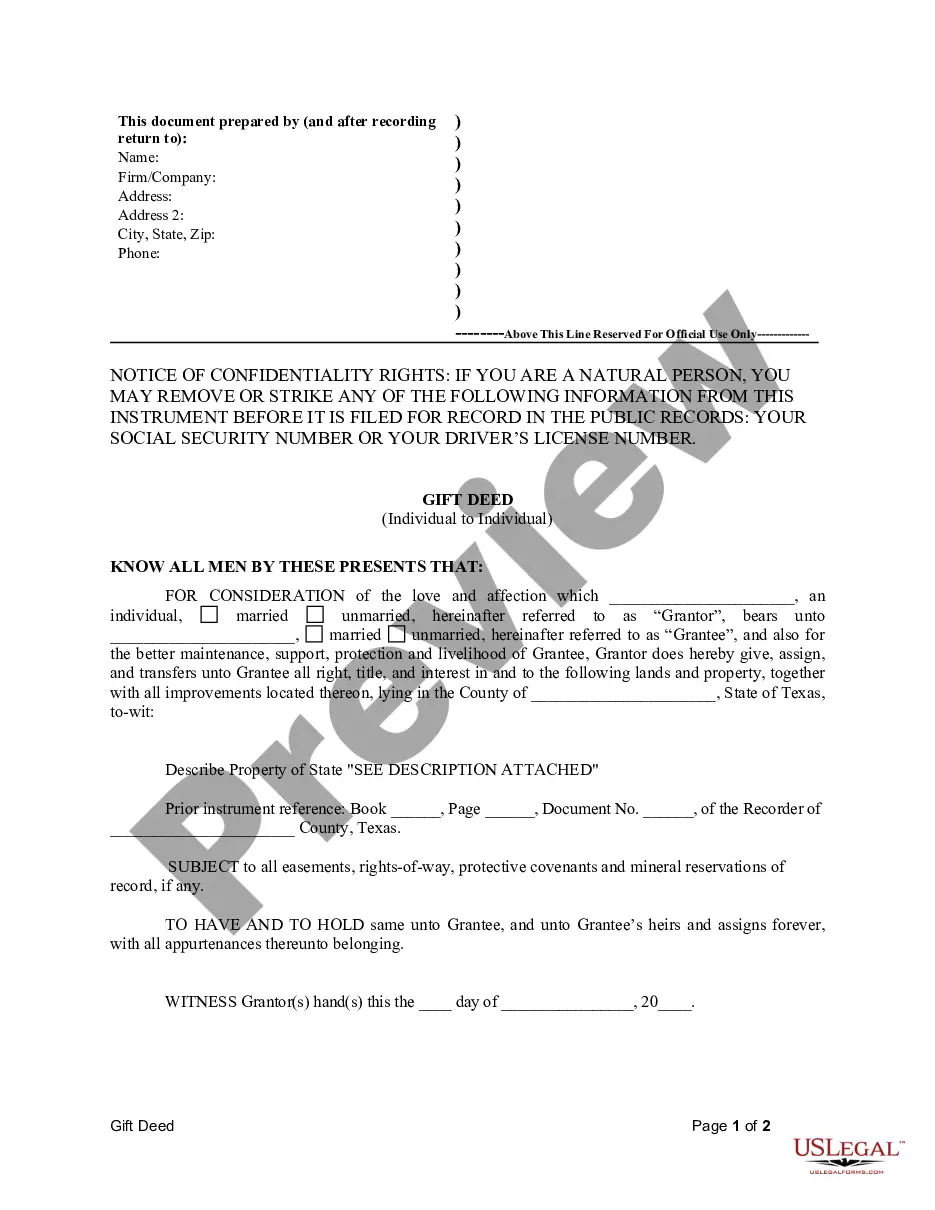
How to fill out Ohio Registered Land - Trustees Deed?
Finding a reliable location to obtain the latest and suitable legal forms is a significant part of navigating bureaucracy.
Identifying the appropriate legal documentation necessitates precision and meticulousness, which is why it is crucial to gather Registration For Land samples exclusively from trustworthy sources, such as US Legal Forms.
Once you have the form on your device, you can edit it with the editor or print it out and fill it out by hand. Eliminate the challenges associated with your legal paperwork. Explore the extensive US Legal Forms library to discover legal samples, verify their suitability for your needs, and download them instantly.
- Utilize the directory navigation or search box to find your form.
- Examine the form’s description to verify if it aligns with the requirements of your jurisdiction.
- View the form preview, if available, to confirm that the form is indeed the one you seek.
- Resume your search and locate the correct template if the Registration For Land does not fulfill your needs.
- If you are confident about the form’s applicability, download it.
- As a registered user, click Log in to validate your identity and access your chosen templates in My documents.
- If you do not yet have an account, click Buy now to acquire the form.
- Choose the pricing package that meets your requirements.
- Continue to the registration to complete your transaction.
- Finalize your purchase by selecting a payment option (credit card or PayPal).
- Choose the document format for downloading Registration For Land.
Form popularity
FAQ
The ultimate proof of ownership of land is a land patent or title, which signifies the final transfer of ownership from the government to the individual. Such documentation provides authoritative evidence of ownership. In the context of registration for land, acquiring and maintaining this documentation ensures your control and recognition of the land you possess.
Proof of ownership of a property generally includes the title deed, tax assessments, and mortgage documents. These documents collectively establish your legal rights over the property. To facilitate easy registration for land, consider using services that assist with obtaining and organizing these essential documents.
The very best proof of ownership of property is a clear title. A clear title means there are no legal claims or disputes against the property, ensuring your ownership is undisputed. When you engage in the registration for land, securing a clear title is crucial in avoiding potential future conflicts.
The best proof of home ownership is typically the title deed. This document outlines your rights to the property and is essential for legal verification. For those looking to simplify their registration for land process, using online platforms like US Legal Forms can streamline obtaining and managing your title documentation.
The best proof of ownership of property is a recorded deed. A deed is a legal document proving ownership rights, and its recording in the local land registry provides public acknowledgment of your ownership. Utilizing tools for registration for land can help ensure your deed is recorded correctly, protecting your property rights.
A land registration number is a unique identifier assigned to a parcel of land once it is officially registered. This number serves as a reference for legal and administrative purposes, helping you verify ownership and track land transactions. Understanding your registration for land ensures that you have clear ownership and can access important land-related services.
To get the deed for your property, you typically need to contact the county recorder's office where the property is located. Depending on your situation, you may need to provide identification and details about the property. If you’re considering registration for land, obtaining the deed is an important step to ensure your ownership is properly documented.
A property registration document is an official record that verifies ownership and interests in a piece of land. When you complete the registration for land, this document provides essential information, including the legal description of the property and the names of the owners. It serves as your proof of ownership and is crucial for securing financing or transferring the property.
To obtain an Arizona state land permit, you need to submit an application to the Arizona State Land Department. This application will typically require details about the land, your intended use, and any supporting documents. Once your application is approved, registration for land helps you secure your use rights and ensures compliance with state regulations.
If your land isn't registered, you may face challenges when proving ownership or selling the property. Unregistered land can lead to disputes and potential claims from others. To resolve this, consider the registration for land process, which can help clarify your rights and establish documented ownership to prevent future issues.