Material Noncompliance By Tenant
Description

Get your form ready online
Our built-in tools help you complete, sign, share, and store your documents in one place.
Make edits, fill in missing information, and update formatting in US Legal Forms—just like you would in MS Word.
Download a copy, print it, send it by email, or mail it via USPS—whatever works best for your next step.
Sign and collect signatures with our SignNow integration. Send to multiple recipients, set reminders, and more. Go Premium to unlock E-Sign.
If this form requires notarization, complete it online through a secure video call—no need to meet a notary in person or wait for an appointment.
We protect your documents and personal data by following strict security and privacy standards.

Make edits, fill in missing information, and update formatting in US Legal Forms—just like you would in MS Word.

Download a copy, print it, send it by email, or mail it via USPS—whatever works best for your next step.

Sign and collect signatures with our SignNow integration. Send to multiple recipients, set reminders, and more. Go Premium to unlock E-Sign.

If this form requires notarization, complete it online through a secure video call—no need to meet a notary in person or wait for an appointment.

We protect your documents and personal data by following strict security and privacy standards.
Looking for another form?






Form popularity
FAQ
The most common reason for a lease breach is the nonpayment of rent, which is a clear case of material noncompliance by tenant. Tenants may face financial hardships or misunderstandings regarding payment deadlines. Landlords should approach such situations with open communication to seek resolutions. Using platforms like US Legal Forms can provide valuable resources for both landlords and tenants to understand their obligations and options.
A material lease violation occurs when a tenant fails to meet significant obligations outlined in the lease agreement, such as paying rent or damaging property. This type of violation is serious enough to warrant potential legal actions, including eviction. It's crucial for both parties to recognize what constitutes material noncompliance by tenant to avoid further complications. Knowing these details can safeguard your rights and properties.
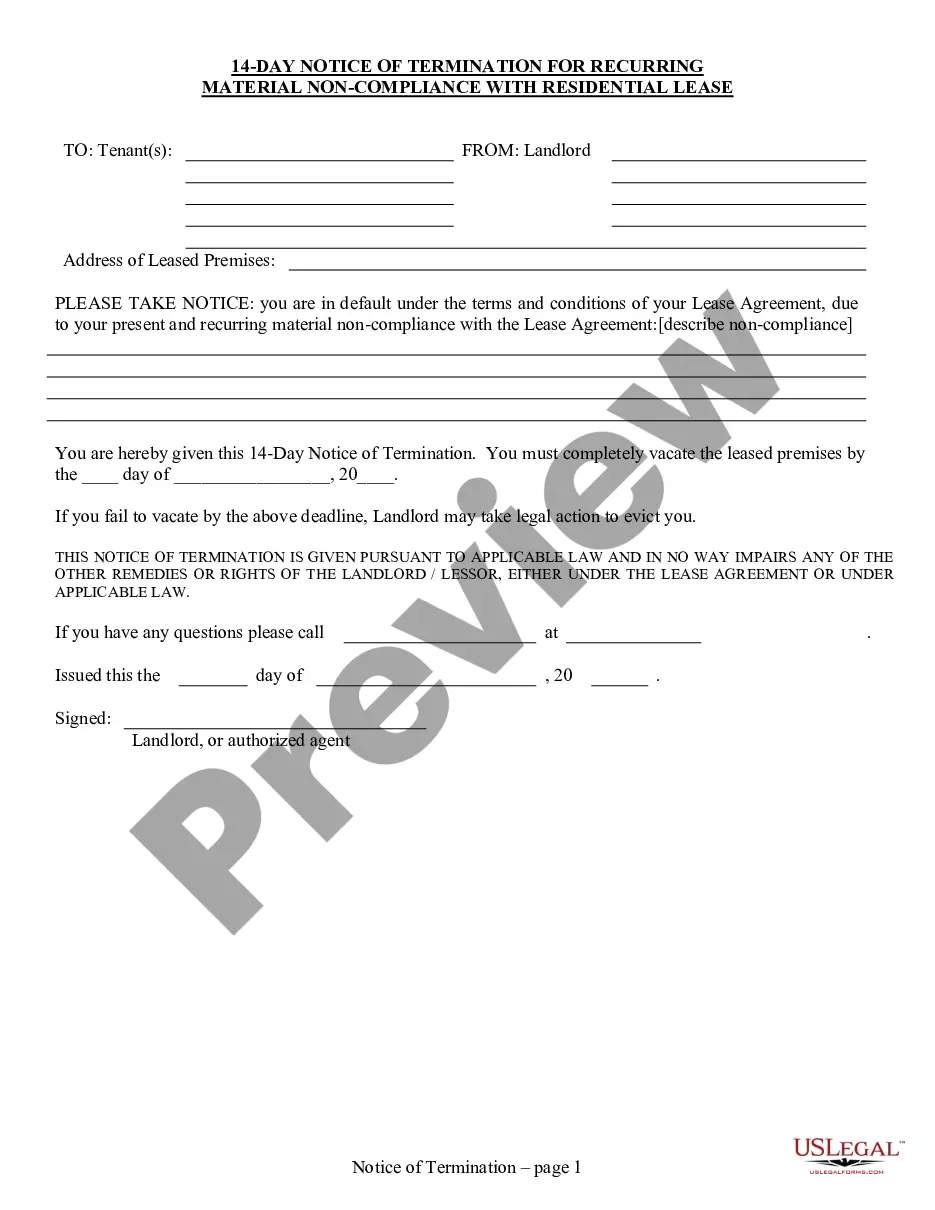
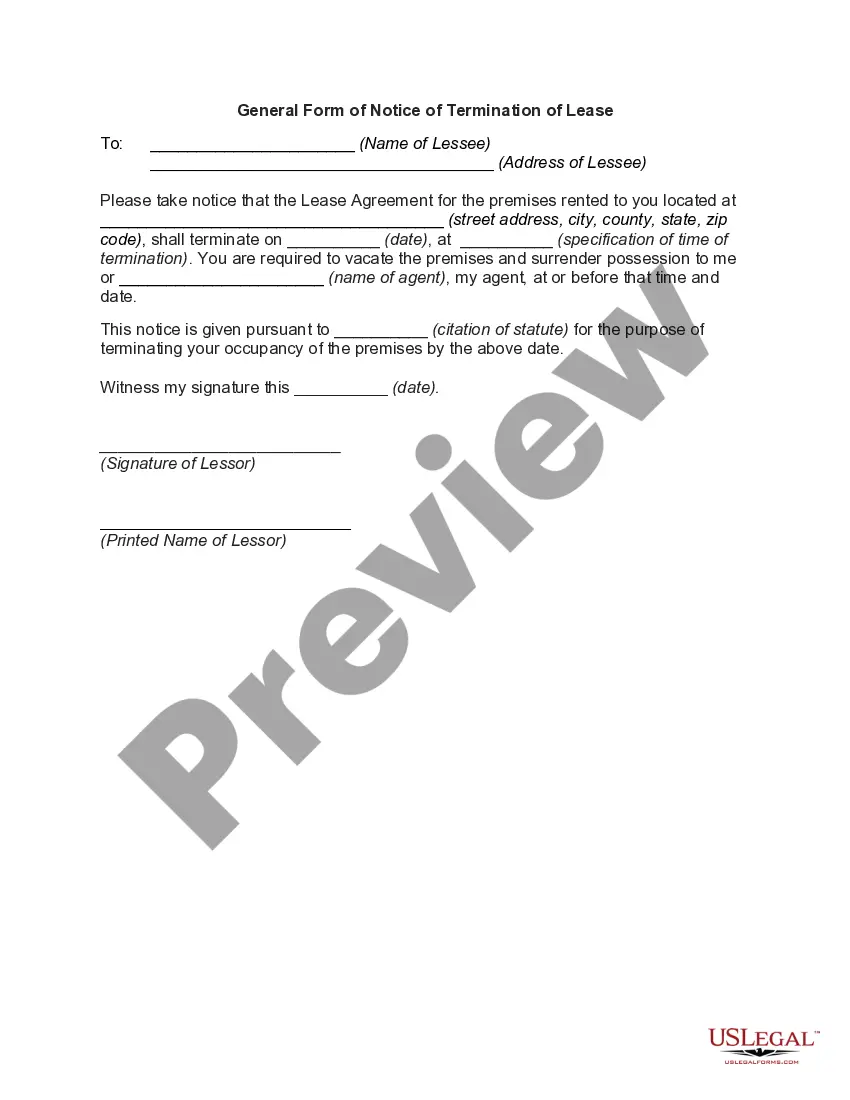
Landlords frequently pursue eviction as the primary action against tenants demonstrating material noncompliance by tenant. This action often comes after attempts to resolve the issue directly with the tenant. Eviction ensures the landlord can regain possession of the property, especially when other remedies have failed. Understanding your rights and responsibilities can help landlords navigate this process effectively.
When writing a letter for non-compliance, clearly identify the material noncompliance by tenant within the first paragraph. Include specific examples and refer to any previous communications or agreements. Sign and date the letter, and ensure the format is professional; using templates from US Legal Forms can streamline the process and enhance your letter's effectiveness.
compliance report should detail the specific instances of material noncompliance by tenant, along with evidence such as photographs or tenant communications. Begin with an introduction that explains the purpose of the report and follows with a clear description of the issues. This report serves as a vital tool for landlords to keep accurate records and provides a basis for any required actions.
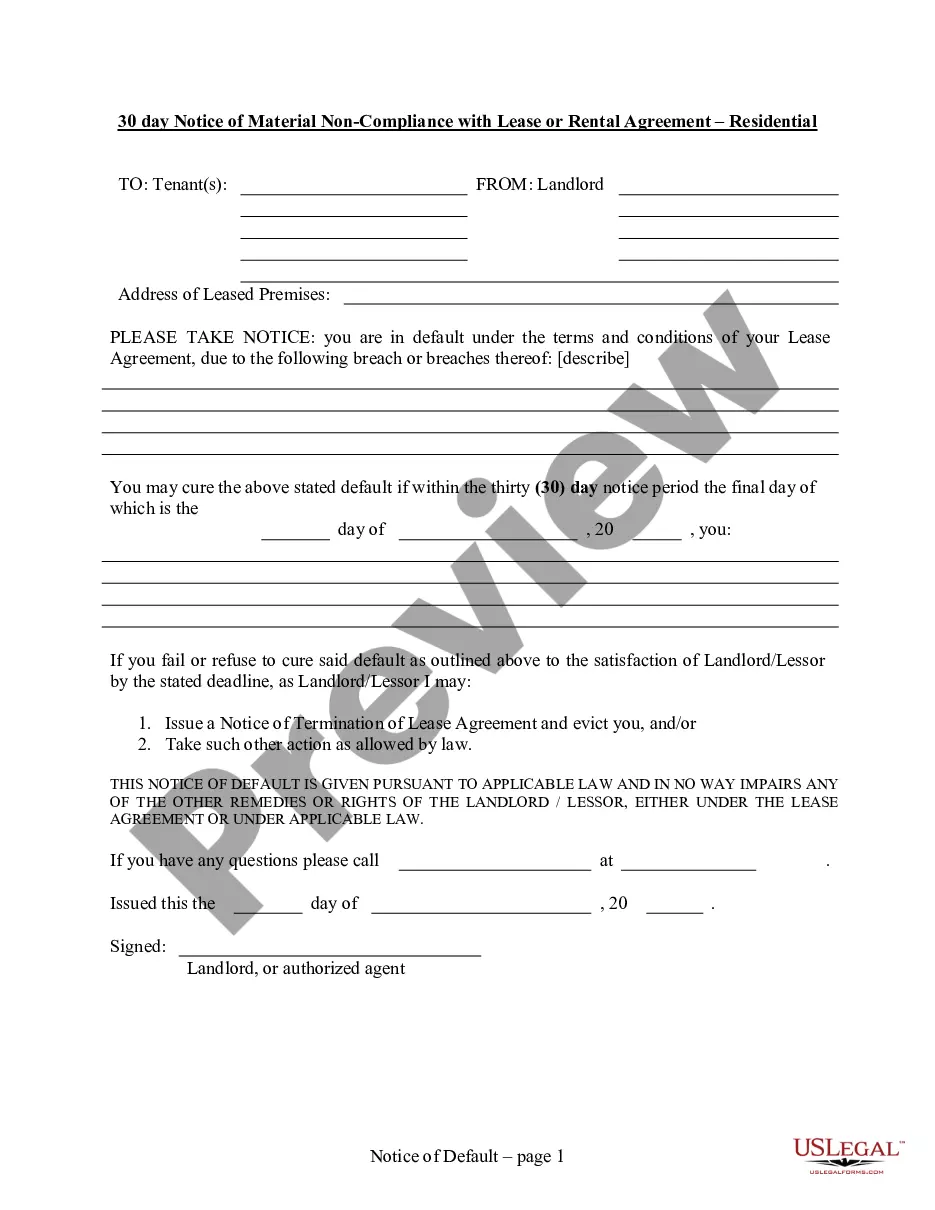
To write a notice of non-compliance, start by defining the material noncompliance by tenant and citing relevant lease clauses. Clearly state the specific issues that prompted the notice, and provide the tenant with a timeline for resolution. Using a structured format ensures clarity and reinforces the seriousness of the communication, which can be achieved easily using our US Legal Forms platform.
A written notice of non-compliance serves as a formal communication from a landlord to a tenant when there is material noncompliance by tenant. This document outlines specific violations of the lease agreement and requests that the tenant address these issues within a given timeframe. Providing clear details in this notice helps maintain a strong landlord-tenant relationship and ensures both parties understand their responsibilities.
If your landlord is unresponsive, document all attempts to communicate and keep detailed records. You can escalate the issue by addressing your concerns formally through mail or email, outlining specific instances of noncompliance. If problems persist, familiarize yourself with your rights regarding material noncompliance by tenant through resources like USLegalForms, which can guide you in taking appropriate action.
To effectively deal with noncompliance, first identify the specific lease terms that have not been met. Engage the tenant by discussing the situation directly and provide them with an opportunity to rectify the issues. If they fail to respond, you might need to explore legal options regarding material noncompliance by tenant, which can include eviction.
When facing disrespectful tenants, it is crucial to maintain your composure and professionalism. Clearly communicate your expectations regarding behavior, and remind them of their lease obligations. If necessary, consider documenting their actions as potential material noncompliance by tenant, which can inform next steps.
