Divorce With Property With Marital
Description



Get your form ready online
Our built-in tools help you complete, sign, share, and store your documents in one place.
Make edits, fill in missing information, and update formatting in US Legal Forms—just like you would in MS Word.
Download a copy, print it, send it by email, or mail it via USPS—whatever works best for your next step.
Sign and collect signatures with our SignNow integration. Send to multiple recipients, set reminders, and more. Go Premium to unlock E-Sign.
If this form requires notarization, complete it online through a secure video call—no need to meet a notary in person or wait for an appointment.
We protect your documents and personal data by following strict security and privacy standards.

Make edits, fill in missing information, and update formatting in US Legal Forms—just like you would in MS Word.

Download a copy, print it, send it by email, or mail it via USPS—whatever works best for your next step.

Sign and collect signatures with our SignNow integration. Send to multiple recipients, set reminders, and more. Go Premium to unlock E-Sign.

If this form requires notarization, complete it online through a secure video call—no need to meet a notary in person or wait for an appointment.

We protect your documents and personal data by following strict security and privacy standards.
Looking for another form?





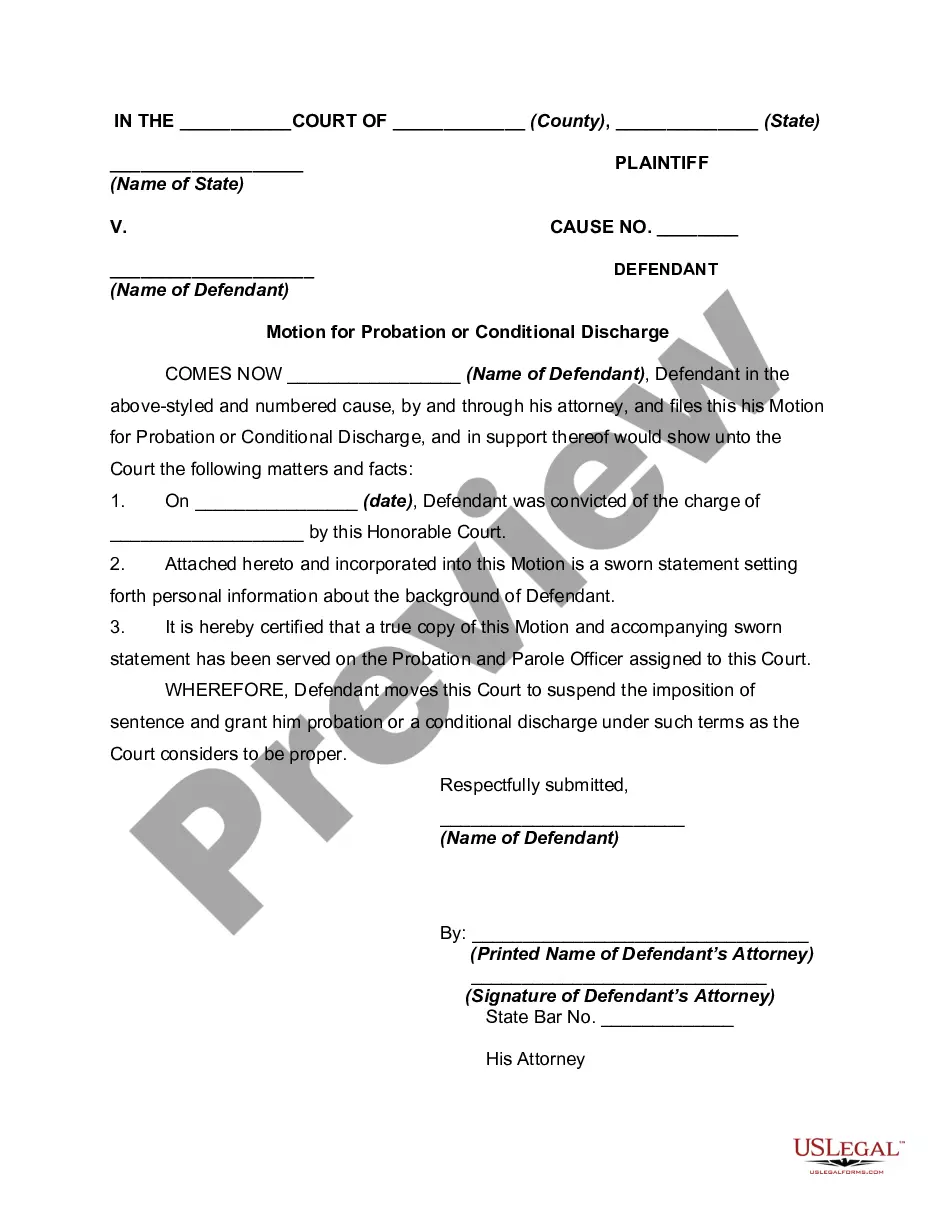



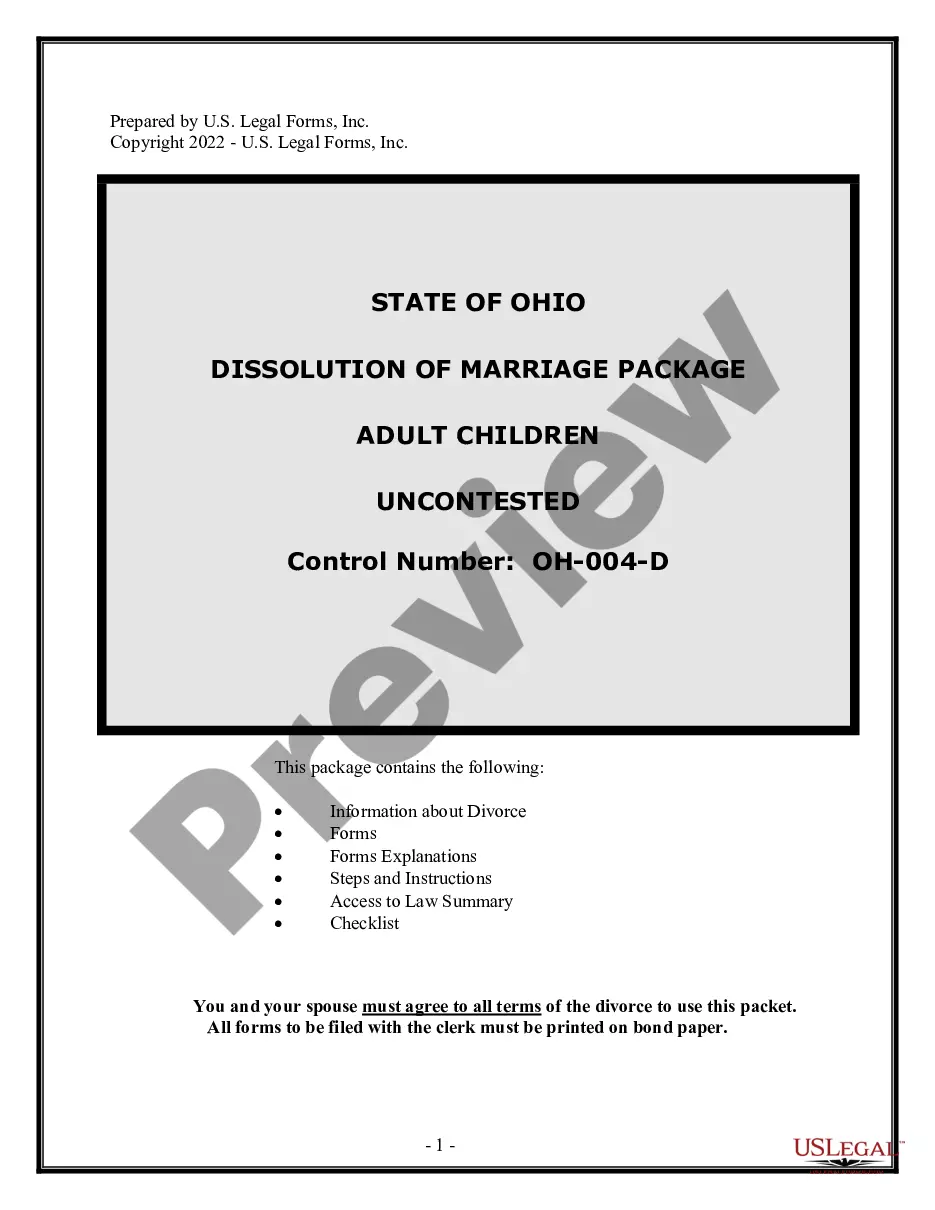
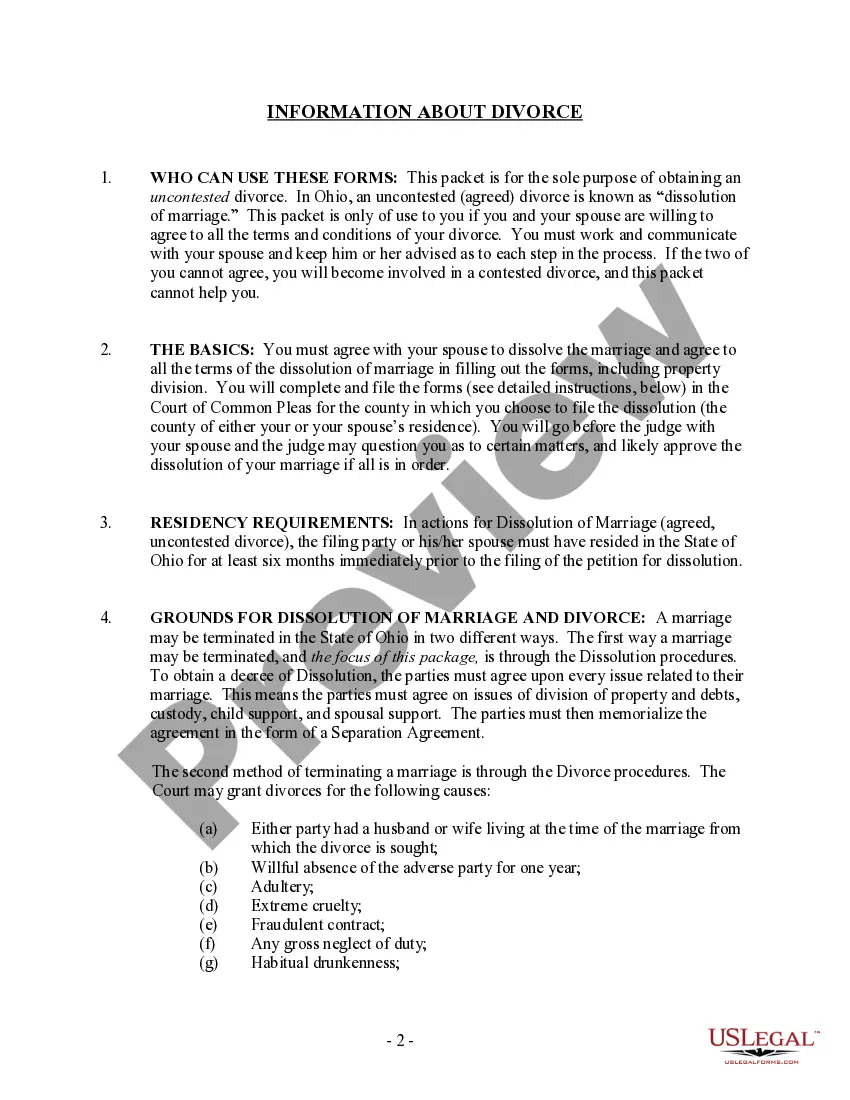
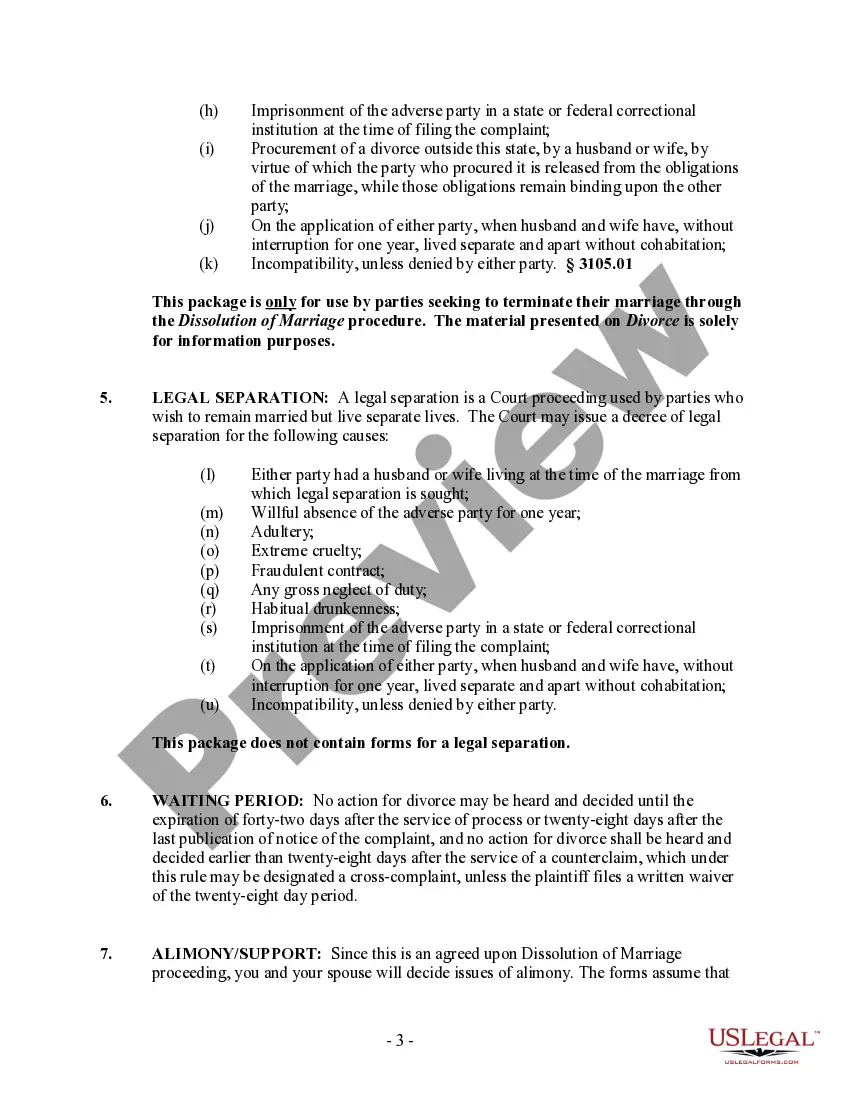
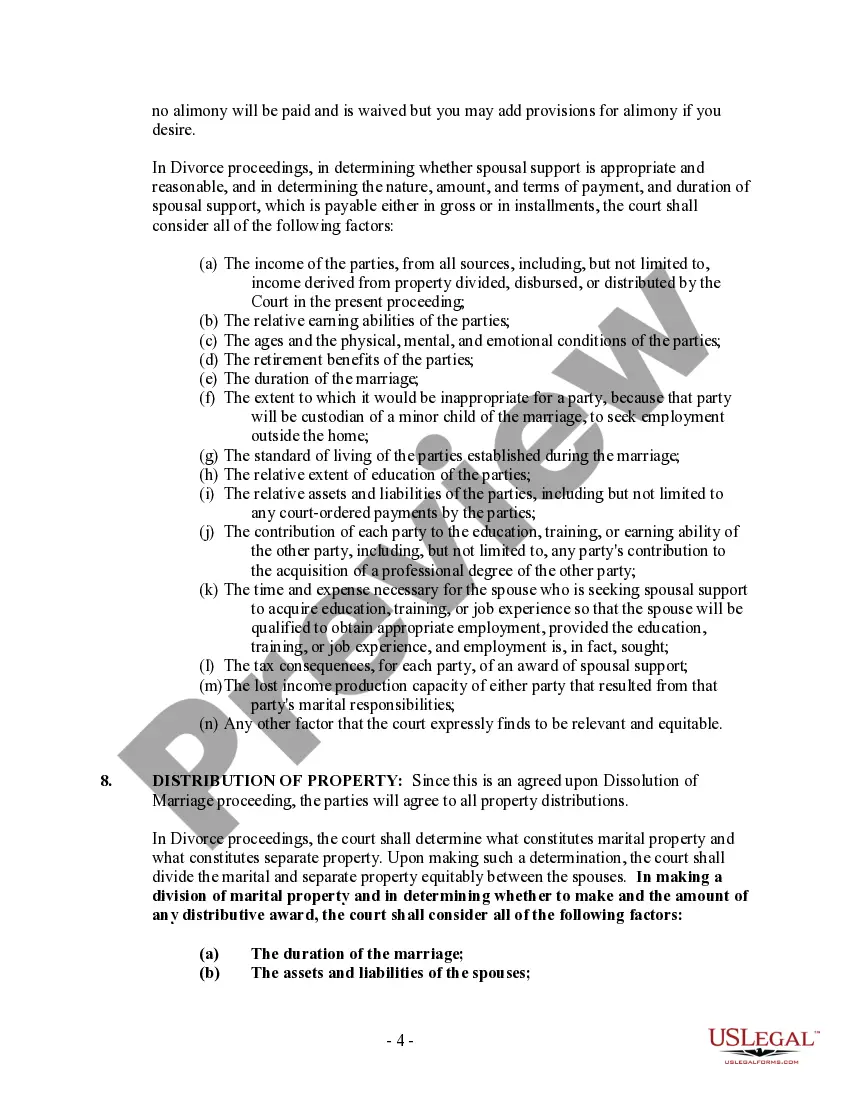
How to fill out Ohio No-Fault Uncontested Agreed Divorce Package For Dissolution Of Marriage With Adult Children And With Or Without Property And Debts?
The Separation With Assets With Matrimonial you see on this page is a versatile legal template drafted by expert attorneys in accordance with federal and state statutes and regulations.
For over 25 years, US Legal Forms has offered individuals, companies, and lawyers more than 85,000 validated, state-specific documents for any business and personal circumstance. It’s the fastest, simplest, and most trustworthy method to acquire the papers you require, as the service ensures bank-level data security and anti-malware safeguards.
Utilize the same document again whenever necessary. Access the My documents tab in your profile to redownload any previously acquired forms. Subscribe to US Legal Forms to have verified legal templates for all of life’s situations readily available.
- Examine the document you need and review it.
- Browse through the file you searched and preview it or review the form description to make sure it fits your needs. If it doesn’t, use the search feature to locate the correct one. Click Buy Now when you have located the template you require.
- Select a pricing plan that fits your needs and create an account. Use PayPal or a credit card to make an immediate payment. If you already possess an account, Log In and verify your subscription to proceed.
- Choose the format you desire for your Separation With Assets With Matrimonial (PDF, Word, RTF) and save the document on your device.
- Print the template to fill it out by hand. Alternatively, use an online multifunctional PDF editor to swiftly and accurately complete and sign your form with an electronic signature.
Form popularity
FAQ
In a divorce with property with marital assets, the division of property typically follows state laws, which can vary significantly. Most states consider marital property to be any assets acquired during the marriage, and they aim for an equitable distribution. This means that while property may not be split equally, it should be divided fairly based on various factors, including the length of the marriage and each spouse's contribution. Engaging with US Legal Forms can assist you in understanding your rights and responsibilities regarding marital property division.
One of the biggest mistakes in a divorce with property with marital assets is failing to fully understand your financial situation and the value of your assets. Many individuals overlook the importance of proper documentation and evaluation of property, leading to unfavorable settlements. Additionally, emotional decisions can cloud judgment, resulting in hasty agreements. To avoid these pitfalls, consider using US Legal Forms, which offers tools and information to help you make informed choices during your divorce.
If you are considering a divorce, the first step is to gather all relevant financial documents, especially those related to divorce with property with marital interests. This information will be crucial for discussions about asset division. Next, consult with a legal professional who can guide you through the process and help protect your rights. Utilizing platforms like USLegalForms can provide you with the necessary resources to navigate your divorce effectively.
Moving out during a divorce can complicate property disputes, especially when dealing with divorce with property with marital ties. When you leave the marital home, you may inadvertently weaken your claim to shared assets. Additionally, it might give the impression that you are abandoning your rights to the property. It's vital to consider the implications of your actions and consult with a legal advisor before making such a significant decision.
Lenders usually have liens on houses. So if the spouse whose name is on the mortgage does not pay, the bank can foreclose to recover their money. Since your name is in the deed after the house owes you money, it will not matter if your name appears on the deed or not.
In conclusion, the financial responsibilities during divorce can vary depending on the unique circumstances of each case. Until the divorce is officially finalized, both spouses may still have shared financial obligations, but temporary agreements or court orders may determine the specific financial arrangements.
Family law courts in Canada can treat debt acquired during marriage as joint debt that should be shared equally upon divorce ? unless you made a previous legal agreement to divide your debt differently. So, if your spouse came into the marriage with debt, you won't be held responsible for that debt.
How does a home buyout get calculated in a divorce? First, you must determine the appraised value. Once you have that figure, subtract the mortgage obligation from it. This is your total equity. Now it's time to calculate your net equity. Divide your total equity in half. This amount is each spouse's net equity.
Premarital assets and inheritances aren't split during a divorce, so it's essential to identify these and other assets that are yours and yours alone. If you have investments, including real estate, ensure that you keep control over your assets to prevent your ex-spouse from draining them.