Pay Employee Law For Employees
Description
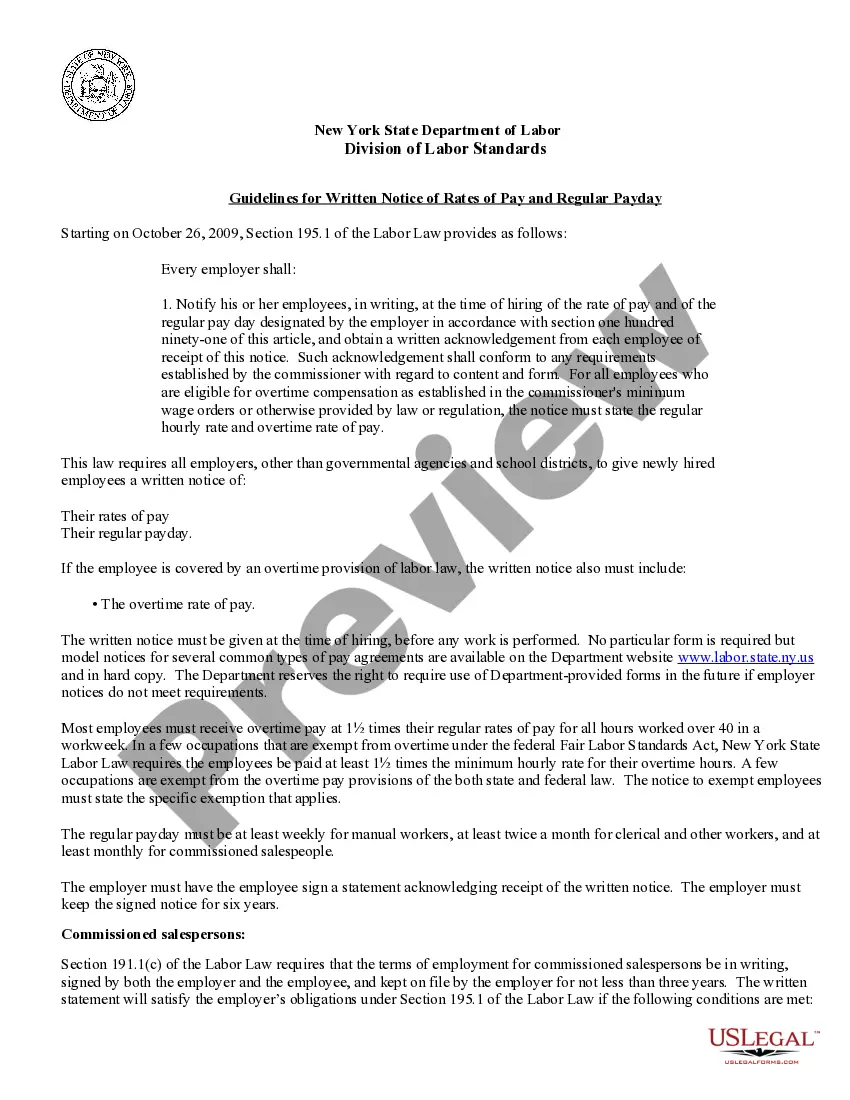
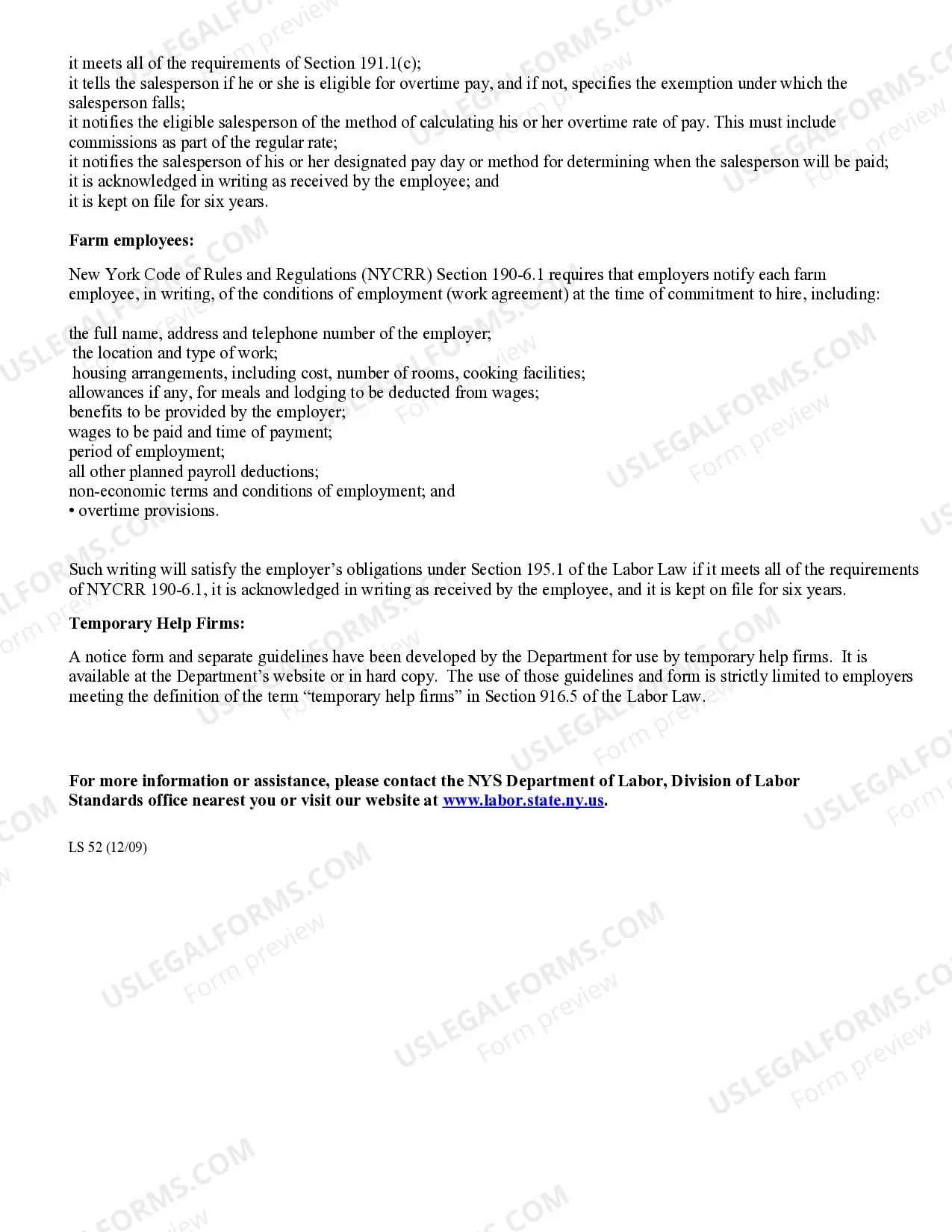
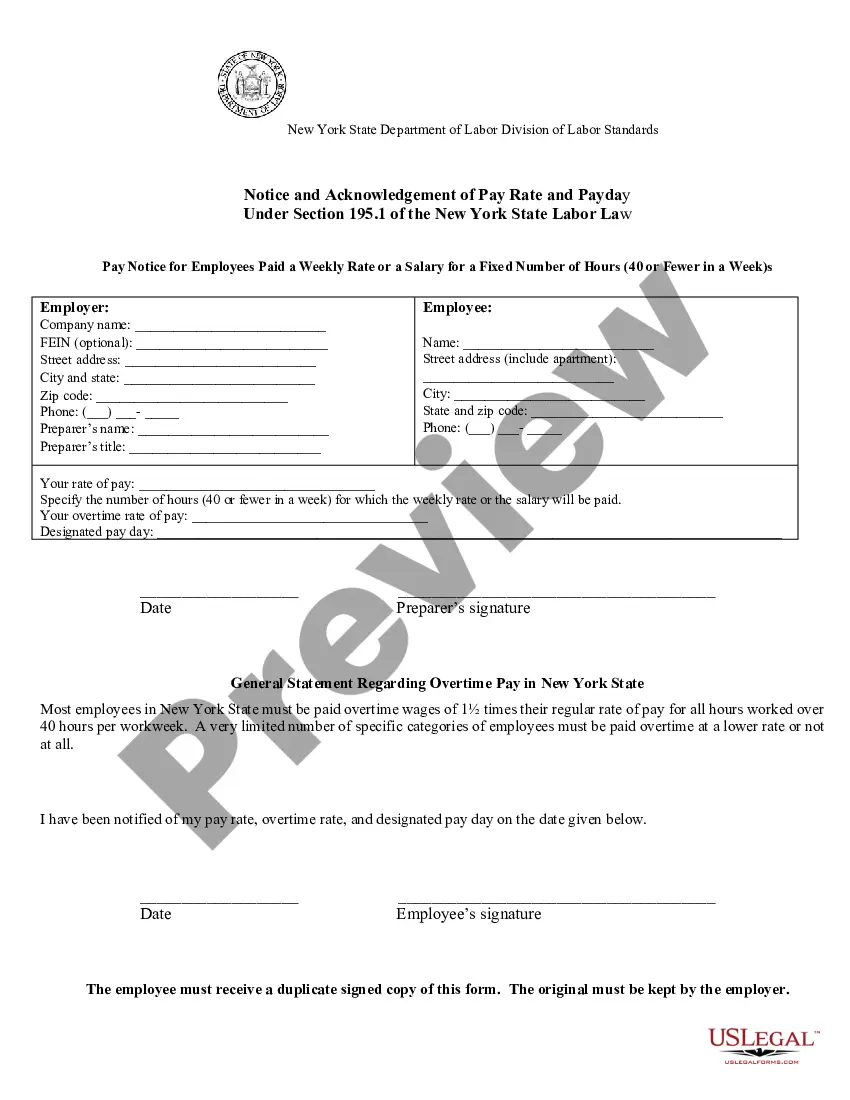
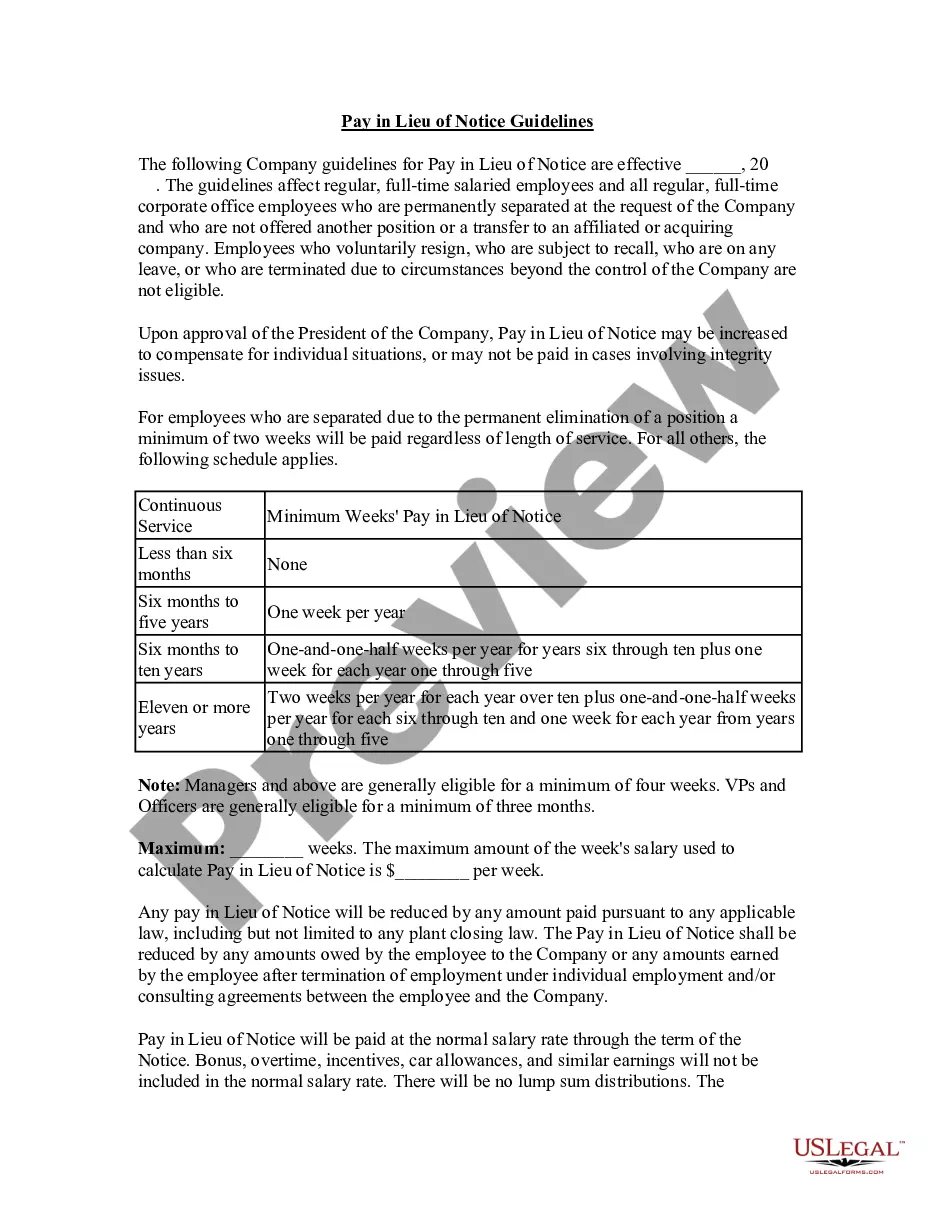
Get your form ready online
Our built-in tools help you complete, sign, share, and store your documents in one place.
Make edits, fill in missing information, and update formatting in US Legal Forms—just like you would in MS Word.
Download a copy, print it, send it by email, or mail it via USPS—whatever works best for your next step.
Sign and collect signatures with our SignNow integration. Send to multiple recipients, set reminders, and more. Go Premium to unlock E-Sign.
If this form requires notarization, complete it online through a secure video call—no need to meet a notary in person or wait for an appointment.
We protect your documents and personal data by following strict security and privacy standards.

Make edits, fill in missing information, and update formatting in US Legal Forms—just like you would in MS Word.

Download a copy, print it, send it by email, or mail it via USPS—whatever works best for your next step.

Sign and collect signatures with our SignNow integration. Send to multiple recipients, set reminders, and more. Go Premium to unlock E-Sign.

If this form requires notarization, complete it online through a secure video call—no need to meet a notary in person or wait for an appointment.

We protect your documents and personal data by following strict security and privacy standards.
Looking for another form?






How to fill out New York Guidelines For Written Notice Of Rates Of Pay And Regular Payday?
Managing legal documents can be overwhelming, even for experienced professionals.
If you need a Pay Employee Law For Employees and lack the time to find the accurate and current version, the process can be stressful.
Access a valuable resource pool of articles, guides, handbooks, and materials related to your case and requirements.
Save time and effort searching for the documents you need, utilizing US Legal Forms’ sophisticated search and Review feature to locate Pay Employee Law For Employees and obtain it.
Ensure the template is sanctioned in your state or county. Click Buy Now when prepared. Select a subscription plan. Choose the file format you want, and Download, fill out, eSign, print, and send your documents. Leverage the US Legal Forms online catalog, supported by 25 years of expertise and reliability. Streamline your daily document management into a seamless and user-friendly experience today.
- If you hold a membership, Log In to your US Legal Forms account, search for the document, and download it.
- Check your My documents section to view the documents you've previously saved and manage your folders as needed.
- If this is your first time using US Legal Forms, create an account to gain unlimited access to all library benefits.
- Here are the steps to follow after acquiring the document you require.
- Verify that it is the correct document by previewing it and reading its outline.
- Access state- or county-specific legal and business documents.
- US Legal Forms addresses any needs you may have, from personal to business documentation, all in one location.
- Employ advanced tools to complete and manage your Pay Employee Law For Employees.
Form popularity
FAQ
To efficiently do payroll for an employee, begin by establishing a routine collection of attendance data and other necessary information. Once you calculate their earnings, be sure to appropriately deduct taxes and other liabilities. Remember that following pay employee law for employees is essential to maintain compliance and avoid potential fines. Consider utilizing platforms such as USLegalForms to simplify this process.
To do payroll for your employees, start by gathering their work hours and any relevant personal information. Next, calculate their total earnings and subtract the required taxes and deductions. It is crucial to adhere to pay employee law for employees, ensuring that your process remains compliant with state and federal regulations. You may use tools like USLegalForms for streamlined payroll processing.
Processing payroll involves five basic steps: collecting employee data, calculating gross wages, applying deductions, distributing net pay, and maintaining payroll records. Pay employee law for employees mandates accuracy in these calculations to avoid legal issues. Each step ensures that your employees receive their rightful earnings while staying compliant with regulations.
To make payroll for an employee, start by collecting necessary employee information, such as their hours worked and relevant tax information. Then, calculate the gross pay based on this data, deduct applicable taxes, and ensure compliance with pay employee law for employees. Finally, issue the payment through preferred methods, like direct deposit, while providing a payslip that details all deductions.
As an employee in Arizona, you have numerous rights under state and federal laws, including fair pay, safe working conditions, and protection from unlawful termination. Specifically, the Pay employee law for employees in Arizona requires that you receive at least minimum wage and overtime pay when applicable. It’s beneficial to familiarize yourself with these rights to ensure they are upheld. For additional support, consider utilizing platforms like USLegalForms, which can help you navigate your rights effectively.
Laws regarding salaried employees generally ensure that they receive a consistent paycheck, regardless of hours worked. However, the Pay employee law for employees stipulates that salaried employees must meet specific criteria, which may determine their eligibility for overtime pay. It's vital to remain informed about these laws, especially as they can vary by state. Always consult the relevant regulations to ensure compliance and protection for your rights as a salaried worker.
As a worker, you hold several fundamental rights, including receiving fair pay, the right to a safe work environment, and protection against discrimination. The Pay employee law for employees emphasizes that all workers should receive their rightful wages without discrimination based on race, gender, or other factors. Understanding these rights empowers you to advocate for yourself in the workplace and seek resolution if your rights are violated.
Salary laws are designed to protect employees and ensure they receive fair compensation. Under the Fair Labor Standards Act, employers must adhere to minimum wage regulations and provide overtime pay for eligible employees. Furthermore, various state laws may impose additional requirements regarding salary structure and pay practices. It is important for employees to understand these regulations as part of the pay employee law for employees to safeguard their financial rights.
Salaried employees may work a vast range of hours each week, but understanding their rights is essential. The Fair Labor Standards Act does not set a maximum number of hours; however, the law mandates that non-exempt salaried workers must receive overtime pay for hours worked beyond 40 in a week. Therefore, it is vital for employees to be aware of their rights under the pay employee law for employees to protect themselves against potential overworking.
Understanding HR laws is crucial for both employers and employees. The three most important HR laws include the Fair Labor Standards Act, which governs minimum wage and overtime pay; the Family and Medical Leave Act, which mandates certain employers to provide unpaid leave for family and medical reasons; and the Civil Rights Act, which prohibits discrimination in the workplace. Familiarizing yourself with these laws ensures you comply with the pay employee law for employees, creating a fair work environment.