3 Day Notice On Weekend
Description

Get your form ready online
Our built-in tools help you complete, sign, share, and store your documents in one place.
Make edits, fill in missing information, and update formatting in US Legal Forms—just like you would in MS Word.
Download a copy, print it, send it by email, or mail it via USPS—whatever works best for your next step.
Sign and collect signatures with our SignNow integration. Send to multiple recipients, set reminders, and more. Go Premium to unlock E-Sign.
If this form requires notarization, complete it online through a secure video call—no need to meet a notary in person or wait for an appointment.
We protect your documents and personal data by following strict security and privacy standards.

Make edits, fill in missing information, and update formatting in US Legal Forms—just like you would in MS Word.

Download a copy, print it, send it by email, or mail it via USPS—whatever works best for your next step.

Sign and collect signatures with our SignNow integration. Send to multiple recipients, set reminders, and more. Go Premium to unlock E-Sign.

If this form requires notarization, complete it online through a secure video call—no need to meet a notary in person or wait for an appointment.

We protect your documents and personal data by following strict security and privacy standards.
Looking for another form?










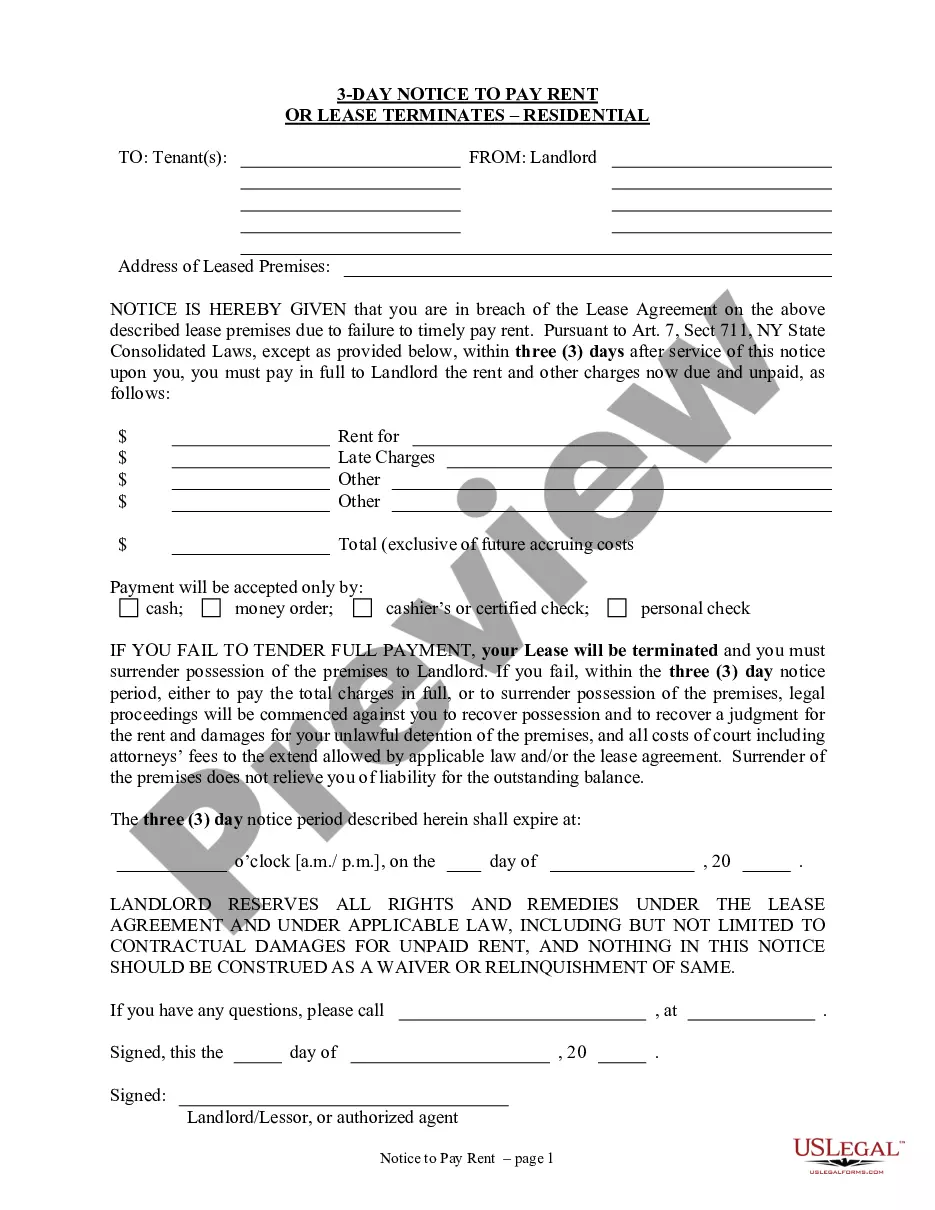
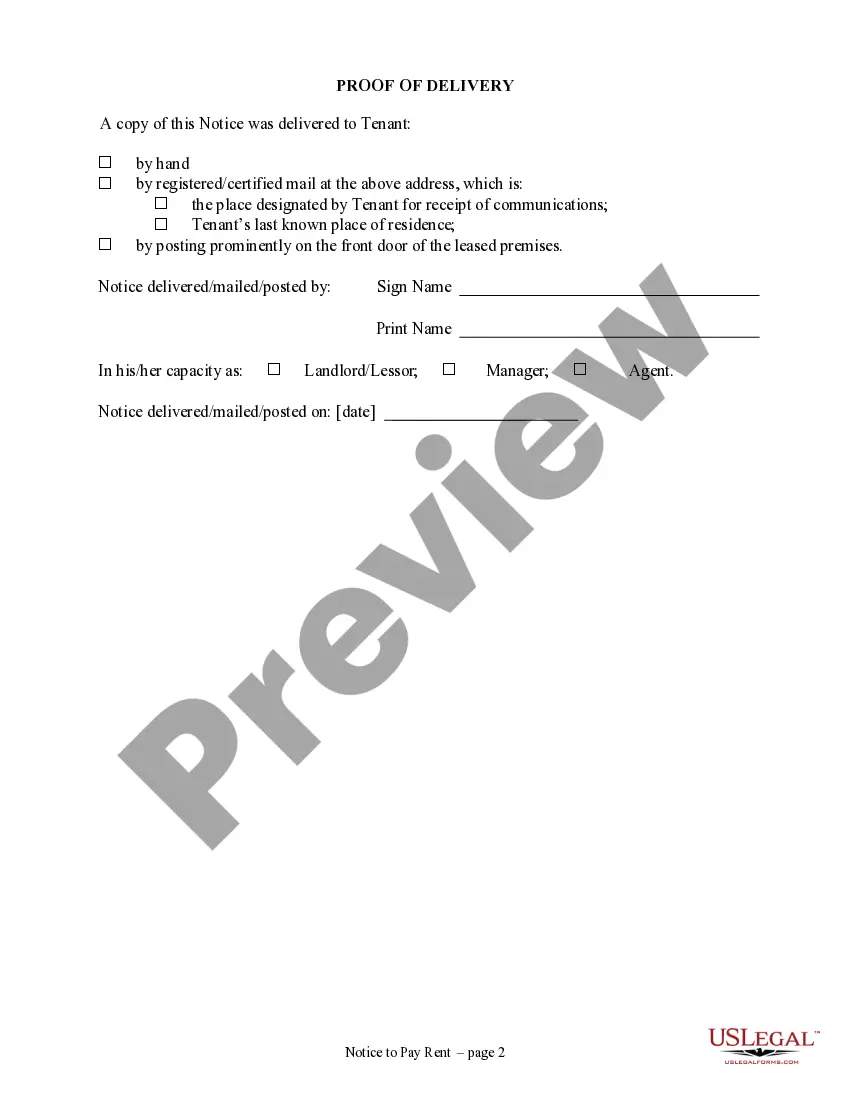
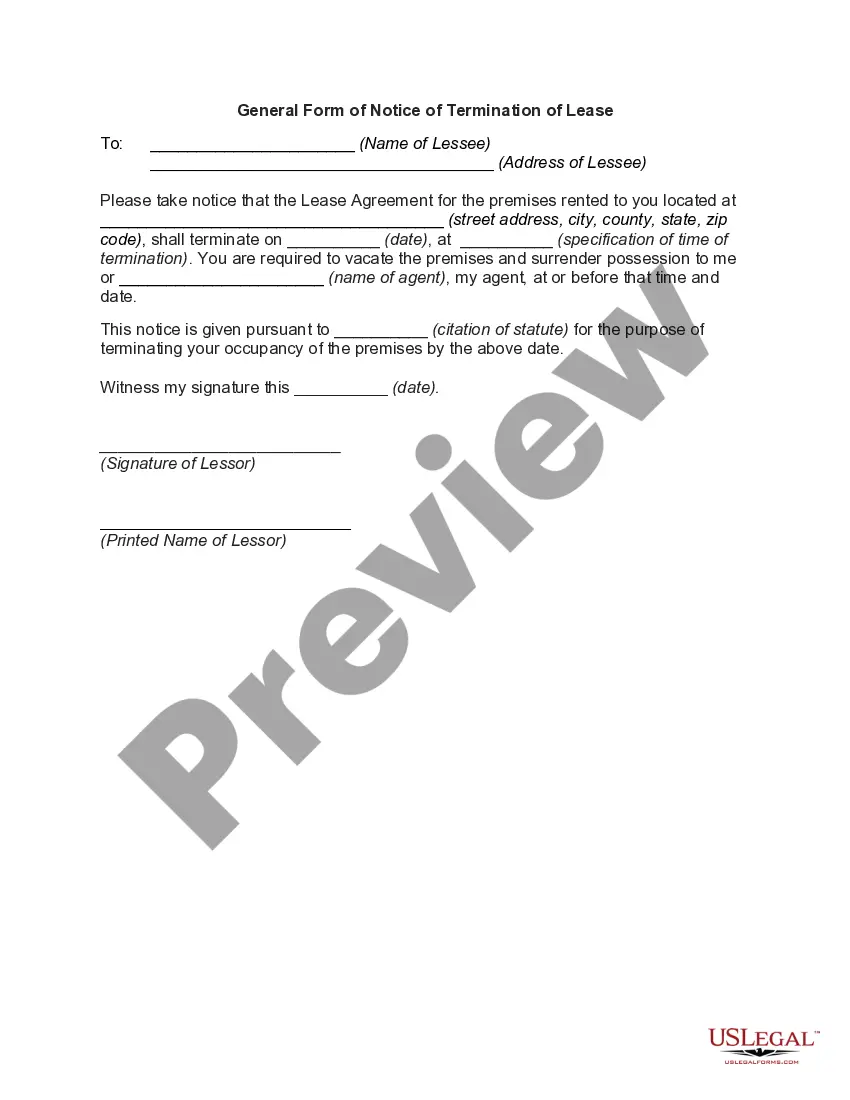
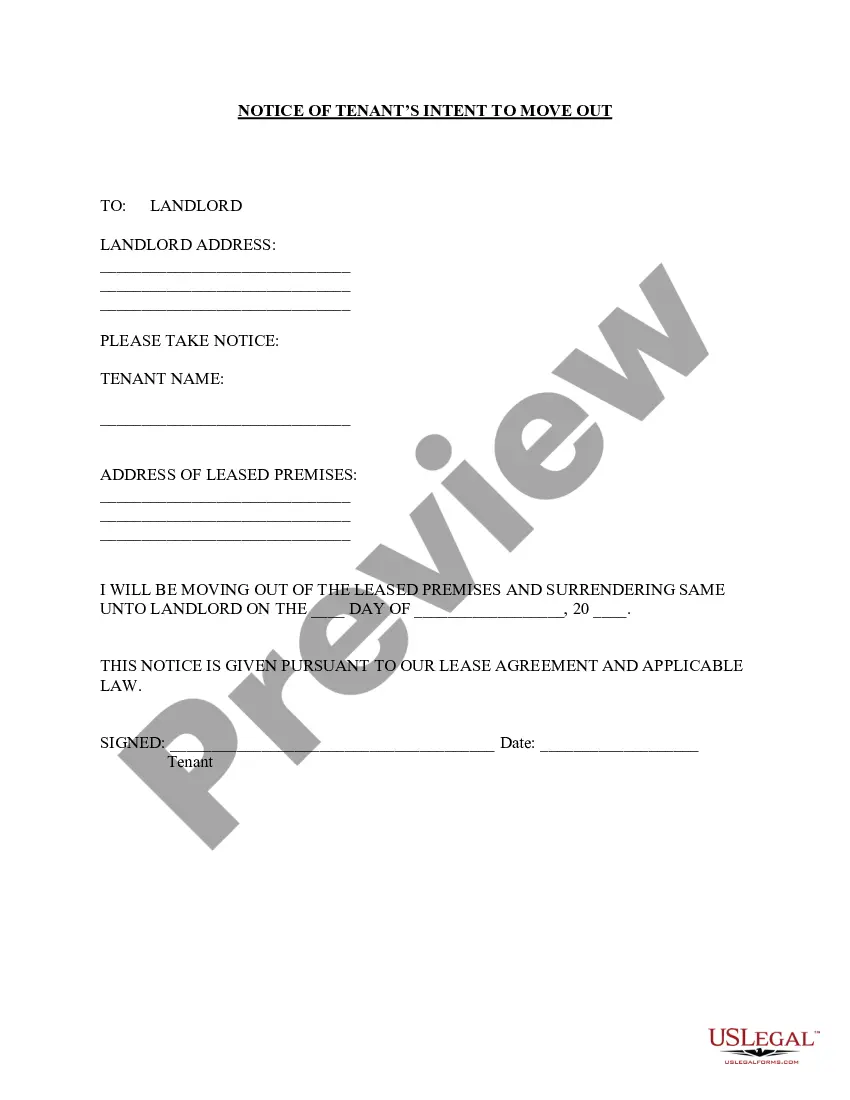
How to fill out New York 3 Days Notice To Pay Rent Or Lease Terminates For Residential Property From Landlord To Tenant?
Whether for corporate interests or personal matters, everyone must confront legal circumstances at some stage in their life.
Completing legal paperwork demands meticulous care, beginning with choosing the correct form sample.
With an extensive US Legal Forms library available, you won’t need to waste time searching for the right sample online. Use the library’s user-friendly navigation to find the appropriate template for any circumstance.
- Locate the sample you require by using the search bar or catalog browsing.
- Review the form’s description to ensure it aligns with your situation, state, and locality.
- Press on the form’s preview to examine it.
- If it is the incorrect document, return to the search feature to find the 3 Day Notice On Weekend sample you require.
- Obtain the template once it satisfies your needs.
- If you possess a US Legal Forms account, click Log in to access previously saved documents in My documents.
- If you do not have an account yet, you can download the form by clicking Buy now.
- Select the appropriate pricing option.
- Complete the account registration form.
- Choose your payment method: use a credit card or PayPal account.
- Select the file format you prefer and download the 3 Day Notice On Weekend.
- After it is saved, you can complete the form with the assistance of editing software or print it and finish it manually.
Form popularity
FAQ
After receiving a 3-day Texas notice, the tenant has three days to vacate the property or remedy the situation, such as paying overdue rent. If the tenant does not respond within this period, the landlord can file for eviction in court. This process might include a hearing where both parties can present their cases. For helpful templates and guidance on what steps to take next, consider utilizing USLegalForms.
After section 21 is abolished, landlords will always need to provide their tenants with a reason for ending a tenancy, for example: a breach of contract or wanting to sell the property. However, tenants will be able to choose to end the tenancy at any time, as long as they provide two months' notice to the landlord.
For the Notices that ask you to pay or fix a problem or move out, you do not count weekends or court holidays in the deadline. For Notices to only move out by a deadline, you count each day. But, if the last day is a Saturday, Sunday, or a court holiday, then the deadline is the next business day.
The main difference between the two tenancies is that an AST gives the landlord an automatic right to regain possession after the initial fixed term period, as long as they provide reasonable notice. Whereas, with an AT the landlord does not have this right which provides the tenant with greater security.
Before a landlord can start the eviction process, they are required to give the tenant an official written 3-Day Notice to Pay. If rent is paid within those 3 days, then the filing for eviction does not continue. If they are unable to pay, the landlord reserves the right to continue filing for eviction.
If you've served a section 21 notice on your tenant and they're refusing to leave you need to apply to court for a possession order to get them out. That shouldn't be too much of a problem if you've done everything right though.