Tenant With Remove Without Permission
Description
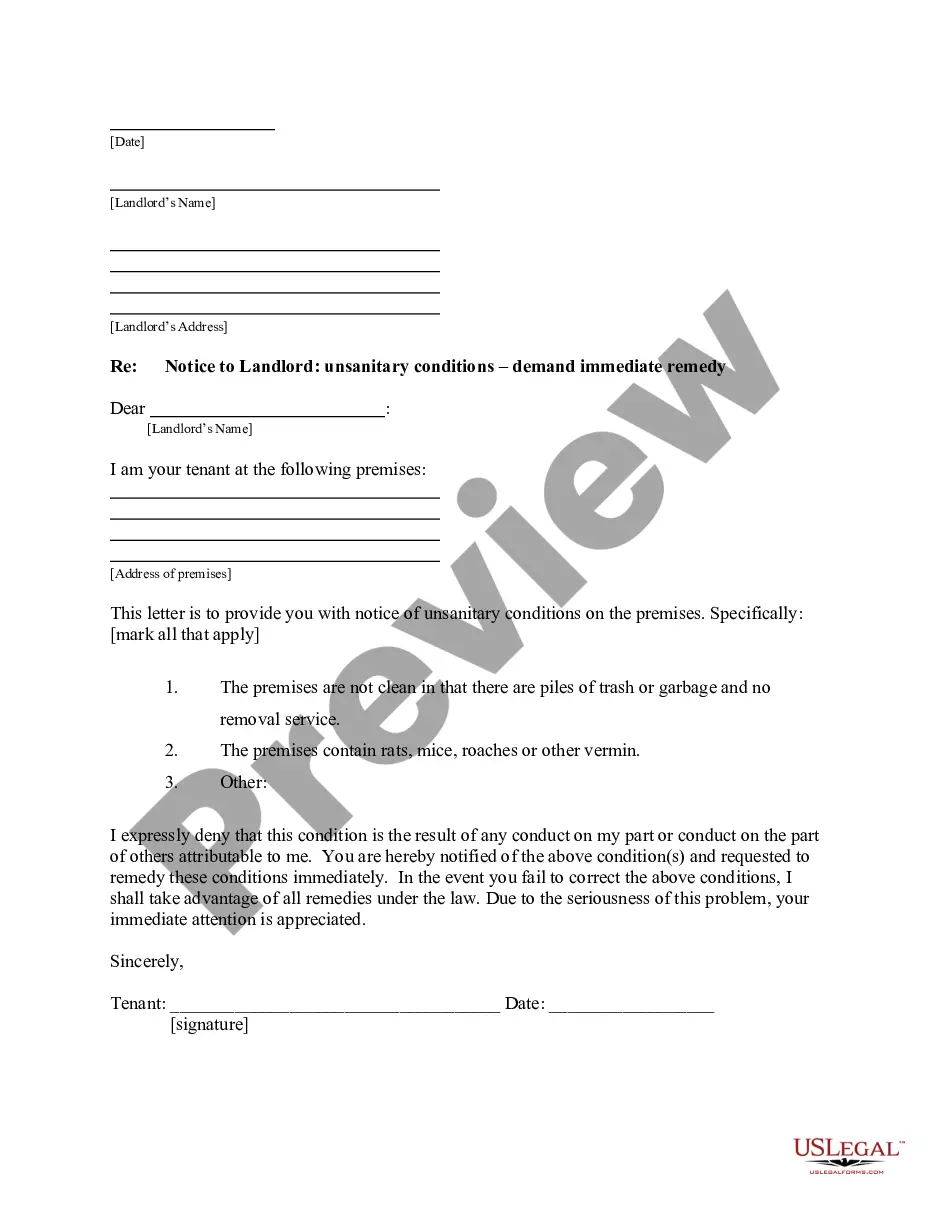
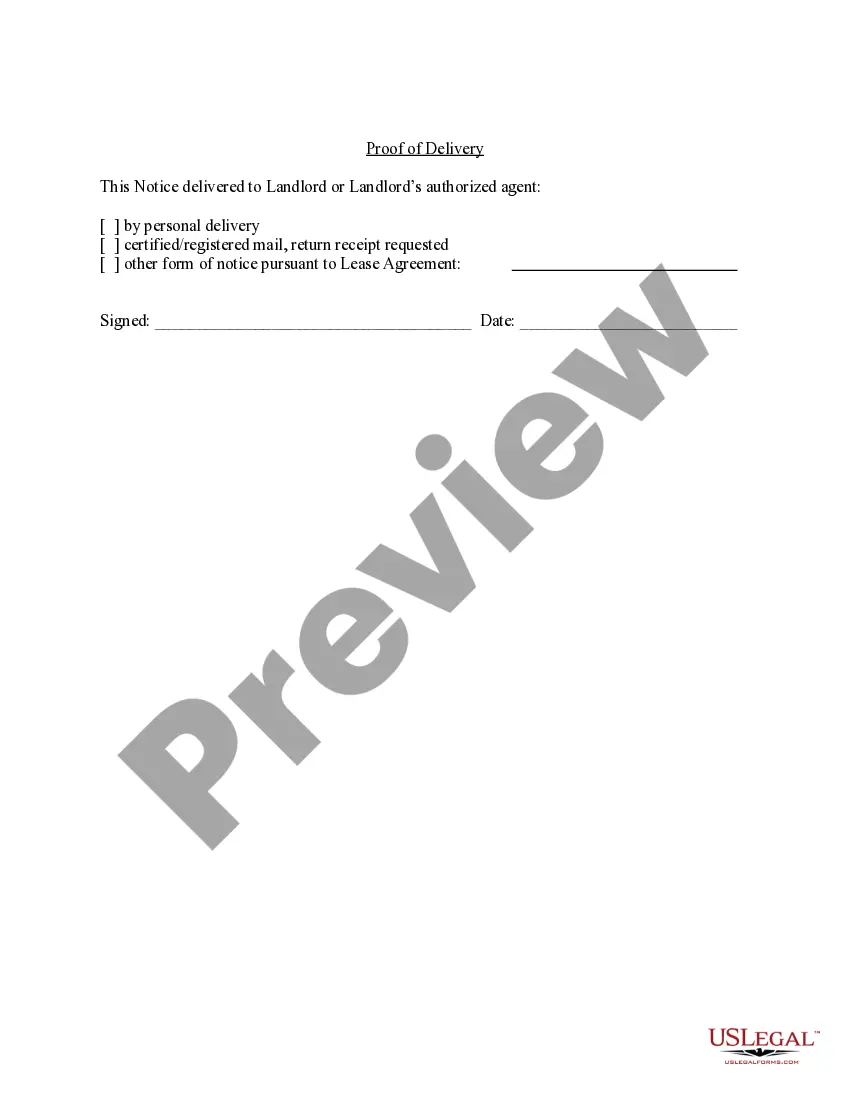

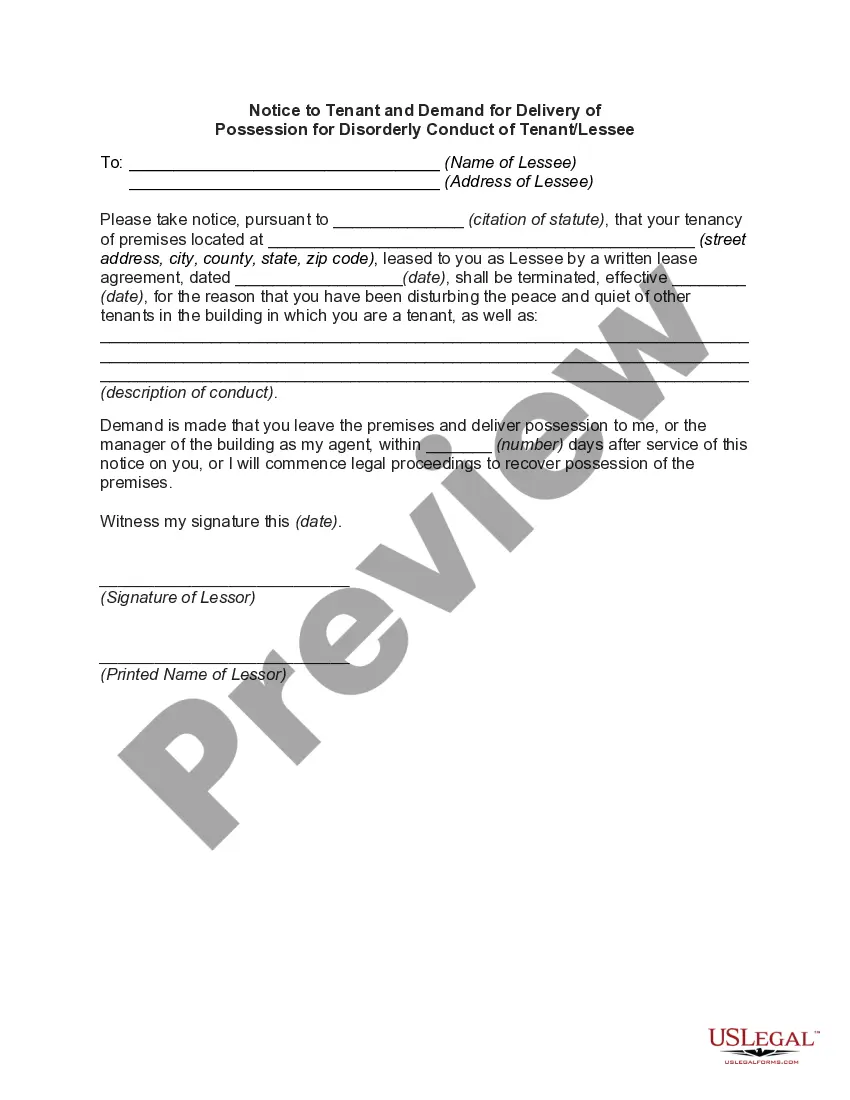
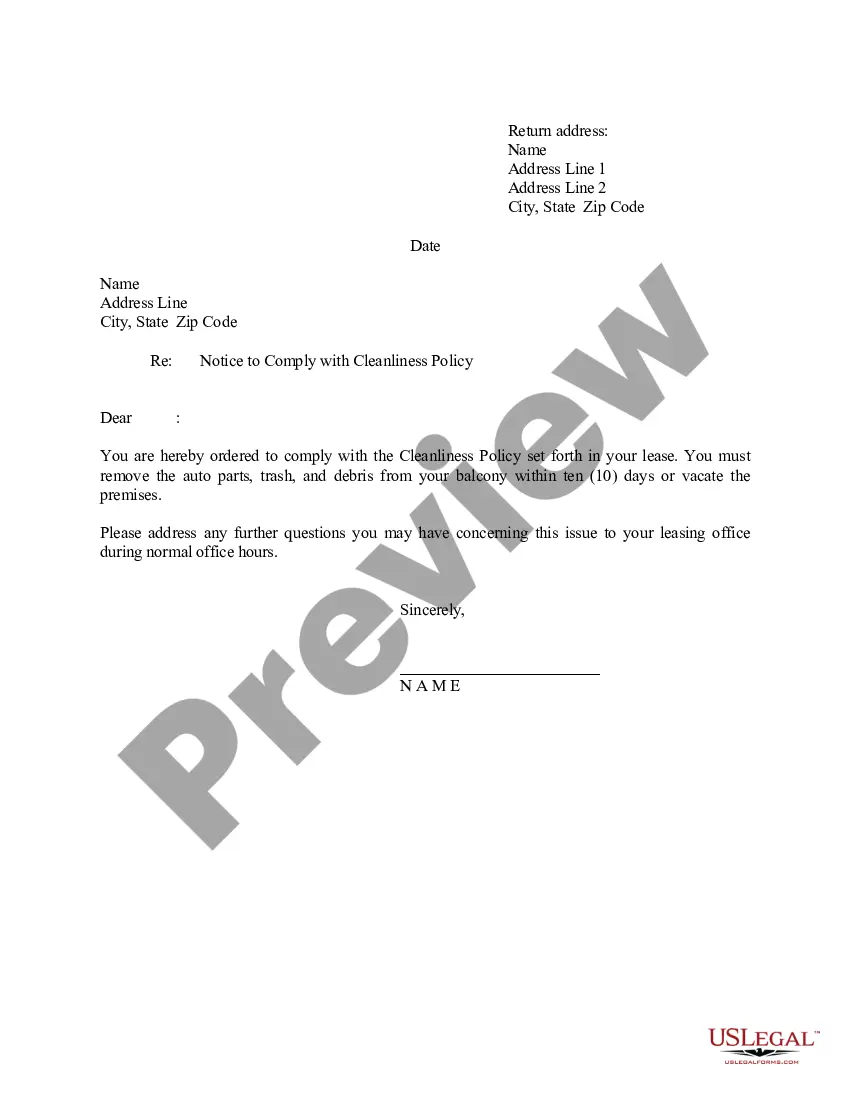
Get your form ready online
Our built-in tools help you complete, sign, share, and store your documents in one place.
Make edits, fill in missing information, and update formatting in US Legal Forms—just like you would in MS Word.
Download a copy, print it, send it by email, or mail it via USPS—whatever works best for your next step.
Sign and collect signatures with our SignNow integration. Send to multiple recipients, set reminders, and more. Go Premium to unlock E-Sign.
If this form requires notarization, complete it online through a secure video call—no need to meet a notary in person or wait for an appointment.
We protect your documents and personal data by following strict security and privacy standards.

Make edits, fill in missing information, and update formatting in US Legal Forms—just like you would in MS Word.

Download a copy, print it, send it by email, or mail it via USPS—whatever works best for your next step.

Sign and collect signatures with our SignNow integration. Send to multiple recipients, set reminders, and more. Go Premium to unlock E-Sign.

If this form requires notarization, complete it online through a secure video call—no need to meet a notary in person or wait for an appointment.

We protect your documents and personal data by following strict security and privacy standards.
Looking for another form?






How to fill out New York Letter From Tenant To Landlord With Demand That Landlord Remove Garbage And Vermin From Premises?
Acquiring legal templates that adhere to federal and state laws is essential, and the internet provides various choices to select from.
However, what is the advantage of spending time searching for the appropriate Tenant With Remove Without Permission example online if the US Legal Forms digital library already has such templates compiled in one location.
US Legal Forms is the largest online legal repository with more than 85,000 fillable templates created by attorneys for any business and personal situation.
Review the template using the Preview feature or through the text outline to ensure it meets your requirements.
- They are straightforward to navigate with all documents categorized by state and intended use.
- Our experts keep updated with legal modifications, ensuring your form is current and compliant when acquiring a Tenant With Remove Without Permission from our platform.
- Acquiring a Tenant With Remove Without Permission is quick and uncomplicated for both existing and new users.
- If you already possess an account with an active subscription, Log In and save the document sample you require in the appropriate format.
- If you are new to our site, follow the instructions below.
Form popularity
FAQ
The quickest way to get a tenant with remove without permission out of your house involves understanding your rights and the proper legal steps. Begin by giving the tenant a formal eviction notice, which states your intention to evict them. If they refuse to leave, consider filing for eviction in court. US Legal Forms can help you navigate these steps and access the required legal forms to expedite the process.
To get rid of a tenant with remove without permission, start by reviewing your lease agreement and local laws. You may need to serve an eviction notice, which outlines the reasons for eviction. If the tenant does not leave voluntarily, you may have to file an eviction lawsuit. Platforms like US Legal Forms can provide you with the necessary documents and guidance throughout the process.
Removing a tenant without a tenancy agreement can be challenging but not impossible. You may need to prove that they occupy your property unlawfully, which can involve gathering evidence of their stay. Depending on your state’s laws, you might need to file an eviction claim. US Legal Forms provides essential tools and forms to assist you in handling such situations efficiently.
If a tenant refuses to leave, the first step is to communicate directly and understand their situation. If discussions fail, you might need to issue a formal eviction notice according to your state's laws. Following this, you can file for eviction in court if they still do not comply. US Legal Forms offers valuable templates and guidance to streamline this process.
Removing someone from a lease without their consent can be complex. Generally, all tenants must agree to changes in the lease. However, if a tenant is violating lease terms or causing disturbances, you may have grounds to initiate eviction proceedings. Utilizing resources from US Legal Forms can help you understand your rights and the necessary steps to proceed.
To remove an unauthorized tenant, start by reviewing your lease agreement and local laws. It's essential to document any violations, such as non-payment of rent or unauthorized occupancy. Consider sending a formal eviction notice, which outlines the reasons for removal. If the tenant does not comply, using a service like US Legal Forms can help you navigate the legal process effectively.
An eviction complaint is a written, legal document that is served with the eviction summons. The complaint states the grounds (reasons) for the eviction, the basic facts of the eviction, and identifies the action the landlord is asking the court to take. generally refers to expenses and fees for going to court.
It should spell out the terms of the eviction. The letter should be dated and state that the roommate has to be out within 30 days. You can also give a specific date by which the roommate has to leave. Make it clear that you'll bring legal action if he doesn't vacate the premises within the specified time.
Guests must have permission to remain in your home. Once you withdraw that permission, they are trespassing. You may call local law enforcement to remove them from your home if they refuse to leave.
Florida law allows for a legal action know as an Ejectment to remove a non-rent paying person living in your home, who has not signed a lease and has no title or interest in the property. Often times, this involves a person whom you have allowed to live in your home and who later refuses to leave when asked.