Deed With Life Estate Sample With Mortgage

Description
Get your form ready online
Our built-in tools help you complete, sign, share, and store your documents in one place.
Make edits, fill in missing information, and update formatting in US Legal Forms—just like you would in MS Word.
Download a copy, print it, send it by email, or mail it via USPS—whatever works best for your next step.
Sign and collect signatures with our SignNow integration. Send to multiple recipients, set reminders, and more. Go Premium to unlock E-Sign.
If this form requires notarization, complete it online through a secure video call—no need to meet a notary in person or wait for an appointment.
We protect your documents and personal data by following strict security and privacy standards.

Make edits, fill in missing information, and update formatting in US Legal Forms—just like you would in MS Word.

Download a copy, print it, send it by email, or mail it via USPS—whatever works best for your next step.

Sign and collect signatures with our SignNow integration. Send to multiple recipients, set reminders, and more. Go Premium to unlock E-Sign.

If this form requires notarization, complete it online through a secure video call—no need to meet a notary in person or wait for an appointment.

We protect your documents and personal data by following strict security and privacy standards.
Looking for another form?
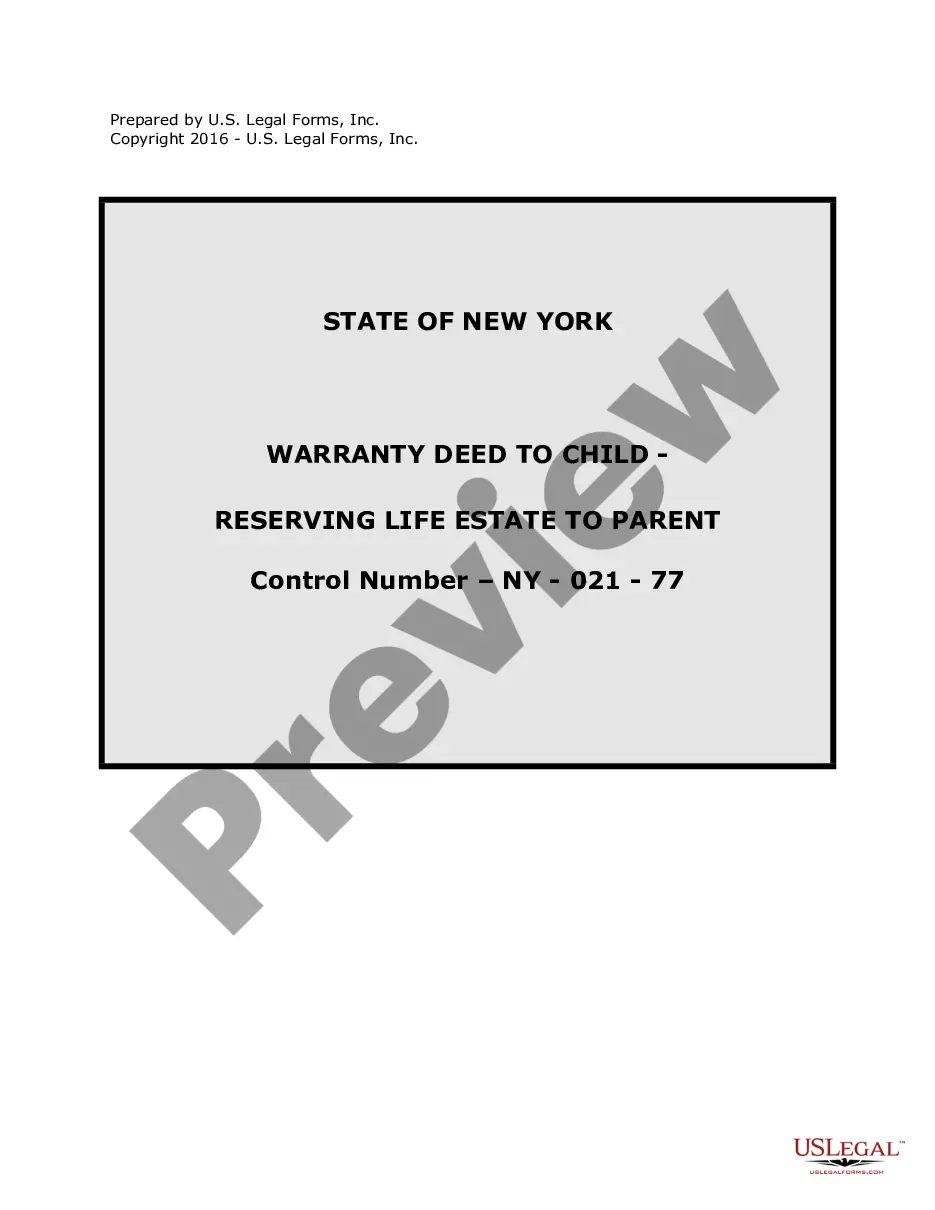
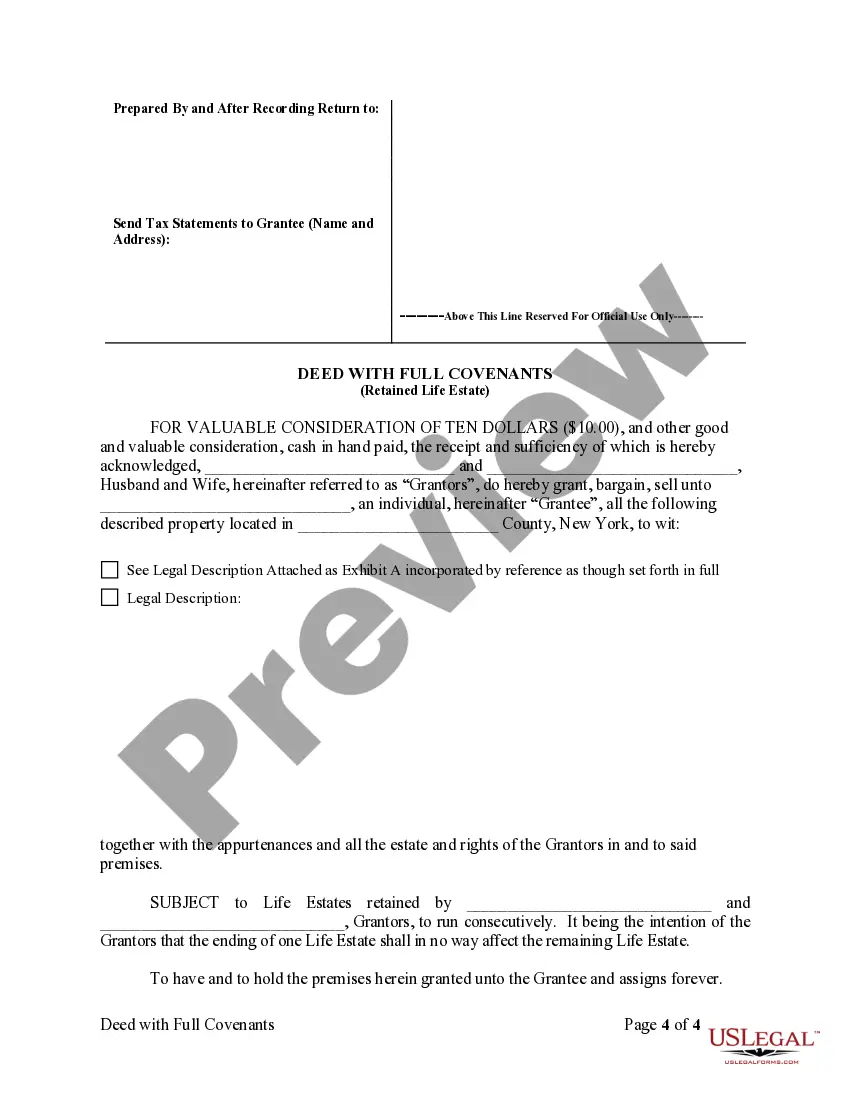
How to fill out New York Warranty Deed To Child Reserving A Life Estate In The Parents?
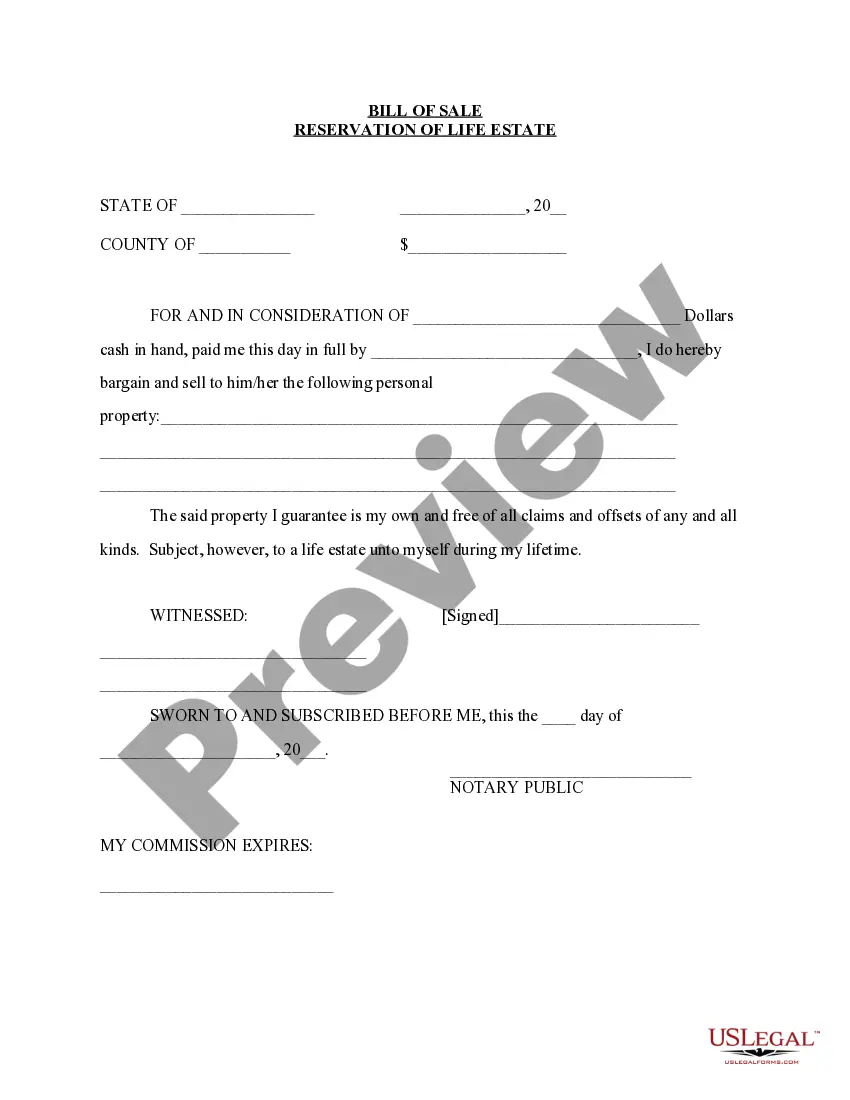
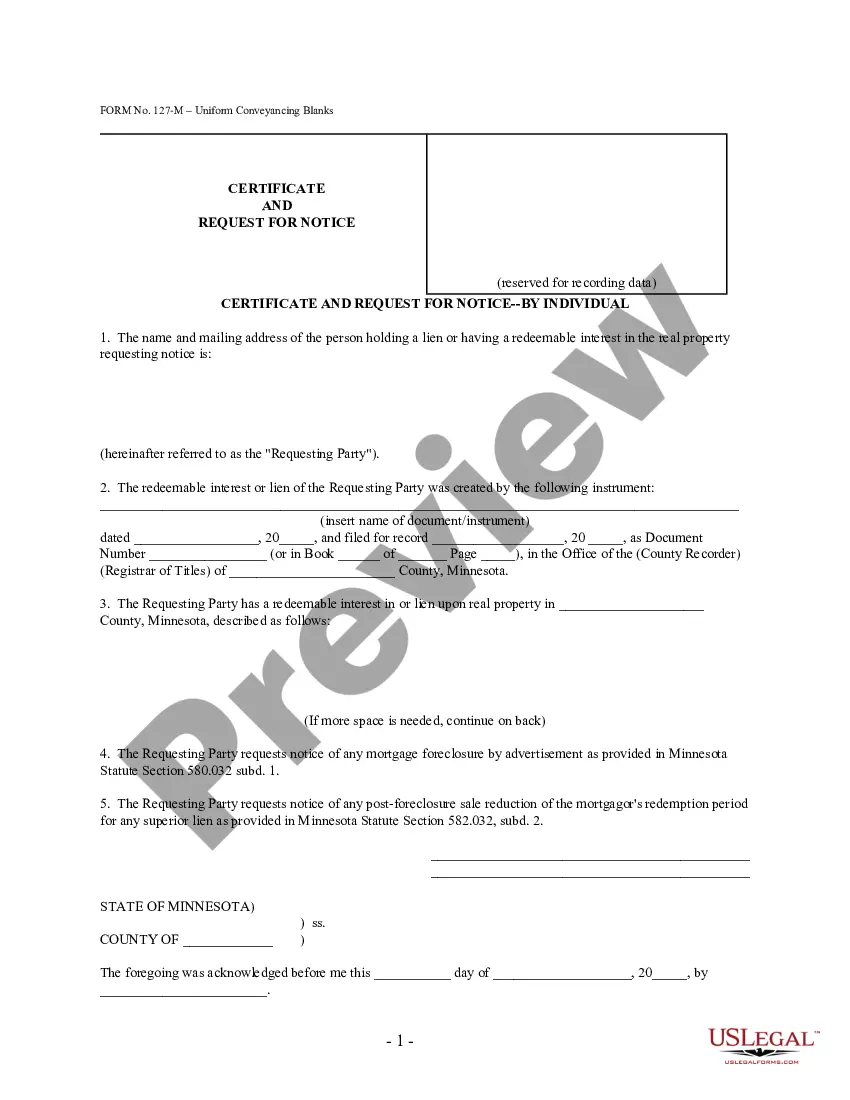
Whether for business purposes or for personal matters, everyone has to manage legal situations sooner or later in their life. Completing legal paperwork needs careful attention, beginning from picking the correct form template. For instance, if you pick a wrong version of the Deed With Life Estate Sample With Mortgage, it will be declined once you submit it. It is therefore important to have a reliable source of legal documents like US Legal Forms.
If you need to obtain a Deed With Life Estate Sample With Mortgage template, stick to these easy steps:
- Find the sample you need by utilizing the search field or catalog navigation.
- Check out the form’s information to ensure it matches your situation, state, and county.
- Click on the form’s preview to see it.
- If it is the incorrect form, go back to the search function to find the Deed With Life Estate Sample With Mortgage sample you need.
- Download the template when it meets your requirements.
- If you have a US Legal Forms profile, just click Log in to gain access to previously saved templates in My Forms.
- In the event you do not have an account yet, you can download the form by clicking Buy now.
- Pick the proper pricing option.
- Complete the profile registration form.
- Choose your transaction method: use a bank card or PayPal account.
- Pick the document format you want and download the Deed With Life Estate Sample With Mortgage.
- Once it is downloaded, you can complete the form with the help of editing software or print it and finish it manually.
With a large US Legal Forms catalog at hand, you do not need to spend time looking for the right sample across the web. Make use of the library’s easy navigation to find the right template for any situation.
Form popularity
FAQ
Cons of a Life Estate Deed Lack of control for the owner. ... Property taxes, which remain for the life tenant until their death. ... It's tough to reverse. ... The owner is still vulnerable to any debt actions that may be brought against the future beneficiary or remainderman.
Life Estates establish two different categories of property owners: the Life Tenant Owner and the Remainder Owner. The Life Tenant Owner maintains the absolute and exclusive right to use the property during his or her lifetime. This can be a sole owner or joint Life Tenants.
When the life tenant dies, the remainderman typically receives a step-up tax basis in the property. This means the remainderman takes ownership of the home at its fair market value at the time of the life tenant's death.
Rights of a remainderman A remainderman has an interest in assuring that the life tenant does not destroy, damage, or otherwise diminish the value of the property. The life tenant must maintain the property, make any existing mortgage payments, pay property taxes, and keep the property adequately insured.
A conventional life estate grants possession and limited ownership of an asset to someone for as long as they live. It can be created using a deed, specified in a will or included as part of a trust. Life estates are often used to provide housing for parents, spouses or offspring.