Trust Account For Family
Description


Get your form ready online
Our built-in tools help you complete, sign, share, and store your documents in one place.
Make edits, fill in missing information, and update formatting in US Legal Forms—just like you would in MS Word.
Download a copy, print it, send it by email, or mail it via USPS—whatever works best for your next step.
Sign and collect signatures with our SignNow integration. Send to multiple recipients, set reminders, and more. Go Premium to unlock E-Sign.
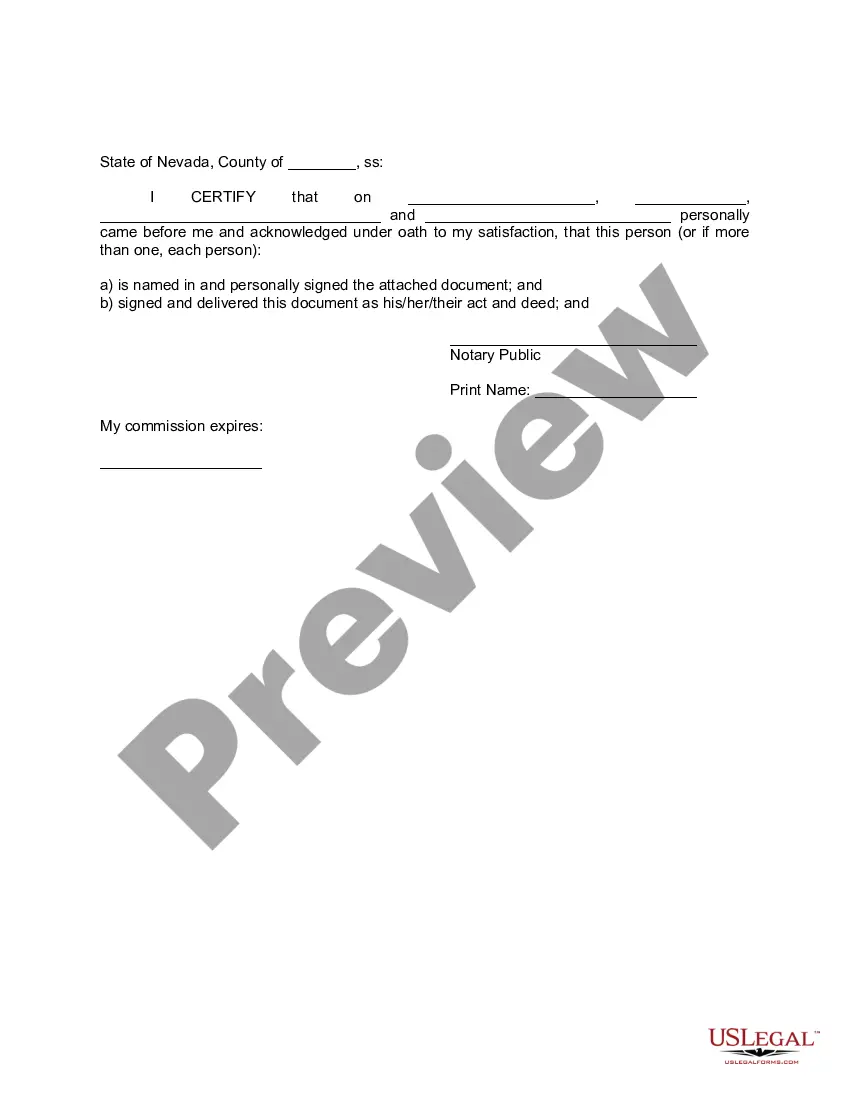
If this form requires notarization, complete it online through a secure video call—no need to meet a notary in person or wait for an appointment.
We protect your documents and personal data by following strict security and privacy standards.

Make edits, fill in missing information, and update formatting in US Legal Forms—just like you would in MS Word.

Download a copy, print it, send it by email, or mail it via USPS—whatever works best for your next step.

Sign and collect signatures with our SignNow integration. Send to multiple recipients, set reminders, and more. Go Premium to unlock E-Sign.

If this form requires notarization, complete it online through a secure video call—no need to meet a notary in person or wait for an appointment.

We protect your documents and personal data by following strict security and privacy standards.
Looking for another form?










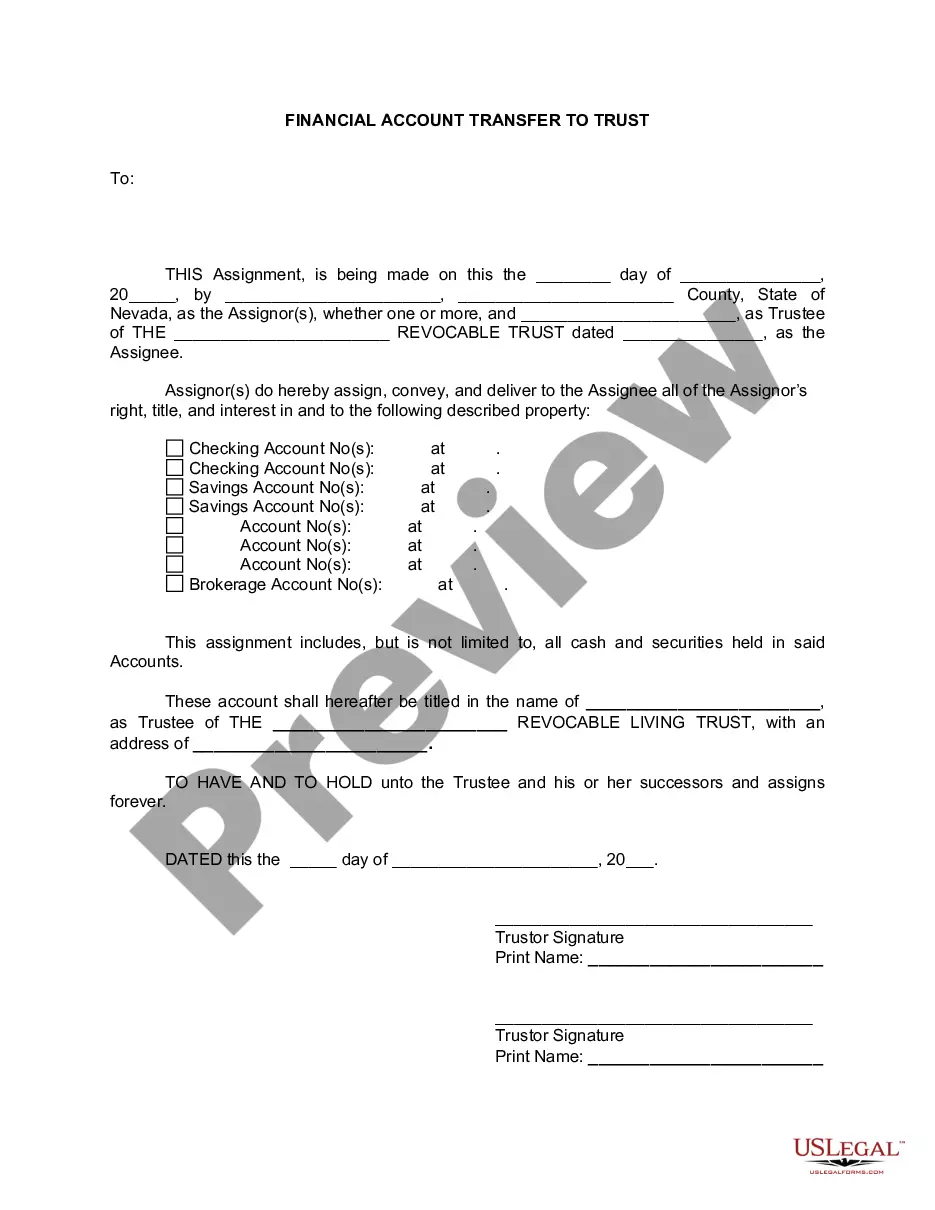
How to fill out Nevada Financial Account Transfer To Living Trust?
- If you're an existing user, log in to your account and download the appropriate form by clicking the Download button. Verify your subscription status before proceeding.
- For first-time users, start by exploring the Preview mode and form descriptions. Ensure the selected template aligns with your specific family needs and complies with local jurisdiction regulations.
- If adjustments are necessary, utilize the Search feature to find an alternative template. Confirm it meets your requirements before advancing.
- Purchase the document by clicking the Buy Now button and selecting a subscription plan. You'll need to create an account to access the library.
- Complete your payment using your credit card or PayPal account to finalize your subscription.
- Download the form and save it to your device. You can easily access it anytime through the My Forms section of your profile.
In conclusion, US Legal Forms equips users with more than 85,000 fillable legal documents, ensuring streamlined access to all essential forms. By following these simple steps, you can establish a trust account for family effectively and with confidence.
Don't wait—start protecting your family's future today!
Form popularity
FAQ
Choosing the best bank for a trust account involves considering factors like fees, interest rates, and customer service. Many banks offer specialized accounts designed for trust funds, which may include specific features tailored for estate planning. It's beneficial to compare options and seek banks that have experience managing trust accounts for family purposes. Consider looking into uslegalforms for guidance on establishing a trust account seamlessly.
To set up a family trust, start by defining your goals for the trust. Gather necessary documentation like property deeds or bank statements, and clearly outline how assets will be managed and distributed. It's wise to consult an estate planning attorney to ensure your trust complies with state laws. Additionally, using a trust account for family can simplify the management of funds within the trust.
The best trust for your family member depends on your specific needs. A revocable trust is often a solid option, as it allows you to maintain control over the assets while you’re alive. This type of trust can easily be adjusted if circumstances change. Additionally, a trust account for family can help avoid probate and ensure a smoother transfer of assets.
The primary purpose of a family trust account is to hold and manage assets for the benefit of family members according to the terms outlined in the trust agreement. It serves as a financial tool that can help ensure that funds are used appropriately for education, healthcare, or other needs. A trust account for family not only provides flexibility but also offers protection against mismanagement. With platforms like UsLegalForms, setting up your trust account can be easier, ensuring your family’s future is secure.
People choose to have a trust account to simplify the management of their financial affairs and to avoid the lengthy probate process. A trust account for family enables the seamless transfer of assets upon death or incapacitation, allowing beneficiaries to access funds without delay. This option can also provide tax benefits and protect assets from creditors. Overall, it represents a smart choice for effective estate planning.
The main purpose of a family trust is to manage and protect assets for the benefit of family members. By establishing a family trust, you can specify how your assets will be distributed and who will benefit from them. This allows you to have greater control over your estate and provides peace of mind knowing your loved ones are taken care of. A trust account for family ensures that your wishes are honored and that your assets are safeguarded.
Yes, trusts may receive a 1099 form if they earn interest, dividends, or other types of income. This form details the income earned and is used for tax reporting purposes. Managing a trust account for family members includes keeping track of 1099s to ensure proper tax compliance.
Failure to file taxes on a trust can lead to penalties and interest on unpaid taxes. The IRS may impose fines that accrue over time, creating a financial burden for families. Understanding the importance of filing helps maintain a positive standing with tax authorities and protects family assets.
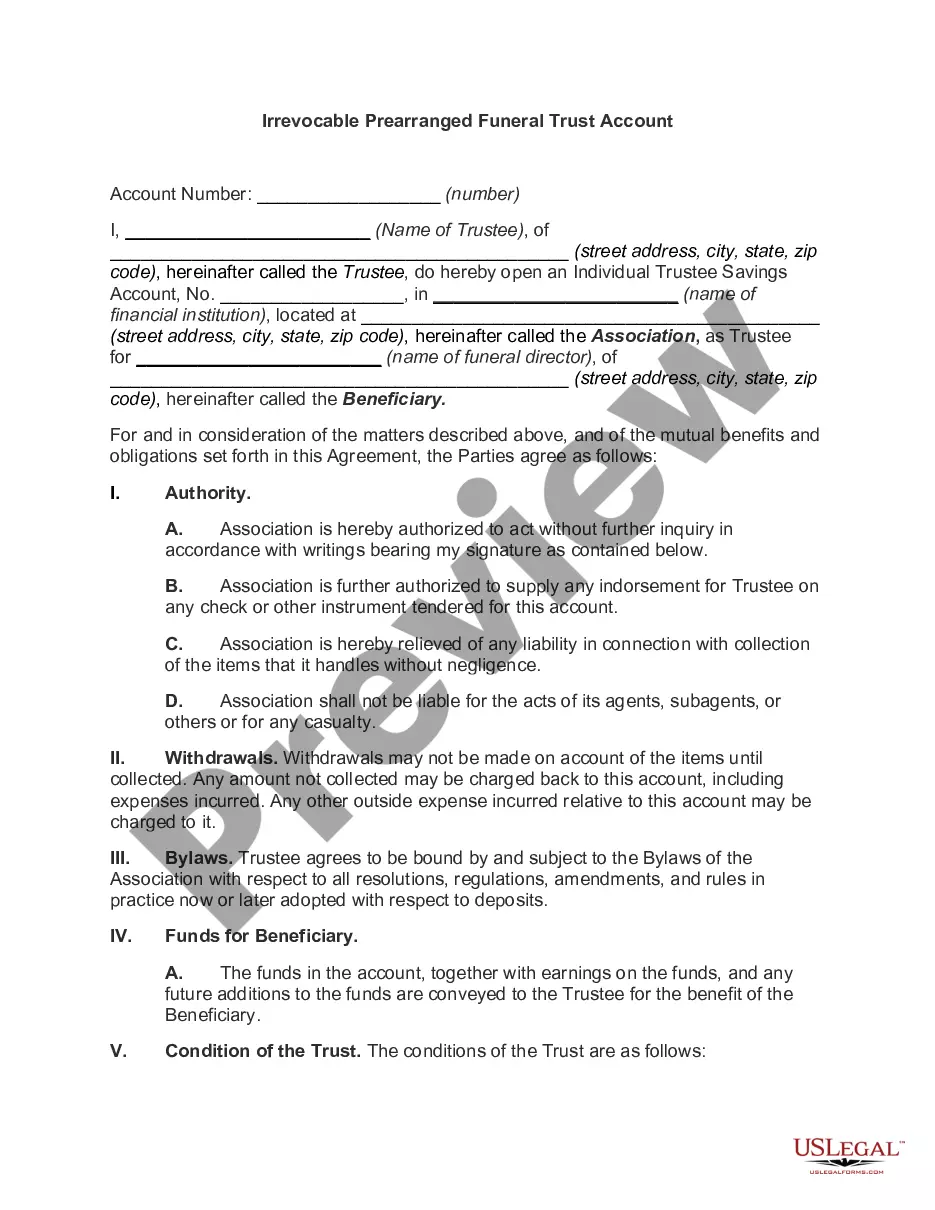
To set up a trust for a family member, begin by identifying the assets you wish to place in the trust account for family members. You can then draft a trust agreement, outlining the terms and beneficiaries. Consulting with a legal professional ensures you follow all necessary steps and legal requirements.
Filing taxes for a family trust involves using Form 1041 to report income generated from the trust account. Trusts may also need to issue K-1 forms to beneficiaries, detailing their share of the trust’s income. Proper filing ensures compliance and helps families avoid unnecessary tax penalties.