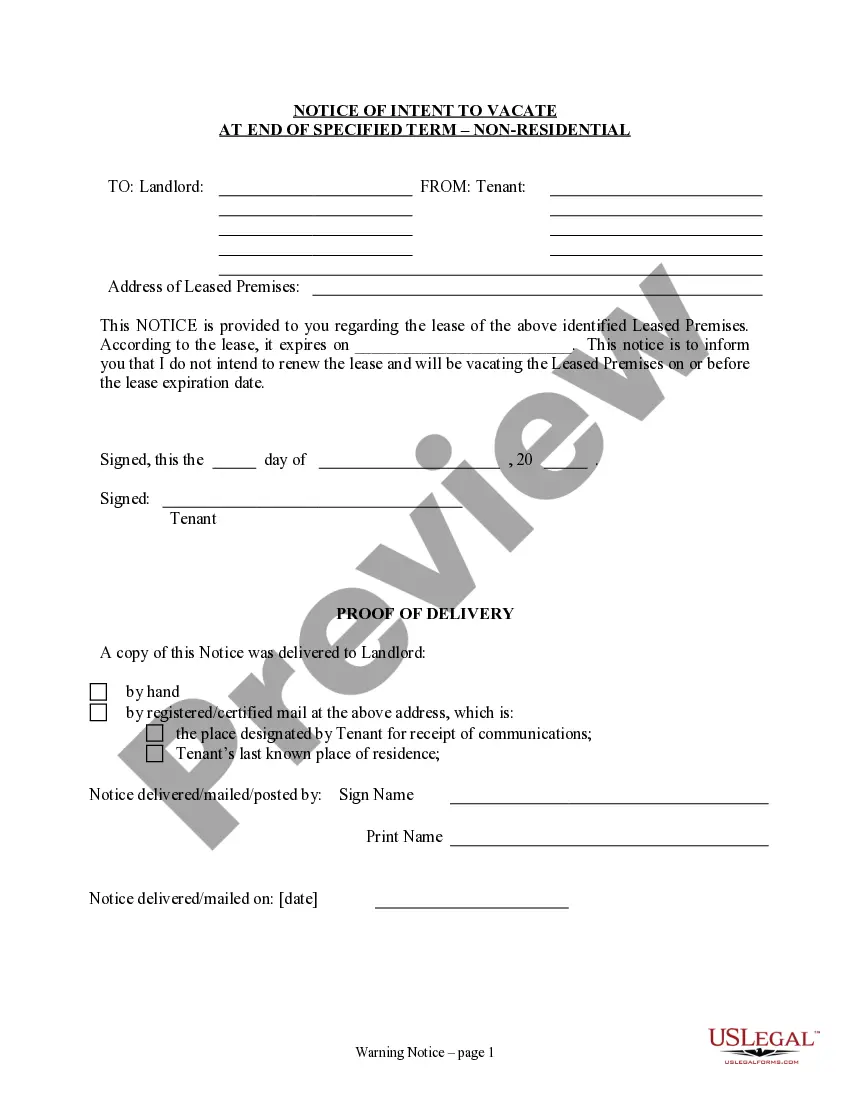
Notice Intent Vacate For The Future
Description

Get your form ready online
Our built-in tools help you complete, sign, share, and store your documents in one place.
Make edits, fill in missing information, and update formatting in US Legal Forms—just like you would in MS Word.
Download a copy, print it, send it by email, or mail it via USPS—whatever works best for your next step.
Sign and collect signatures with our SignNow integration. Send to multiple recipients, set reminders, and more. Go Premium to unlock E-Sign.
If this form requires notarization, complete it online through a secure video call—no need to meet a notary in person or wait for an appointment.
We protect your documents and personal data by following strict security and privacy standards.

Make edits, fill in missing information, and update formatting in US Legal Forms—just like you would in MS Word.

Download a copy, print it, send it by email, or mail it via USPS—whatever works best for your next step.

Sign and collect signatures with our SignNow integration. Send to multiple recipients, set reminders, and more. Go Premium to unlock E-Sign.

If this form requires notarization, complete it online through a secure video call—no need to meet a notary in person or wait for an appointment.

We protect your documents and personal data by following strict security and privacy standards.
Looking for another form?

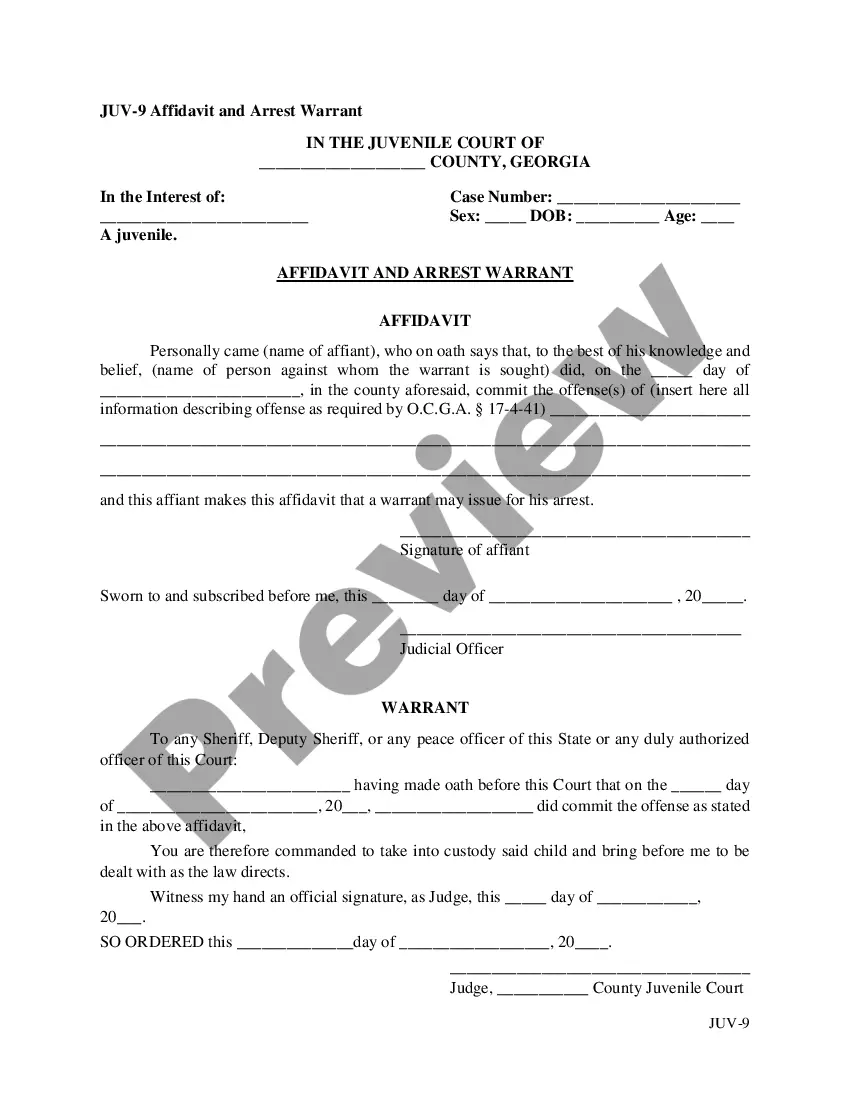


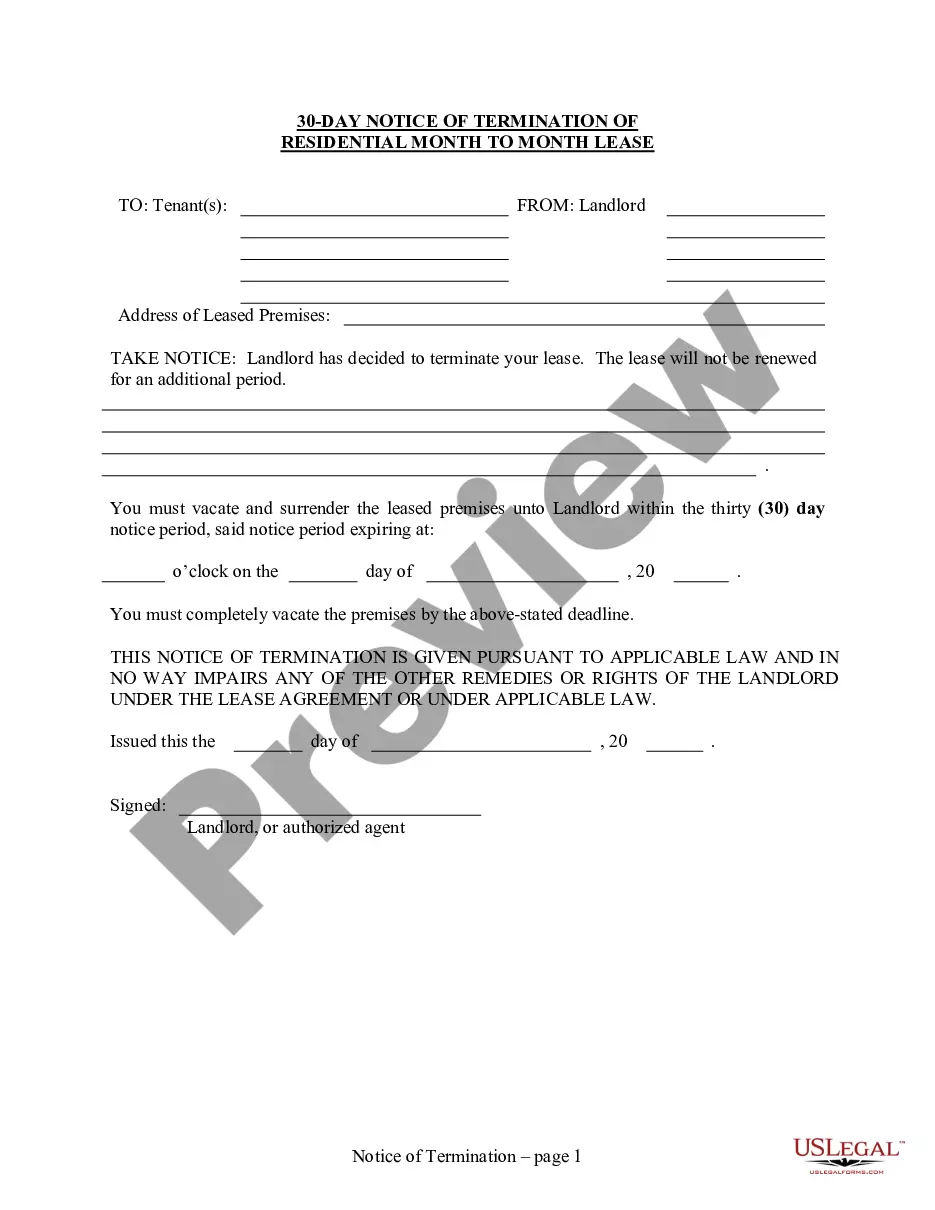




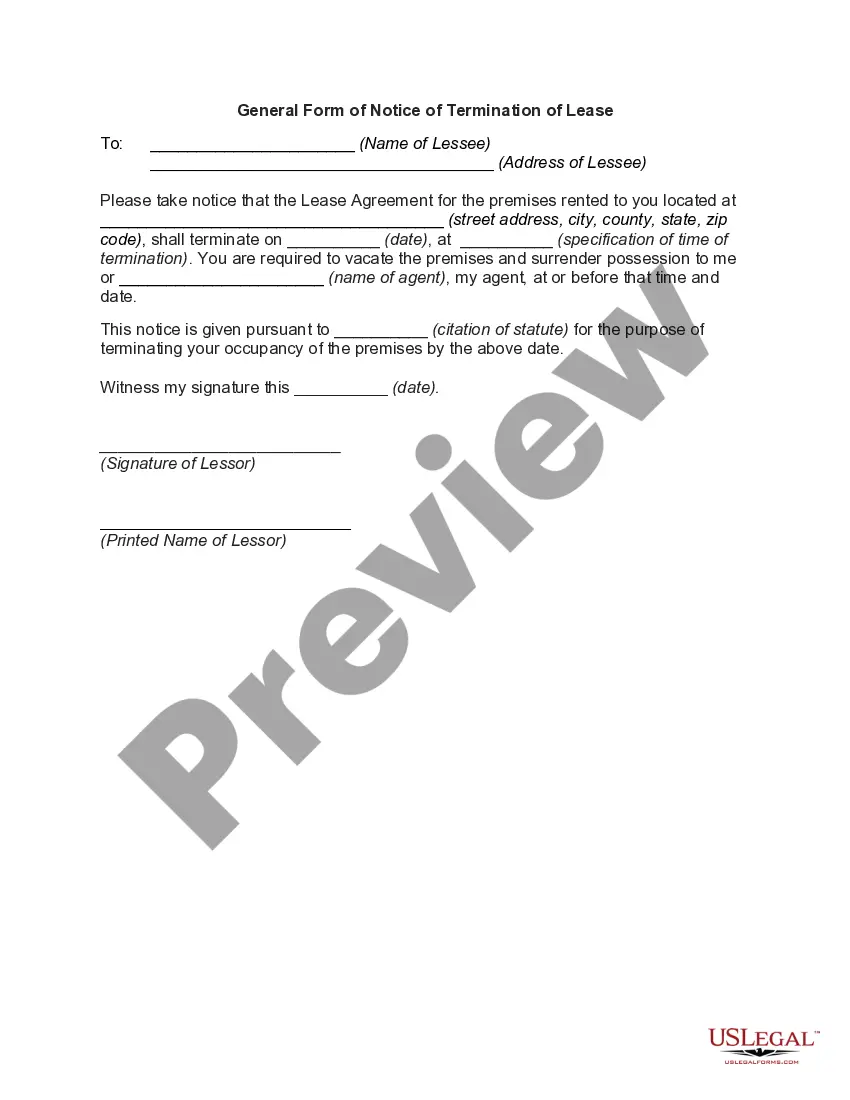
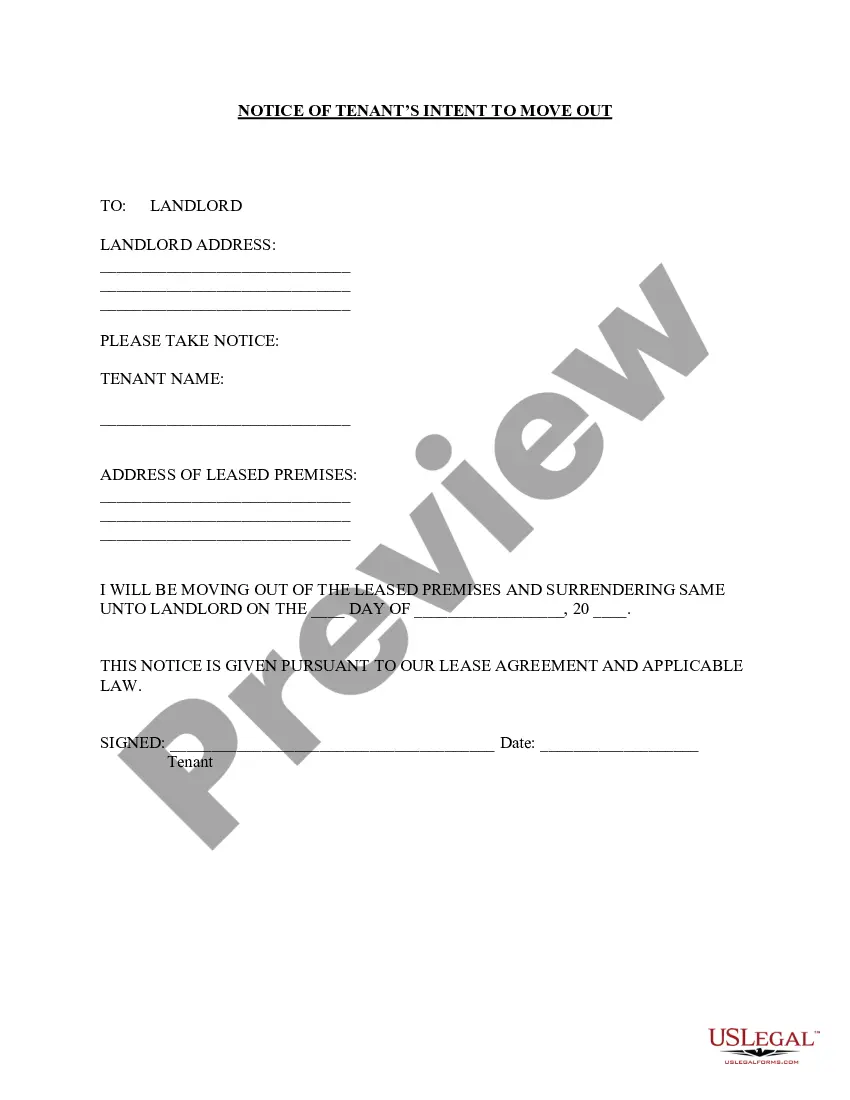
How to fill out Nevada Notice Of Intent To Vacate At End Of Specified Lease Term From Tenant To Landlord - Nonresidential?
- Start by logging into your US Legal Forms account. If you haven't registered yet, you'll need to create an account to access the documents.
- Review the forms available in the preview mode, focusing on the notice of intent to vacate templates. Ensure it complies with local jurisdiction laws.
- If you notice a need for a different template, utilize the Search tab to find the suitable document. Confirm it aligns with your requirements.
- Select the document and click on the 'Buy Now' button to proceed. Choose a subscription plan based on your needs.
- Complete your purchase by entering your payment details, using either a credit card or PayPal for convenience.
- After payment, download the form and save it to your device. You can always revisit and access it in the 'My Forms' section of your account.
Once you've completed the steps above, ensure that you correctly fill out the form to avoid any legal issues.
Using US Legal Forms streamlines the process of creating legally sound documents, empowering you to manage your tenancy with confidence. Start your journey today!
Form popularity
FAQ
Writing a notice letter to your tenant is an important step when communicating your intent to vacate for the future. Start by clearly stating your intent and providing the date when the tenant should vacate. Include any relevant terms from the lease agreement and make sure to use polite yet firm language. If you need guidance or templates, uslegalforms offers resources to help you create a professional notice letter that meets legal standards.
To write a letter to your landlord when moving out, start with a formal greeting and state your intention to vacate the property. Include the date you plan to move out, while ensuring you reference your notice intent vacate for the future, if applicable. Thank them for the rental experience and provide your contact information for any final details. This letter serves as your formal notification and helps maintain a professional relationship.
When you reach out to a potential landlord, express your enthusiasm for the property and mention specific features that attracted you. It’s also wise to provide a brief overview of your rental history. Be sure to outline your intentions clearly, including the potential need for a notice intent vacate for the future. This establishes transparency and builds trust.
Writing a letter to your future landlord involves being clear and respectful. Begin with a polite greeting, followed by your name and intention to rent the property. Include details about your rental history and how you plan to maintain the property. This letter serves as an introduction and may also incorporate your notice intent vacate for the future, should the need arise.
When you introduce yourself to a potential landlord, start with your name and a brief background about your rental history. You may want to mention any positive experiences with previous landlords to establish credibility. Additionally, express your interest in their property and briefly explain why it appeals to you. This approach helps create a positive first impression and sets the tone for open communication regarding your notice intent vacate for the future.
To write a letter of intent to move, begin with your name and contact information. Clearly outline your intention to move, including the date you plan to leave and any acknowledgments necessary for the landlord. This clarity ensures your letter acts as a proper notice intent vacate for the future.
Writing a letter of intent to vacate involves stating your request clearly. Start with your personal details, indicate the property address, and specify your intended move-out date. This well-structured letter also serves as your notice intent vacate for the future.
A notice to vacate is not the same as an eviction. A notice to vacate is a formal communication from a tenant to a landlord indicating their intent to leave the property. An eviction, however, is a legal process initiated by a landlord to remove a tenant. Understanding this distinction helps reinforce your notice intent vacate for the future.
Yes, you can email a notice of intent to vacate. However, ensure that your email includes all essential information like your name, address, and intended move-out date. Using email can be a quick way to communicate your notice intent vacate for the future, but it's advisable to confirm with your landlord that this method is acceptable.
To write a letter of intent to leave, begin with your full name and address. Clearly state that you intend to leave the property by a specific date, and provide any necessary details related to the move-out process. This straightforward approach will support your notice intent vacate for the future.