Tenant Landlord Shut With Security Deposit
Description


Get your form ready online
Our built-in tools help you complete, sign, share, and store your documents in one place.
Make edits, fill in missing information, and update formatting in US Legal Forms—just like you would in MS Word.
Download a copy, print it, send it by email, or mail it via USPS—whatever works best for your next step.
Sign and collect signatures with our SignNow integration. Send to multiple recipients, set reminders, and more. Go Premium to unlock E-Sign.
If this form requires notarization, complete it online through a secure video call—no need to meet a notary in person or wait for an appointment.
We protect your documents and personal data by following strict security and privacy standards.

Make edits, fill in missing information, and update formatting in US Legal Forms—just like you would in MS Word.

Download a copy, print it, send it by email, or mail it via USPS—whatever works best for your next step.

Sign and collect signatures with our SignNow integration. Send to multiple recipients, set reminders, and more. Go Premium to unlock E-Sign.

If this form requires notarization, complete it online through a secure video call—no need to meet a notary in person or wait for an appointment.

We protect your documents and personal data by following strict security and privacy standards.
Looking for another form?








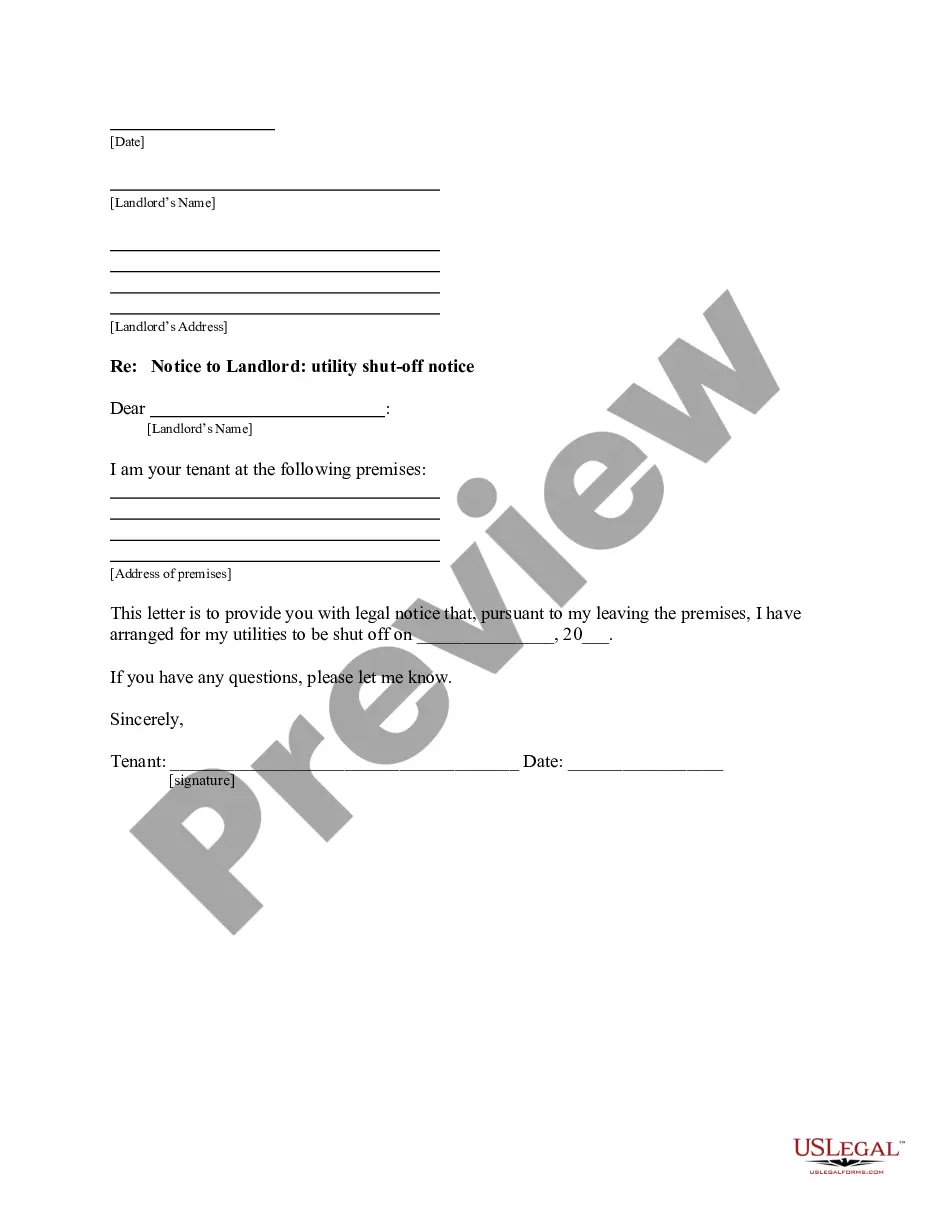
How to fill out Nevada Letter From Tenant To Landlord - Utility Shut Off Notice To Landlord Due To Tenant Vacating Premises?
- If you're a returning user, simply log in to access your account and download the required form template by clicking the Download button. Ensure your subscription is active; if it has expired, renew it per your plan.
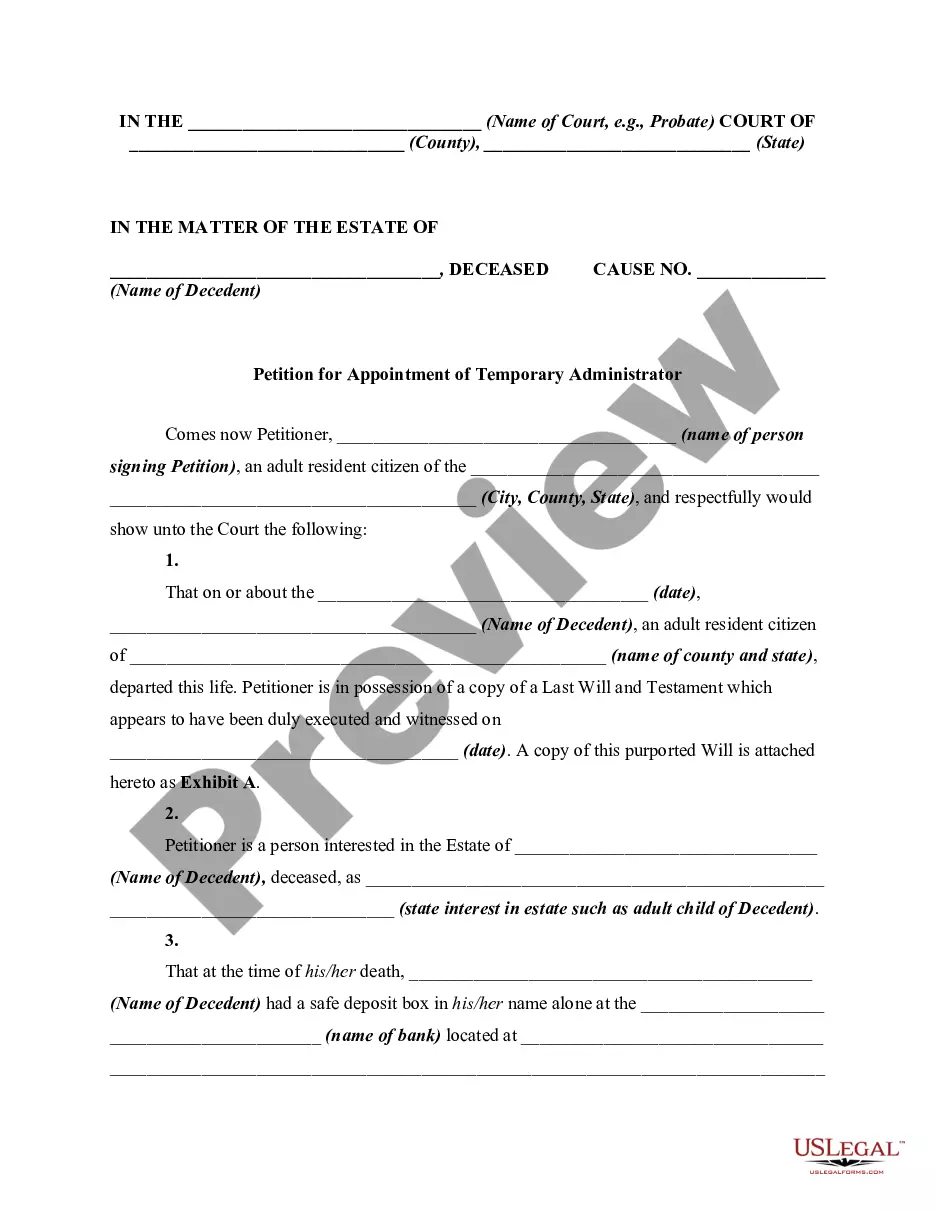
- For first-time users, begin by browsing the Preview mode to review the form's description. Confirm that it meets your needs and complies with local regulations.
- If the template isn't quite right, utilize the Search tab above to find another option that suits your requirements.
- Once you've found the appropriate document, click the Buy Now button and select your preferred subscription plan. You’ll need to create an account to access the full library.
- Proceed with your purchase by entering your payment information via credit card or PayPal to complete the transaction.
- Finally, download your form and save it on your device for easy access and completion later. You can also revisit it anytime through the My Forms menu in your profile.
US Legal Forms not only provides a robust collection of over 85,000 fillable templates but also offers access to premium experts who can assist in ensuring your documents are completed accurately.
Empower yourself today with easy access to legal forms tailored to your needs. Start using US Legal Forms now to simplify your legal document management!
Form popularity
FAQ
The Security Deposit Act governs how landlords can handle security deposits, providing clear guidelines to protect both parties in the rental agreement. This legislation often comes into play in tenant landlord shut with security deposit cases. It specifies the maximum deposit amount, the timeline for its return, and requirements for documentation of any deductions. Understanding the Act can help you navigate the complexities of security deposits and uphold your tenant rights.
In Massachusetts, landlords may collect a security deposit up to one month's rent, which they must hold in a separate account. Addressing tenant landlord shut with security deposit issues is essential, as landlords are required to return this deposit with interest within 30 days after the tenancy ends. If any deductions are made for damages, landlords must provide an itemized list. Familiarizing yourself with this law can protect your rights as a tenant.
In Missouri, landlords are allowed to collect a security deposit, but it cannot exceed one month's rent. When considering tenant landlord shut with security deposit disputes, it is crucial to know that landlords must return this deposit within 30 days after a tenant moves out. They are also required to provide an itemized list of any deductions. This law ensures that tenants receive fair treatment regarding their security deposits.
Normal wear and tear in Massachusetts refers to the expected deterioration of a rental property over time due to regular use. This concept is important for both tenants and landlords, especially when dealing with the tenant landlord shut with security deposit issue. Landlords cannot deduct from the security deposit for deterioration that is considered normal, such as faded paint or worn carpets. Therefore, understanding this distinction can help you protect your rights as a tenant.
Yes, a tenant can refuse entry to a landlord in New York if the landlord fails to provide proper notice or an acceptable reason for the visit. Tenants have the right to privacy in their homes, and knowing this can prevent unauthorized access. Understanding tenant rights can strengthen the tenant-landlord dynamics, especially related to handling security deposits appropriately.
Landlords in New York cannot lock out tenants, enter their units without proper notice, or seize personal property unlawfully. Additionally, they must not discriminate against tenants based on various protected categories. Knowing these restrictions can help tenants feel safer and advocate for their rights in a tenant-landlord relationship concerning the security deposit.
In New York, it is illegal for landlords to retaliate against tenants for exercising their legal rights, such as reporting unsafe living conditions. They also cannot refuse to return the security deposit without a reasonable basis. Familiarizing yourself with these laws can empower tenants and ensure a fair relationship with the landlord regarding the security deposit.
In Massachusetts, the law limits security deposits to the first month's rent along with a potential last month's rent. Landlords must keep these deposits in a separate, interest-bearing account and return them within 30 days after the tenant moves out, minus legitimate deductions. Understanding MA laws assists tenants in navigating issues related to security deposits and ensures a healthy tenant-landlord relationship.
In New York, landlords cannot conduct random inspections of the rental unit without notice. They must provide reasonable notice, typically 24 hours, and state the reason for the visit. This approach protects tenant privacy while allowing landlords to maintain the property, striking a balance in the tenant-landlord relationship concerning the security deposit.
When one tenant leaves, the security deposit remains with the landlord unless specified otherwise in the lease. The landlord must return the departing tenant’s portion if it is reasonable and must account for any potential damages. Hence, it’s vital to clarify how deposits are handled in the lease to avoid any tenant-landlord conflict over the security deposit.