Tenant Landlord Shut For 2 Years
Description


Get your form ready online
Our built-in tools help you complete, sign, share, and store your documents in one place.
Make edits, fill in missing information, and update formatting in US Legal Forms—just like you would in MS Word.
Download a copy, print it, send it by email, or mail it via USPS—whatever works best for your next step.
Sign and collect signatures with our SignNow integration. Send to multiple recipients, set reminders, and more. Go Premium to unlock E-Sign.
If this form requires notarization, complete it online through a secure video call—no need to meet a notary in person or wait for an appointment.
We protect your documents and personal data by following strict security and privacy standards.

Make edits, fill in missing information, and update formatting in US Legal Forms—just like you would in MS Word.

Download a copy, print it, send it by email, or mail it via USPS—whatever works best for your next step.

Sign and collect signatures with our SignNow integration. Send to multiple recipients, set reminders, and more. Go Premium to unlock E-Sign.

If this form requires notarization, complete it online through a secure video call—no need to meet a notary in person or wait for an appointment.

We protect your documents and personal data by following strict security and privacy standards.
Looking for another form?





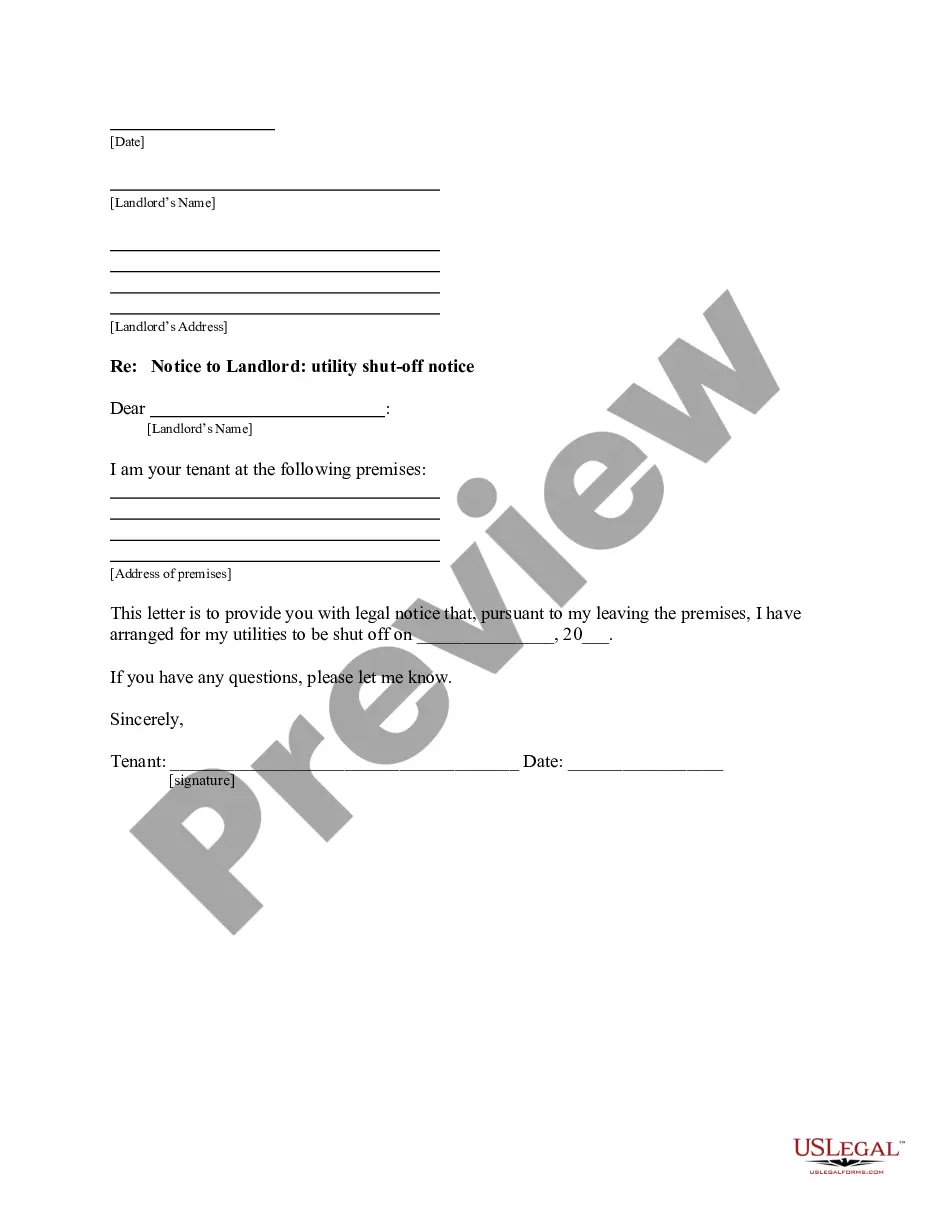
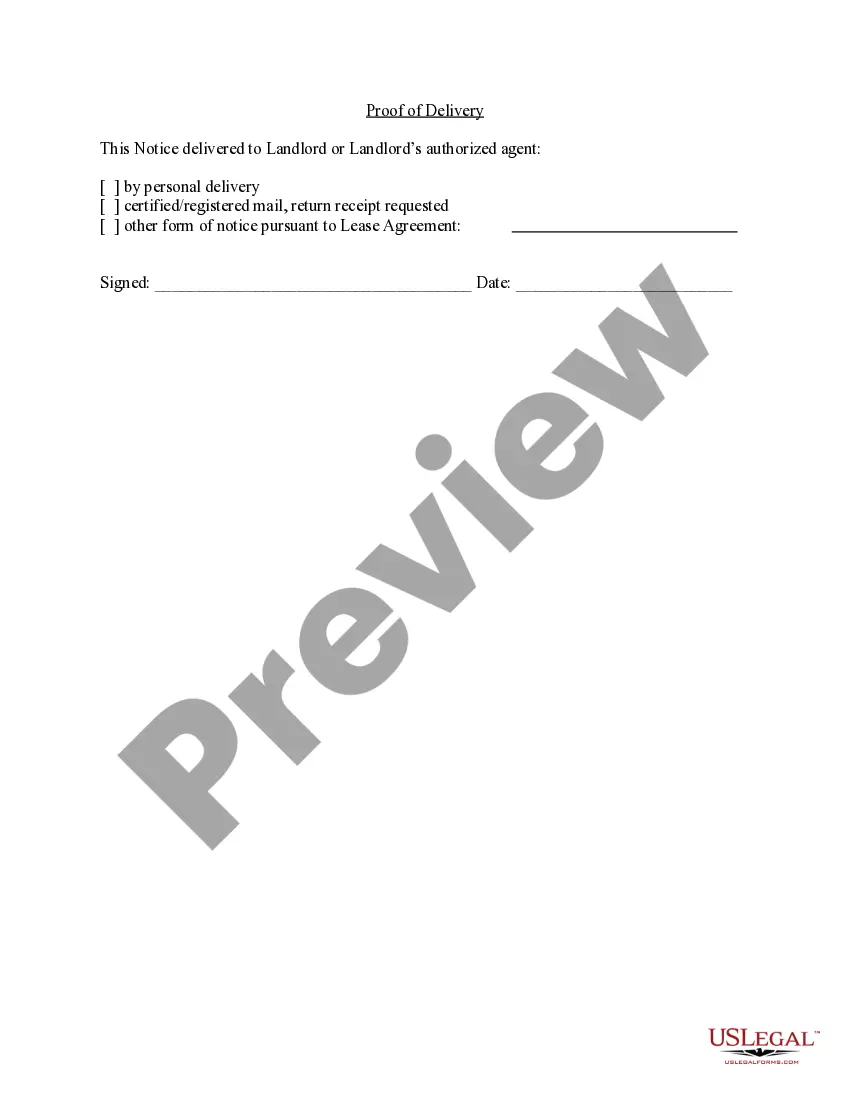
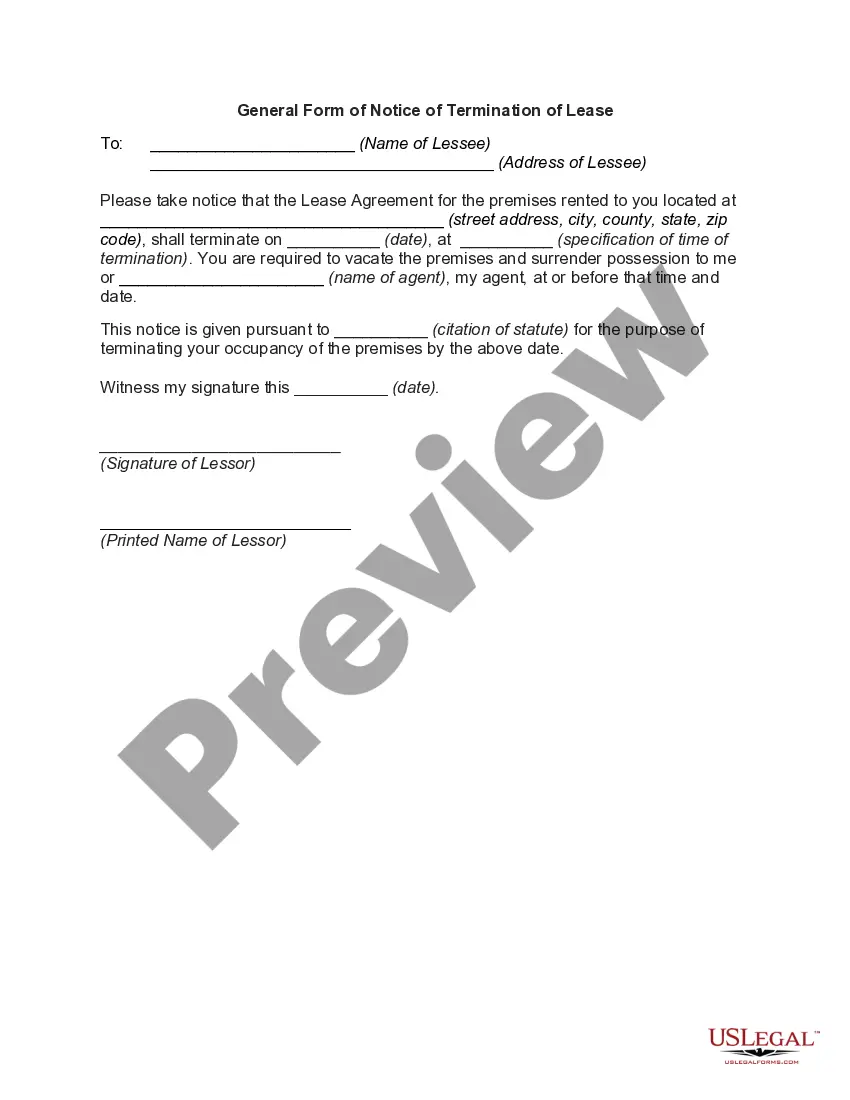
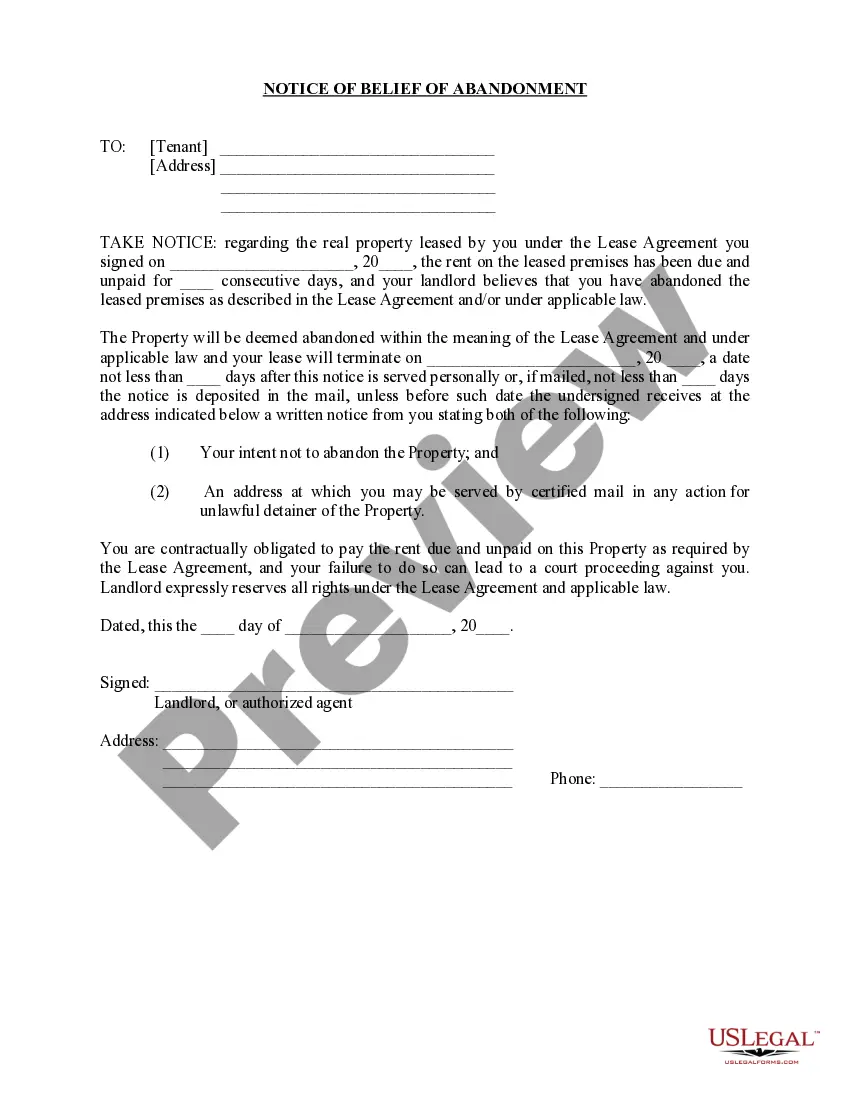
How to fill out Nevada Letter From Tenant To Landlord - Utility Shut Off Notice To Landlord Due To Tenant Vacating Premises?
- Begin by logging into your US Legal Forms account if you have previously used the service. Verify your subscription status ensuring it is active.
- Explore the Preview mode to review the form descriptions. Confirm that the selected templates align with your requirements and local jurisdiction.
- Should you need additional templates, utilize the Search feature to find alternatives. Ensure that the form you choose meets your specific needs before proceeding.
- Purchase your chosen document by clicking the Buy Now button. Select your ideal subscription plan and create an account to access the library.
- Complete your transaction by providing your payment information via credit card or PayPal.
- Finally, download the form to your device. You can later retrieve it from the My Forms section in your profile.
By following these steps, you can easily access the necessary documents to protect your rights as a tenant or landlord.
Start your journey with US Legal Forms today and empower yourself with the tools needed to handle your legal documentation with confidence.
Form popularity
FAQ
In Pennsylvania, a tenant can stay beyond the lease expiration only with the landlord’s consent, making them a holdover tenant. If no agreement exists, the landlord has the right to begin the eviction process. In circumstances of tenant landlord shut for 2 years, landlords should clarify their rights and tenants’ responsibilities to avoid complications. Prompt communication and a clear understanding of the terms can lead to better outcomes.
Holdover evictions can typically take anywhere from a few weeks to several months, depending on various factors like court availability or tenant responses. Delays may occur if the tenant contests the eviction or if there are legal complexities involved. For landlords facing tenant landlord shut for 2 years, it is advisable to act promptly and seek legal guidance to expedite the process.
In Pennsylvania, a holdover tenant is someone who stays in a rental property after their lease has expired, without the landlord’s permission. Their status can complicate matters, especially if landlords need to enforce termination of the lease. This situation can create difficulties for landlords, particularly in cases of tenant landlord shut for 2 years. Knowing your rights and responsibilities can mitigate these issues.
A holdover tenant clause allows landlords to define the terms for tenants who remain on the property past their lease’s expiration. This clause often sets the conditions for retention of the tenant, including potential rent increases or continued tenancy under specific terms. Understanding this clause is essential for both tenants and landlords, especially in situations where tenant landlord shut for 2 years might arise. A well-structured lease can prevent future disputes.
In North Carolina, tenants typically need to provide a 30-day notice before moving out. This time frame allows landlords to prepare for a new tenant and address the potential tenant landlord shut for 2 years. However, lease agreements might stipulate different notice periods, so it is crucial to review the terms. Always ensure that communication around moving out is documented to avoid any misunderstandings.
The time it takes to evict a holdover tenant can vary based on local laws and the specifics of the situation. Generally, it may take roughly 30 to 60 days to complete the eviction process. Factors such as a tenant’s response or court schedules can add time. For landlords experiencing tenant landlord shut for 2 years, prompt legal assistance can be beneficial.
In Georgia, you do not automatically get another 30 days after receiving an eviction notice. The notice period might vary based on the reasons for eviction. If you'd like to challenge this eviction or need assistance understanding your rights, particularly when facing a tenant landlord shut for 2 years, consider utilizing the services provided by US Legal Forms for effective legal guidance.
The minimum time a landlord can require a tenant to move out in Georgia typically ranges from 3 to 30 days, depending on the lease and reason for termination. If the eviction results from non-payment, the notice period may differ. Be proactive about understanding your lease agreement and your rights, particularly if your situation involves issues like a tenant landlord shut for 2 years.
When writing a moving-out letter to your landlord, be clear and concise. Start with a formal greeting, state your intent to vacate, include your move-out date, and provide your new address for the security deposit return. This letter serves as important documentation, especially during disputes related to a tenant landlord shut for 2 years. For templates and legal forms, check out US Legal Forms.
In Georgia, landlords usually must provide at least a 30-day notice to move out, depending on the lease terms and circumstances surrounding the move. However, if the eviction is for specific reasons, such as non-payment of rent, the notice period may be shorter. It’s crucial to read your lease agreement and know your rights, especially during challenging times like a tenant landlord shut for 2 years.